Hair Moisturizers: What They Are and How They Work
10 min read ·
Hair Moisturizers are products designed to replenish and maintain the water content within the hair shaft, improving elasticity and reducing breakage, though their effectiveness can vary with environmental conditions.
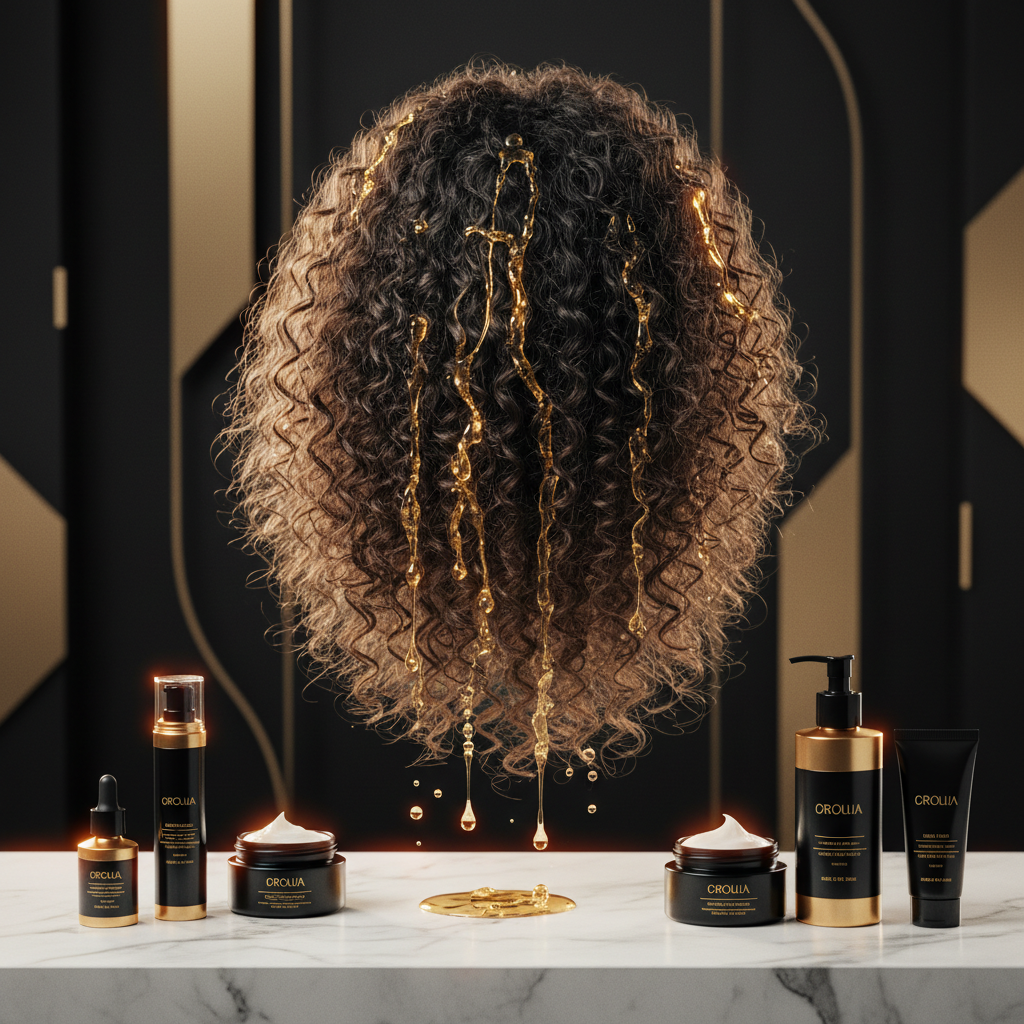
Quick answer: Hair Moisturizers are cosmetic products formulated to increase and maintain the water content within the hair shaft, making hair feel softer, more flexible, and less prone to breakage. They work by attracting moisture to the hair, sealing it in, or both. Their performance can be influenced by environmental factors like humidity and the hair's individual characteristics.
Key takeaways
- Hair Moisturizers deliver and retain water within the hair structure, directly affecting its feel, flexibility, and resistance to damage.
- They typically contain humectants, which draw moisture from the air, and emollients/occlusives, which create a barrier to prevent moisture loss.
- The effectiveness of Hair Moisturizers can vary based on hair porosity, environmental humidity, and the specific ingredients used.
- Regular use can lead to hair that feels smoother, looks shinier, and is less susceptible to breakage.
- Different hair types and concerns benefit from specific types of Hair Moisturizers, ranging from lightweight leave-ins to intensive masks.
- Maintaining the hair's natural slightly acidic pH (4.5 to 5.5) is crucial for optimal moisture retention, a feature often built into well-formulated Hair Moisturizers.
Hair Moisturizers: what the evidence shows
Hair Moisturizers are a category of cosmetic products specifically formulated to address hair dryness by increasing and maintaining the hair fibre's water content. This water content is vital for the hair's mechanical properties, such as elasticity and tensile strength. When hair is adequately moisturised, it is more pliable, less brittle, and more resistant to mechanical stress, which can reduce hair breakage.
The primary aim of Hair Moisturizers is to counter the effects of moisture loss, which can be caused by various factors including chemical treatments (such as colouring, perming, or relaxing), heat styling, environmental exposure (UV radiation, low humidity), and even the natural ageing process of hair. These factors can compromise the hair's outermost layer, the cuticle, making it more porous and allowing water to escape more easily.
Research into hair science consistently demonstrates that healthy hair contains an optimal amount of water. For example, the water content of hair is typically around 10 to 13% by weight. When this level drops significantly, hair becomes rough, dull, and prone to tangling and snapping. Hair Moisturizers work to restore and maintain this critical balance.
The mechanism behind moisturisation
Hair Moisturizers employ a combination of ingredients to achieve their hydrating effects. These generally fall into two main categories: humectants and emollients/occlusives.
Humectants: attracting moisture
Humectants are hygroscopic substances, meaning they have a chemical structure that allows them to attract and bind water molecules from the surrounding environment. When applied to hair, humectants draw moisture from the air into the hair shaft, helping to plump up the hair fibre. Common humectants found in Hair Moisturizers include:
- Glycerin: A highly effective and widely used humectant due to its small molecular size, allowing it to penetrate the hair fibre and attract water.
- Propylene Glycol and Butylene Glycol: These synthetic humectants function similarly to glycerin, helping to draw and retain moisture.
- Panthenol (Provitamin B5): This alcohol derivative penetrates the hair shaft, where it is converted to pantothenic acid. It acts as both a humectant and a conditioning agent, improving elasticity and imparting a smoother feel.
- Hyaluronic Acid: Known for its exceptional water-binding capacity (it can hold up to 1000 times its weight in water), it provides intense hydration to the hair's surface.
- Aloe Vera: Contains polysaccharides and other compounds that act as natural humectants, attracting and locking in moisture.
It's important to note that the efficacy of humectants can be influenced by ambient humidity. In very dry conditions, if the air has significantly lower humidity than the hair, humectants can potentially draw moisture out of the hair. Conversely, in very humid environments, they can attract excessive moisture, potentially leading to frizz for some hair types.
Emollients and Occlusives: sealing and smoothing
Emollients and occlusives create a protective barrier on the surface of the hair, which serves two main purposes: to prevent the evaporation of water (sealing in moisture) and to smooth down the cuticle scales, making the hair feel softer and appear shinier.
- Natural Oils (e.g., Argan oil, Jojoba oil, Coconut oil, Shea butter): Many natural oils are rich in fatty acids that can penetrate the hair shaft, providing nourishment and helping to reduce protein loss. They also coat the hair, forming a lipid layer that reduces water loss. Shea butter, a rich emollient, is particularly effective at this.
- Silicones (e.g., Dimethicone, Cyclopentasiloxane): These synthetic polymers form a very smooth, often water-resistant, film over the hair surface. This film provides slip, reduces friction, enhances shine, and effectively seals moisture within the hair. While highly effective, some individuals report that certain silicones can accumulate on the hair over time, requiring clarifying washes.
- Fatty alcohols (e.g., Cetyl Alcohol, Stearyl Alcohol): Despite their name, these are not drying alcohols. They are solid, waxy substances that act as emollients, contributing to the conditioning and smoothing properties of Hair Moisturizers.
- Polyquaterniums: These are cationic (positively charged) polymers that adhere to the negatively charged surface of damaged hair, smoothing the cuticle, providing slip, and forming a protective film to retain moisture.
What Hair Moisturizers do not do
It's crucial to distinguish between cosmetic effects and biological treatments. Hair Moisturizers are cosmetic products. They improve the feel and appearance of hair, and by improving its structural integrity, they can reduce hair breakage. However, they do not treat or cure conditions like alopecia (hair loss), nor do they stimulate new hair growth at the follicular level. Claims related to treating hair loss or promoting growth should be met with scrutiny unless backed by rigorous clinical trials specifically for those biological outcomes.
While Hair Moisturizers can make hair feel stronger and more resilient, they do not fundamentally alter the internal structure of the hair fibre in a permanent way. Their effects are temporary and require continued application.
Signs your hair needs moisturising
Several indicators can suggest your hair could benefit from Hair Moisturizers:
- Rough texture: Hair feels coarse or straw-like to the touch.
- Lack of shine: Hair appears dull and lifeless, reflecting less light.
- Increased frizz: The cuticle layers are raised, leading to a frizzy appearance, particularly in humid conditions. (See also: Dealing with Frizzy Hair and How to Stop Curly Hair from Frizzing).
- Reduced elasticity: Hair does not spring back when stretched and breaks easily.
- Excessive tangling: Dry cuticles snag on each other, leading to knots.
- Split ends and breakage: The hair fibre is weakened and breaks along the shaft more readily. This is hair breakage, not hair loss.
Choosing the right Hair Moisturizer for your hair
Selecting the most effective Hair Moisturizer depends on your hair type, its current condition, and your environmental factors. Consider the following:
| Hair Type/Concern | Recommended Hair Moisturizer Type(s) | Key Ingredients to Look For | Application Frequency |
|---|---|---|---|
| Fine/Oily Hair | Lightweight leave-in conditioners, serums, rinse-out conditioners | Glycerin, Aloe Vera, lighter oils (e.g., Jojoba, Squalane), water-based formulas | Daily or every other wash |
| Normal Hair | Balanced rinse-out conditioners, occasional leave-in | Balanced blend of humectants and emollients | Every wash, occasional leave-in |
| Dry/Damaged Hair | Deep conditioners (masks), rich leave-in creams, hair oils | Shea butter, Coconut oil, Argan oil, Hyaluronic Acid, ceramides, panthenol | [Deep conditioner](https://watermanshair.com/products/masque-me-luxurious-hair-mask) 1-2 times/week, leave-in daily |
| Curly/Coily Hair | Leave-in creams, butters, heavy oils, deep conditioners | Heavy emollients (e.g., Castor oil, Avocado oil, Shea butter), high concentrations of humectants | Daily or as needed, deep conditioner weekly (See also: Moisturizing Afro-Textured Hair) |
| Colour-Treated Hair | Colour-safe leave-ins, pH-balanced conditioners | UV filters, antioxidants, silicones, gentle emollients | Every wash, as needed (See also: Maintaining Colour-Treated Hair) |
The importance of pH balance
The pH of hair and scalp is naturally acidic, typically ranging from 4.5 to 5.5. This slightly acidic environment helps keep the hair cuticle tightly closed and smooth. Many Hair Moisturizers are formulated to be within this optimal pH range. Products with a higher (alkaline) pH can cause the cuticle to swell and lift, making hair more vulnerable to moisture loss, frizz, and damage. Using pH-balanced Hair Moisturizers, especially after an alkaline process like shampooing or colouring, helps to restore the cuticle to its natural state, locking in moisture and enhancing shine and smoothness. (See also: The pH Scale and Hair).
When to seek professional advice
While Hair Moisturizers can significantly improve the cosmetic condition of your hair, there are situations where dryness or breakage might be a symptom of an underlying issue requiring professional help. If you experience persistent, severe hair dryness, scalp irritation, unusual shedding, or if your hair breakage is extreme and doesn't improve with consistent moisturising routines, it's advisable to consult a dermatologist or trichologist. They can diagnose conditions like nutritional deficiencies, hormonal imbalances, or specific scalp disorders that might be contributing to your hair concerns. They can also differentiate between hair breakage and hair loss conditions like telogen effluvium or various alopecias.
Frequently asked questions about Hair Moisturizers
What is the difference between a hair conditioner and a hair moisturiser?
While often used interchangeably, a hair conditioner primarily focuses on detangling, smoothing the cuticle, and providing a temporary surface coating. Hair Moisturizers, though often containing conditioning agents, specifically emphasise delivering and retaining water within the hair shaft for deeper hydration. Many products, especially leave-ins and deep conditioners, function as both.
Can Hair Moisturizers cause product buildup?
Yes, some Hair Moisturizers, particularly those rich in heavy oils, butters, or certain silicones, can accumulate on the hair and scalp over time. This buildup can make hair feel greasy, heavy, or dull. Regular clarifying washes (see: How to Do a Clarifying Wash: A Guide to Deep Hair Cleansing) can help remove this residue, restoring your hair's responsiveness to moisturising products.
How often should I use Hair Moisturizers?
The frequency depends on your hair type, its dryness level, and the specific product. For very dry or coily hair, daily application of a leave-in Hair Moisturizer might be beneficial. For normal or fine hair, using a rinse-out conditioner with every wash and an occasional leave-in or mask might suffice. Listen to your hair and adjust as needed.
Do Hair Moisturizers help with hair growth?
No, Hair Moisturizers are cosmetic products that work on the existing hair shaft. They do not contain active ingredients that stimulate hair follicles or promote new hair growth. However, by reducing breakage, they can help hair retain its length, contributing to the appearance of healthier, longer hair over time. Real hair growth comes from the scalp.
Are natural oils sufficient as Hair Moisturizers?
Natural oils are excellent emollients and occlusives, effective at sealing in moisture and adding shine. However, they are not humectants, meaning they don't attract water to the hair on their own. For comprehensive moisturisation, especially for very dry hair, a product combining both humectants (to bring water in) and natural oils (to seal it in) is often more effective than oil alone.
Can I use Hair Moisturizers on my scalp?
Some Hair Moisturizers are formulated for both hair and scalp, especially those with soothing ingredients like Aloe Vera or anti-inflammatory compounds. However, many traditional Hair Moisturizers, particularly those rich in heavy oils or silicones, can clog scalp pores and exacerbate oiliness or irritation for some individuals. It's best to check product labels or opt for specific scalp-care products if your scalp needs moisturising.
Enhancing your routine with Watermans Hair Moisturizers
Watermans Haircare products are formulated with ingredients that support hair health and moisture. Our range includes conditioners and masks designed to hydrate and nourish the hair fibre. For example, Watermans Condition Me contains cholesterol and hydrating ingredients that help to smooth and moisturise the hair. Our Hair Growth Mask features Argan Oil and Rosemary Extract, which are known for their conditioning properties and their ability to contribute to the hair's overall healthy appearance. These formulations work to replenish moisture, improve elasticity, and leave hair feeling softer and more manageable, helping to reduce breakage and enhance shine. Frojus, our sister brand for afro and curly hair, offers products specifically designed to provide intense hydration for textured hair, often combining humectants with rich emollients to combat dryness and improve curl definition.
Sources and references
- Journal of Cosmetic Science, various articles on hair structure, hydration, and conditioning agents.
- International Journal of Cosmetic Science, research on humectants, emollients, and hair properties.
- The Cosmetic, Toiletry, and Fragrance Association (CTFA) Cosmetic Ingredient Handbook.
- National Center for Biotechnology Information (NCBI) PubMed, studies on hair morphology and treatment effects.
- British Association of Dermatologists (BAD), information on hair and scalp conditions.
- Hair Cosmetics: An Overview by P. G. Coelho and L. H. B. Mendes, published in the Brazilian Journal of Pharmaceutical Sciences, 2009.
- The role of moisturisers in dermatological practice by Leslie Baumann, Journal of Clinical and Aesthetic Dermatology, 2010.
Find these ingredients in Watermans products
- Rosemary Extract: you will find this ingredient in our Hair Growth Shampoo.
- Castor Oil: you will find this ingredient in our Camellia & Black Castor Hair & Body Oil.
- Panthenol (Provitamin B5): you will find this ingredient in our Heat Protection Spray.
- Aloe Vera: you will find this ingredient in our Curly Hair Conditioner.