Hair Mask Explained: What It Is and How It Works
5 min read ·
A Hair Mask is a deep conditioning treatment formulated to deliver concentrated benefits to the hair and scalp, designed for more intensive results than regular conditioners.
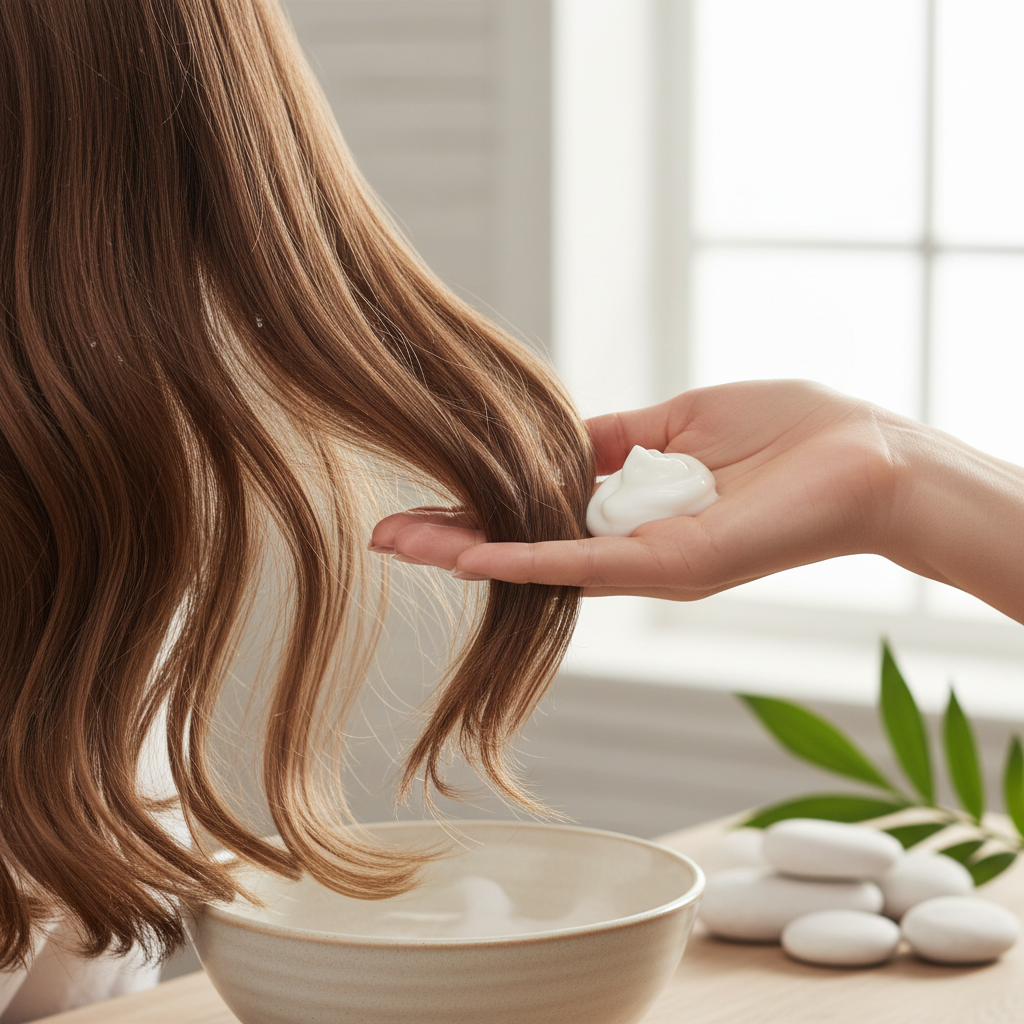
Quick answer: A Hair Mask is a deep conditioning treatment formulated with a higher concentration of beneficial ingredients than a typical conditioner, designed to penetrate the hair shaft more deeply to provide intense hydration, repair, or nourishment. While a Hair Mask can improve the cosmetic appearance and feel of hair, it cannot treat underlying medical conditions causing hair loss or scalp issues without specific medicinal ingredients.
Key takeaways
- Hair Masks are intensive conditioning treatments that go beyond daily conditioners.
- They often contain higher concentrations of emollients, humectants, and proteins to address specific hair concerns.
- Different types of masks target issues like dryness, damage, and scalp health.
- Regular use can improve hair's shine, softness, strength, and manageability.
- Application typically involves leaving the mask on for 5 to 20 minutes before rinsing.
- While beneficial for cosmetic hair health, Hair Masks do not cure medical hair loss or scalp conditions.
Hair Mask: what the evidence shows
A Hair Mask is a conditioning product formulated to provide a more intensive treatment to the hair fibre and, in some cases, the scalp, compared to a standard daily conditioner. These products typically contain a higher concentration of active ingredients such as oils, butters, humectants, and proteins, and are designed for longer contact times with the hair. The primary goal of a Hair Mask is to improve the cosmetic attributes of hair, including its hydration, softness, shine, strength, and manageability.
Research into hair care treatments often focuses on improving the mechanical properties and appearance of hair that has been damaged by environmental factors, chemical processing, or heat styling. Hair Masks contribute to these improvements by forming a protective layer on the hair's surface, smoothing the cuticle, and temporarily filling in surface irregularities. This action helps to reduce friction between hair strands, improve detangling, and impart a softer feel and shinier appearance.
How Hair Masks work
The effectiveness of a Hair Mask stems from its composition and application method. Unlike daily conditioners which are typically rinsed off quickly, masks are left on for a longer duration, allowing active ingredients more time to interact with the hair shaft. This prolonged contact, often combined with heat (e.g., from a shower cap or warm towel), can temporarily raise the hair cuticle, facilitating deeper penetration of some smaller molecular components into the cortex, the inner part of the hair shaft. However, the primary mechanism remains surface-level conditioning and temporary repair.
Key ingredient categories and their mechanisms include:
- Emollients: Ingredients like natural oils (argan, coconut, shea butter) and fatty alcohols (cetyl alcohol, stearyl alcohol) create a smooth, protective film on the hair surface. This film helps to reduce moisture loss, enhance shine, and decrease friction, making hair feel softer and more manageable. They essentially "lubricate" the hair fibre.
- Humectants: Substances such as glycerin, hyaluronic acid, and panthenol (Pro-Vitamin B5) attract and hold water from the environment to the hair. This increases the hair's moisture content, leading to improved elasticity and flexibility, which can reduce the likelihood of breakage.
- Proteins: Hydrolysed proteins (e.g., wheat, keratin, silk) have been broken down into smaller peptides that can temporarily adhere to damaged areas of the hair cuticle. They can also penetrate slightly into the cortex, providing temporary reinforcement to the hair structure. This makes the hair feel stronger and can reduce the appearance of damage, particularly for chemically treated or brittle hair. Overuse can lead to stiff, brittle hair (protein overload), indicating the importance of balanced treatments.
- Occlusives: Ingredients like silicones (e.g., dimethicone) form a hydrophobic (water-repelling) barrier on the hair surface. This layer seals in moisture, provides slip for detangling, and enhances shine. While effective, some find silicones can build up on the hair over time, requiring clarifying washes.
These ingredients work synergistically to address common hair concerns, offering a temporary but significant improvement in hair's cosmetic quality.
What Hair Masks do not show
It is important to understand the limitations of a Hair Mask. While beneficial for hair condition and appearance, these cosmetic products do not stimulate new hair growth, prevent hair loss (alopecia), or cure medical scalp conditions like chronic inflammation or severe dandruff. Any claims suggesting medicinal benefits, such as treating pattern baldness or significant hair shedding (telogen effluvium), are not supported by the current evidence for typical Hair Mask formulations. For such concerns, a consultation with a dermatologist or trichologist is recommended.
Moreover, a Hair Mask cannot permanently repair severely damaged hair. The improvements are generally temporary and necessitate continued use. Hair that has undergone significant chemical changes, such as from bleaching or permanent straightening, may show cosmetic improvement, but the underlying structural damage remains.
Types of Hair Masks and their benefits
Hair masks are formulated to address a variety of hair and scalp needs, with different ingredient profiles targeting specific concerns.
Moisturising Hair Masks
These masks are rich in emollients (like shea butter, argan oil, coconut oil) and humectants (such as glycerin, hyaluronic acid). They are designed to infuse and lock moisture into the hair fibre. They are particularly beneficial for dry, coarse, or chemically treated hair, improving softness, elasticity, and shine. They help to combat frizz by providing ample hydration.
Protein Hair Masks
Formulated with hydrolysed proteins (e.g., keratin, wheat protein, silk protein), these masks aim to temporarily strengthen the hair structure. They are ideal for damaged, brittle, or chemically treated hair that feels weak or lacks elasticity. Protein masks can reduce breakage and improve resilience. However, excessive use without balancing moisturising treatments can lead to protein overload, making hair stiff and more prone to breakage.
Repairing Hair Masks
Often a blend of moisturising and protein ingredients, repairing masks target a broad spectrum of damage. They aim to restore the integrity of the hair fibre, smooth the cuticle, and improve overall health and appearance. These are suitable for hair frequently exposed to heat styling, colouring, or chemical treatments, helping to mitigate the effects of damage and improve the hair
Find these ingredients in Watermans products
- Argan Oil: you will find this ingredient in our Hair Growth Shampoo.
- Panthenol (Provitamin B5): you will find this ingredient in our Heat Protection Spray.
- Shea Butter: you will find this ingredient in our Curly Hair Conditioner.