Hair Loss and Thinning: Understanding Causes, Signs, and Management
13 min read ·
Hair Loss and Thinning are common concerns, often presenting as reduced hair density or increased shedding, with various underlying causes requiring careful investigation for effective management.
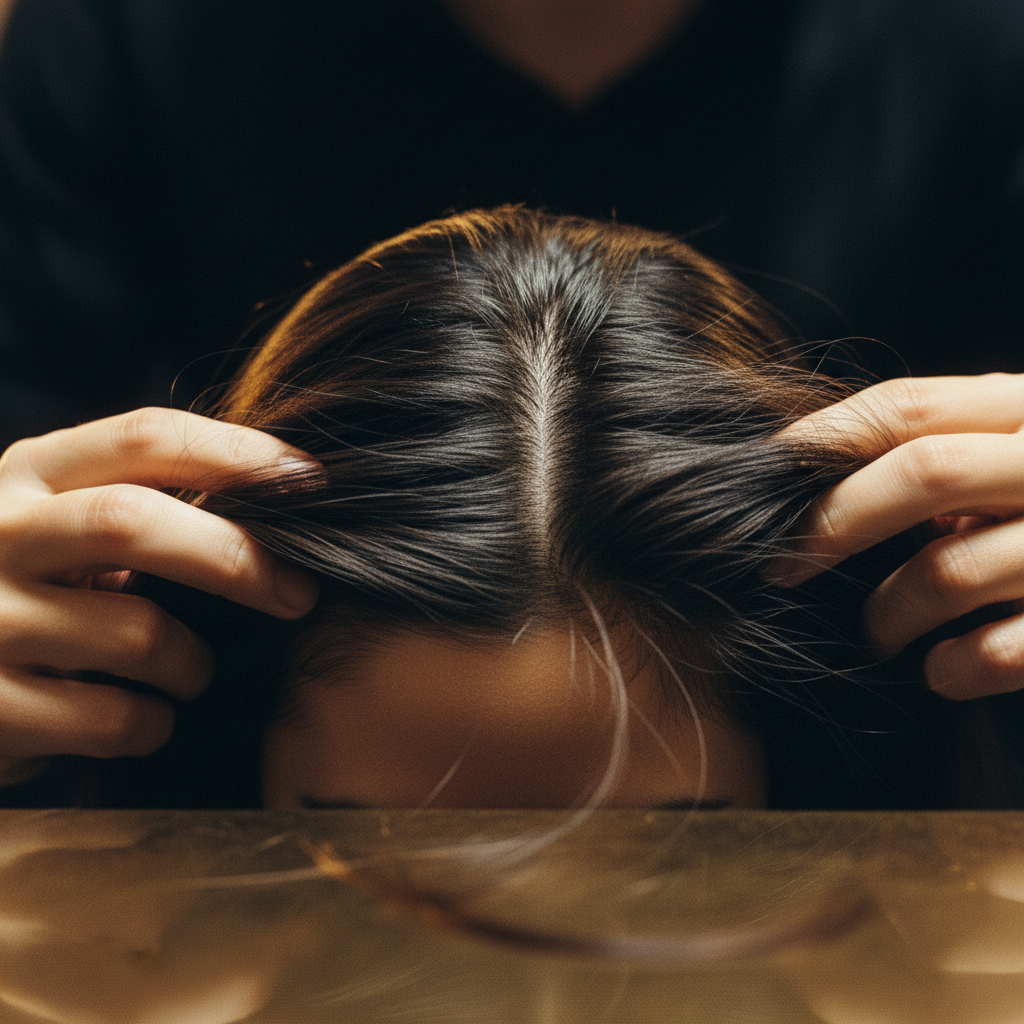
Quick answer: Hair Loss and Thinning refer to reduced hair density or an increase in the number of hairs shed daily. Understanding the specific type and underlying cause of Hair Loss and Thinning is crucial, as effective management depends on an accurate diagnosis, which may require professional assessment. While cosmetic products can support hair health, they do not treat medical conditions causing hair loss.
Key takeaways
- Hair loss, shedding, and breakage are distinct concepts. Hair loss means hair isn't growing from the follicle, shedding is hair leaving the follicle, and breakage is the hair shaft snapping.
- Genetic predisposition (androgenetic alopecia) is the most common cause of gradual Hair Loss and Thinning in both men and women.
- Sudden, widespread shedding (telogen effluvium) often follows a significant physical or psychological stressor, such as illness, surgery, or major life changes.
- Other causes include autoimmune conditions, nutritional deficiencies, hormonal imbalances, certain medications, and physical stress on the hair.
- Early identification of the cause is key. Consulting a doctor or dermatologist can help determine the specific type of Hair Loss and Thinning and guide appropriate management.
- Haircare products can support scalp health and hair strength, potentially reducing visible thinning due to breakage, but they do not treat medical hair loss conditions.
Hair Loss and Thinning: What the evidence shows
Hair Loss and Thinning are distinct but often related concerns that can affect anyone. Hair loss, or alopecia, refers to a reduction in the number of hair follicles producing hair, or a complete absence of hair growth in certain areas. Hair thinning, on the other hand, describes a reduction in the diameter of individual hair fibres or a decrease in overall hair density, making the hair appear less voluminous. While normal shedding of 50 to 100 hairs daily is part of the hair growth cycle, exceeding this amount or noticing patchiness can indicate a problem.
It's important to differentiate true hair loss from hair shedding and hair breakage. Hair shedding (e.g., telogen effluvium) is a temporary increase in the number of hairs entering the resting phase and falling out. Hair breakage is when the hair fibre snaps along the shaft due to damage, leading to shorter pieces but not affecting the hair follicle's ability to grow new hair. The treatment approach for each is very different.
The hair growth cycle and its disruption
To understand Hair Loss and Thinning, it helps to know about the hair growth cycle, which consists of three main phases:
- Anagen (Growing Phase): Hair actively grows from the follicle for 2 to 7 years. Around 85% to 90% of hairs are in this phase at any given time.
- Catagen (Transition Phase): A short phase lasting 2 to 3 weeks where hair growth stops, and the follicle shrinks.
- Telogen (Resting Phase): The hair rests in the follicle for about 2 to 4 months before being shed, and a new hair begins to grow. Around 10% to 15% of hairs are in this phase.
Disruptions to this cycle, such as prematurely pushing a large number of hairs into the telogen phase or shortening the anagen phase, are key mechanisms behind many forms of Hair Loss and Thinning. Damage to the hair follicle itself can also impair its ability to produce healthy hair.
Common causes of Hair Loss and Thinning
The causes of Hair Loss and Thinning are diverse, ranging from genetic factors to temporary external stressors. Identifying the specific cause is the first step towards effective management.
Androgenetic Alopecia (Pattern Hair Loss)
This is the most common cause of progressive Hair Loss and Thinning, affecting up to 50% of men and women by age 50. It's a genetically inherited condition where hair follicles become sensitive to dihydrotestosterone (DHT), a hormone derived from testosterone. This sensitivity causes follicles to miniaturise over time, leading to shorter, finer hairs and eventually ceasing production altogether.
- In men: Often presents as a receding hairline and thinning on the crown.
- In women: Typically appears as diffuse thinning over the top of the scalp, often with the frontal hairline preserved. This is sometimes referred to as Female Pattern Hair Loss.
Telogen Effluvium
This condition involves a sudden, temporary increase in hair shedding, usually occurring 2 to 4 months after a significant physical or psychological stressor. These stressors prematurely push a large number of growing hairs (anagen phase) into the resting (telogen) phase. Triggers can include:
- Childbirth
- Major surgery or severe illness (e.g., COVID-19)
- Significant weight loss or restrictive diets
- High fever or acute infection
- Extreme emotional stress
- Certain medications
While alarming, telogen effluvium is usually reversible once the underlying stressor is resolved, and hair growth typically resumes within 6 to 9 months.
Alopecia Areata
Alopecia areata is an autoimmune disorder where the body's immune system mistakenly attacks healthy hair follicles. This leads to distinct, often circular, patches of hair loss on the scalp or body. The severity can vary from small, isolated patches to complete scalp hair loss (alopecia totalis) or total body hair loss (alopecia universalis). The cause is unknown, but genetics and environmental factors are thought to play a role. Hair may spontaneously regrow, but it can also recur.
Nutritional Deficiencies
Adequate nutrition is vital for healthy hair growth. Deficiencies in certain vitamins and minerals can impair follicle function and lead to Hair Loss and Thinning. Common culprits include:
- Iron: Iron deficiency anaemia is a well-established cause, particularly in pre-menopausal women.
- Zinc: Involved in hair tissue growth and repair.
- Vitamin D: Receptors are present in hair follicles and play a role in the hair cycle.
- Biotin (Vitamin B7): While often marketed for hair growth, biotin deficiency leading to hair loss is rare in healthy individuals.
- Protein: Hair is primarily made of protein, so severe protein deficiency can impact hair structure and growth.
Hormonal Imbalances
Beyond androgenetic alopecia, other hormonal shifts can trigger Hair Loss and Thinning:
- Thyroid disorders: Both an overactive (hyperthyroidism) and underactive (hypothyroidism) thyroid can cause diffuse hair loss.
- Polycystic Ovary Syndrome (PCOS): Can lead to elevated androgens, contributing to hair thinning on the scalp and increased facial/body hair.
- Menopause: Oestrogen decline can lead to reduced hair density and changes in hair texture.
Medications and Medical Conditions
Various medications can have hair loss as a side effect, including some used for:
- Cancer treatment (chemotherapy)
- Blood thinners
- Antidepressants
- Blood pressure medications
- High doses of Vitamin A
Certain medical conditions, such as lupus, syphilis, and scalp infections (e.g., tinea capitis, a fungal infection), can also cause hair loss.
Traction Alopecia
This form of Hair Loss and Thinning results from chronic, repetitive pulling or tension on the hair follicles. It's often seen with tight hairstyles like braids, dreadlocks, ponytails, or hair extensions. The constant stress can inflame and damage the follicles, potentially leading to permanent hair loss in affected areas if the tension isn't removed. Early signs include small bumps around the follicles and tenderness of the scalp.
Hair Loss and Thinning: What the evidence does not show
It's common to hear various theories about the causes of Hair Loss and Thinning that are not supported by robust scientific evidence:
- Frequent washing or daily shampooing: Unless done with excessive force, washing your hair frequently does not cause hair loss. In fact, keeping the scalp clean can support a healthy environment for hair growth. What you see in the drain is usually hair that was already in the telogen (resting/shedding) phase.
- Wearing hats: There is no evidence that wearing hats causes hair loss by suffocating follicles or reducing circulation. If anything, a hat can offer protection from sun damage.
- Hard water: While hard water can affect hair quality by causing mineral build-up, leading to dryness and potential breakage, there is no direct evidence it causes true hair loss from the follicle. (See our article on 'Hard Water and Hair Damage: Understanding the Impact on Your Hair').
- Cutting hair more frequently: Cutting hair affects the ends of the hair shaft, not the follicles. It does not influence the rate of hair growth or prevent hair loss.
When to get professional advice
If you are experiencing noticeable Hair Loss and Thinning, especially if it is sudden, severe, patchy, or accompanied by scalp pain, itching, or redness, it's advisable to consult a doctor or dermatologist. They can help identify the underlying cause through a medical history, physical examination, and potentially blood tests or a scalp biopsy. Early diagnosis is important for many types of hair loss, as some conditions respond better to treatment when addressed promptly.
Management and support for Hair Loss and Thinning
Managing Hair Loss and Thinning depends entirely on the identified cause. There is no one-size-fits-all solution, but a multi-faceted approach often yields the best results.
| Cause Category | Example Conditions | Management Strategies | Expected Outcome | Considerations |
|---|---|---|---|---|
| Genetic | Androgenetic Alopecia | Topical minoxidil, oral finasteride (for men), anti-androgens (for women), laser therapy, hair transplantation. | Slow progression, stimulate regrowth. | Often requires long-term commitment. |
| Stress/Trauma | Telogen Effluvium, Traction Alopecia | Address underlying stressor, gentle haircare, stop tight hairstyles. | Reversible once cause removed. | Hair growth resumes over several months. |
| Autoimmune | Alopecia Areata | Topical/injectable corticosteroids, oral immunosuppressants, topical immunotherapy. | Variable, some regrowth possible. | Can be unpredictable and recur. |
| Nutritional | Iron deficiency, Vitamin D deficiency | Dietary changes, targeted supplementation (under medical guidance). | Reversible with correction of deficiency. | Needs blood tests for accurate diagnosis. |
| Hormonal | Thyroid disorders, PCOS, Menopause | Treat underlying hormonal imbalance with medication. | Reversible with hormone normalisation. | Requires medical diagnosis and treatment. |
| Scalp Health | Fungal infections, Seborrheic Dermatitis | Medicated shampoos, antifungal treatments, anti-inflammatory agents. | Resolves with treatment of infection/condition. | Can recur if underlying condition isn't managed. |
Lifestyle and hair care practices for supporting hair health
Regardless of the cause, adopting healthy lifestyle and haircare practices can support overall hair health and potentially minimise the visible effects of thinning hair or reduce breakage. These are complementary to any medical treatments for Hair Loss and Thinning.
- Gentle Handling: Avoid harsh brushing, tight hairstyles, and aggressive towel drying. Our guide on 'How to Detangle Afro Hair Without Breakage' offers useful techniques.
- Balanced Nutrition: Ensure your diet includes adequate protein, iron, zinc, and vitamins. Whole foods, lean proteins, and plenty of fruits and vegetables are beneficial.
- Stress Management: Chronic stress can disrupt the hair cycle. Techniques like meditation, yoga, regular exercise, and sufficient sleep can help manage stress.
- Scalp Health: Maintain a clean, balanced scalp. Regular, gentle washing (see 'Choosing the Right Shampoo for Your Hair Type') and occasional scalp exfoliation ('Scalp Exfoliation: Uncovering the Evidence for a Healthier Scalp') can help.
- Minimise Heat and Chemical Damage: Excessive heat styling ('Heat Styling Safety Best Practices') and harsh chemical treatments ('Chemical Hair Treatments: What They Are and How They Affect Hair') can weaken hair fibres, leading to breakage that mimics thinning.
Consistency is essential when addressing Hair Loss and Thinning. Improvements often take time, as hair grows slowly (approximately 1 cm per month). Visible changes might require several months of consistent effort and adherence to a treatment plan.
Watermans products to support healthy hair and scalp
Watermans products are formulated with ingredients that help to create an optimal environment for healthy hair growth, strengthen existing hair, and support scalp vitality. Our range is designed to complement a holistic approach to hair care.
- Watermans Grow Me Shampoo and Conditioner: These products contain hydrolysed lupin protein, caffeine, and rosemary extract. These ingredients are chosen to help stimulate the scalp, support existing hair strength, and improve the appearance of fuller, thicker hair. Rosemary extract, for example, has been studied for its potential benefits in stimulating hair growth, acting as a natural vasodilator and promoting nutrient delivery to the follicles.
- Watermans Grow More Elixir: A leave-on scalp treatment designed to deliver concentrated active ingredients directly to the scalp, further supporting the environment for robust hair growth.
These products work best when used as part of a regular hair care routine, aiming to improve hair condition and reduce breakage, thereby contributing to the appearance of denser, healthier hair.
Frequently asked questions about Hair Loss and Thinning
Can stress cause permanent Hair Loss and Thinning?
Typically, stress-induced hair shedding, known as telogen effluvium, is temporary. Once the stressor is removed and your body recovers, hair growth usually resumes within 6 to 9 months. However, chronic or severe stress can sometimes trigger or exacerbate other underlying hair loss conditions, like androgenetic alopecia, by influencing hormonal balances and inflammatory processes in the scalp. Managing stress is important for overall hair health.
Is it normal to shed more hair in certain seasons?
Yes, some individuals notice increased hair shedding during specific seasons, often in autumn. This phenomenon is known as seasonal shedding and is thought to be a remnant of evolutionary adaptations. Research indicates that a higher proportion of hair follicles may enter the telogen phase during late summer, leading to increased shedding a few months later. This is generally a natural and temporary cycle, not a sign of pathological Hair Loss and Thinning.
Do hair products cause Hair Loss and Thinning?
Most hair products, when used correctly, do not cause true hair loss from the follicle. However, some products can lead to hair breakage if they are harsh, drying, or applied incorrectly. For example, products containing strong sulphates can strip natural oils, leading to dryness and fragility. Tight hairstyles created with products can cause traction alopecia. It's important to choose gentle products appropriate for your hair type and avoid excessive manipulation.
What's the difference between hair loss and hair breakage?
Hair loss refers to hair falling out from the follicle, meaning the entire hair strand, including the root, is no longer attached to the scalp. Hair breakage, conversely, is when the hair fibre snaps along its length, leaving a portion of the hair still attached to the follicle. Breakage often results from chemical damage, heat styling, or harsh mechanical stress, making hair appear shorter or thinner, but it does not affect new hair growth from the scalp.
Can diet truly impact Hair Loss and Thinning?
Yes, diet can significantly impact Hair Loss and Thinning, especially if there are nutritional deficiencies. Hair follicles are highly active cells requiring a consistent supply of vitamins, minerals, and protein for optimal growth. Deficiencies in iron, zinc, vitamin D, and protein can disrupt the hair growth cycle and lead to shedding or thinning. A balanced diet supports overall hair health, while extreme restrictive diets can trigger conditions like telogen effluvium.
Conclusion
Understanding the nuanced differences between hair loss, shedding, and breakage is the first step in addressing concerns about Hair Loss and Thinning. Given the wide array of potential causes, from genetics and hormones to stress and nutrition, an accurate diagnosis is paramount. While some forms of Hair Loss and Thinning are temporary and resolve with lifestyle adjustments, others may require medical intervention. By combining professional advice, evidence-based treatments, and a consistent regimen of gentle haircare, individuals can effectively manage their concerns and promote a healthier scalp and the appearance of fuller, more resilient hair.
Sources and references
- American Academy of Dermatology Association. 'Hair loss: Diagnosis and treatment'. Aad.org.
- Mayo Clinic. 'Hair loss'. Mayoclinic.org.
- NHS. 'Hair loss'. Nhs.uk.
- Guo, H., & Di, L. (2018). Role of nutrition in hair health: Is there evidence for dietary interventions? Dermatologic Therapy, 31(6), e12711.
- Harrison, S., & Bergfeld, W. (2009). Diffuse hair loss: Its causes and investigation. Australian Family Physician, 38(5), 347-351.
- Messenger, A. G., & Rundegren, I. (2004). Clinical and experimental effects of minoxidil, an anagen-promoting drug, on hair follicles. Journal of Investigative Dermatology Symposium Proceedings, 9(3), 162-167.
- Paus, R., & Cotsarelis, G. (1999). The biology of hair follicles. New England Journal of Medicine, 341(7), 491-497.
- Phillips, T. G., Slomiany, E. A., & Allison, R. (2017). Hair Loss: Common Causes and Treatment. American Family Physician, 96(6), 371-378.
- Sinclair, R. D. (2004). Female pattern hair loss: a clinical, aetiological and therapeutic review. British Journal of Dermatology, 150(4), 609-619.
- Stevens, M. (2016). Hair Care: An Illustrated Dermatologic Handbook. Springer. (General reference for hair biology and conditions).
- Whiting, D. A. (2001). Chronic telogen effluvium: increased shedding of normal club hairs. Journal of the American Academy of Dermatology, 45(3), 335-346.
Find these ingredients in Watermans products
- Zinc: you will find this ingredient in our Hair Vitamins.