Hair Loss Diagnosis: Understanding the Causes of Hair Loss and Shedding
4 min read ·
Hair Loss Diagnosis is the process of identifying the underlying reasons for shedding or thinning hair, which is crucial for effective management.
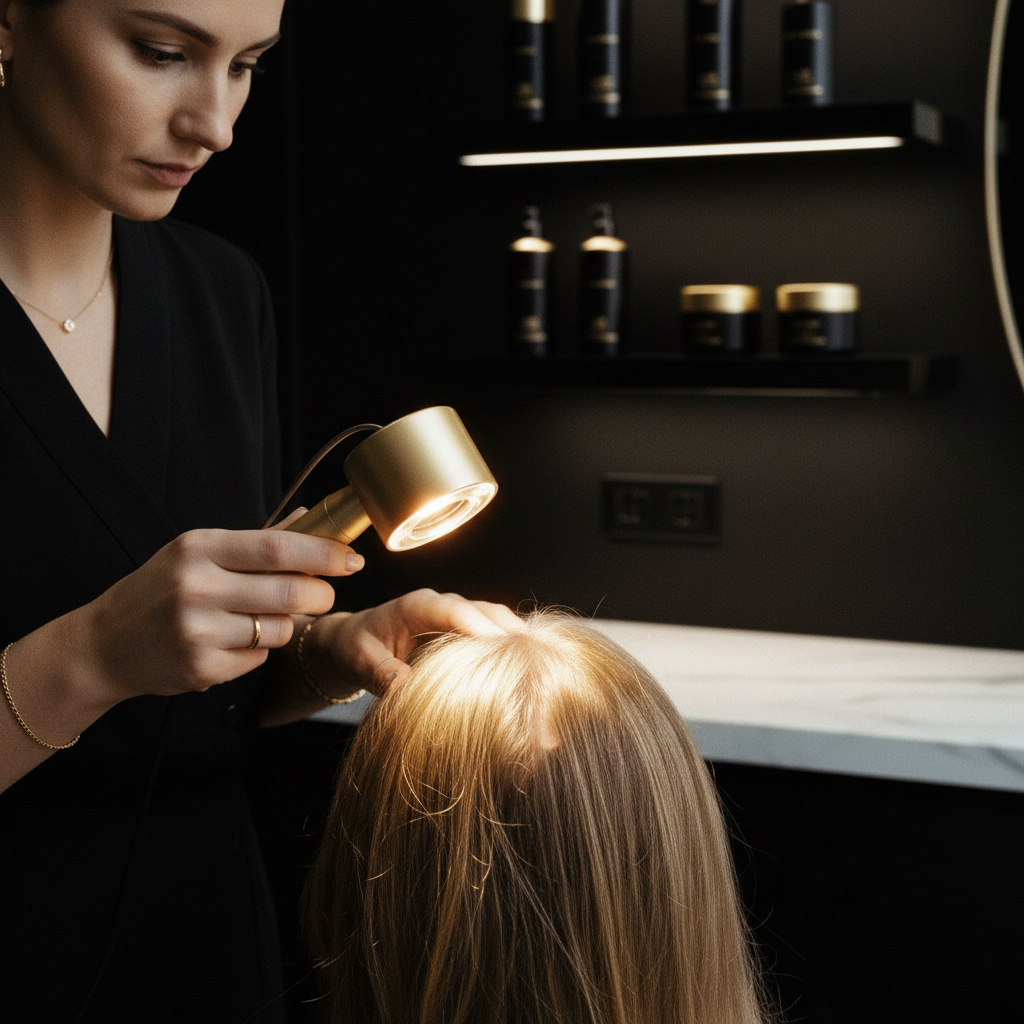
Quick answer: Hair Loss Diagnosis is the systematic process of identifying the specific type and underlying causes of hair loss or shedding, which can range from genetic predispositions to nutritional deficiencies or medical conditions. This diagnostic journey typically involves a detailed review of your medical history, a physical examination of your scalp and hair, and potentially various laboratory tests. The effectiveness of any treatment relies heavily on an accurate diagnosis, highlighting the importance of professional assessment for complex cases.
Key takeaways
- Hair Loss Diagnosis pinpoints the specific cause of hair shedding or thinning, which is essential for effective management.
- It involves a comprehensive approach, including medical history, physical examination, and sometimes specialised tests like blood work or a scalp biopsy.
- Different types of hair loss, such as androgenetic alopecia, telogen effluvium, and alopecia areata, have distinct diagnostic markers.
- Early and accurate diagnosis can significantly improve outcomes, especially for conditions that might cause irreversible follicular damage.
- Consulting a healthcare professional, such as a dermatologist or trichologist, is crucial for an accurate Hair Loss Diagnosis.
- Distinguishing between hair loss (follicular issues), hair shedding (cyclical hair release), and hair breakage (fibre damage) is fundamental to diagnosis.
Hair Loss Diagnosis: what the evidence shows
Hair loss, medically termed alopecia, and excessive hair shedding are common concerns that can significantly impact an individual's well-being. Understanding the precise cause is the cornerstone of effective management, and this is where Hair Loss Diagnosis plays a critical role. It is a multi-faceted process designed to differentiate between the various conditions that lead to reduced hair density or noticeable hair thinning.
Evidence-based medicine underscores the necessity of a thorough diagnostic approach. The process typically begins with a detailed medical history and a physical examination, which provides initial clues. Further investigation, often involving laboratory tests, helps to confirm a diagnosis or rule out other conditions. For instance, according to the American Academy of Dermatology Association, a dermatologist will often look at a patient's family history, lifestyle, and conduct a scalp examination before ordering blood tests.
It's vital to distinguish between true hair loss, where the hair follicle stops producing hair, hair shedding, which is a normal part of the hair growth cycle but can become excessive, and hair breakage, which refers to the physical snapping of the hair shaft. Hair Loss Diagnosis primarily focuses on the former two, as breakage is a cosmetic issue related to hair fibre health rather than follicular function.
The diagnostic journey: from history to histology
When you visit a healthcare professional for concerns about your hair, the Hair Loss Diagnosis process typically unfolds through several stages:
1. Medical history and lifestyle assessment
Your healthcare provider will conduct a detailed interview to gather crucial information. This includes:
- Onset and Pattern: When you first noticed the change, whether it was sudden or gradual, and the pattern of thinning (e.g., diffuse, localised patches, receding hairline, widening part). This helps differentiate conditions like telogen effluvium (often sudden, diffuse shedding) from androgenetic alopecia (gradual, patterned thinning).
- Family History: A strong family history of hair loss, particularly patterned baldness, can indicate a genetic predisposition, common in androgenetic alopecia. This is a key indicator for this inherited condition, as highlighted by numerous dermatological studies (e.g., studies published in the Journal of the American Academy of Dermatology).
- Medical Conditions: Any current or past illnesses, including autoimmune disorders (e.g., lupus, thyroid disease), diabetes, recent surgeries, or significant infections. These can all be triggers for conditions like telogen effluvium or be directly associated with specific types of alopecia, such as alopecia areata.
- Medications: A comprehensive list of all prescription and over-the-counter drugs, as many medications can cause hair shedding as a side effect (e.g., anticoagulants, beta-blockers, chemotherapy agents). The onset of shedding often correlates with the initiation of a new medication.
- Diet and Nutrition: Information on dietary habits, weight changes, and any restrictive diets. Nutritional deficiencies, particularly iron, zinc, and vitamin D, are well-documented contributors to hair shedding and can be identified during Hair Loss Diagnosis (e.g., research published in Dermatology Practical & Conceptual).
- Lifestyle Factors: Major life stressors, recent emotional trauma, sleep patterns, and hair care routines (e.g., frequent heat styling, tight hairstyles which can cause traction alopecia). You can find more information on protective styling in our article 'Protective Styling: A Comprehensive Guide'.
- Hormonal Changes (for women): Questions about menstrual cycles, pregnancies, childbirth, menopause, and the use of hormonal contraception or hormone replacement therapy. Hormonal fluctuations can significantly impact the hair growth cycle.
2. Physical examination of the scalp and hair
A thorough visual and manual examination is a cornerstone of Hair Loss Diagnosis. The practitioner will assess:
- Scalp Condition: Looking for signs of inflammation, redness, scaling, pustules, scarring (cicatricial alopecia), or other dermatological conditions (e.g., seborrhoeic dermatitis, psoriasis). These observations help narrow down potential causes.
- Hair Quality and Distribution: Analysing the hair shafts for signs of breakage (e.g.
Find these ingredients in Watermans products
- Zinc: you will find this ingredient in our Hair Vitamins.