Alopecia Areata: Understanding This Autoimmune Hair Loss Condition
11 min read ·
Alopecia Areata is an autoimmune condition where the immune system mistakenly attacks hair follicles, leading to unpredictable hair loss.
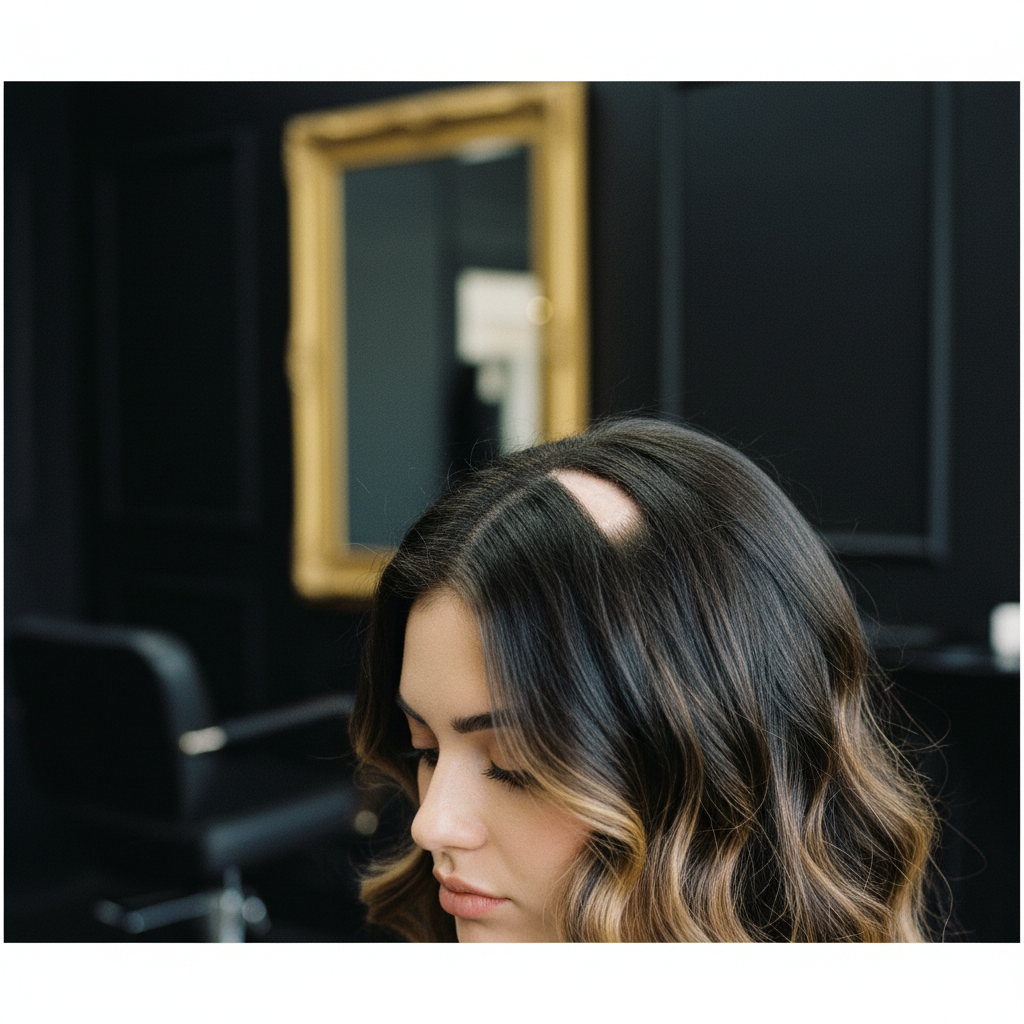
Quick answer: Alopecia Areata is an autoimmune condition causing unpredictable hair loss when the body's immune system attacks its own hair follicles. This can result in bald patches on the scalp or body. It is not contagious and its severity varies greatly, with some experiencing temporary, small patches and others facing more extensive or permanent hair loss. While there is no cure, various treatments can help manage the condition and stimulate hair regrowth, though results are not guaranteed and recurrence is common.
Key takeaways
- Alopecia Areata is an autoimmune condition where the immune system targets hair follicles, leading to hair loss.
- It can manifest as small, patchy bald spots, or in more severe forms, complete loss of scalp or body hair.
- Genetics play a significant role, but triggers like stress or illness might influence its onset in predisposed individuals.
- Diagnosis typically involves visual examination by a healthcare professional, sometimes supported by dermoscopy or biopsy.
- Hair regrowth is unpredictable; it can happen spontaneously but may also recur or progress.
- Treatment focuses on suppressing the immune response and stimulating regrowth, but no definitive cure exists.
Alopecia Areata: What the Evidence Shows
Alopecia Areata is an autoimmune disorder characterised by non-scarring hair loss that can affect any hair-bearing area of the body, though the scalp is most commonly impacted. In this condition, the body's immune system, which normally protects against foreign invaders, mistakenly identifies healthy hair follicles as a threat and attacks them. This attack disrupts the normal hair growth cycle, leading to hair shedding and preventing new hair from growing. The condition is not contagious, nor is it a result of poor hygiene or diet, although nutritional deficiencies can contribute to other forms of hair shedding (telogen effluvium) or hair breakage.
Research indicates that Alopecia Areata affects approximately 2% of the global population at some point in their lives, impacting individuals of all ages, genders, and ethnic backgrounds. The onset can be sudden, with hair loss often appearing in distinctive, round or oval patches. While these patches can sometimes regress spontaneously, the course of Alopecia Areata is largely unpredictable, making treatment and prognosis challenging.
The Mechanism of Hair Loss in Alopecia Areata
The fundamental mechanism behind Alopecia Areata involves an immune response targeting the hair follicles. Specifically, T-cells, a type of white blood cell, infiltrate the anagen (active growth) phase hair follicles. This immune cell accumulation around the hair bulb leads to an "immune privilege collapse" where the follicle's natural protective mechanisms against immune attack fail. The inflammation damages the hair follicle, causing premature cessation of the anagen phase and leading to the hair shaft falling out. The follicle itself is not destroyed, which explains why spontaneous regrowth can occur. However, repeated attacks can lead to chronic inflammation and further impair hair production.
Genetic predisposition is a significant factor in Alopecia Areata. Studies have identified specific genes, particularly those related to the immune system (such as HLA genes), that increase an individual's susceptibility. While genetic factors load the gun, environmental triggers are thought to pull the trigger. These triggers are not fully understood but may include significant psychological stress, viral infections, or certain medications. It's important to differentiate this from hair breakage, which occurs when the hair fibre itself snaps, often due to physical or chemical damage. Alopecia Areata is a disorder of the follicle, not the hair shaft.
Types and Presentation of Alopecia Areata
The presentation of Alopecia Areata can vary widely, from small, isolated patches to complete hair loss. These variations are often classified to describe the extent of involvement:
- Patchy Alopecia Areata: This is the most common form, characterised by one or more coin-sized, smooth, non-scarring bald patches on the scalp. Hair can also be lost from the beard, eyebrows, or other body areas.
- Alopecia Totalis: This form involves the complete loss of all hair on the scalp.
- Alopecia Universalis: The most severe form, resulting in the complete loss of all hair on the scalp and body, including eyebrows, eyelashes, and all body hair.
- Ophiasis: This refers to a specific pattern of hair loss that affects the periphery of the scalp, typically in a band-like shape around the sides and back.
- Sisaipho (Ophiasis inversus): A less common pattern where hair loss affects the central scalp, sparing the peripheral areas.
It's worth knowing that these classifications describe the extent of hair loss, and an individual's condition can progress from one type to another. For example, patchy Alopecia Areata can evolve into Alopecia Totalis or Universalis, or it can spontaneously resolve.
Signs and Diagnosis of Alopecia Areata
The primary sign of Alopecia Areata is the sudden appearance of smooth, non-scarring bald patches. The skin in these areas typically appears normal, without redness, scaling, or inflammation, distinguishing it from other scalp conditions like fungal infections (tinea capitis) or seborrheic dermatitis (dandruff). Before hair loss occurs, some individuals may experience a mild itching or tingling sensation in the affected area.
Key visual indicators that can aid diagnosis include:
- Exclamation mark hairs: These are short, broken hairs that become narrower closer to the scalp, often found at the edges of a bald patch. They signify active inflammation and indicate where the follicle has been attacked.
- Pitted or ridged nails: While less common, about 10 to 50% of people with Alopecia Areata may exhibit nail changes. These can include fine pitting, trachyonychia (roughening or dulling), longitudinal ridging, or thinning of the nail plate. These changes reflect the autoimmune process affecting keratin production in both hair follicles and nail matrices.
Diagnosis is primarily clinical, meaning a healthcare professional, such as a dermatologist, will assess the signs and symptoms. A dermatoscope (a handheld magnifying device) can be used to examine the scalp and hair follicles more closely, revealing characteristic patterns like yellow dots (empty follicles), black dots (hair shafts broken at the scalp surface), and exclamation mark hairs. In ambiguous cases, a scalp biopsy may be performed to confirm the diagnosis and rule out other causes of hair loss or shedding. Blood tests are sometimes conducted to check for associated autoimmune conditions, such as thyroid disorders, as these can co-exist with Alopecia Areata.
Differentiating Alopecia Areata from Other Hair Conditions
It's important to distinguish Alopecia Areata from other conditions that cause hair loss or shedding. The following table highlights key differences:
| Feature | Alopecia Areata | Telogen Effluvium | Hair Breakage |
|---|---|---|---|
| Cause | Autoimmune attack on hair follicles | Stress, illness, medication, nutritional deficiencies | Physical or chemical damage to hair fibre |
| Appearance | Smooth, round/oval bald patches; exclamation hairs | Generalised thinning, especially at part line | Frayed, split ends; short, uneven hairs along shaft |
| Scalp Condition | Usually normal; no inflammation or scarring | Often normal; sometimes increased shedding during wash | Normal, unless underlying scalp condition is present |
| Hair Texture | Regrown hair can be fine, white; may return to normal | Normal hair texture, but more sheds | Dry, brittle, rough hair texture |
| Hair Loss Pattern | Distinct patches; can progress to total/universal | Diffuse hair shedding over entire scalp | Random, uneven snapping of hair fibres |
Understanding these distinctions is crucial for correct diagnosis and appropriate management. For instance, addressing hair breakage might involve optimising your use of hair conditioners or practising Heat Styling Safety Best Practices, while telogen effluvium often resolves once the underlying trigger is removed.
What You Can Do: Management and Treatment Options
While there is currently no definitive cure for Alopecia Areata, various treatments aim to suppress the immune response and stimulate hair regrowth. The choice of treatment often depends on the extent of hair loss, the patient's age, and previous responses to therapy. It's important to have realistic expectations, as treatments do not guarantee permanent regrowth and recurrence is common.
Common treatment approaches include:
- Corticosteroids: These are anti-inflammatory drugs that can suppress the immune system. They are often applied topically (creams, lotions), injected directly into the bald patches, or taken orally for more widespread cases. Intralesional corticosteroid injections are often considered a first-line treatment for patchy Alopecia Areata.
- Topical Immunotherapy: For extensive or stubborn cases, topical sensitizers like diphencyprone (DPCP) can be applied to the scalp to induce an allergic contact dermatitis. This distracts the immune system, diverting its attention from the hair follicles.
- Minoxidil: While not directly treating the autoimmune cause, topical minoxidil can stimulate hair growth and is often used alongside other treatments, particularly for regrowing hair once inflammation is controlled.
- JAK Inhibitors: These are newer oral medications that target specific pathways involved in the immune response that attacks hair follicles. They have shown promise for more severe forms of Alopecia Areata but come with potential side effects and are typically prescribed by specialists.
Alongside medical treatments, some individuals find supportive measures helpful. For those experiencing visible hair loss, wearing wigs, hairpieces, or scarves can help manage the cosmetic impact. Psychological support, such as counselling or joining support groups, is often beneficial as living with Alopecia Areata can have a significant emotional and psychological toll. Learning about healthy hair care practices, such as choosing the Right Shampoo and understanding Hair Hydration, can also contribute to overall scalp health.
When to Seek Professional Advice
If you notice sudden, patchy hair loss, particularly if it forms smooth, round patches, it's important to consult a healthcare professional. This could be your general practitioner or, ideally, a dermatologist. Early diagnosis of Alopecia Areata can help determine the most appropriate course of action and rule out other potential causes of hair loss. A professional can provide an accurate diagnosis, discuss the various treatment options available, and offer guidance on managing the condition. They can also assess for any co-existing autoimmune conditions. Do not self-diagnose or rely solely on internet information for managing a condition as complex as Alopecia Areata.
Frequently asked questions about Alopecia Areata
Is Alopecia Areata permanent?
The permanence of Alopecia Areata is highly variable. Hair often regrows spontaneously in patchy forms, sometimes within months. However, hair loss can recur, and in some individuals, particularly those with Alopecia Totalis or Universalis, the hair loss can be permanent. The unpredictable nature is a key characteristic of the condition.
Can stress cause Alopecia Areata?
While stress is not considered a direct cause of Alopecia Areata, it is frequently cited as a potential trigger or exacerbating factor in genetically predisposed individuals. Significant physical or emotional stress can sometimes precede an episode of hair loss or contribute to its severity, although the exact mechanism linking stress to the immune attack on follicles is still being researched.
Does Alopecia Areata affect other body parts?
Yes, Alopecia Areata can affect any hair-bearing area of the body, not just the scalp. This includes eyebrows, eyelashes, facial hair (like beards), and body hair. In its most severe form, Alopecia Universalis, there is complete loss of all hair on the entire body, which can have significant implications for protection and sensation.
Is there a cure for Alopecia Areata?
Currently, there is no definitive cure for Alopecia Areata. Treatments aim to suppress the immune system's attack on hair follicles and stimulate regrowth. While many people experience hair regrowth with or without treatment, the condition can be chronic, with periods of remission and recurrence. Research into new and more effective treatments is ongoing.
What is the difference between Alopecia Areata and Anagen Effluvium?
Alopecia Areata is an autoimmune condition causing patchy hair loss by attacking follicles in the growth phase, leading to smooth bald spots. Anagen Effluvium, conversely, is a sudden, widespread shedding of hair during the anagen phase, typically caused by chemotherapy, radiation, or certain toxins, leading to diffuse hair thinning rather than distinct patches. You can learn more about Anagen Effluvium in its dedicated article.
Understanding and Living with Alopecia Areata
Alopecia Areata is a complex autoimmune condition impacting the hair follicles, leading to unpredictable hair loss. While it presents significant challenges for those affected, especially given its variable course and lack of a definitive cure, ongoing research continues to improve our understanding and treatment options. For individuals experiencing Alopecia Areata, consulting with healthcare professionals, exploring evidence-based treatments, and seeking psychological support are crucial steps in managing the condition and navigating its impact on daily life. Maintaining a healthy scalp environment with gentle care, as discussed in topics like Understanding Scalp Health, can also be a supportive measure alongside medical interventions.
Where Watermans fits
Watermans products are formulated to support healthy hair growth and scalp conditions, making them suitable for use alongside medical treatments for various hair concerns. While Watermans products do not treat or cure medical conditions like Alopecia Areata, they are designed to provide an optimal environment for hair that can grow, addressing common cosmetic concerns such as fuller-looking hair, stronger-feeling hair, and reduced breakage. For example, Watermans Grow Me Hair Growth Shampoo contains hydrolysed lupin protein, which has been shown in some studies to support the hair growth cycle. This can be beneficial for individuals experiencing regrowth after an Alopecia Areata episode, by supporting the new hair. For concerns like hair breakage, which is distinct from the follicular issue of Alopecia Areata, products like Watermans hair conditioners can help to improve hair fibre strength and resilience, making hair feel stronger and more manageable.
Sources and references
- National Institute of Arthritis and Musculoskeletal and Skin Diseases (NIAMS), National Institutes of Health. "Alopecia Areata: Questions and Answers." 2022. URL: www.niams.nih.gov/health-topics/alopecia-areata
- British Association of Dermatologists. "Alopecia Areata." 2023. URL: www.bad.org.uk/pils/alopecia-areata/
- Journal of the American Academy of Dermatology. "Alopecia areata: An update on epidemiology, pathogenesis, and treatment." Volume 88, Issue 1, 2023. DOI: 10.1016/j.jaad.2022.08.053
- PubMed. "Clinical features and diagnosis of alopecia areata." Accessed 2023. URL: pubmed.ncbi.nlm.nih.gov/32312521/