Hair Hydration: Maintaining Moisture Balance for Healthy Hair
4 min read ·
Maintaining optimal hair hydration involves understanding the hair's structure, factors that lead to moisture loss, and effective strategies for replenishment and retention.
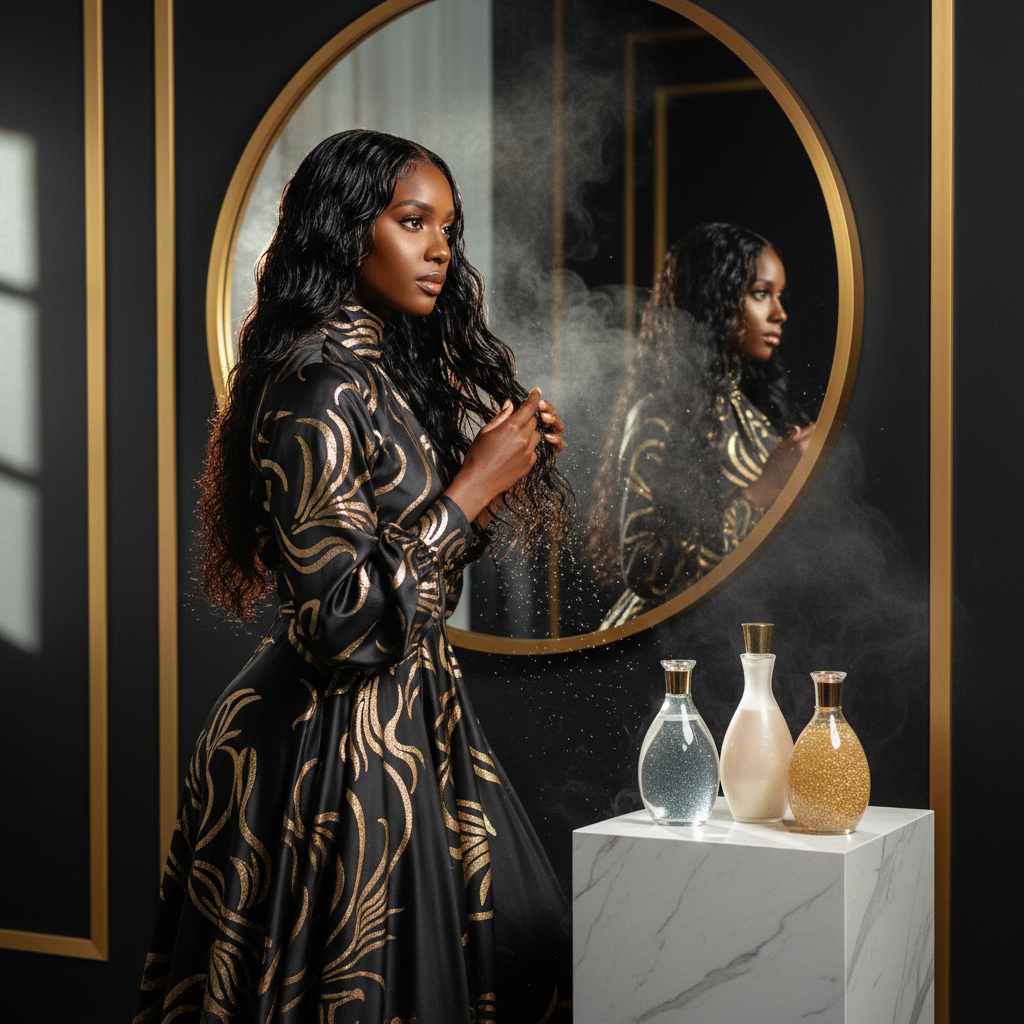
Hair Hydration: Understanding and Maintaining Moisture Balance
Hydration is fundamental to hair health, influencing its elasticity, strength, and appearance. When hair is adequately hydrated, it is supple, less prone to breakage, and has a natural sheen. Conversely, dehydrated hair can become brittle, dull, and susceptible to damage.
The Role of Water in Hair Structure
The hair shaft, primarily composed of a protein called keratin, naturally contains water. This water content is crucial for the hair's internal structure, particularly the cuticle, which is the outermost layer of the hair. A healthy cuticle lies flat, sealing in moisture and reflecting light, contributing to shine. When hair lacks sufficient moisture, the cuticle can become raised or damaged, leading to a rough texture and increased porosity.
Factors Contributing to Moisture Loss
Several environmental, chemical, and mechanical factors can deplete hair's natural moisture:
- Environmental Exposure: Sun exposure, dry climates, and harsh winds can strip moisture from the hair. Humidity, while sometimes perceived as hydrating, can also cause the hair cuticle to swell and potentially lose moisture over time through evaporation.
- Heat Styling: Frequent use of heat styling tools like flat irons, curling irons, and blow dryers at high temperatures can evaporate water from the hair shaft, leading to dryness and damage.
- Chemical Treatments: Processes such as colouring, bleaching, perms, and chemical straightening alter the hair's structure, often compromising the cuticle and cortex, making it more difficult for hair to retain moisture.
- Improper Cleansing: Shampoos containing harsh sulfates can sometimes over-cleanse the hair and scalp, removing natural oils (sebum) that provide a protective barrier and help retain moisture.
- Mechanical Damage: Vigorous brushing, tight hairstyles, and friction from fabrics can cause cuticle damage, facilitating moisture loss.
- Genetics and Hair Type: Some hair types, such as curly or coily hair, tend to be naturally drier due to their structure, which makes it harder for natural oils to travel down the hair shaft.
Signs of Dehydrated Hair
Recognizing the signs of dehydration is the first step toward restoring moisture:
- Dullness: Lack of shine due to a raised cuticle that doesn't reflect light effectively.
- Brittleness and Breakage: Hair feels rigid and snaps easily when stretched.
- Rough Texture: Hair feels coarse and dry to the touch.
- Frizz: Dehydrated hair will try to pull moisture from the air, causing the cuticle to lift and hair to frizz.
- Lack of Elasticity: Healthy hair should stretch slightly when wet and return to its original length. Dehydrated hair will snap instead.
Strategies for Enhancing and Retaining Hair Hydration
Maintaining a healthy moisture balance requires a multi-faceted approach, incorporating proper care routines and product choices.
Cleansing Wisely
Opt for gentle, hydrating shampoos that cleanse without stripping natural oils. Look for formulations designed to support moisture retention. The frequency of shampooing should also be adjusted based on hair type and lifestyle, as over-shampooing can lead to dryness.
Conditioning for Moisture
Conditioners are essential for replenishing moisture after shampooing. They typically contain humectants, emollients, and occlusives.
- Humectants: Ingredients like glycerin and hyaluronic acid attract moisture from the air into the hair.
- Emollients: Such as fatty alcohols and plant oils, smooth the cuticle and add softness.
- Occlusives: Ingredients like silicones or certain oils form a protective barrier on the hair surface, preventing moisture loss.
Deep Conditioning and Hair Masks
Integrate deep conditioning treatments or hair masks into your routine weekly or bi-weekly. These products are more concentrated than regular conditioners and provide an intensive dose of hydration and nourishment, helping to repair damage and improve moisture retention.
Incorporating Leave-In Products
Leave-in conditioners, creams, and oils can provide continuous hydration and protection throughout the day. They help to seal the cuticle, reduce frizz, and shield hair from environmental aggressors. Choose products suitable for your hair type and texture.
Protecting Hair from Heat
When using heat styling tools, always apply a heat protectant spray. These products create a barrier that minimizes heat damage and helps to preserve the hair's internal moisture. Opt for lower heat settings and air-dry hair when possible.
Environmental Protection
Protect your hair from harsh environmental elements. Wear a hat when exposed to strong sun or wind. In very dry conditions, consider using a humidifier in your home.
Diet and Internal Hydration
While topical treatments address the external health of the hair, overall body hydration through ample water intake and a diet rich in essential fatty acids (e.g., omega-3s) can contribute to healthier hair from within. Essential nutrients support the production of natural oils by the scalp.
The pH Balance and Hair Hydration
Understanding the pH scale is relevant to hair hydration. Healthy hair and scalp pH is mildly acidic, typically between 4.5 and 5.5. Products formulated within this range help to keep the hair cuticle flat and sealed, which is crucial for retaining moisture. Products with a high (alkaline) pH can cause the cuticle to swell and open, leading to moisture loss and increased susceptibility to damage.
Conclusion
Optimal hair hydration is not merely about wetting the hair; it's about fostering an environment where hair can effectively absorb, retain, and utilize moisture. By understanding the causes of dehydration and implementing a consistent, mindful hair care routine, individuals can achieve and maintain healthy, resilient, and beautifully hydrated hair." , seo_title=