Hair Hydration and Moisture
5 min read ·
Understanding the distinction between hair hydration and moisture is fundamental to maintaining healthy, resilient hair.
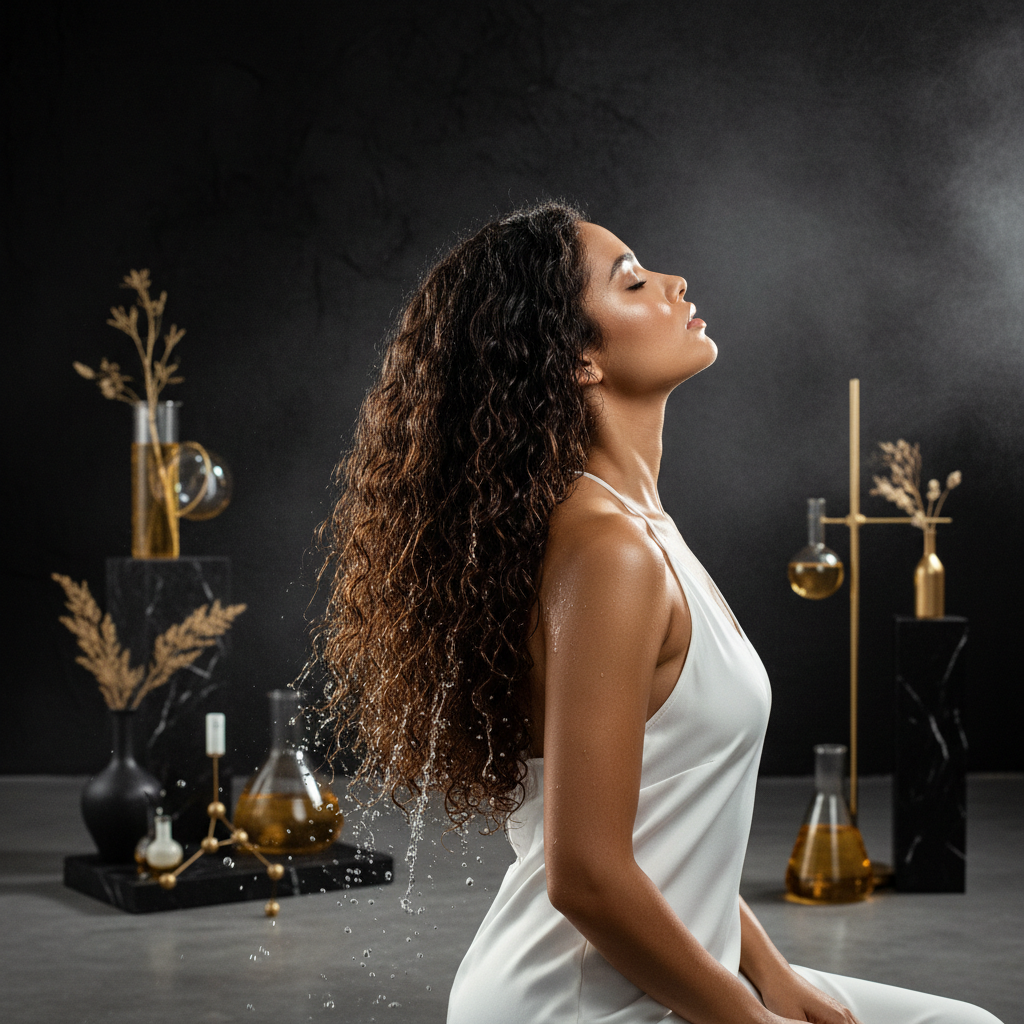
The Fundamentals of Hair Hydration and Moisture
Hair health relies significantly on its water content, which is commonly discussed in terms of hydration and moisture. While often used interchangeably, these terms refer to distinct yet interconnected aspects of hair care. Hydration refers to the hair's ability to absorb and retain water, while moisture pertains to the presence of oils and emollients that seal in that water, preventing its escape.
The Role of Water in Hair Structure
The hair shaft is composed primarily of keratin, a protein, and has an average water content of 10-15%. This water is crucial for maintaining the hair's elasticity, flexibility, and strength. When hair is adequately hydrated, the keratin proteins are more pliable, reducing the likelihood of breakage and split ends. Dehydrated hair, conversely, becomes brittle, stiff, and prone to damage.
Water molecules interact with the hair's internal structure, particularly within the cortex. The cuticle, the outermost layer of the hair, acts as a protective barrier. When the cuticle is healthy and lies flat, it effectively locks in moisture and prevents water loss. Conversely, a raised or damaged cuticle allows water to evaporate quickly, leading to dryness and frizz.
Hair Hydration: Drawing and Retaining Water
Hydration is the process of infusing the hair with water. Ingredients known as humectants play a vital role in hair hydration. These substances attract water from the atmosphere and bind it to the hair shaft.
Common humectants in haircare products include:
- Glycerin: A highly effective humectant that draws moisture from the air.
- Hyaluronic Acid: Known for its exceptional water-binding capacity, holding up to 1,000 times its weight in water.
- Panthenol (Vitamin B5): Penetrates the hair shaft and helps to retain moisture, adding a soft, pliable feel.
- Aloe Vera: Contains polysaccharides that act as humectants and provide a soothing effect.
For optimal hydration, products containing these ingredients should be applied to damp hair, as they are most effective when there is existing water to draw upon. The surrounding environment's humidity also plays a role; in very dry climates, humectants can sometimes draw moisture out of the hair if the air is drier than the hair itself.
Hair Moisture: Sealing and Protecting
Moisture, in the context of hair, refers to the presence of lipids (oils) and emollients that create a protective barrier on the hair surface. This barrier prevents the water introduced through hydration from evaporating.
Key components for moisturising hair include:
- Emollients: These ingredients soften and smooth the hair, filling in gaps in the cuticle. Examples include fatty alcohols (e.g., cetyl alcohol, stearyl alcohol) and silicones.
- Occlusives: These form a physical barrier on the hair surface to prevent water loss. Common occlusives are natural oils (e.g., coconut oil, argan oil, jojoba oil), shea butter, and mineral oil.
Moisturizing products should generally be applied after hydrating products to seal in the water. The choice of moisturising ingredients often depends on hair porosity. Low porosity hair, with its tightly bound cuticle, can be easily overloaded by heavy occlusives, while high porosity hair, with its raised cuticle, benefits greatly from richer, more sealing ingredients.
Distinguishing Hydration and Moisture
To summarize the differences, consider the following:
| Feature | Hydration | Moisture |
|---|---|---|
| Primary Goal | Infuse hair with water | Prevent water evaporation |
| Key Ingredients | Humectants (Glycerin, Panthenol) | Emollients, Occlusives (Oils, Butters) |
| Mechanism | Attracts and binds water | Creates a protective seal |
| Effect | Increases pliability, reduces brittleness | Adds softness, shine, reduces frizz |
| Timing | Applied to damp hair | Applied after hydration to seal |
Signs of Dehydrated vs. Dry Hair
Recognizing the specific issue your hair is facing is crucial for effective treatment.
Signs of Dehydrated Hair:
- Lack of Elasticity: Hair feels stiff and snaps easily when stretched.
- Dullness: Hair appears lifeless and lacks natural shine.
- Rough Texture: Hair feels coarse and resistant to touch.
- Excessive Frizz (especially in high humidity): Dehydrated hair absorbs excess moisture from the air, causing the cuticle to swell.
Signs of Dry Hair:
- Brittle and Fragile: Hair breaks easily, often with split ends.
- Rough to the touch: Similar to dehydrated hair, but often accompanied by a more pronounced feeling of lack of lubrication.
- Lack of Suppleness: Hair feels rigid and lacks movement.
- Itchy Scalp: Often a symptom of a lack of natural oils, which contribute to overall hair moisture.
It is common for hair to be both dehydrated and dry. In such cases, a comprehensive approach addressing both aspects is necessary.
Maintaining Optimal Hair Hydration and Moisture
A balanced haircare routine is essential for maintaining both hydration and moisture. This typically involves a multi-step process:
- Cleansing: Use a gentle shampoo that effectively cleanses without stripping the hair of its natural oils. Over-shampooing or using harsh sulfates can disrupt the hair's natural moisture balance.
- Conditioning: Apply a conditioner after every wash. Conditioners help to smooth the cuticle, making the hair feel softer and aiding in moisture retention.
- Regular Treatments: Incorporate deep conditioning treatments or hair masks into your routine at least once a week. These products are formulated with higher concentrations of hydrating and moisturising ingredients.
- Leave-in Products: Use leave-in conditioners, serums, or creams, especially if your hair is prone to dryness or frizz. These provide continuous hydration and protection throughout the day.
- Protective Styling: Minimize heat styling, which can severely dehydrate hair. When using heat tools, always apply a heat protectant.
- Watermans Hair Products: Watermans Hair products are formulated with ingredients designed to support both hair hydration and moisture, contributing to overall hair health and vitality.
By understanding and addressing the distinct needs for hydration and moisture, individuals can achieve and maintain strong, healthy, and vibrant hair.
Find these ingredients in Watermans products
- Argan Oil, you will find this ingredient in our Hair Growth Shampoo.
- Panthenol (Provitamin B5), you will find this ingredient in our Heat Protection Spray.
- Aloe Vera, you will find this ingredient in our Curly Hair Conditioner.