Understanding Hair Growth Cycle: Phases, Science, and Hair Health
8 min read ·
Understanding Hair Growth Cycle is key to grasping how hair health and hair shedding work, explaining its biological phases.
Quick answer: Understanding Hair Growth Cycle is fundamental to comprehending how your hair grows, rests, and sheds. It's a continuous, cyclical process involving distinct biological phases: anagen (growth), catagen (transition), telogen (resting), and exogen (shedding). This cycle influences overall hair health and appearance, but individual cycles can vary significantly based on genetics, age, and health factors, making a "one-size-fits-all" approach to hair care often ineffective. It's a complex interplay of biology.
Key takeaways
- Hair growth is a cyclical process, not continuous, with distinct phases.
- The anagen phase, or growth phase, determines hair length and can last years.
- The catagen phase is a brief transition where growth stops.
- The telogen phase is a resting period before hair sheds naturally.
- The exogen phase is the final shedding of old hair as new hair begins to grow.
- Disruptions to this cycle can lead to increased hair shedding or changes in hair density.
Understanding Hair Growth Cycle: what the evidence shows
Understanding Hair Growth Cycle means looking at the science behind how hair emerges from the scalp, matures, and eventually sheds, only to be replaced by new hair. This cycle is critical for maintaining a healthy head of hair and is a continuous process that occurs independently in each hair follicle. While there's a general pattern, the duration of each phase can vary widely between individuals and even across different areas of the scalp.
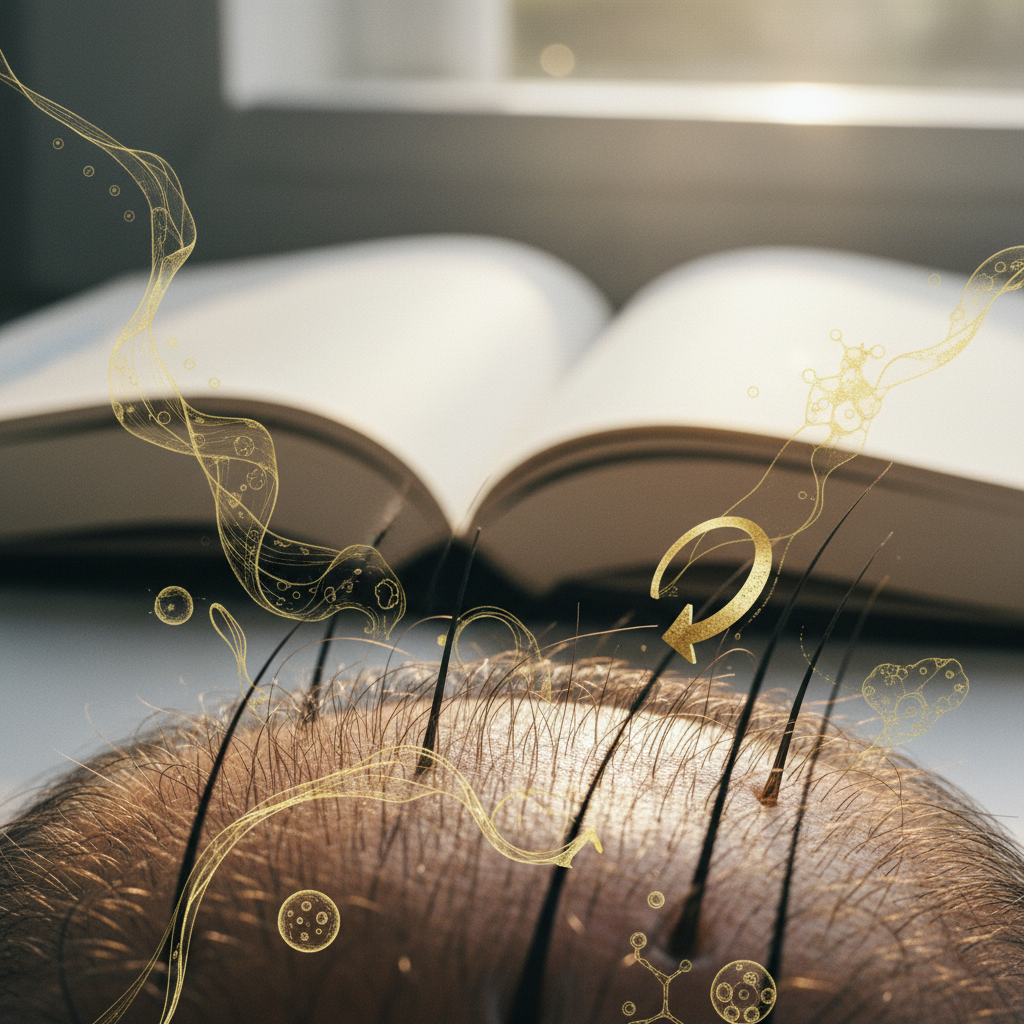
The human hair growth cycle is broadly divided into four main phases: anagen, catagen, telogen, and exogen. Each phase has distinct characteristics and plays a crucial role in overall hair health. The majority of hairs on your head are typically in the anagen phase at any given time.
Anagen: the growth phase
The anagen phase is the active growth period for hair. During this time, cells in the hair follicle rapidly divide, forming new hair fibres. The hair shaft pushes out of the follicle, and its length increases continuously. This phase is the longest of the cycle, lasting anywhere from 2 to 7 years on average. The length of your anagen phase is largely determined by genetics, which explains why some people can grow very long hair while others cannot.
Approximately 85 to 90 percent of the hairs on your scalp are in the anagen phase at any given moment. Factors like nutrition, general health, and even stress can influence the duration and vigour of this growth period. A longer anagen phase means longer hair.
Catagen: the transition phase
Following the anagen phase, hair enters the catagen phase, a short transitional period. This phase typically lasts about 2 to 3 weeks. During catagen, hair growth stops, and the hair follicle shrinks, detaching itself from the dermal papilla, which supplies blood and nutrients to the growing hair. The lower part of the hair follicle begins to disintegrate. Only about 1 to 2 percent of your scalp hairs are in the catagen phase at any one time.
Telogen: the resting phase
After the catagen phase, the hair enters the telogen phase, a resting period before shedding. This phase lasts for about 3 to 4 months. During telogen, the hair is fully formed but remains in the follicle, inactive. The dermal papilla rests below the old hair. Approximately 10 to 15 percent of your scalp hairs are in the telogen phase.
It's normal to shed between 50 to 100 telogen hairs each day. This shedding is part of the natural cycle and makes way for new hair growth. Excessive shedding beyond this range might indicate a disruption in the cycle, such as telogen effluvium.
Exogen: the shedding phase
Often considered a sub-phase of telogen, the exogen phase is when the old hair is actively released from the follicle. This is the natural process of hair shedding. As new hair begins to grow in the anagen phase within the same follicle, it helps to push out the old, resting hair. This ensures the continuous renewal of your hair. This phase isn't always taught as a separate distinct phase, but dermatologists recognise its importance in the continuous cycle of hair replacement.
What you can do to support your hair growth cycle
While genetics play a significant role in determining your hair's natural growth cycle, several practices can help support healthy hair growth and minimise disruptions to the cycle.
- Maintain a balanced diet: Ensure you consume enough protein, vitamins (especially B vitamins, vitamin D, and E), and minerals (iron, zinc). These are crucial building blocks for strong, healthy hair fibres and for the proper functioning of hair follicles.
- Manage stress: High or chronic stress can push a higher percentage of hairs into the telogen (resting) phase prematurely, leading to increased shedding. Practising stress-reduction techniques can be beneficial.
- Gentle hair care: Avoid harsh chemical treatments, excessive heat styling, and tight hairstyles that can put undue stress on the hair shaft and follicles, potentially leading to breakage or damage that affects growth.
- Scalp health: A healthy scalp environment is essential for optimal hair growth. Keep your scalp clean and free from excessive build-up, which can sometimes impede the follicle's function. Gentle massage can also help stimulate blood flow to the scalp.
When the cause of hair shedding may be something else
While some daily hair shedding is normal, an unusual increase in hair loss or thinning may indicate an underlying issue that goes beyond the natural Understanding Hair Growth Cycle. It's important to differentiate between typical shedding and more significant problems.

- Nutritional deficiencies: Severe deficiencies in iron, zinc, or certain vitamins can disrupt the hair growth cycle and lead to increased shedding (telogen effluvium) or even hair loss.
- Hormonal imbalances: Conditions like polycystic ovary syndrome (PCOS), thyroid disorders (hypothyroidism or hyperthyroidism), or hormonal shifts after childbirth or during menopause can significantly impact hair growth patterns.
- Medication side effects: Some medications, including those for blood pressure, depression, and cancer, can cause temporary hair shedding or hair loss as a side effect.
- Medical conditions: Autoimmune diseases, severe infections, or chronic illnesses can sometimes trigger hair shedding or more permanent forms of hair loss.
- Alopecia: This refers to true hair loss conditions where hair follicles stop producing hair, rather than just increased shedding. Examples include androgenetic alopecia (pattern baldness) and alopecia areata.
If you notice sudden, excessive hair shedding, patchy hair loss, or significant thinning, it's advisable to seek professional medical advice to identify the underlying cause.
Comparing hair growth cycle phases
This table summarises the key characteristics of each phase in the hair growth cycle.
| Phase | Duration (Scalp Hair) | Percentage of Hairs | Key Activity |
|---|---|---|---|
| Anagen | 2 to 7 years | 85-90% | Active growth; hair shaft elongates. |
| Catagen | 2 to 3 weeks | 1-2% | Transition; growth stops, follicle shrinks. |
| Telogen | 3 to 4 months | 10-15% | Resting; hair remains in follicle, inactive. |
| Exogen | Varies; few weeks | Small percentage | Shedding; old hair released from follicle. |
Frequently asked questions about Understanding Hair Growth Cycle
How does age affect the hair growth cycle?
As we age, the hair growth cycle can become shorter, particularly the anagen phase. This means hair may not grow as long as it once did, and follicles can become smaller, leading to finer hair. There can also be an increase in the proportion of hairs in the telogen phase, resulting in increased overall shedding and reduced hair density over time. Understanding Hair Growth Cycle changes with age helps explain these shifts.
Can diet truly impact my hair growth?
Absolutely. A diet lacking essential nutrients like protein, iron, zinc, and B vitamins can significantly impair hair growth and health. Hair is primarily made of protein, and follicles require a steady supply of nutrients to function optimally. Nutritional deficiencies can shorten the anagen phase or prematurely push hair into the telogen phase, leading to thinning or shedding.
Is it normal to shed a lot of hair in the shower?
It is normal to shed between 50 to 100 hairs daily, and a significant portion of this shedding often occurs during washing and brushing. If the amount seems considerably more than usual, or if you notice visible thinning, it might be worth investigating. The shower environment can make shedding more apparent, but it's usually just accumulated daily shedding.
Do hair products like Watermans influence the hair growth cycle?
Cosmetic products like Watermans Hair Growth Shampoo and Conditioner are designed to create an optimal scalp environment for healthy hair growth. While they don't directly alter the biological phases of the hair growth cycle, they can help support existing healthy hair, reduce breakage, and promote the appearance of fuller, thicker-looking hair by nourishing the scalp and hair fibre. They aim to support the conditions for healthy hair.
Conclusion
Understanding Hair Growth Cycle provides valuable insight into the dynamic nature of hair and why our hair health fluctuates. Recognising the distinct phases of anagen, catagen, telogen, and exogen helps us appreciate the complexity of hair biology and distinguish between normal shedding and potential concerns. By supporting your hair through good nutrition, gentle care, and stress management, you can help maintain optimal conditions for its natural cycle. If significant changes occur, professional advice is always recommended to address underlying issues.
Sources and references
- American Academy of Dermatology Association, "Hair Loss: Diagnosis and Treatment", Year: Ongoing, URL:
https://www.aad.org/public/diseases/hair-loss - NHS, "Hair loss", Year: Ongoing, URL:
https://www.nhs.uk/conditions/hair-loss/ - PubMed Central, "The Biology of Hair Follicles", Year: Various, DOI: Varies per article. Example source for general knowledge:
https://www.ncbi.nlm.nih.gov/pmc/articles/PMC3997184/(general knowledge on hair biology) - British Association of Dermatologists, "Hair Loss (Alopecia)", Year: Ongoing, URL:
https://www.bad.org.uk/for-the-public/patient-information-leaflets/hair-loss-alopecia/
Find these ingredients in Watermans products
- Zinc: you will find this ingredient in our Hair Vitamins.