The Hair Growth Cycle: An In-Depth Explanation
4 min read ·
Learn the four distinct phases of the hair growth cycle: anagen, catagen, telogen, and exogen, and what influences each stage.
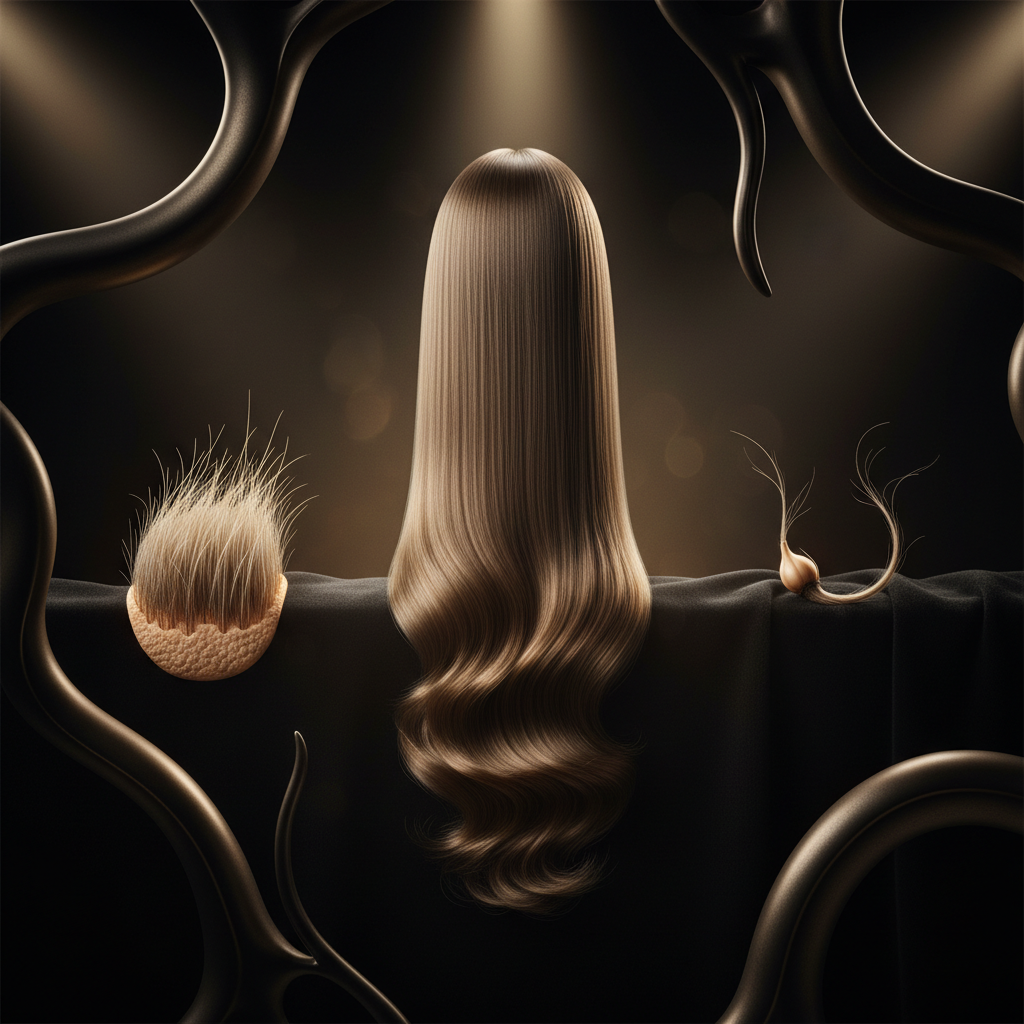
Understanding the Hair Growth Cycle
All hair, whether on the scalp or elsewhere on the body, follows a continuous cycle of growth, regression, rest, and shedding. This process, known as the hair growth cycle, is fundamental to understanding hair health, hair loss, and the effectiveness of various hair treatments. Each hair follicle operates independently, meaning that at any given time, different hairs on your head will be in different phases of the cycle.
The Four Phases of Hair Growth
The hair growth cycle is divided into four primary phases:
-
Anagen (Growing Phase): This is the active growth phase of a hair follicle, lasting anywhere from two to seven years, though individual variations exist. During anagen, hair cells in the follicle rapidly divide, forming new hair strands. The longer a hair remains in the anagen phase, the longer it can potentially grow. Approximately 85-90% of the hairs on a healthy scalp are typically in the anagen phase at any given moment.
-
Catagen (Transition Phase): The catagen phase is a short transitional stage, lasting about two to three weeks. During this period, the hair follicle shrinks, detaches from the dermal papilla (the blood supply that nourishes the growing hair), and hair growth stops. This phase marks the end of active hair production and the beginning of a resting period.
-
Telogen (Resting Phase): Following the catagen phase, the hair enters the telogen phase, a resting period that typically lasts around three to four months. During telogen, the old hair is fully formed but remains in the follicle, secured by a club-shaped base. New hair begins to form in the same follicle beneath the resting hair. Approximately 10-15% of scalp hairs are in the telogen phase.
-
Exogen (Shedding Phase): The exogen phase is often considered an extension of the telogen phase, specifically referring to the shedding of the old hair. This is when the new hair growing in the follicle pushes out the old, club hair. It's normal to shed 50-100 hairs per day as part of this natural renewal process. Excessive shedding can indicate an issue within the hair growth cycle.
Factors Influencing the Hair Growth Cycle
Several factors can influence the duration and health of each phase of the hair growth cycle:
- Genetics: Individual genetic predispositions largely determine the length of the anagen phase, which explains differences in ultimate hair length among individuals.
- Age: As we age, the anagen phase tends to shorten, leading to finer, shorter hairs and potentially a decrease in overall hair density.
- Nutrition: A balanced diet rich in essential vitamins, minerals, and proteins is crucial for healthy hair growth. Deficiencies can disrupt the cycle, leading to thinning or excessive shedding.
- Hormones: Hormonal fluctuations, such as those during pregnancy, childbirth, menopause, or due to thyroid conditions, can significantly impact the hair growth cycle. Androgens, in particular, play a role in pattern hair loss.
- Stress: Both acute and chronic stress can push a higher percentage of hairs prematurely into the telogen phase, leading to increased shedding known as telogen effluvium.
- Medical Conditions and Medications: Certain illnesses and medications can interfere with the normal hair growth cycle, causing hair loss or changes in hair texture.
- Scalp Health: A healthy scalp environment is fundamental. Conditions like inflammation, infections, or excessive product buildup can impede follicle function.
Disruptions to the Cycle and Their Manifestations
Disruptions to the hair growth cycle can lead to various forms of hair loss or thinning:
| Disruption Type | Description | Example Condition |
|---|---|---|
| Shortened Anagen | Hair prematurely stops growing, resulting in shorter, finer strands. | Androgenetic Alopecia (Pattern Hair Loss) |
| Prolonged Telogen | A higher proportion of hairs remain in the resting phase, leading to increased shedding weeks or months later. | Telogen Effluvium (Stress-induced shedding) |
| Follicle Miniaturization | Hair follicles progressively shrink, producing finer, shorter, and less pigmented hairs over time. | Androgenetic Alopecia, often hereditary |
Understanding these mechanisms is key to identifying potential causes of hair issues and exploring appropriate support strategies. For instance, products designed to support hair growth often aim to extend the anagen phase, nourish the follicle, and create an optimal environment for healthy hair production. Watermans Haircare products are formulated with ingredients that work to support these natural processes.
Where Watermans fits
If you want a routine built around the science above, these are the products from the range that apply here: