Understanding Hair Follicles
5 min read ·
The hair follicle is a complex mini-organ responsible for hair growth, pigmentation, and even nerve sensation, playing a crucial role in overall hair health.
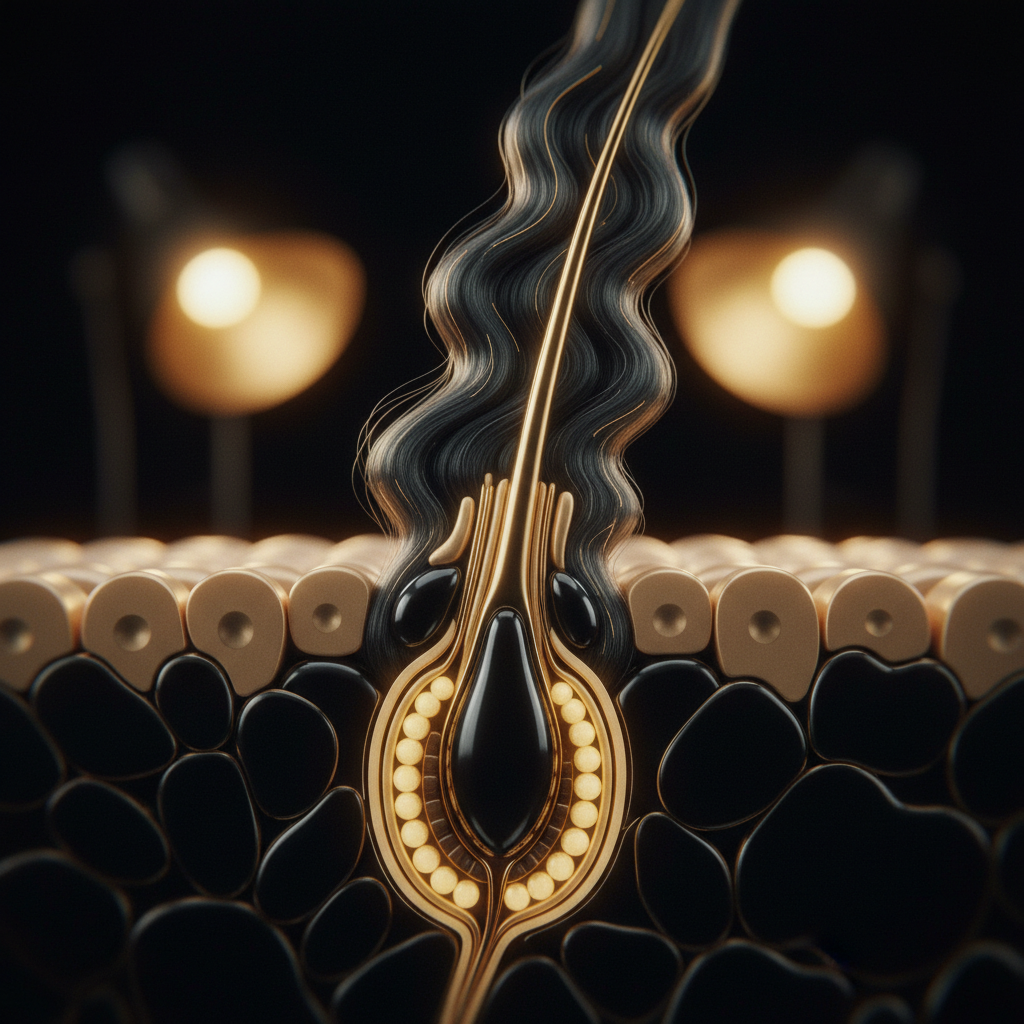
What is a Hair Follicle?
At its core, a hair follicle is a tunnel-shaped structure in the epidermis (outer layer) of the skin that extends down into the dermis (inner layer). Hair follicles are unique mini-organs found all over the body, with the notable exceptions of the palms of the hands and soles of the feet. Each follicle is responsible for producing a single strand of hair. The health and function of these follicles directly impact the strength, growth, and appearance of your hair.
Anatomy of a Hair Follicle
To understand how hair grows and how to best care for it, it's essential to know the different components of a hair follicle:
- Hair Bulb: This is the base of the hair follicle. It houses vital structures and is where hair growth originates.
- Dermal Papilla: Located within the hair bulb, the dermal papilla is a small, cone-shaped indentation rich in blood vessels. These vessels supply nutrients and oxygen to the growing hair, making it a critical component for hair health and growth.
- Hair Matrix: Surrounding the dermal papilla, the hair matrix contains rapidly dividing cells that produce the hair shaft. These cells push upward and keratinize (harden and become functional hair).
- Outer Root Sheath (ORS): This protective layer surrounds the hair shaft and extends from the epidermis down to the hair bulb. It plays a role in guiding hair growth.
- Inner Root Sheath (IRS): Found between the ORS and the hair shaft, the IRS molds and protects the growing hair. It eventually disintegrates before the hair emerges from the scalp.
- Sebaceous Gland: Attached to the hair follicle, these glands produce sebum, a natural oil that lubricates the hair and skin, keeping them moisturized and protected.
- Arrector Pili Muscle: A tiny muscle attached to the hair follicle. When it contracts, it makes the hair stand upright, commonly known as "goosebumps."
- Nerve Endings: Hair follicles are richly supplied with nerve endings, making them sensitive to touch and contributing to our sense of an environment.
The Hair Growth Cycle
Hair growth is not continuous but occurs in a cyclical pattern within the follicle. Each cycle consists of three main phases:
- Anagen (Growing Phase): This is the active growth phase, during which hair cells rapidly divide, and the hair shaft lengthens. The duration of the anagen phase varies depending on the body location and genetics, but for scalp hair, it typically lasts between 2 to 7 years. Approximately 85-90% of your hair is in this phase at any given time.
- Catagen (Transition Phase): A short transitional phase lasting about 2-3 weeks. During this time, hair growth stops, the follicle shrinks, and the dermal papilla detaches from the hair bulb. Only about 1% of hairs are in this phase.
- Telogen (Resting Phase): This phase lasts for approximately 2-4 months. The hair remains in the follicle but is no longer growing. At the end of the telogen phase, the old hair sheds, and a new hair begins to grow from the same follicle, initiating a new anagen phase. Around 10-15% of your hair is generally in the telogen phase.
A fourth phase, Exogen, is sometimes discussed as a sub-phase of Telogen, specifically referring to the active shedding of old hair.
Factors Affecting Follicle Health and Hair Growth
Numerous factors can influence the health and function of hair follicles, thereby impacting hair growth and quality. Understanding these can help in maintaining healthy hair.
- Genetics: Your genetic makeup largely determines your hair type, colour, texture, and susceptibility to certain hair conditions, including pattern baldness. Some individuals may have follicles predisposed to miniaturization, where the follicles shrink over time, producing finer, shorter hairs.
- Nutrition: A balanced diet rich in vitamins (especially B vitamins, vitamin D, and E), minerals (iron, zinc), and proteins is crucial. Nutritional deficiencies can disrupt the hair growth cycle and lead to hair thinning or loss.
- Hormones: Hormonal fluctuations, such as those occurring during pregnancy, menopause, or due to thyroid imbalances, can significantly affect hair follicle activity. Androgens, a group of hormones, play a key role in regulating hair growth, sometimes leading to hair loss in genetically susceptible follicles.
- Stress: Both physical and emotional stress can push a significant number of hair follicles into the telogen (resting) phase prematurely, leading to increased shedding known as telogen effluvium.
- Age: As we age, hair follicles can become less active, producing finer, shorter hairs or ceasing production altogether, leading to a decrease in hair density.
- Scalp Health: A healthy scalp environment is paramount for healthy follicles. Conditions like dandruff, fungal infections, or inflammation can impair follicle function and lead to hair problems.
- External Factors: Exposure to harsh chemicals, excessive heat styling, mechanical damage from tight hairstyles, and environmental pollutants can damage the hair shaft and, indirectly, affect the follicle by stressing the scalp.
Supporting Hair Follicle Health
Maintaining the health of your hair follicles is key to promoting strong, vibrant hair growth. This involves a holistic approach:
- Gentle Hair Care: Avoid aggressive brushing, excessive heat styling, and tight hairstyles that can put undue stress on the hair follicles.
- Balanced Diet: Ensure your diet includes adequate protein, iron, zinc, and B vitamins. Consider supplements if dietary intake is insufficient.
- Scalp Stimulation: Regular, gentle scalp massage can help increase blood flow to the dermal papilla, potentially promoting nutrient delivery to the follicles. Products containing ingredients known to stimulate circulation, such as menthol or caffeine, can also be beneficial.
- Targeted Hair Care Products: Using shampoos and conditioners specifically formulated to support hair growth can provide beneficial ingredients directly to the scalp and follicles. Look for ingredients that nourish the scalp and strengthen hair from the root. Watermans Hair offers products designed to cleanse the scalp gently while delivering nutrients to support follicle health.
- Manage Stress: Implementing stress-reduction techniques such as mindfulness, exercise, or adequate sleep can help mitigate stress-induced hair cycle disruptions.
By understanding the intricate workings of the hair follicle and the factors that influence its health, you can take informed steps to support a healthy hair growth cycle and maintain the vitality of your hair."
Find these ingredients in Watermans products
- Caffeine, you will find this ingredient in our Hair Growth Shampoo.
- Zinc, you will find this ingredient in our Hair Vitamins.