Hair Follicle Miniaturization: Understanding the Causes and What Can Be Done
11 min read ·
Hair Follicle Miniaturization is a process where hair follicles progressively shrink, leading to thinner, shorter hair, primarily seen in pattern hair loss.
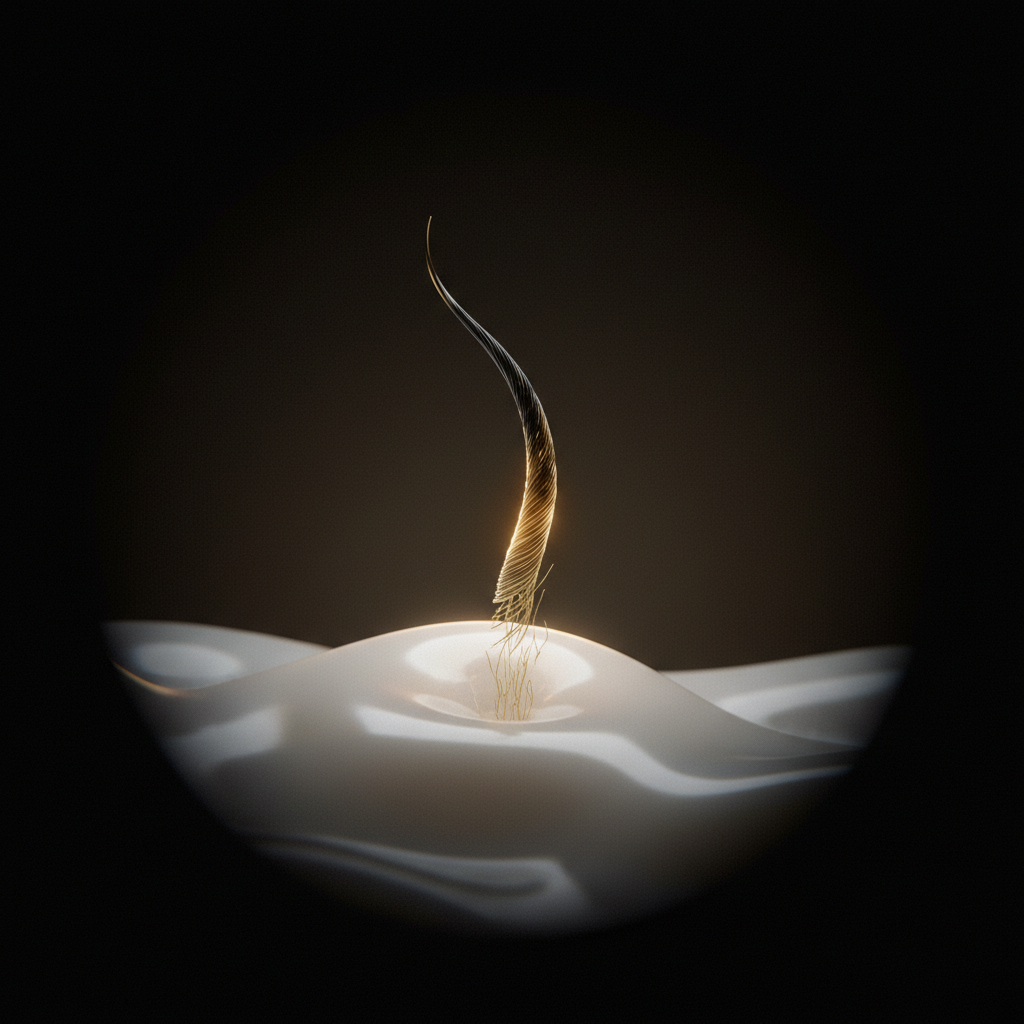
Quick answer: Hair Follicle Miniaturization is a progressive shrinking of the hair follicle, reducing its ability to produce thick, healthy hair. It is a hallmark of androgenetic alopecia (pattern hair loss), where follicles become sensitive to dihydrotestosterone (DHT), causing them to produce finer, shorter hairs over time. The main limitation is that significant miniaturization often indicates genetic predisposition, meaning complete reversal can be challenging, but progression can often be managed with early intervention.
Key takeaways
- Hair Follicle Miniaturization is the gradual shrinking of hair follicles, leading to thinner, shorter hairs, eventually becoming fine vellus hairs.
- It is a central feature of androgenetic alopecia, commonly known as male or female pattern hair loss.
- The primary trigger for miniaturization in androgenetic alopecia is the hormone dihydrotestosterone (DHT), especially in genetically susceptible individuals.
- The process involves a shortened anagen (growth) phase and a lengthened telogen (resting) phase, affecting successive hair cycles.
- Early detection through methods like trichoscopy is crucial, as intervention can help slow or halt further miniaturization and potentially promote regrowth.
- Managing Hair Follicle Miniaturization often involves addressing DHT's effects or supporting overall scalp and follicle health.
Hair Follicle Miniaturization: what the evidence shows
Hair Follicle Miniaturization describes the progressive reduction in the size of hair follicles, a key characteristic of common forms of hair loss, particularly androgenetic alopecia (pattern hair loss). This process doesn't mean the follicle disappears; rather, it shrinks, producing hairs that are successively shorter, finer, and often lighter in colour with each growth cycle. Eventually, a severely miniaturized follicle may become dormant or produce only fine, barely visible vellus hairs, similar to the soft, downy hair on a baby's skin. The extent of miniaturization directly correlates with the perceived thinning of hair on the scalp.
How the hair growth cycle changes during miniaturization
To understand Hair Follicle Miniaturization, it helps to know how healthy hair grows. Hair growth occurs in a cycle with three main phases:
- Anagen (Growing Phase): This is the active growth period, typically lasting 2 to 7 years. During anagen, hair cells divide rapidly, and the hair shaft grows from the follicle.
- Catagen (Transition Phase): A brief phase lasting about 2 to 3 weeks. Growth stops, and the lower part of the follicle begins to shrink. The hair detaches from the dermal papilla, its blood supply.
- Telogen (Resting Phase): This phase lasts about 3 to 4 months. The hair is inactive and rests in the follicle. At the end of telogen, the old hair sheds, and a new anagen phase usually begins.
In a healthy scalp, about 85% to 90% of hairs are in the anagen phase, 1% in catagen, and 10% to 15% in telogen. During Hair Follicle Miniaturization, this balance shifts significantly. The anagen phase shortens drastically, sometimes to just weeks or months, while the telogen phase lengthens. This means hairs spend less time actively growing and more time resting or shedding. Each new hair produced by a miniaturizing follicle has less time to grow to its full potential, resulting in the characteristic thinning over time.
The mechanism behind Hair Follicle Miniaturization
The primary driver of Hair Follicle Miniaturization in androgenetic alopecia is the hormone dihydrotestosterone (DHT). DHT is a potent androgen derived from testosterone, converted by the enzyme 5-alpha-reductase within various tissues, including hair follicles. Not all follicles are susceptible; only those on parts of the scalp, like the crown and hairline, in genetically predisposed individuals, possess the necessary androgen receptors.
When DHT binds to these receptors in the dermal papilla (the base of the hair follicle), it triggers a cascade of cellular events. These events disrupt the normal signalling pathways required for robust hair growth. Specifically, DHT appears to shorten the anagen phase, reduce the size of the dermal papilla, and decrease the number of stem cells available for hair regeneration. This leads to a progressive shrinking of the follicle and a decrease in the diameter and length of the hair shaft it produces. The hair essentially transforms from a thick, pigmented terminal hair into a fine, non-pigmented vellus hair.
Other factors can influence or worsen miniaturization, although DHT sensitivity remains the core mechanism in pattern hair loss:
- Genetics: A strong hereditary component dictates an individual's sensitivity to DHT and the pattern of miniaturization. This sensitivity can be inherited from either parent.
- Age: The prevalence and severity of miniaturization generally increase with age, with effects often becoming noticeable from the late teens onwards.
- Inflammation: Some research suggests chronic low-grade inflammation around the hair follicle may contribute to miniaturization, potentially by disrupting the normal environment needed for healthy growth.
- Vascularity: Reduced blood supply to the scalp (microcirculation) has also been implicated, potentially limiting the nutrients reaching the follicles.
Identifying Hair Follicle Miniaturization
Visually, Hair Follicle Miniaturization manifests as thinning hair, a widening parting, or a receding hairline. However, a professional diagnosis often relies on more precise methods:
- Trichoscopy (Dermoscopy of the Scalp): This non-invasive technique uses a magnified camera to examine the scalp and hair follicles in detail. Key signs of miniaturization include a significant variation in hair shaft diameter (known as anisotrichosis), an increased ratio of vellus hairs (fine, short, light) to terminal hairs (thick, long, pigmented), and peripilar signs (dark halos around hair follicles), which can indicate inflammation.
- Hair Density and Diameter Measurements: Digital imaging can quantify hair density and measure the average diameter of hair shafts in different areas of the scalp. A high proportion of hairs with a diameter less than 30 micrometres is a strong indicator of miniaturization.
Early detection is crucial because interventions are generally more effective before follicles become severely miniaturized and potentially fibrotic.
What you can do about Hair Follicle Miniaturization
The goal of managing hair loss linked to Hair Follicle Miniaturization is to either halt its progression or, in some cases, partially reverse the process. Successful approaches aim to prolong the anagen phase, increase hair shaft diameter, and stimulate partially dormant follicles. While complete reversal of extensively miniaturized follicles is often challenging, preventing further shrinkage and promoting regrowth from still-viable follicles is achievable.
Management strategies often focus on modulating the effects of DHT or supporting the overall health of the hair follicle:
- Topical Treatments: These are applied directly to the scalp and often contain ingredients designed to stimulate follicles, prolong the anagen phase, and increase blood flow. Some formulations may include vasodilators or anti-androgens.
- Oral Medications: Systemic treatments, such as 5-alpha-reductase inhibitors, work by reducing the conversion of testosterone to DHT, thereby lowering DHT levels in the body and scalp. These can effectively slow or stop miniaturization and, in some cases, lead to regrowth.
- Low-Level Laser Therapy (LLLT): This non-invasive treatment uses specific wavelengths of light (often red light) to stimulate cellular activity within the hair follicles. It is believed to improve mitochondrial function, increase ATP production, and reduce inflammation, potentially extending the anagen phase and improving hair density.
- Scalp Care and Nutrition: Maintaining a healthy scalp environment is supportive. Regular, gentle cleansing, avoiding harsh chemicals, and ensuring adequate nutrition for hair growth can contribute to overall scalp health. A balanced diet rich in vitamins and minerals vital for hair health, such as iron, zinc, and biotin, is important. While supplements aren't a cure for genetic miniaturization, deficiencies can exacerbate hair thinning.
When the cause may be something else
While Hair Follicle Miniaturization is most strongly associated with androgenetic alopecia, other conditions can sometimes mimic its appearance or contribute to hair thinning. It's important to consult a professional to rule out these possibilities:
- Chronic Telogen Effluvium: This is a prolonged period of increased hair shedding, leading to a diffuse thinning across the scalp. While it involves shedding, not primary miniaturization, the resulting reduced hair density can be mistaken for miniaturization. It's often triggered by stress, illness, nutritional deficiencies, or hormonal changes.
- Traction Alopecia: Caused by constant pulling on the hair follicles from tight hairstyles. This physical stress can damage the follicles, leading to inflammation and, over time, can result in scarring and permanent hair loss in affected areas. It's characterised by a receding hairline or patchy hair loss in areas of tension.
- Alopecia Areata: An autoimmune condition where the immune system mistakenly attacks hair follicles, leading to patchy hair loss. While it can cause miniaturization in some affected follicles, its primary mechanism is immune-mediated attack rather than DHT sensitivity.
- Thyroid Disorders: Both an underactive (hypothyroidism) and overactive (hyperthyroidism) thyroid can affect the hair growth cycle, leading to diffuse hair thinning. This is often reversible once the underlying thyroid condition is managed.
- Nutritional Deficiencies: Severe deficiencies in key nutrients like iron, zinc, or certain vitamins (e.g., B vitamins, Vitamin D) can impact hair health and lead to thinning, though typically not the specific progressive miniaturization seen in androgenetic alopecia.
When to get professional advice
If you notice persistent hair thinning, a widening parting, a receding hairline, or increased hair shedding, it's advisable to consult a healthcare professional. This could be your GP, who can run initial blood tests and refer you to a dermatologist or trichologist. A specialist can accurately diagnose the cause of your hair loss, including assessing the degree of Hair Follicle Miniaturization, and recommend the most appropriate evidence-based treatment plan tailored to your specific situation.
Early intervention is often key to achieving the best outcomes, as severely miniaturized follicles may be difficult to revive. A professional can also rule out other conditions that might require different treatments.
Where Watermans fits
Watermans products are formulated to support the appearance of healthier, fuller-looking hair and a healthier-looking scalp. While they do not claim to treat or reverse medical conditions like androgenetic alopecia or Hair Follicle Miniaturization, they are designed with ingredients that support the hair growth cycle and help minimise hair breakage. For example, Watermans Grow Me Shampoo and Conditioner contain hydrolysed lupin protein, which has been shown in some studies to help improve hair density and strength, contributing to the appearance of fuller hair. Regular use as part of a healthy haircare routine can help create an optimal environment for hair to thrive and reduce the impact of external factors that might exacerbate thinning hair.
Frequently asked questions about Hair Follicle Miniaturization
Can Hair Follicle Miniaturization be reversed?
Partial reversal is possible, especially if caught early. Treatments aim to stop further miniaturization and encourage follicles to produce thicker, longer hairs again. Complete reversal of follicles that are already severely miniaturized or have become dormant and fibrotic is very challenging. Consistency with evidence-based treatments is vital for the best chance of improvement.
Is Hair Follicle Miniaturization a sign of permanent hair loss?
If left unaddressed, Hair Follicle Miniaturization in androgenetic alopecia is typically progressive and can lead to permanent hair loss over time. However, early and consistent intervention can often halt or significantly slow the process, maintaining existing hair and, in some cases, promoting regrowth. It's about managing a genetic predisposition rather than a simple cure.
How quickly does Hair Follicle Miniaturization progress?
The rate of Hair Follicle Miniaturization varies significantly between individuals. It's often a gradual process that can take years, even decades, to become very noticeable. Factors like genetics, age, and individual hormone sensitivity influence progression speed. Some individuals might experience faster thinning, while for others, it progresses very slowly. Regular self-assessment and professional check-ups can help monitor its rate.
Does stress cause Hair Follicle Miniaturization?
Stress itself does not directly cause Hair Follicle Miniaturization in the way DHT does in androgenetic alopecia. However, severe or chronic stress can trigger a condition called telogen effluvium, leading to increased hair shedding and overall thinning. While distinct from miniaturization, significant hair shedding can exacerbate the appearance of thinning and may, in some predisposed individuals, indirectly influence the health of follicles over time. Managing stress is beneficial for overall hair health.
Can hard water cause Hair Follicle Miniaturization?
No, hard water does not directly cause Hair Follicle Miniaturization. Hard water contains high levels of minerals like calcium and magnesium, which can build up on hair and scalp, making hair feel dry, dull, and prone to breakage. This can contribute to the appearance of thinner or unhealthy hair, and increase breakage, but it does not cause the follicle itself to shrink. For more on this, see "Hard Water and Hair Damage: Understanding the Impact on Your Hair".
What's the difference between hair shedding and Hair Follicle Miniaturization?
Hair shedding (e.g., telogen effluvium) is when healthy hairs prematurely enter the resting phase and fall out, leading to diffuse thinning. The follicles remain capable of producing normal, thick hairs once the trigger is removed. Hair Follicle Miniaturization, conversely, is a progressive shrinking of the follicle itself, leading to the production of increasingly thinner, shorter hairs. While shedding is about hair leaving the scalp, miniaturization is about the hair growing in smaller and weaker.
Conclusion
Hair Follicle Miniaturization is a fundamental process in pattern hair loss, characterised by the progressive shrinking of hair follicles over time. Driven primarily by genetic sensitivity to DHT, it leads to the production of finer, shorter hairs, eventually resulting in visible hair thinning. Understanding Hair Follicle Miniaturization, its mechanisms, and early signs is vital for effective management. While not always fully reversible, particularly in advanced stages, timely intervention with appropriate treatments can significantly slow progression, preserve existing hair, and encourage the growth of healthier-looking hair. Consulting a healthcare professional for accurate diagnosis and a personalised treatment plan is the most effective approach.
Sources and references
- American Academy of Dermatology Association, "Hair loss: Diagnosis and treatment", ongoing resource.
- National Institute of Arthritis and Musculoskeletal and Skin Diseases (NIAMS), "Alopecia Areata: Questions and Answers", 2021.
- NHS, "Hair loss", ongoing resource.
- Paus, R., & Cotsarelis, G. (2008). The biology of hair follicles. The New England Journal of Medicine, 359(10), 1045-1057.
- Randolph, M., & Tosti, A. (2021). Oral minoxidil for androgenetic alopecia: A review of the literature. Journal of Cosmetic Dermatology, 20(3), 760-766.
- Sinclair, R. D. (2004). Male pattern hair loss: A multimodal approach to treatment. Clinics in Dermatology, 22(1), 57-63.
- Suchonwanit, P., et al. (2018). Low-level laser therapy for the treatment of androgenetic alopecia: An update. Lasers in Medical Science, 33(4), 653-659.
- Trueb, R. M. (2002). Molecular mechanisms of androgenetic alopecia. Experimental Gerontology, 37(8-9), 981-987.