Essential Nutrients for Hair: A Comprehensive Guide to Healthy Hair Growth
12 min read ·
Understanding the Essential Nutrients for Hair is crucial for healthy growth, as hair follicles rely on a steady supply of vitamins, minerals, and proteins.
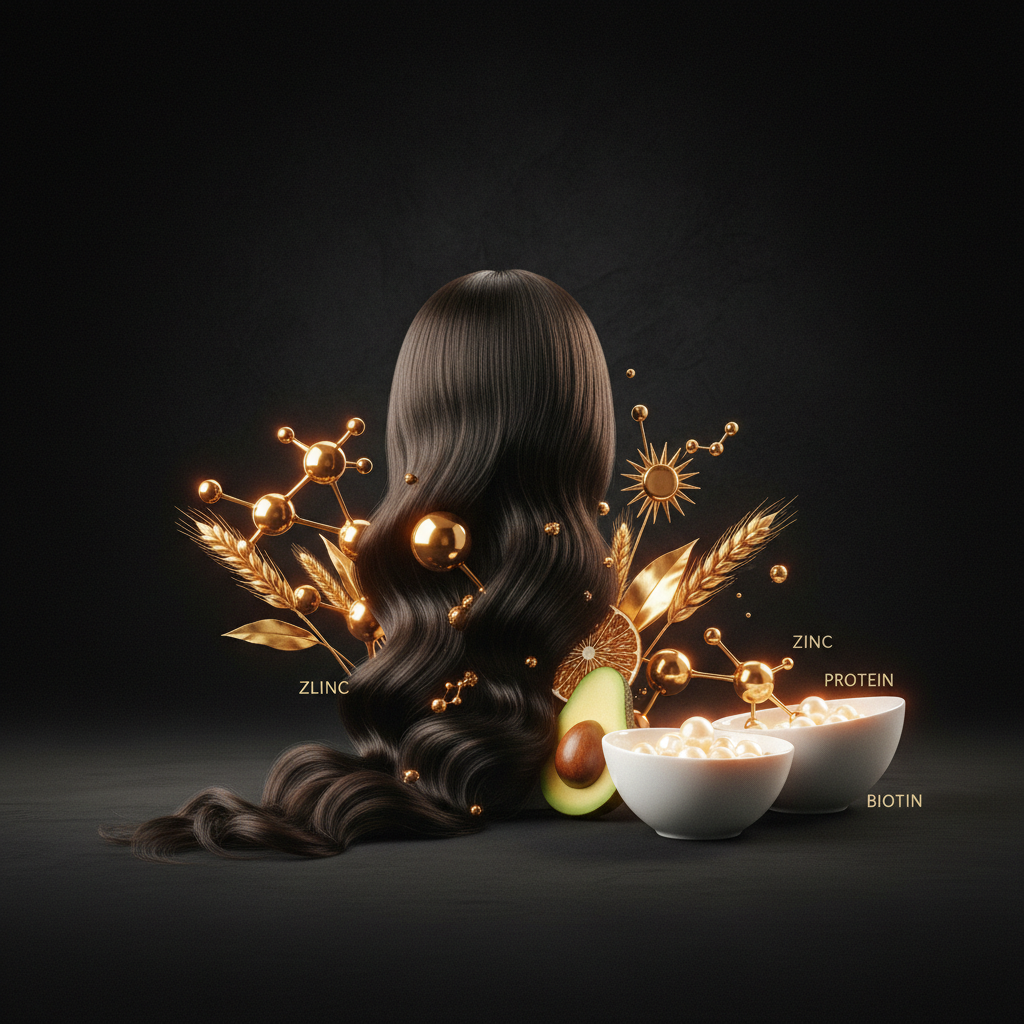
Quick answer: The Essential Nutrients for Hair are a range of vitamins, minerals, and proteins that are vital for healthy hair growth, strength, and maintenance. These nutrients support the hair follicle's complex growth cycle, keratin production, and overall scalp health. Without adequate intake, hair can become weak, brittle, or experience increased shedding, although a balanced diet is generally sufficient for most people, and deficiencies should be medically investigated.
Key takeaways
- Hair is primarily made of protein (keratin), requiring sufficient protein intake for strength and growth.
- Specific vitamins (A, C, D, E, B-vitamins like Biotin and Folate) and minerals (Iron, Zinc, Selenium) play distinct roles in the hair growth cycle and follicle health.
- Nutrient deficiencies can lead to changes in hair texture, increased shedding, or slower growth, but clinical deficiency is usually required before hair is significantly affected.
- A balanced, varied diet rich in whole foods is the most effective way to ensure you get all the Essential Nutrients for Hair.
- Always consult a healthcare professional before taking supplements, as excessive intake of some nutrients can be detrimental to hair and overall health.
Essential Nutrients for Hair: what the evidence shows
Your hair is a dynamic, living structure, constantly growing and renewing itself. This process requires a steady supply of specific vitamins, minerals, and macronutrients, often referred to as the Essential Nutrients for Hair. These nutrients support the intricate biological processes within the hair follicles, from initiating new growth to strengthening the hair fibre and maintaining a healthy scalp environment.
Evidence consistently shows that hair health is closely linked to overall nutritional status. Hair is considered a non-essential tissue, meaning the body prioritises vital organ function over hair production during times of nutritional stress. This is why deficiencies can often manifest as changes in hair before other symptoms become apparent. However, it's important to note that cosmetic changes to hair, such as increased breakage or dullness, are more commonly seen with mild dietary imbalances, while significant hair shedding or true hair loss usually requires a clinical deficiency or other underlying health conditions.
The Building Blocks: Protein and Amino Acids
Hair is predominantly made of keratin, a fibrous protein. For this reason, protein is arguably the most fundamental of the Essential Nutrients for Hair. A diet rich in complete proteins (containing all essential amino acids) provides the necessary raw materials for keratin synthesis. When protein intake is insufficient, the body may redirect amino acids to more critical functions, potentially leading to reduced hair growth, weaker hair, or an increased proportion of hair in the resting (telogen) phase. Studies have highlighted the importance of protein in preventing certain types of hair shedding, such as telogen effluvium.
Vitamins Crucial for Hair
Many vitamins act as co-factors in biochemical reactions vital for hair growth and scalp health.
- Vitamin A: This fat-soluble vitamin is essential for cell growth, including hair follicle cells. It also helps in producing sebum, the natural oil that moisturises the scalp and hair. However, both too little and too much Vitamin A can be problematic. Deficiency can lead to a dry, itchy scalp, while excessive intake (often from supplements) has been linked to hair shedding.
- B Vitamins: The B-complex vitamins are a group of water-soluble nutrients critical for cellular metabolism and red blood cell formation, which carry oxygen and nutrients to hair follicles. They include:
- Biotin (Vitamin B7): Often marketed for hair health, biotin is a coenzyme involved in fatty acid synthesis and keratin production. While severe deficiency is rare, some research suggests that biotin supplementation may benefit individuals with underlying biotin deficiency presenting with hair fragility or shedding. However, for those without a deficiency, evidence for significant hair benefits is mixed.
- Niacin (Vitamin B3): Niacin supports healthy circulation, which helps deliver essential nutrients to the hair follicles. This improved blood flow can contribute to a healthy hair growth environment.
- Pantothenic Acid (Vitamin B5): This vitamin contributes to hair strength and elasticity, helping to prevent breakage. It also supports adrenal function, which indirectly impacts stress response and, consequently, hair health.
- Folate (Vitamin B9) and Vitamin B12 (Cobalamin): These two vitamins work together in DNA synthesis and red blood cell production. Adequate levels ensure that hair follicles receive sufficient oxygen and nutrients. Deficiencies can lead to anaemia, which is a known contributor to hair shedding and thinning.
- Vitamin C: A powerful antioxidant, Vitamin C protects hair follicles from oxidative stress, which can damage cells and hinder growth. It is also indispensable for collagen production, a structural protein that provides strength to the dermis (the layer of skin containing hair follicles) and supports the hair shaft. Vitamin C also enhances the absorption of iron, another critical nutrient for hair.
- Vitamin D: Receptors for Vitamin D are found in hair follicles, suggesting its role in the hair growth cycle, particularly in initiating the anagen (growth) phase. Low levels of Vitamin D have been associated with various forms of hair loss, including alopecia areata and telogen effluvium. Maintaining adequate Vitamin D levels is important, especially for those with limited sun exposure.
- Vitamin E: Another potent antioxidant, Vitamin E helps to reduce oxidative stress on the scalp and hair follicles. It can also support healthy blood circulation to the scalp, promoting a favourable environment for hair growth.
Minerals Essential for Hair Health
Minerals are inorganic substances that play diverse roles in cellular function, enzyme activity, and structural integrity.
- Iron: Essential for oxygen transport, iron ensures that hair follicles receive the oxygen needed for cellular energy and growth. Iron deficiency, leading to anaemia, is a common cause of hair shedding, particularly in women. Addressing iron deficiency through diet or supplementation (under medical supervision) can often improve hair density.
- Zinc: Zinc is involved in numerous cellular processes, including DNA synthesis, cell division, and protein synthesis, all of which are vital for hair growth. It also helps regulate the oil glands around the hair follicles. Zinc deficiency can lead to hair shedding and a dry, flaky scalp. However, too much zinc can also negatively impact hair health and lead to copper deficiency, so balance is key.
- Selenium: This trace mineral acts as an antioxidant and is involved in enzyme function. While essential in small amounts, excessive selenium intake can be toxic and may paradoxically cause hair shedding.
- Copper: Copper contributes to hair pigmentation and the structural integrity of the hair shaft. It is involved in melanin formation (the pigment that gives hair its colour) and helps in the cross-linking of keratin, enhancing hair strength.
Essential Fatty Acids
Omega-3 and Omega-6 fatty acids are crucial for maintaining scalp health and keeping hair moisturised. These healthy fats contribute to the production of natural oils that lubricate the scalp and hair, helping to reduce dryness and flakiness. Deficiencies can manifest as a dry, dull scalp and brittle hair.
Signs of Nutrient Deficiencies Affecting Hair
Recognising the signs of potential nutrient deficiencies can help in early intervention. However, these symptoms are often non-specific and can indicate various underlying health issues, so professional medical advice is always recommended.
- Increased Hair Shedding (Telogen Effluvium): Significant hair shedding, especially without obvious breakage, can be a sign of iron, zinc, or protein deficiency, or deficiencies in certain B vitamins like folate and B12. Low Vitamin D levels have also been linked.
- Slowed Hair Growth: If your hair seems to be growing unusually slowly, it could indicate insufficient protein, iron, or B vitamins, as these are crucial for the rapid cell division needed for hair growth.
- Weak, Brittle, or Easily Breakable Hair: While often a sign of physical damage or chemical processing, persistent brittle hair can also point to deficiencies in protein, biotin, or essential fatty acids, impacting the hair fibre's structural integrity.
- Dry, Flaky Scalp: While conditions like dandruff are common, a consistently dry, flaky, or itchy scalp without other obvious causes can sometimes relate to deficiencies in Vitamin A, zinc, or essential fatty acids, which are involved in sebum production and skin barrier function.
- Dull Hair: Hair lacking lustre can sometimes be a sign of overall poor nutritional status, as healthy hair reflects light well. Deficiencies that impact keratin structure or scalp oil production can contribute to dullness.
What You Can Do: Dietary Strategies for Healthy Hair
The most effective way to ensure you're getting all the Essential Nutrients for Hair is through a balanced, varied diet.
- Prioritise Protein: Include lean meats, fish, eggs, dairy, legumes, and nuts in your diet to provide the amino acids necessary for keratin production.
- Eat Colourful Fruits and Vegetables: These are packed with vitamins, minerals, and antioxidants. Berries, citrus fruits, leafy greens (like spinach and kale), and bell peppers are excellent sources of Vitamin C and other beneficial compounds.
- Healthy Fats: Incorporate sources of omega-3 and omega-6 fatty acids, such as fatty fish (salmon, mackerel), flaxseeds, chia seeds, walnuts, and avocados.
- Whole Grains: These provide B vitamins and other minerals, contributing to overall nutrient intake.
- Address Deficiencies (Under Supervision): If you suspect a deficiency, consult your doctor. They can perform blood tests to identify specific nutrient gaps and recommend appropriate dietary changes or supplementation. Self-prescribing high doses of supplements can be harmful.
When to Seek Professional Advice
If you are experiencing significant or persistent hair shedding, hair loss, or concerning changes in hair texture, it is important to consult a healthcare professional, such as your GP or a dermatologist. They can help identify underlying medical conditions, perform diagnostic tests, and provide a tailored treatment plan. Conditions like thyroid disorders, hormonal imbalances, autoimmune diseases, and certain medications can also cause hair changes, independent of nutritional intake.
A Summary of Essential Nutrients for Hair
This table outlines key Essential Nutrients for Hair and their primary roles.
| Nutrient | Primary Role in Hair Health | Dietary Sources (Examples) |
|---|---|---|
| Protein | Main building block of hair (keratin) | Meat, fish, eggs, dairy, legumes, nuts |
| Vitamin A | Cell growth, sebum production | Carrots, sweet potatoes, spinach, liver |
| Biotin (B7) | Keratin production, fatty acid synthesis | Eggs, nuts, seeds, sweet potatoes, salmon |
| Folate (B9) | Cell division, red blood cell production | Leafy greens, citrus fruits, beans, lentils |
| Vitamin B12 | Red blood cell production, nerve function | Meat, fish, dairy, eggs (found mainly in animal products) |
| Vitamin C | Collagen synthesis, antioxidant, iron absorption | Citrus fruits, berries, bell peppers, broccoli |
| Vitamin D | Hair follicle cycling, growth initiation | Fatty fish, fortified dairy, sunlight exposure |
| Vitamin E | Antioxidant, circulation | Nuts, seeds, spinach, avocado |
| Iron | Oxygen transport to hair follicles | Red meat, lentils, spinach, fortified cereals |
| Zinc | Cell reproduction, oil gland function | Oysters, red meat, poultry, beans, nuts |
| Selenium | Antioxidant, enzyme function | Brazil nuts, seafood, whole grains |
| Copper | Hair pigmentation, structural integrity of hair | Oysters, nuts, seeds, dark chocolate, liver |
| Omega-3/6 | Scalp health, hair moisture, anti-inflammatory | Fatty fish, flaxseed, chia seeds, walnuts |
Frequently asked questions about Essential Nutrients for Hair
Can supplements provide all the Essential Nutrients for Hair?
Supplements can help address specific, diagnosed nutrient deficiencies, but they are not a substitute for a balanced diet. High doses of certain vitamins or minerals can be detrimental, and the body often absorbs nutrients more effectively from whole foods. Always consult a healthcare professional before starting any supplement regimen to determine if it's necessary and what dosage is appropriate.
How long does it take for improved nutrition to affect hair health?
Hair growth is a slow process, so it can take time to see noticeable changes. Typically, it takes 3 to 6 months of consistent dietary improvements or targeted supplementation to observe significant positive effects on hair health, such as reduced shedding or improved texture. The visible part of your hair has already grown, so you're waiting for new, healthier hair to emerge.
Do Essential Nutrients for Hair help with genetic hair loss?
While good nutrition is crucial for overall hair health, it generally cannot reverse genetic hair loss conditions like androgenetic alopecia. Genetic hair loss has hormonal and hereditary causes that diet alone cannot overcome. However, ensuring adequate nutrient intake can optimise the health of existing hair and potentially slow down the progression of thinning in some cases, complementing other treatments.
Is there a single "best" nutrient for hair growth?
There isn't one single "best" nutrient, as hair health depends on a synergistic interaction of many Essential Nutrients for Hair. Protein provides the structural foundation, while vitamins and minerals act as co-factors for growth processes. A holistic approach focusing on a balanced diet rich in all necessary nutrients is far more effective than hyper-focusing on one element.
Can hair products deliver Essential Nutrients for Hair to the scalp?
Topical hair products can deliver beneficial ingredients to the scalp and hair, such as vitamins, antioxidants, and proteins, which can improve scalp health and the appearance of hair. However, their primary role is often cosmetic or to support the hair from the outside. For systemic nutrient delivery, especially to address deficiencies, dietary intake and supplementation (if advised by a doctor) are key. Learn more about how topical treatments work in 'Understanding Scalp Health'.
Supporting your hair with Essential Nutrients for Hair
Understanding the role of Essential Nutrients for Hair is fundamental to maintaining healthy, vibrant locks. From structural proteins like keratin to vital vitamins and minerals that fuel the hair growth cycle, each nutrient plays a unique and interconnected part. Prioritising a well-balanced diet rich in whole foods is the most effective strategy for ensuring your hair follicles receive everything they need. If you are concerned about specific deficiencies or hair health issues, always seek advice from a medical professional.
Watermans and your hair
Watermans hair care products are formulated with several key ingredients that align with the principles of supporting healthy-looking hair. Our formulations include hydrolysed lupin protein, biotin, niacinamide (Vitamin B3), caffeine, and rosemary extract. These ingredients are chosen for their properties that contribute to the appearance of stronger, thicker, and fuller-looking hair.
For example, biotin, a well-known B vitamin, is included for its role in the appearance of healthier hair. Lupin protein is a key ingredient in our Grow Me Shampoo and Conditioner. These products are designed to support the hair's natural growth cycle and help reduce the appearance of shedding.
Sources and references
- American Academy of Dermatology Association, Hair Loss: Causes, Symptoms, and Treatment.
- National Institutes of Health, Office of Dietary Supplements.
- Journal of Clinical and Aesthetic Dermatology, "A Review of the Role of Biotin in Hair Loss". 2017.
- Dermatology and Therapy, "The Role of Vitamins and Minerals in Hair Loss: A Review". 2019.
- An Bras Dermatol, "Iron deficiency and hair loss: A review". 2009.
- Journal of the American Academy of Dermatology, "Diet and hair loss: A review of the literature". 2017.
- NHS, Vitamins and minerals - A to Z.
- PubMed Central.
- British Association of Dermatologists, Hair Loss.
Find these ingredients in Watermans products
- Niacinamide: you will find this ingredient in our Hair Mask.
- Panthenol (Provitamin B5): you will find this ingredient in our Heat Protection Spray.