Hair Damage and Repair
5 min read ·
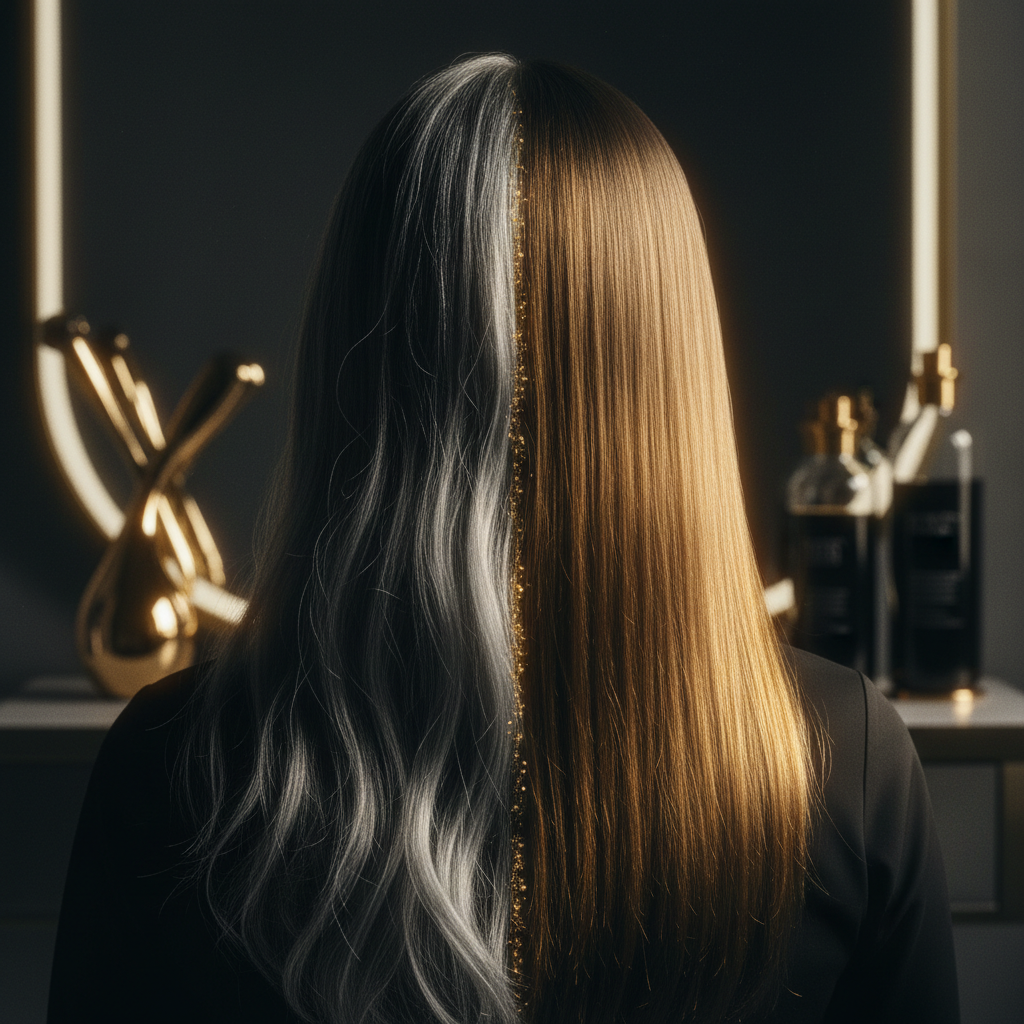
Hair damage occurs when the structural integrity of the hair strand is compromised, leading to changes in texture, strength, and appearance.
Understanding Hair Structure
To comprehend hair damage, it is essential to first understand the basic structure of a hair strand. Hair is primarily composed of keratin, a fibrous protein. Each strand consists of three main layers:
- Cuticle: The outermost layer, made up of overlapping, scale-like cells. A healthy cuticle lies flat, providing protection to the inner layers and contributing to shine and smoothness.
- Cortex: The middle and thickest layer, providing hair with its strength, elasticity, and colour. It contains keratin bundles and melanin granules.
- Medulla: The innermost core, present in some hair types but not all. Its function is not fully understood, but it is believed to play a role in hair's overall strength.
The health and integrity of these layers dictate the hair's condition. Damage often begins with the cuticle, which, once compromised, exposes the more vulnerable cortex.
Causes of Hair Damage
Hair damage can arise from a variety of factors, both internal and external. These causes often work synergistically, exacerbating the overall damage.
Chemical Processes
Chemical treatments alter the hair's natural structure to achieve a desired look. These include:
- Coloring and Bleaching: These processes open the cuticle to deposit or remove pigment. Bleaching, in particular, oxidizes melanin granules and can break down disulfide bonds within the cortex, significantly weakening the hair.
- Perms and Relaxers: These treatments involve breaking and reforming the hair's disulfide bonds to permanently alter its shape. Improper application or repeated use can lead to severe structural damage.
Heat Styling
Frequent use of heat styling tools without adequate protection can cause significant damage. High temperatures can boil the water within the hair shaft, leading to bubble formation and cuticle lifting. This can denature proteins in the cortex, making hair brittle and prone to breakage.
Mechanical Stress
Physical manipulation of the hair can also contribute to damage:
- Over-brushing or vigorous towel drying: These actions can snag and pull hair, leading to cuticle abrasion and breakage.
- Tight hairstyles: Constant tension on the hair shaft from braids, ponytails, or extensions can cause breakage and even traction alopecia.
- Friction: Rubbing against rough surfaces, such as certain fabrics, can abrade the cuticle.
Environmental Factors
Natural elements can also play a role in hair damage:
- UV Radiation: Prolonged exposure to sunlight can degrade protein structures and lighten hair colour, making it dry and brittle.
- Chlorine and Saltwater: Chlorine, commonly found in swimming pools, can strip hair of its natural oils and react with chemical treatments. Saltwater can dehydrate hair, leading to a rough texture.
- Pollution: Airborne pollutants can deposit on hair, leading to oxidative stress and dullness.
Recognizing Damaged Hair
Identifying damaged hair is crucial for implementing appropriate repair strategies. Common signs include:
- Rough Texture: The hair feels coarse or uneven due to a raised or compromised cuticle.
- Dullness: Lack of shine indicates a disturbed cuticle surface that cannot reflect light smoothly.
- Split Ends (Trichoptilosis): The hair shaft splits at the ends, often signaling a weakened cuticle that can no longer hold the cortex together.
- Breakage: Hair snaps easily, indicating a loss of elasticity and strength in the cortex.
- Frizz: A raised cuticle allows moisture to penetrate the hair shaft unevenly, causing it to swell and appear frizzy.
- Porosity: Hair with a damaged, lifted cuticle absorbs and loses moisture quickly.
Hair Repair Strategies
While severely damaged hair cannot be "healed" in the way living tissue can, its appearance and manageability can be significantly improved through targeted repair strategies. The goal is to smooth the cuticle, replenish moisture, and provide temporary structural support.
Gentle Hair Care Practices
Preventing further damage is the first step in repair:
- Minimize Heat: Reduce the frequency and intensity of heat styling. Always use a heat protection spray containing silicones or polymers that create a barrier between the hair and heat.
- Gentle Brushing: Use a wide-tooth comb on wet hair and a soft brush on dry hair, starting from the ends and working up.
- Proper Washing: Use lukewarm water and a mild shampoo. Avoid excessive scrubbing and detangle carefully while conditioning.
- Air Drying: Allow hair to air dry whenever possible to reduce heat exposure.
Products for Repair
Specific product formulations can help address damaged hair concerns:
- Conditioners: These products typically contain cationic surfactants and emollients that smooth the cuticle, reduce static, and provide slip for easier detangling.
- Deep Conditioning Treatments/Hair Masks: These are more intensive than daily conditioners, delivering higher concentrations of conditioning agents, proteins, and humectants to penetrate the hair shaft and provide deeper hydration and temporary structural reinforcement. Ingredients like hydrolyzed proteins (e.g., keratin, wheat protein) can temporarily patch gaps in the cuticle and cortex.
- Leave-in Treatments: These protective products can provide ongoing moisture, detangling, and thermal protection throughout the day.
- Bond Repair Treatments: Some advanced products contain specific molecules that claim to re-link broken disulfide bonds within the cortex.
Healthy Lifestyle
Overall health reflects in hair condition. A balanced diet rich in proteins, vitamins (especially A, C, E, and B-complex), and minerals (like iron and zinc) supports healthy hair growth from the follicle.
The Role of Trimming
While products can improve the feel and appearance of damaged hair, especially split ends, they cannot permanently fuse them back together. Regular trims are essential to remove split and frayed ends, preventing them from traveling further up the hair shaft and causing more extensive damage.
Conclusion
Hair damage is a common concern caused by a combination of chemical, thermal, mechanical, and environmental factors. Understanding the mechanisms of damage allows for informed choices in hair care. By adopting gentle practices, utilizing appropriate repair treatments, and maintaining a healthy lifestyle, one can significantly improve the condition and appearance of damaged hair, restoring its vibrancy and strength.
Find these ingredients in Watermans products
- Zinc, you will find this ingredient in our Hair Vitamins.