Hair Damage: Causes and Prevention: An Evidence-Based Guide
10 min read ·
Understanding Hair Damage: Causes and Prevention is key to maintaining healthy hair, focusing on fibre integrity and environmental stressors.
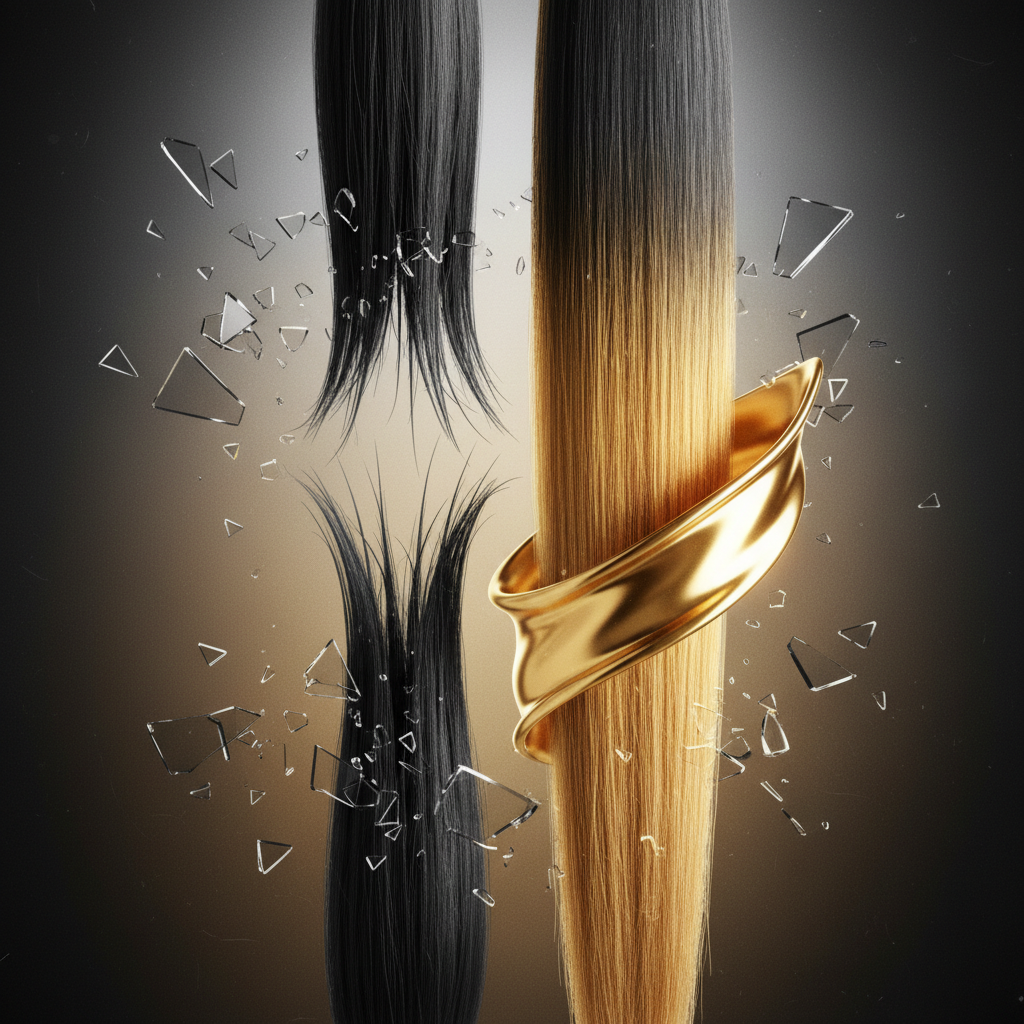
Quick answer: Hair Damage: Causes and Prevention involves understanding the various physical, chemical, and environmental factors that compromise the hair shaft's structural integrity, leading to issues like breakage, split ends, and dullness. It's important to distinguish true hair damage from hair shedding or hair loss conditions, which involve the follicle. Prevention focuses on protective practices and appropriate haircare. However, cosmetic interventions can only address damage to the existing hair fibre, not stimulate new growth or treat underlying medical conditions.
Key takeaways
- Hair damage refers to changes in the hair fibre's structure, primarily the cuticle, leading to issues like breakage and split ends, not hair loss from the scalp.
- Common causes include heat styling, chemical treatments (colouring, perming), mechanical stress (brushing, tight hairstyles), and environmental factors (UV radiation, hard water).
- Preventative measures focus on reducing exposure to damaging agents, using protective products, and adopting gentle haircare routines.
- Recognising the signs of damage, such as dullness, dryness, and increased breakage, helps in early intervention.
- While cosmetic products can improve the appearance and feel of damaged hair, they cannot repair internal structural changes, only help prevent further damage.
Hair Damage: Causes and Prevention: what the evidence shows
Hair damage is not hair loss; it refers specifically to the degradation of the hair fibre itself, leading to weakened strands that are more prone to breaking along the shaft. The hair shaft is primarily made of keratin protein, covered by an outer layer called the cuticle. This cuticle is like protective scales, and when it's smooth and intact, hair looks shiny and healthy. Damage occurs when these scales lift, chip, or degrade, exposing the inner cortex and making the hair vulnerable.
The mechanism of hair damage
Each hair strand has three main layers: the cuticle, cortex, and medulla. The cuticle, the outermost layer, consists of overlapping dead cells that protect the inner cortex. The cortex provides hair with strength, elasticity, and colour. The medulla is a central core, though not all hairs have one. Hair damage begins when the cuticle is compromised. This can happen through various stressors that lift, crack, or even remove these protective scales. Once the cuticle is damaged, the cortex becomes exposed, leading to loss of moisture, protein degradation, and a significant reduction in the hair's structural integrity.
This process results in symptoms such as:
- Split Ends (Trichoptilosis): The hair fibre splits longitudinally, typically at the ends, due to cuticle erosion and exposure of the cortex.
- Breakage: The hair shaft snaps along its length, often a result of severely weakened internal bonds or a compromised cuticle leading to external stressors causing the fibre to fracture.
- Dryness and Brittleness: Damage reduces the hair's ability to retain moisture, making it feel rough, stiff, and more likely to snap.
- Dullness: A rough, lifted cuticle scatters light instead of reflecting it, resulting in a lack of shine.
- Increased Frizz: Damaged cuticles are more porous, allowing hair to absorb excess moisture from the air, causing the hair to swell unevenly and frizz. For more information, see 'How to Reduce Frizz in Hair: An Evidence-Based Guide'.
- Loss of Elasticity: Healthy hair can stretch up to 30% when wet without breaking. Damaged hair loses this flexibility, becoming rigid and prone to snapping even with minimal tension.
Common causes of hair damage
Hair damage is typically cumulative, resulting from a combination of factors rather than a single event. Understanding these causes is crucial for effective Hair Damage: Causes and Prevention.
| Type of Damage | Specific Causes | Mechanism of Damage |
|---|---|---|
| Thermal | Hot styling tools (straighteners, curling irons, blow dryers), excessive sun exposure | High heat rapidly evaporates water from the hair shaft, creating bubbles (vacuoles) that weaken the fibre. It denatures keratin proteins and can melt the lipid layer protecting the cuticle. UV radiation from the sun can degrade hair proteins and pigments. |
| Chemical | Hair colouring, bleaching, perms, relaxers, harsh shampoos | These processes disrupt disulphide bonds within the cortex and lift or remove the cuticle. Bleaching is particularly harsh, oxidising melanin and breaking down structural proteins. For more details, refer to 'Chemical Hair Treatments: What They Are and How They Affect Hair'. |
| Mechanical | Aggressive brushing, tight hairstyles, friction (e.g., from towels, pillows) | Physical force scrapes, lifts, and eventually removes cuticle cells. Repeated friction can abrade the hair surface, leading to thinning and breakage. See also 'How to Detangle Afro Hair Without Breakage: An Evidence-Based Guide'. |
| Environmental | Hard water, pollution, humidity, wind | Minerals in hard water can accumulate on the hair, making it stiff and rough, and react with styling products. Pollutants can deposit on hair, leading to oxidative stress. Humidity can cause swelling in damaged hair. Wind can create tangles and friction. |
The impact of water on hair
Water quality plays a role in Hair Damage: Causes and Prevention. Hard water, which has a high concentration of dissolved minerals like calcium and magnesium, can leave deposits on the hair shaft. These deposits can make hair feel rough, dull, and can interfere with the effectiveness of shampoos and conditioners. Over time, mineral build-up can contribute to hair feeling brittle and looking less vibrant. However, hard water does not cause hair loss or alopecia. Its effects are primarily cosmetic and relate to the hair fibre's surface. The Water UK National Association reports that over 60% of homes in England are in hard water areas, with varying degrees of hardness. Installing a shower filter can help reduce mineral exposure.
What you can do for Hair Damage: Causes and Prevention
Mitigating hair damage involves a multi-pronged approach that combines protective practices with appropriate product choices.
- Minimise Heat Styling: Reduce the frequency and temperature of heat styling tools. Always use a heat protection spray, which forms a barrier to slow down heat transfer to the hair fibre. Look for sprays containing silicones or hydrolysed wheat protein, as these have been shown to offer some protection. For further reading, consult 'Heat Styling: Understanding Its Effects and How to Protect Your Hair'.
- Gentle Mechanical Care: Use wide-tooth combs or detangling brushes, especially on wet hair, which is more fragile. Avoid aggressive brushing. Opt for loose hairstyles instead of tight ponytails or braids that cause tension on the hair shaft. Microfibre towels can reduce friction during drying.
- Protect from Chemical Stress: Space out chemical treatments like colouring or perms. Use professional services for these treatments. Consider using bond-building treatments during or after chemical processes to help maintain structural integrity.
- Environmental Protection: Wear hats to protect hair from UV radiation during prolonged sun exposure. If you live in a hard water area, a shower filter can reduce mineral build-up. Regular clarifying washes can also remove accumulated mineral deposits. More on this can be found in 'How to Do a Clarifying Wash: A Guide to Deep Hair Cleansing'.
- Nourish and Condition: Regular conditioning is vital. Conditioners help to smooth the cuticle, replenish moisture, and improve the hair's elasticity and manageability. Ingredients like hydrolysed proteins (e.g., hydrolysed wheat protein, lupin protein), humectants (e.g., glycerine), and emollients (e.g., argan oil, shea butter) can significantly improve the feel and appearance of damaged hair. Refer to 'The Science of Conditioners: How Hair Care Formulations Work' and 'Hair Hydration: The Science Behind Keeping Hair Moist' for more depth.
When the cause may be something else
It's essential to distinguish hair damage from other hair-related concerns. Hair shedding, such as telogen effluvium, involves a temporary increase in hair strands entering the resting and shedding phase of the hair growth cycle. Hair loss (alopecia), on the other hand, refers to a reduction in hair density due to factors affecting the hair follicle, such as genetics, autoimmune conditions, or hormonal imbalances. Hair damage, however, relates solely to the breaking of the hair shaft itself. If you notice excessive hair shedding from the root or patches of thinning, these are not signs of hair damage, but rather potential indicators of hair loss conditions that require a different approach and professional diagnosis.
When to get professional advice
If you've implemented preventative and restorative haircare routines but continue to experience severe hair breakage, or if your hair damage is accompanied by significant hair shedding, scalp irritation, or changes in hair texture not explained by your usual practices, it's advisable to consult a dermatologist or trichologist. They can help rule out underlying medical conditions affecting hair health or provide tailored treatment plans that go beyond cosmetic interventions.
Frequently asked questions about Hair Damage: Causes and Prevention
Can hair really be repaired once it's damaged?
Cosmetic products cannot permanently "repair" the internal structure of a severely damaged hair fibre in the way living tissue repairs itself. Once the cuticle is lifted or compromised, it cannot fully reattach. However, conditioners and treatments can temporarily smooth the cuticle, replenish moisture, and add a protective layer, making hair feel softer, look shinier, and be more resistant to further damage. Regular trims are the only way to remove split ends completely.
How often should I trim my hair to prevent damage?
Regular trims help to remove split ends and damaged sections before they can travel further up the hair shaft. The frequency depends on your hair type, styling habits, and how quickly your hair tends to develop split ends. Generally, a trim every 8 to 12 weeks is recommended for most people. If you use a lot of heat styling or chemical treatments, you might benefit from more frequent trims.
Does colouring hair always cause damage?
Any chemical process, including colouring, will inherently cause some degree of alteration to the hair shaft. Modern hair colours and techniques aim to minimise this. Permanent and semi-permanent colours use chemicals to open the cuticle, allowing pigment to penetrate. Bleaching is generally the most damaging as it oxidises melanin and breaks down protein bonds. Using reputable salons, bond-building treatments, and following proper aftercare can significantly reduce the impact of colouring on hair health.
Is hard water truly bad for hair?
Hard water contains minerals like calcium and magnesium that can accumulate on the hair shaft. These deposits can make hair feel stiff, rough, dull, and less manageable. While hard water doesn't cause hair loss or damage to the hair follicle, it can contribute to the feeling and appearance of damaged hair over time by preventing moisture from penetrating effectively and interacting with cosmetic products.
Can stress cause hair damage?
Stress does not directly cause the hair shaft to break or become damaged. However, severe emotional or physical stress can lead to conditions like telogen effluvium, which is a temporary increase in hair shedding from the scalp. While not hair damage, this can be mistaken for it. Stress can also indirectly affect hair health through lifestyle changes, but it doesn't mechanically or chemically compromise the hair fibre itself.
Are natural oils sufficient for preventing hair damage?
Natural oils, such as coconut oil or argan oil, can be beneficial for hair health. They can help to seal the cuticle, reduce protein loss (especially coconut oil), and provide a protective layer, thereby reducing moisture loss and friction. While they are excellent for conditioning and improving the hair's feel and appearance, they typically don't offer comprehensive protection against all forms of damage, particularly severe chemical or thermal stressors. A balanced haircare routine often combines oils with other protective and conditioning agents.
Watermans for Hair Damage: Causes and Prevention
To support your hair against damage and help maintain its healthy appearance, Watermans offers products designed with beneficial ingredients.
- Watermans Masque Me Hair Mask: This mask is formulated to provide intensive conditioning, helping to smooth the hair cuticle and improve the hair's feel and manageability. Ingredients work to enhance the hair's cosmetic condition, making it feel softer and appear shinier, thus supporting your efforts in Hair Damage: Causes and Prevention.
- Watermans Protect Me Heat Protection Spray: Designed to be used before heat styling, this spray helps create a barrier on the hair surface. This assists in reducing the direct impact of high temperatures, helping to mitigate heat-induced damage and maintain the hair's healthy look.
Sources and references
- The Journal of Clinical and Aesthetic Dermatology, "Hair Breakage: An Overview", 2015
- International Journal of Cosmetic Science, "The effect of chemical treatments on the surface morphology of human hair", 2004
- Skin Appendage Disorders, "Hair Cosmetics: An Overview", 2015
- Journal of Photochemistry and Photobiology B: Biology, "Photodamage to human hair", 2009
- Water UK National Association, "Water Hardness Map", 2023, water.org.uk
- American Academy of Dermatology Association, "Hair care tips for healthy hair", aad.org
Find these ingredients in Watermans products
- Argan Oil: you will find this ingredient in our Hair Growth Shampoo.
- Shea Butter: you will find this ingredient in our Curly Hair Conditioner.