Hair Conditioning: Science, Benefits, and Best Practices
10 min read ·
Hair Conditioning is essential for maintaining hair health, improving its appearance, and protecting the fibre from daily damage.
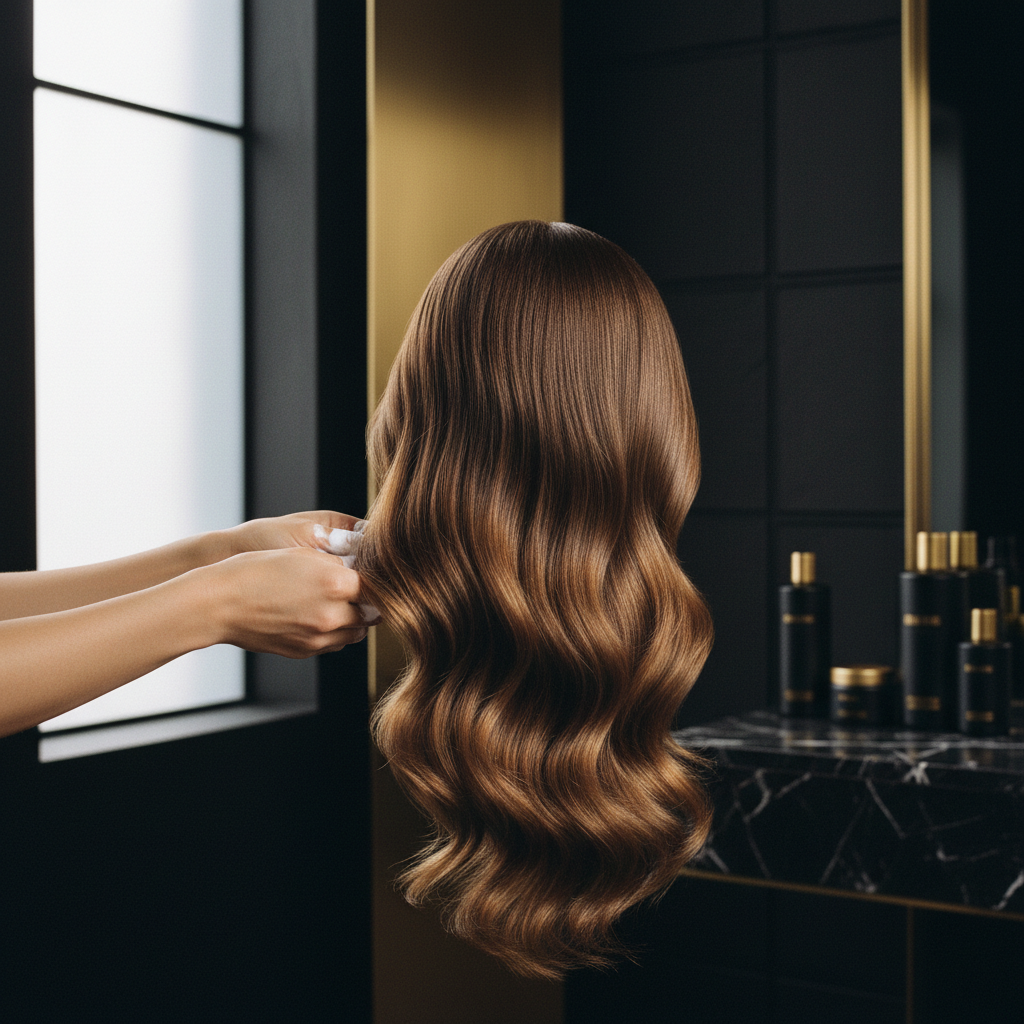
Quick answer: Hair Conditioning involves applying products that smooth the hair's outer cuticle, restore moisture, and create a protective layer. This process helps to reduce tangles, minimise frizz, enhance shine, and protect against mechanical damage and environmental stressors, ultimately making hair feel softer and more manageable. While vital for cosmetic improvement, Hair Conditioning primarily offers surface-level benefits and does not treat underlying follicular issues or significant hair loss, which require different approaches.
Key takeaways
- Conditioners work on the hair's surface by smoothing the cuticle and depositing beneficial ingredients.
- Ingredients like cationic surfactants reduce friction and static, making hair easier to comb.
- Regular Hair Conditioning helps prevent breakage, improves manageability, and enhances shine.
- Different conditioner types (rinse-out, deep, leave-in, co-wash) address various hair needs and concerns.
- Proper application focuses on mid-lengths and ends, allowing adequate processing time for optimal results.
- Hair Conditioning is a cosmetic treatment that improves hair appearance and feel, but does not address hair growth or shedding at the follicle.
Hair Conditioning: what the evidence shows
Hair Conditioning is a fundamental practice in hair care, designed to improve the feel, appearance, and physical properties of the hair fibre. The benefits of Hair Conditioning stem from the interaction of conditioner ingredients with the hair's outermost layer, the cuticle. When hair is shampooed or subjected to environmental stressors, chemical treatments, or heat styling, the cuticle scales can lift, making the hair rough, dull, prone to tangling, and vulnerable to damage. Conditioners work by smoothing these scales back down.
The mechanism of Hair Conditioning
The primary mechanism behind effective Hair Conditioning involves cationic (positively charged) surfactants. These molecules are attracted to the negatively charged sites on damaged hair, which are exposed when the cuticle is disrupted. This electrostatic attraction causes the cationic surfactants to deposit on the hair's surface, forming a thin, lubricating film. This film offers several benefits:
- Cuticle smoothing: By coating the hair shaft, the conditioner flattens the lifted cuticle scales. This results in a smoother surface, which reflects light better, increasing shine.
- Reduced friction: The lubricating layer significantly lowers the coefficient of friction between hair strands. This makes detangling easier, reducing the force required to comb through hair and consequently minimising mechanical damage and breakage.
- Anti-static effect: The positive charge of the surfactants neutralises the negative static charges on the hair, which are often generated by friction. This reduces flyaways and frizz, contributing to a sleeker appearance.
- Moisture retention: While not primarily a hydrating product, conditioners often contain humectants and emollients. Humectants (like glycerin) attract water from the atmosphere and bind it to the hair, while emollients (like fatty alcohols or oils) form an occlusive barrier that helps to reduce moisture loss from the hair shaft.
- Temporary repair: Some conditioners contain hydrolysed proteins, which are small enough to temporarily fill minor gaps in the cuticle, providing a temporary strengthening effect and reducing susceptibility to breakage.
Research published in the Journal of Cosmetic Science (2007) highlights that the effectiveness of conditioners is largely due to the deposition of these cationic ingredients, which create a conditioning layer that persists even after rinsing. This layer provides a protective barrier against further environmental and mechanical stress.
Signs your hair needs conditioning
Your hair often shows clear signs when it could benefit from improved Hair Conditioning. These include:
- Increased tangling: Hair that is difficult to comb or brush, especially when wet, often has a raised cuticle.
- Dullness: A lack of shine indicates a rough, uneven cuticle surface that isn't reflecting light efficiently.
- Rough texture: Hair that feels coarse or dry to the touch is typically lacking adequate conditioning.
- Frizz: Hair strands standing out from the main body of hair, particularly in humid conditions, often signals raised cuticles and a need for smoothing.
- Breakage: While not solely due to lack of conditioning, hair that snaps easily during styling often benefits from the lubrication and strengthening effects conditioners provide. (Note: Hair breakage is distinct from hair shedding or hair loss). You can learn more in the article Hair Damage: Causes, Signs, and Solutions.
What you can do: types of conditioners
Choosing the right conditioner depends on your hair type, concerns, and lifestyle. There are several categories, each with distinct formulations and benefits:
- Rinse-Out Conditioners: These are the most common type, applied after shampooing and rinsed out after a few minutes. They provide daily detangling, immediate smoothing, and basic moisture. They are suitable for most hair types and are a staple for maintaining overall hair health.
- Deep Conditioners (Hair Masques): These formulations are more intensive, containing higher concentrations of active ingredients like proteins, emollients, and humectants. They are designed to be left on the hair for 5 to 20 minutes to allow for deeper penetration and more profound benefits. They are particularly beneficial for dry, damaged, chemically treated, or colour-treated hair, offering enhanced repair, hydration, and fibre strength. They are typically used weekly or bi-weekly. For insights into other intensive treatments, you might explore The Science of Conditioners: How Hair Care Formulations Work.
- Leave-In Conditioners: As the name suggests, these are not rinsed out. They provide continuous conditioning and protection throughout the day. Leave-ins are excellent for detangling, frizz control, and adding an extra layer of moisture, especially for textured, very dry, or fine hair that needs volume without weight. They can also offer some heat protection if formulated with specific ingredients. For advice on specific hair types, see Moisturizing Afro-Textured Hair or Caring for Curly Hair.
- Co-Washing Conditioners: Short for "conditioner-only washing", these products are designed to gently cleanse the hair and scalp while simultaneously providing conditioning, minimising the stripping of natural oils. This method is often favoured by individuals with very dry, curly, or coily hair types who find traditional shampoos too harsh.
- Acidic Rinses: While not traditional conditioners, acidic rinses (like diluted apple cider vinegar) have a low pH that helps to flatten and seal the hair cuticle. They can be particularly useful after chemical treatments or colouring to rebalance the hair's pH and enhance shine. The pH Scale and Hair explains this mechanism in more detail.
Application techniques for optimal Hair Conditioning
Correct application significantly impacts the effectiveness of any conditioner:
- Remove excess water: Gently squeeze or towel-blot excess water from freshly shampooed hair before applying conditioner. This prevents dilution of the product and allows the active ingredients to adhere more effectively to the hair shaft.
- Focus on mid-lengths and ends: These areas are generally the oldest and most prone to dryness and damage. Avoid applying large amounts directly to the scalp, especially if you have an oily scalp, as this can weigh down hair or contribute to greasiness. For more on scalp care, see Oily Scalp Care: Understanding and Managing Excess Sebum.
- Distribute evenly: Use a wide-tooth comb or your fingers to ensure the conditioner is distributed thoroughly and evenly through the hair. This ensures all strands receive the conditioning benefits.
- Allow processing time: Follow the product instructions for how long to leave the conditioner on. For deep conditioners, this processing time is crucial for the ingredients to penetrate the outer layers of the hair fibre.
- Rinse thoroughly (for rinse-out types): Rinse rinse-out conditioners completely with cool or lukewarm water until the hair feels clean but not stripped. Cooler water helps to encourage the cuticle to lie flat, enhancing shine.
Hair damage vs. conditioning limitations
It's important to understand that while Hair Conditioning is excellent for improving the cosmetic state of your hair, it has limitations. Conditioners provide a temporary, surface-level treatment. They cannot fundamentally repair internal damage to the hair shaft, nor can they alter the hair's growth cycle or treat conditions like alopecia (hair loss) or telogen effluvium (hair shedding), which originate at the follicle. If you are experiencing significant hair thinning, increased shedding, or patchy hair loss, Hair Conditioning alone will not resolve these issues. Consult a dermatologist or trichologist for an accurate diagnosis and appropriate treatment. Conditions like Anagen Effluvium also require medical attention.
| Hair Concern | How Hair Conditioning Helps | What Hair Conditioning Cannot Do |
|---|---|---|
| Dryness | Adds moisture (humectants) and seals it in (emollients), making hair feel softer. | Treat underlying causes of physiological dryness (e.g., medical conditions affecting sebaceous glands). |
| Frizz & Flyaways | Smooths cuticle, neutralises static charge, creating a smoother appearance. | Permanently alter hair texture or cure conditions causing extreme porosity. |
| Tangles | Lubricates hair strands, reducing friction and making detangling easier, preventing breakage. | Change the physical structure of highly coiled or knotted hair that tangles easily. |
| Dullness | Creates a smooth, light-reflecting surface, enhancing shine. | Restore shine if the hair has severe internal damage that affects light refraction. |
| Breakage | Strengthens hair temporarily, reduces friction during styling, making it less prone to snapping. | Prevent breakage from severe chemical damage, extreme heat, or underlying nutrient deficiencies. |
| Hair Loss/Shedding | Improves cosmetic appearance of existing hair, making it look fuller and healthier. | Stimulate new hair growth or stop hair shedding from the follicle. |
Frequently asked questions about Hair Conditioning
How often should I condition my hair?
Most people benefit from conditioning their hair every time they shampoo, which typically ranges from 2 to 4 times a week, depending on hair type and lifestyle. If you have very dry, coarse, or chemically treated hair, you might benefit from more frequent conditioning, including the use of leave-in conditioners daily or deep conditioners weekly. Fine or oily hair types may need to condition less frequently, or focus conditioner application primarily on the ends of the hair.
Can conditioner make my hair oily?
Yes, conditioner can make your hair feel oily, especially if applied excessively to the scalp or if you use a formula that is too heavy for your hair type. Over-conditioning, particularly with rich, emollient-heavy products, can weigh down fine hair and contribute to a greasy appearance. To avoid this, concentrate conditioner on the mid-lengths and ends of your hair, and rinse thoroughly. If you have an oily scalp, consider using lightweight formulas or co-washing less frequently.
What's the difference between conditioner and deep conditioner?
The main difference lies in concentration and intensity. A regular rinse-out conditioner provides daily hydration, detangling, and smoothing. A deep conditioner, also known as a hair masque, has a higher concentration of reparative and moisturising ingredients. It's designed to be left on for a longer period (5 to 20 minutes) to allow for deeper penetration and more profound benefits, offering enhanced repair, hydration, and strength, usually on a weekly or bi-weekly basis for a boost in Hair Conditioning.
Is it possible to over-condition hair?
Yes, it is possible to over-condition hair, leading to a greasy, limp, or "over-moisturised" feeling. This can happen if you use too much product, choose a conditioner that's too rich for your hair type, or don't rinse it out properly. Symptoms of over-conditioned hair include a lack of volume, a heavy or sticky texture, and difficulty holding a style. If this occurs, a clarifying wash can help reset your hair by removing product build-up. See How to Do a Clarifying Wash: A Guide to Deep Hair Cleansing for more details.
Should I use conditioner on my scalp?
Generally, it's best to apply conditioner primarily to the mid-lengths and ends of your hair, as these are the oldest and most prone to dryness. Applying conditioner directly to the scalp can sometimes weigh down roots, contribute to greasiness, or potentially clog follicles for some individuals. However, if you have a dry or flaky scalp, certain specific scalp-conditioning treatments are formulated to be applied directly to the scalp without causing adverse effects, targeting scalp health rather than hair fibre conditioning.
Conclusion
Hair Conditioning is an indispensable step in a comprehensive hair care routine, offering significant cosmetic benefits by smoothing the hair's cuticle, improving manageability, and enhancing shine. By understanding the science behind how conditioners work and choosing the right products for your hair type, you can effectively protect your hair from daily wear and tear, reduce breakage, and maintain a healthier appearance. Remember that while Hair Conditioning dramatically improves the feel and look of your hair, it functions at the fibre's surface and should be complemented by appropriate solutions for any underlying scalp or follicular health concerns.
Sources and references
- Cosmetic Science, Journal of. "The efficacy of hair conditioning agents in improving hair physical properties." 2007.
- British Association of Dermatologists. "Hair Loss." https://www.bad.org.uk/for-the-public/patient-information-leaflets/hair-loss-alopecias/
- American Academy of Dermatology Association. "Hair care: How to wash your hair." https://www.aad.org/public/everyday-care/hair-care-basics/wash/wash-hair