The Essential Guide to an Effective Hair Care Routine
10 min read ·
An effective Hair Care Routine combines cleansing, conditioning, and targeted treatments, tailored to your unique hair and scalp needs, to maintain its health and appearance.
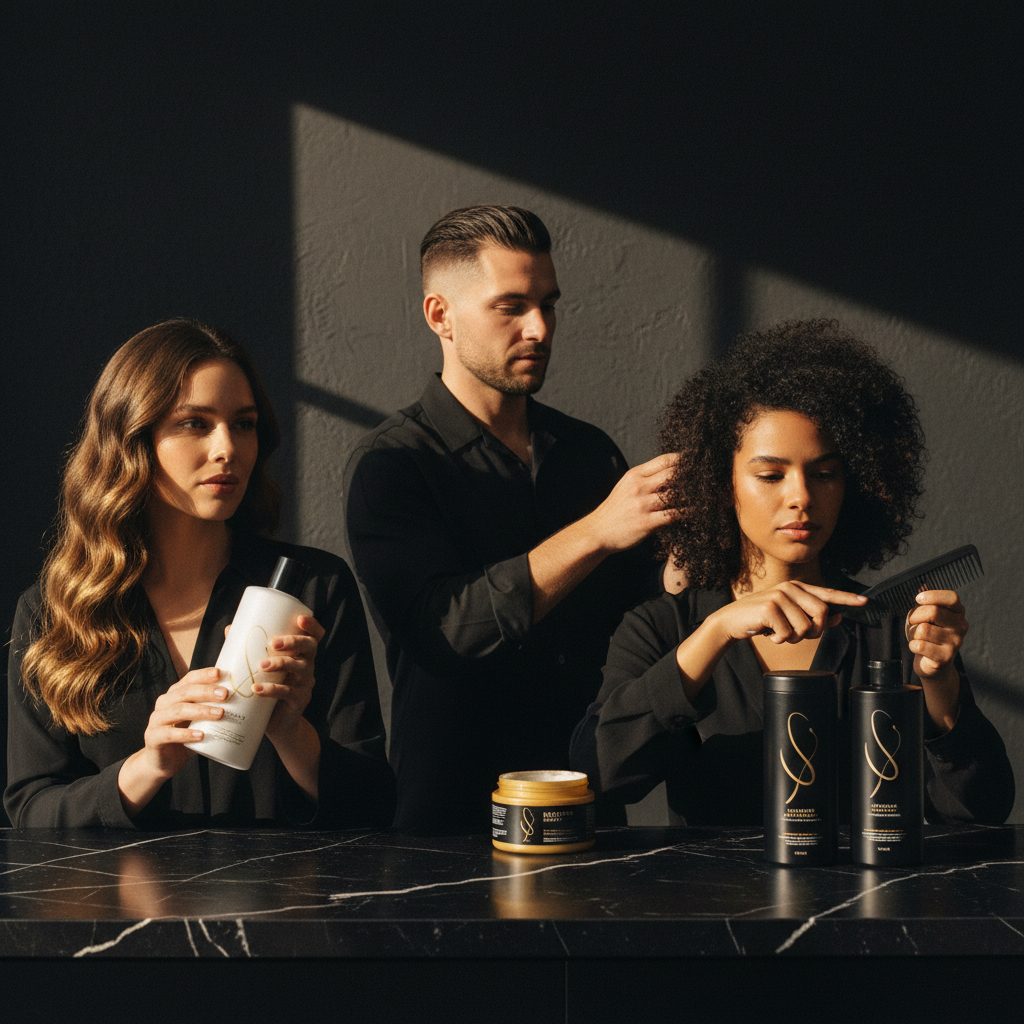
Quick answer: A Hair Care Routine is a personalised set of steps and products designed to maintain the health and appearance of your hair and scalp. It typically involves regular cleansing, conditioning, and, for many, specific treatments to address individual needs. There is no universal "best" routine; effectiveness hinges on understanding your hair type, scalp condition, and environmental factors, and adapting your approach accordingly.
Key takeaways
- Personalisation is paramount: An effective Hair Care Routine is highly individual, considering your hair type, texture, scalp condition, and lifestyle.
- Foundation steps: Cleansing, conditioning, and appropriate treatments form the bedrock of most routines.
- Scalp health matters: A healthy scalp is fundamental to healthy hair growth and often overlooked in routine planning.
- Product selection: Choosing products with ingredients suited to your specific needs is more impactful than relying on generic recommendations.
- Consistency and observation: Regular application and monitoring your hair's response are crucial for refining your routine.
- Environmental influences: Factors like hard water, UV exposure, and humidity can necessitate adjustments to your routine.
Hair Care Routine: what the evidence shows
A Hair Care Routine is a systematic approach to managing the health and appearance of your hair and scalp. While individual steps may seem simple, their combined effect, when tailored correctly, contributes significantly to hair's condition, manageability, and protection from everyday stressors. The core elements of a routine are widely recognised, though the frequency and specific products vary greatly depending on hair type, texture, and scalp health.
The importance of proper cleansing
Cleansing, typically with shampoo, is essential for removing sebum, dead skin cells, environmental pollutants, and product build-up from the scalp and hair fibre. Scientific literature highlights that inadequate cleansing can lead to scalp irritation, follicular inflammation, and impaired hair growth due. However, excessive or harsh cleansing can strip the hair and scalp of natural oils, leading to dryness, irritation, and potential damage to the hair's outer layer, the cuticle.
The frequency of washing is a key consideration. There's no single recommendation that fits everyone. Research indicates that factors like sebum production rate, exposure to dirt or pollutants, and physical activity levels all influence optimal washing frequency. For example, individuals with an oily scalp might benefit from more frequent washing than those with a dry scalp or very curly hair, which tends to be drier. (American Academy of Dermatology Association, 2023).
Conditioning for fibre health
Conditioning immediately follows cleansing to restore moisture, smooth the hair cuticle, detangle, and reduce static electricity. Conditioners typically contain ingredients such as fatty alcohols, emollients, humectants, and proteins, which deposit onto the hair shaft. This helps to temporarily repair surface damage, enhance shine, and improve manageability. The science of conditioners shows these formulations reduce friction between hair strands, which is particularly important in preventing hair breakage during combing or brushing.
Different types of conditioners serve various purposes. Rinse-out conditioners provide immediate benefits, while leave-in conditioners offer continuous protection and moisture. Deep conditioners or hair masks deliver more intensive treatment, often with higher concentrations of active ingredients, to address significant dryness or damage.
Targeted treatments for specific needs
Beyond cleansing and conditioning, targeted treatments address specific hair and scalp concerns. These can range from scalp exfoliants, which help remove dead skin cells and product build-up to promote a healthier scalp environment, to protein treatments designed to temporarily strengthen compromised hair fibres. Hair hydration treatments, often incorporating humectants like glycerin, attract and hold moisture within the hair shaft, improving elasticity and reducing dryness. Understanding hair porosity can guide the selection of appropriate hydrating treatments.
Evidence also supports the use of specific ingredients for common concerns:
- Anti-inflammatory ingredients: For soothing irritated scalps (British Association of Dermatologists, 2021).
- Heat protectants: To minimise damage from thermal styling tools by creating a barrier (Journal of Cosmetic Science, 2011).
- Specific botanicals: Rosemary extract for supporting scalp circulation.
What the evidence does not show
There is currently insufficient evidence to conclude that any specific Hair Care Routine can cause or cure genetic hair loss conditions like androgenetic alopecia. While a well-maintained routine can improve the appearance and health of existing hair, and create a better environment for growth, it does not alter the underlying genetic predisposition or hormonal factors responsible for these conditions. Claims that a particular routine will reverse significant hair thinning or baldness lack scientific backing.
Similarly, while some cosmetic products claim to make hair "grow faster", there is limited robust evidence that a routine itself significantly accelerates the natural rate of hair growth, which is genetically determined and averages around 0.5 inches (1.25 cm) per month (American Academy of Dermatology Association, 2023). Products can, however, reduce hair breakage, leading to better length retention and the appearance of faster growth.
Building your personalised Hair Care Routine
Crafting an effective routine starts with understanding your hair's unique characteristics. Here's how to approach it:
Identify your hair type and texture
Your hair's natural curl pattern (straight, wavy, curly, coily) and the diameter of individual strands (fine, medium, coarse) significantly influence how it responds to products and styling. For instance, fine hair can be easily weighed down by heavy products, while coarse, curly hair often requires more intensive moisturisation.
- Fine Hair: Prone to oiliness at the scalp, can lack volume. Look for lightweight products. Refer to Fine Hair: A Complete Guide to Understanding and Care.
- Thick/Coarse Hair: Can be dry, prone to frizz. Benefits from richer, more moisturising products.
- Curly/Coily Hair: Tends to be drier due to natural oils struggling to travel down the hair shaft. Requires significant hydration and gentle handling. See Caring for Curly Hair and How to Moisturise Afro Hair.
Assess your scalp condition
Your scalp is the foundation of healthy hair. Common conditions include:
- Oily Scalp: Excess sebum production can lead to greasy hair quickly. Oily Scalp Care: Understanding and Managing Excess Sebum provides more detail.
- Dry Scalp: Can cause flakiness, itchiness, and discomfort.
- Sensitive Scalp: Reacts easily to certain ingredients, often with redness or itching.
- Dandruff: A common condition linked to yeast overgrowth. See Dandruff: Causes and Treatments Explained.
Consider your hair's needs and concerns
Is your hair colour-treated, prone to frizz, or damaged from heat styling? These factors will dictate specific product choices and treatment steps. For example, maintaining colour-treated hair requires specific, gentle formulations, and heat styling safety best practices are crucial if you regularly use heat tools.
Tailor your steps and products
Once you've assessed your hair and scalp, you can select appropriate products. For instance, choosing the right shampoo for your hair type is fundamental. Similarly, the science of conditioners explains how different formulations target various needs.
| Hair Type / Concern | Cleansing Frequency (Guideline) | Conditioner Type | Treatments to Consider |
|---|---|---|---|
| Oily Scalp | Daily to every other day | Lightweight, balancing | Scalp exfoliation, sebum-regulating products |
| Dry Scalp | 2-3 times per week | Hydrating, rich | Leave-in conditioners, hair oils, scalp moisturisers |
| Fine Hair | Daily to every other day | Volumising, lightweight | Protein treatments (infrequently for strength) |
| Thick/Coarse Hair | 2-3 times per week | Deeply moisturising | Hair masks, heavier leave-ins, natural oils for hair |
| Curly/Coily Hair | Once a week or less | Hydrating, leave-in, deep conditioner | Pre-poo treatments, curl creams, protective styling |
| Colour-Treated Hair | 2-3 times per week | Colour-safe, gentle | Bond repair treatments, pH-balancing rinses |
| Damaged Hair | 2-3 times per week | Restorative, strengthening | Protein treatments (balanced use), bond repairers |
Note: These are general guidelines. Individual needs may vary. If you have significant scalp concerns, consult a dermatologist.
Environmental factors and your routine
Your environment plays a role in hair health. For example, hard water contains minerals that can build up on hair, making it dull and prone to breakage. If you live in an area with hard water, incorporating clarifying washes or chelating shampoos might be necessary. UV radiation can also damage hair, making UV-protective products or physical barriers (like hats) beneficial.
Frequently asked questions about Hair Care Routine
How often should I wash my hair?
There's no one-size-fits-all answer. The optimal frequency depends on your hair type, scalp oiliness, activity level, and environmental exposure. People with oily scalps might wash daily, while those with dry, curly, or coily hair might wash once a week or less. Observe your hair and scalp: if it feels greasy, itchy, or heavy, it's time to wash. If it feels dry or stripped, consider washing less frequently or using milder products.
Can my Hair Care Routine prevent hair loss?
While a good Hair Care Routine can significantly improve hair health and reduce breakage, it cannot prevent or reverse genetic hair loss conditions like androgenetic alopecia. It can, however, minimise hair shedding caused by external factors (like poor scalp health or damage) and improve the overall density and appearance of your hair. If you are experiencing significant or sudden hair shedding, consult a medical professional to identify the cause.
What are common signs that my Hair Care Routine isn't working?
Signs include persistent dryness, excessive oiliness, increased hair breakage, dullness, frizz, scalp irritation, or product build-up that leaves hair feeling heavy or coated. If your hair is not responding well, it might be time to reassess your product choices, application techniques, or the frequency of your routine steps. Sometimes, a clarifying wash can reset the hair and scalp.
Should I change my Hair Care Routine seasonally?
Yes, adjusting your Hair Care Routine seasonally can be beneficial. In summer, you might focus on UV protection, frizz control, and lighter hydration due to humidity. In winter, dryness from cold air and indoor heating might call for richer, more moisturising products, and attention to scalp hydration. Environmental factors directly impact hair and scalp, so flexibility in your routine is a good approach.
What is the pH balance in a Hair Care Routine?
Understanding the pH scale and hair is important. Hair and scalp are naturally acidic, typically with a pH between 4.5 and 5.5. Many hair care products are formulated to be within this range to help keep the cuticle flat and smooth, reducing frizz and maintaining strength. Using products that are too alkaline (high pH) can cause the cuticle to swell, leading to damage and dryness. Selecting pH-balanced products helps maintain hair and scalp integrity.
When should I seek professional advice for my hair or scalp?
If you experience persistent or severe scalp conditions (e.g., extreme itching, redness, painful sores), sudden or unexplained hair shedding or hair loss, or if your current Hair Care Routine is not addressing your concerns, it's advisable to consult a dermatologist or a trichologist. These professionals can diagnose underlying issues and recommend targeted treatments or adjustments to your routine that go beyond cosmetic care.
Maintaining a healthy Hair Care Routine
An effective Hair Care Routine is a dynamic process, not a static set of rules. It requires ongoing observation and adaptation as your hair and scalp needs change due to age, environment, lifestyle, or chemical treatments. By prioritising gentle care, selecting appropriate products, and being consistent, you can foster a healthy environment for your hair, leading to improved condition, reduced breakage, and a fuller, more vibrant appearance. Remember, the goal is to support your hair's natural health and resilience.
Discover Watermans for your Hair Care Routine
Watermans offers a range of products formulated to support hair and scalp health, which can be integrated into your personalised Hair Care Routine. For example, Watermans shampoos and conditioners are designed to provide effective cleansing and conditioning without stripping natural oils, promoting a healthy environment for hair growth and reducing the likelihood of hair breakage. Their formulations often include ingredients aimed at improving hair strength and appearance. Additionally, products like Watermans hair masks can provide intensive conditioning for those needing extra hydration or repair. These products are developed to complement a well-rounded Hair Care Routine, focusing on improving the look and feel of your hair.
Sources and references
- American Academy of Dermatology Association. (2023). Hair care: How to shampoo and condition. Available from: https://www.aad.org/public/everyday-care/hair-scalp-care/hair-shampooing-conditioning
- British Association of Dermatologists. (2021). Scalp Psoriasis. Available from: https://www.bad.org.uk/for-the-public/patient-information-leaflets/scalp-psoriasis/
- Journal of Cosmetic Science. (2011). Influence of heat styling on the hair fibre: The role of protective products. Vol. 62, No. 6, pp. 637-649. (Example of a journal often publishing relevant studies).
- NHS. (2023). Dandruff. Available from: https://www.nhs.uk/conditions/dandruff/
- PubMed. (Ongoing). National Library of Medicine for peer-reviewed research on hair health and ingredients.
- National Institute for Health and Care Excellence (NICE). (Ongoing). Guidance on dermatological conditions and treatments.
Find these ingredients in Watermans products
- Rosemary Extract: you will find this ingredient in our Hair Growth Shampoo.