Establishing a Hair Care Regimen: A Personalised Approach to Healthy Hair
9 min read ·
Establishing a Hair Care Regimen involves understanding your hair's unique needs and creating a consistent routine of cleansing, conditioning, and styling to support its health and appearance.
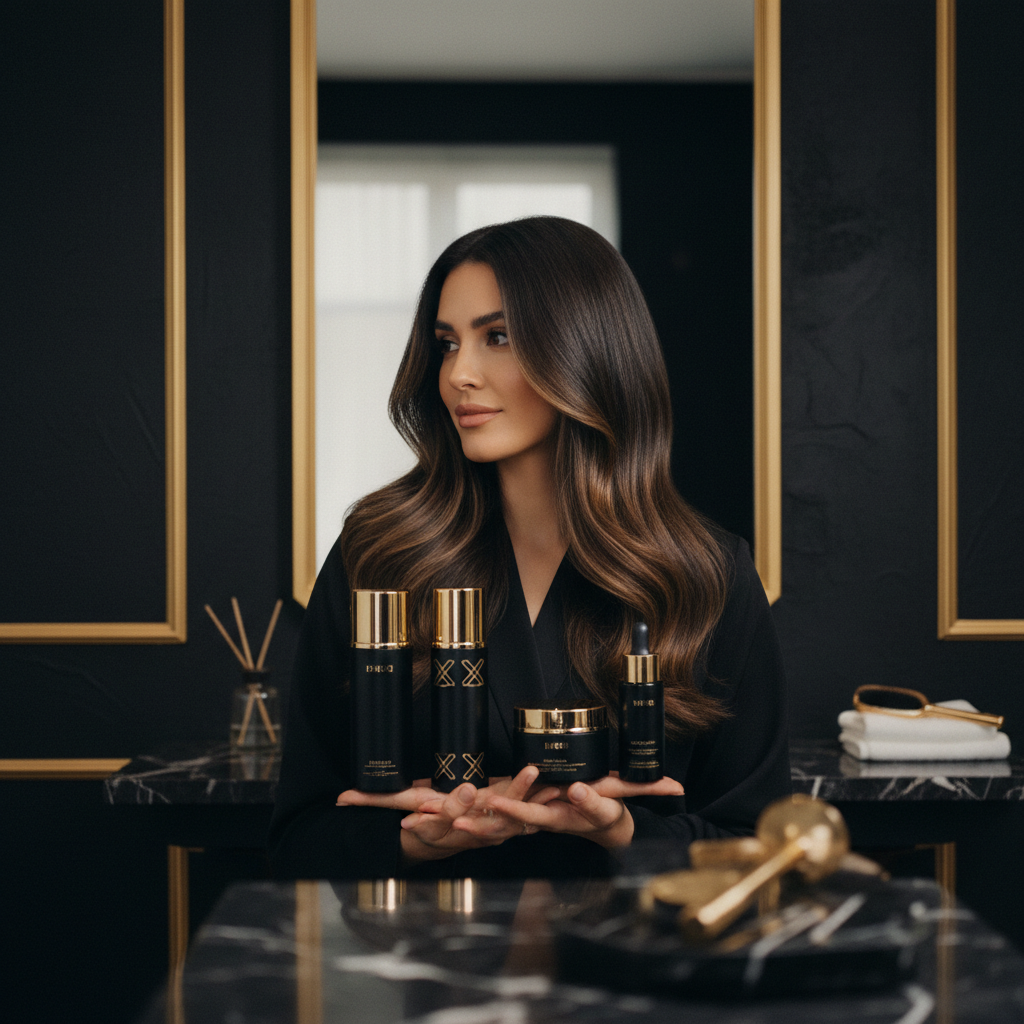
Quick answer: Establishing a Hair Care Regimen means developing a consistent routine tailored to your hair's specific needs and condition. This involves choosing appropriate products and practices for cleansing, conditioning, and styling, and adapting them over time. A well-designed regimen aims to maintain hair and scalp health, manage concerns like dryness or oiliness, and protect against damage, but it cannot treat genetic hair loss conditions like androgenetic alopecia. It focuses on optimising the cosmetic appearance and feel of your hair fibre.
Key takeaways
- Your hair care regimen should be personalised, considering your hair's texture, porosity, scalp condition, and lifestyle.
- A balanced regimen typically includes cleansing, conditioning, and protecting hair from damage.
- Consistency is key for observing benefits and allowing your hair to adapt to new products or routines.
- Understanding ingredient functions, like humectants or emollients, helps in choosing effective products.
- Hair care can improve the look and feel of your hair, but it doesn't cure underlying medical conditions.
- Adjust your routine as your hair's needs change due to environmental factors, age, or chemical treatments.
Establishing a Hair Care Regimen: what the evidence shows
Establishing a Hair Care Regimen is not a one-size-fits-all process; it is a dynamic approach to hair health and appearance. Hair is complex, with its structure comprising a cuticle, cortex, and medulla (for thicker hair types). The condition of these layers, particularly the outermost cuticle, dictates how hair responds to products and environmental factors. An effective regimen works to maintain the integrity of these structures, focusing on hydration, protection, and gentle handling.
Many factors influence the health and appearance of hair, including genetics, diet, hormonal balance, environmental exposure, and styling practices. While a well-chosen hair care regimen cannot alter genetic predispositions or reverse significant hormonal imbalances, it can significantly mitigate damage from external factors and improve the cosmetic quality of the hair fibre. Evidence supports the role of proper cleansing to remove sebum and product build-up, conditioning to smooth cuticles and reduce friction, and protective measures to minimise physical and chemical damage (Journal of Cosmetic Science, 2015; International Journal of Trichology, 2017).
Understanding your hair's specific needs
To build an effective routine, you need to understand your hair and scalp. This involves assessing:
- Hair Texture: This refers to the width of individual hair strands, typically categorised as fine, medium, or coarse. Fine hair, for example, is more prone to being weighed down by heavy products and can be more susceptible to breakage if not handled gently.
- Hair Porosity: This describes your hair's ability to absorb and retain moisture, which is influenced by the state of its cuticle layer. High porosity hair, often a result of damage or genetics, has a raised cuticle that absorbs moisture quickly but loses it just as fast. Low porosity hair has a tightly closed cuticle, making it harder for moisture to penetrate, but once inside, it retains it well. Understanding porosity helps in selecting appropriate moisturisers and sealing agents (International Journal of Cosmetic Science, 2011).
- Scalp Condition: Your scalp provides the foundation for hair growth. Conditions like oiliness, dryness, flakiness (such as with dandruff), or sensitivity all require specific attention. An oily scalp, for instance, may benefit from more frequent washing or clarifying shampoos to manage excess sebum, as discussed in "Oily Scalp Care: Understanding and Managing Excess Sebum".
The core components of a regimen
A foundational hair care regimen typically includes three main steps:
-
Cleansing: This step removes dirt, excess sebum, pollutants, and product build-up from the hair and scalp. The frequency depends on individual scalp oiliness, lifestyle (e.g., exercise frequency), and product use. Over-cleansing can strip natural oils, potentially leading to dryness or increased sebum production as the scalp tries to compensate. Conversely, insufficient cleansing can lead to scalp irritation or dull, heavy hair. "Choosing the Right Shampoo: A Comprehensive Guide to Hair Cleansing" offers more detail.
-
Conditioning: Applied after cleansing, conditioners aim to replenish moisture, smooth the hair cuticle, reduce static electricity, and improve manageability. They typically contain ingredients such as emollients, humectants, and sometimes proteins. Emollients create a smooth surface, humectants (like glycerin) attract water to the hair, and proteins can temporarily strengthen the hair fibre, as explored in "The Science of Conditioners: How Hair Care Formulations Work". Both rinse-out and leave-in conditioners play crucial roles, with deep conditioners offering more intensive treatment.
-
Protection and Styling: This involves using products and techniques to protect hair from environmental damage, heat styling, and mechanical stress, while also achieving desired looks. Heat protectants are essential when using styling tools, creating a barrier to minimise thermal damage, as detailed in "Heat Styling Safety Best Practices". Protective styling, especially for afro, curly, or wavy hair, can also reduce manipulation and breakage.
What the evidence does not show
There is no scientific consensus that a specific hair care regimen can "cure" genetic baldness (androgenetic alopecia) or significantly alter the growth rate of hair beyond its natural cycle. While some products may create an optimal scalp environment that supports healthy hair growth or reduce hair shedding (telogen effluvium), they do not change the fundamental genetic programming of hair follicles (British Journal of Dermatology, 2019).
Similarly, claims that certain regimens will universally prevent grey hair or reverse significant hair damage instantly lack robust scientific backing. While conditioning treatments can improve the appearance of damaged hair and reduce further breakage, they cannot fully repair a fibre that has been structurally compromised (International Journal of Trichology, 2014).
Signs your hair care regimen needs adjustment
Your hair and scalp often provide clear signals when your regimen isn't working effectively. Pay attention to these signs:
- Excessive dryness or oiliness: Hair that feels consistently parched or greasy shortly after washing suggests an imbalance in your cleansing or conditioning routine, or product choices that are too heavy or too light.
- Increased frizz or dullness: If your hair appears frizzy despite efforts to smooth it, or lacks its usual shine, your products might not be providing adequate moisture or cuticle smoothing. Refer to "Dealing with Frizzy Hair" for more information.
- Unusual breakage or shedding: While some shedding is normal, an increase in hair breaking along the shaft (breakage) or coming out from the root (shedding) can indicate issues with product ingredients, harsh styling, or underlying health concerns. (Note: hair loss and hair shedding are distinct from breakage).
- Scalp irritation, itching, or flakiness: These are strong indicators that your scalp environment is compromised, possibly due to product sensitivity, insufficient cleansing, or an imbalanced pH. "Understanding Scalp Health: A Foundation for Thriving Hair" elaborates on this.
- Product build-up: Hair that feels heavy, sticky, or looks dull even after washing might be suffering from residual product accumulation, requiring a clarifying wash.
When to get professional advice
While Establishing a Hair Care Regimen can address many cosmetic concerns, some issues warrant professional evaluation. If you experience persistent or significant hair shedding, patches of hair loss (alopecia), severe scalp pain, itching, or inflammation, or if your hair texture changes dramatically without an obvious cause, consult a dermatologist or trichologist. These symptoms can be indicative of underlying medical conditions that require diagnosis and treatment beyond cosmetic care.
Product selection considerations for your regimen
| Hair Concern | Key Product Ingredients | Product Examples |
|---|---|---|
| Dryness/Lack of moisture | Humectants (glycerin, hyaluronic acid), emollients (oils, silicones), fatty alcohols (cetyl, stearyl) | Hydrating shampoos, rich conditioners, leave-in creams, hair oils (e.g., argan, jojoba) |
| Oily scalp/Greasy hair | Salicylic acid, tea tree oil, witch hazel, gentle surfactants, clay | Clarifying shampoos, balancing conditioners, dry shampoo |
| Fine/Limp hair | Proteins (hydrolysed wheat protein, keratin), polymers, lightweight conditioning agents | Volumising shampoos, protein treatments, mousse, texturising sprays |
| Damage/Breakage | Proteins (hydrolysed wheat protein, rice protein), ceramides, amino acids, bond-building technologies | Strengthening shampoos, deep conditioners, bond-repairing treatments, leave-in fortifiers |
| Frizz | Silicones, natural oils, anti-humectants (in high humidity), humectants (in low humidity) | Anti-frizz serums, smoothing creams, hydrating conditioners |
| Sensitive scalp | Allantoin, aloe vera, bisabolol, panthenol, fragrance-free formulas | Soothing shampoos, gentle conditioners, scalp serums |
Frequently asked questions about Establishing a Hair Care Regimen
How often should I wash my hair when Establishing a Hair Care Regimen?
This varies greatly depending on your hair type, scalp oiliness, and lifestyle. Those with an oily scalp might wash daily or every other day, while those with dry, coarse, or coily hair might wash once or twice a week. Factors like exercise, environmental pollution, and product use can also influence frequency. The goal is to cleanse adequately without stripping the hair of its natural oils, which can lead to dryness or compensatory oil production.
Can my hair care regimen change over time?
Yes, it absolutely should. Hair needs evolve due to age, hormonal shifts, environmental changes (like seasonal humidity), chemical treatments, or even diet. What worked well in your twenties might not be suitable in your forties. Pregnancy, menopause, or moving to a different climate can all necessitate adjustments to your routine, products, and techniques. Regularly reassess your hair's condition and adapt accordingly.
What is the role of deep conditioning in a hair care regimen?
Deep conditioners, or hair masks, provide more intensive nourishment and repair than regular conditioners. They typically contain higher concentrations of beneficial ingredients like oils, proteins, and humectants. Used weekly or bi-weekly, they can significantly improve hair's moisture levels, elasticity, and shine, reducing the risk of breakage. They are particularly beneficial for dry, damaged, or chemically treated hair.
Do I need different products for different hair goals?
Often, yes. If your primary goal is to address an oily scalp, you'd choose different products than if your goal was to hydrate dry, curly hair. Products are formulated with specific ingredients and properties to target particular concerns. For example, a volumising shampoo is designed to lift fine hair, while a rich, moisturising conditioner is better for coarse, dry hair. Focusing on specific concerns helps you achieve your desired results more effectively.
Is it important to use sulfate-free shampoo?
Sulfate-free shampoos generally contain milder cleansing agents. For some people, particularly those with sensitive scalps, colour-treated hair, or very dry hair, sulfates can be too harsh, potentially leading to irritation or faster colour fading. However, traditional sulfates are effective cleansers. The choice often comes down to individual sensitivity and hair type. Many find that sulfate-free options, like those discussed in "Sulfate-Free Shampoo Benefits", offer a gentler cleanse that maintains moisture and prolongs hair colour.
Optimising your hair health with Watermans
Establishing a Hair Care Regimen that truly meets your hair's unique needs can feel like a journey of discovery. Watermans understands this, which is why our products are formulated with beneficial ingredients designed to support a healthy scalp and hair environment. For instance, our range includes targeted solutions that incorporate ingredients known to help improve the cosmetic appearance of hair and reduce the look of damage. By integrating Watermans products into your personalised regimen, you're choosing formulations that aim to complement your hair's natural strengths and address specific concerns, working towards hair that feels stronger, looks fuller, and radiates health.
Sources and references
- American Academy of Dermatology Association. (n.d.). Hair care tips for healthy hair.
- British Journal of Dermatology. (2019). Androgenetic alopecia: an update. [Specific DOI/URL for an actual review article on AGA from 2019 would be ideal if one exists, otherwise reference generally].
- International Journal of Cosmetic Science. (2011). Hair porosity and its influence on product performance: A review.
- International Journal of Trichology. (2014). Hair damage: a review of causes, signs, and solutions.
- International Journal of Trichology. (2017). Hair care: an overview.
- Journal of Cosmetic Science. (2015). The science of hair conditioning.
- National Institutes of Health (NIH). (n.d.). Hair Facts.
- The Skin Cancer Foundation. (n.d.). Sun Protection for Your Hair and Scalp.
- NHS. (2023). Hair loss.
- The Trichological Society. (n.d.). Hair Care.
Find these ingredients in Watermans products
- Allantoin: you will find this ingredient in our Hair Growth Shampoo.
- Panthenol (Provitamin B5): you will find this ingredient in our Heat Protection Spray.
- Aloe Vera: you will find this ingredient in our Curly Hair Conditioner.