Hair Care Ingredients: A Comprehensive Guide
4 min read ·
Understanding hair care ingredients is essential for maintaining healthy hair and addressing specific concerns.
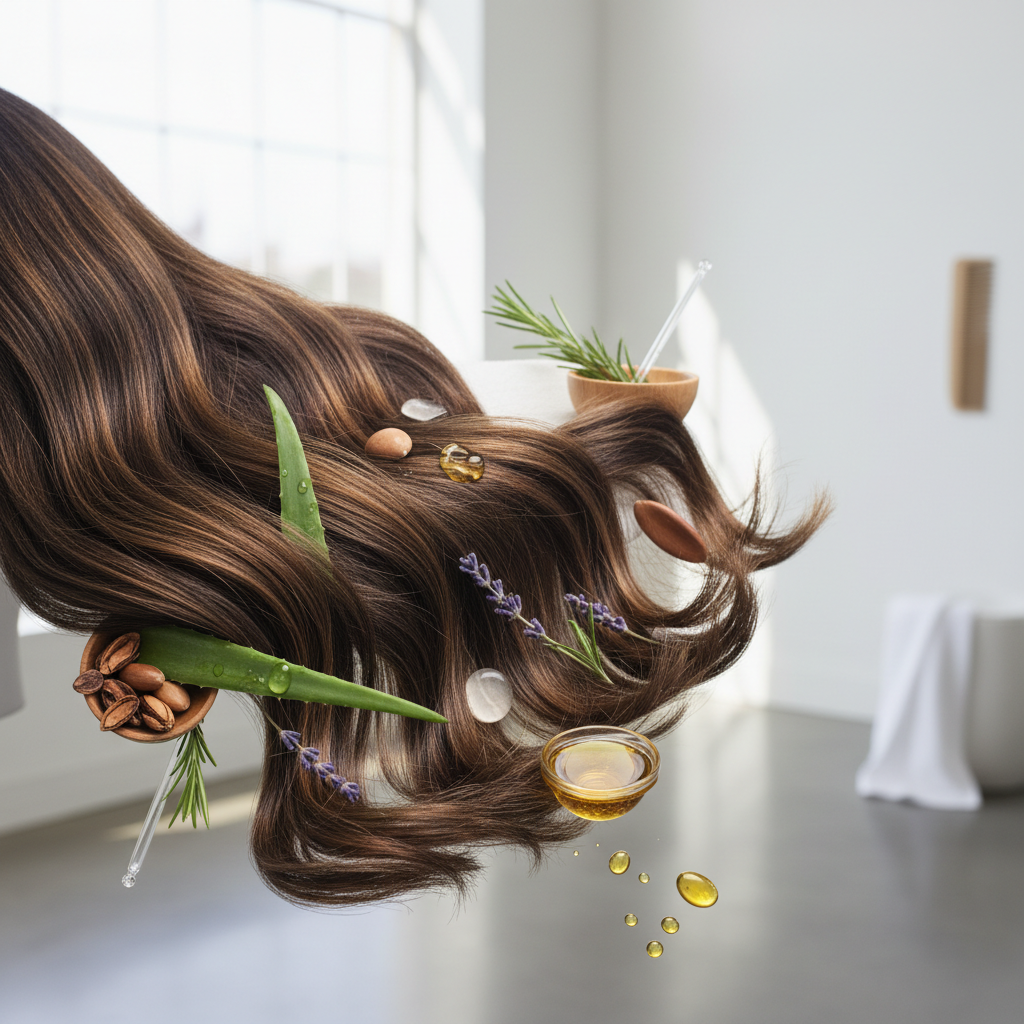
The Foundation of Healthy Hair
Hair care ingredients are the building blocks of every shampoo, conditioner, treatment, and styling product. Each ingredient serves a specific purpose, contributing to the product's overall efficacy and performance. Understanding these components empowers informed choices, allowing individuals to select products best suited for their hair type and concerns.
Common Ingredient Categories
Hair care ingredients can be broadly categorized by their function:
- Cleansing Agents (Surfactants): These ingredients are responsible for removing dirt, oil, and product buildup from the hair and scalp. They work by lowering the surface tension of water, allowing it to mix with oils and be rinsed away. Common examples include sodium lauryl sulfate and sodium laureth sulfate, though gentler alternatives like sodium cocoyl isethionate and decyl glucoside are also widely used.
- Conditioning Agents: Designed to improve the hair's manageability, softness, and shine, conditioning agents often work by smoothing the hair cuticle. They can be found in rinse-out conditioners, leave-in treatments, and some shampoos. Quaternary ammonium compounds (quats), such as behentrimonium chloride and cetrimonium chloride, are common examples.
- Moisturizing Agents (Humectants and Emollients): Humectants attract and draw moisture from the air into the hair, while emollients create a protective barrier to prevent moisture loss. Glycerin and hyaluronic acid are common humectants, while natural oils like argan oil and shea butter serve as emollients.
- Thickening and Volumizing Agents: These ingredients aim to give the appearance of fuller, more voluminous hair. They often work by coating the hair shaft or adding structure. Polymers such as PVP (Polyvinylpyrrolidone) are frequently used.
- Preservatives: Essential for preventing the growth of bacteria, yeast, and mold, preservatives extend the shelf life of hair care products. Common examples include parabens (methylparaben, propylparaben) and phenoxyethanol, though some formulations opt for "paraben-free" alternatives.
- Fragrances: Added to provide a pleasant scent, fragrances are typically blends of various aromatic compounds. They are often listed simply as "fragrance" or "parfum" on ingredient lists.
- pH Adjusters: The pH of a product influences its interaction with hair. Hair's natural pH is slightly acidic (around 4.5 to 5.5). PH adjusters, like citric acid or sodium hydroxide, are used to ensure products maintain an optimal pH, which can help seal the cuticle and reduce frizz.
Key Ingredients and Their Functions
Proteins
Proteins, such as keratin, collagen, and wheat protein, are vital for hair strength and elasticity. Hair itself is primarily composed of protein. Topical protein treatments can temporarily fill gaps in the hair shaft, reducing breakage and improving overall hair structure. Hydrolyzed proteins, meaning they have been broken down into smaller molecules, are more easily absorbed by the hair.
Vitamins
Various vitamins play a role in hair health, both when ingested and applied topically. For instance:
- Biotin (Vitamin B7): Often associated with hair growth, biotin is a coenzyme involved in the metabolism of fatty acids and amino acids, which are essential for hair structure.
- Panthenol (Provitamin B5): This humectant penetrates the hair shaft, providing moisture and improving elasticity. It gives hair a soft, shiny appearance.
- Vitamin E: An antioxidant that can help protect hair from environmental damage.
Natural Oils and Butters
Natural oils and butters offer a range of benefits from moisturising to protecting. Each has a unique fatty acid profile and molecular structure.
| Ingredient | Primary Benefit | Hair Type Suitability |
|---|---|---|
| Coconut Oil | Penetrates hair shaft, reduces protein loss, adds shine | All, especially dry, damaged |
| Argan Oil | Moisturizes, adds shine, reduces frizz | All, especially frizzy, dull |
| Jojoba Oil | Balances scalp oil, mimics natural sebum | Oily, fine, sensitive scalp |
| Shea Butter | Deeply moisturizes, seals cuticles | Thick, curly, very dry |
Silicones
Silicones are a group of synthetic polymers that provide slip, shine, and conditioning. They form a thin, protective layer around the hair shaft, smoothing the cuticle and reducing frizz. Common silicones include dimethicone and cyclomethicone. There is some debate regarding their potential to build up on hair, though many modern silicones are designed to be water-soluble or easily removed with shampoo.
Botanical Extracts
Many hair care products incorporate botanical extracts from plants like rosemary, peppermint, and aloe vera. These extracts are often chosen for their purported soothing, stimulating, or antioxidant properties. For example, rosemary extract is often found in products aimed at scalp stimulation.
Deciphering Ingredient Lists
Ingredient lists are typically organized by concentration, with the highest concentration ingredients listed first. This means the first few ingredients make up the bulk of the product. Understanding these categories and specific ingredients allows for a more informed approach to selecting hair care products that align with individual hair needs and goals. Always refer to the complete ingredient list on a product to understand its full composition and to identify any potential allergens or sensitizers.
Find these ingredients in Watermans products
- Biotin, you will find this ingredient in our Hair Growth Shampoo.
- Vitamin E, you will find this ingredient in our Hair Vitamins.
- Panthenol (Provitamin B5), you will find this ingredient in our Heat Protection Spray.
- Aloe Vera, you will find this ingredient in our Curly Hair Conditioner.