Hair Brushing Fundamentals
4 min read ·
Effective hair brushing is crucial for maintaining hair health, distributing natural oils, detangling, and stimulating the scalp.
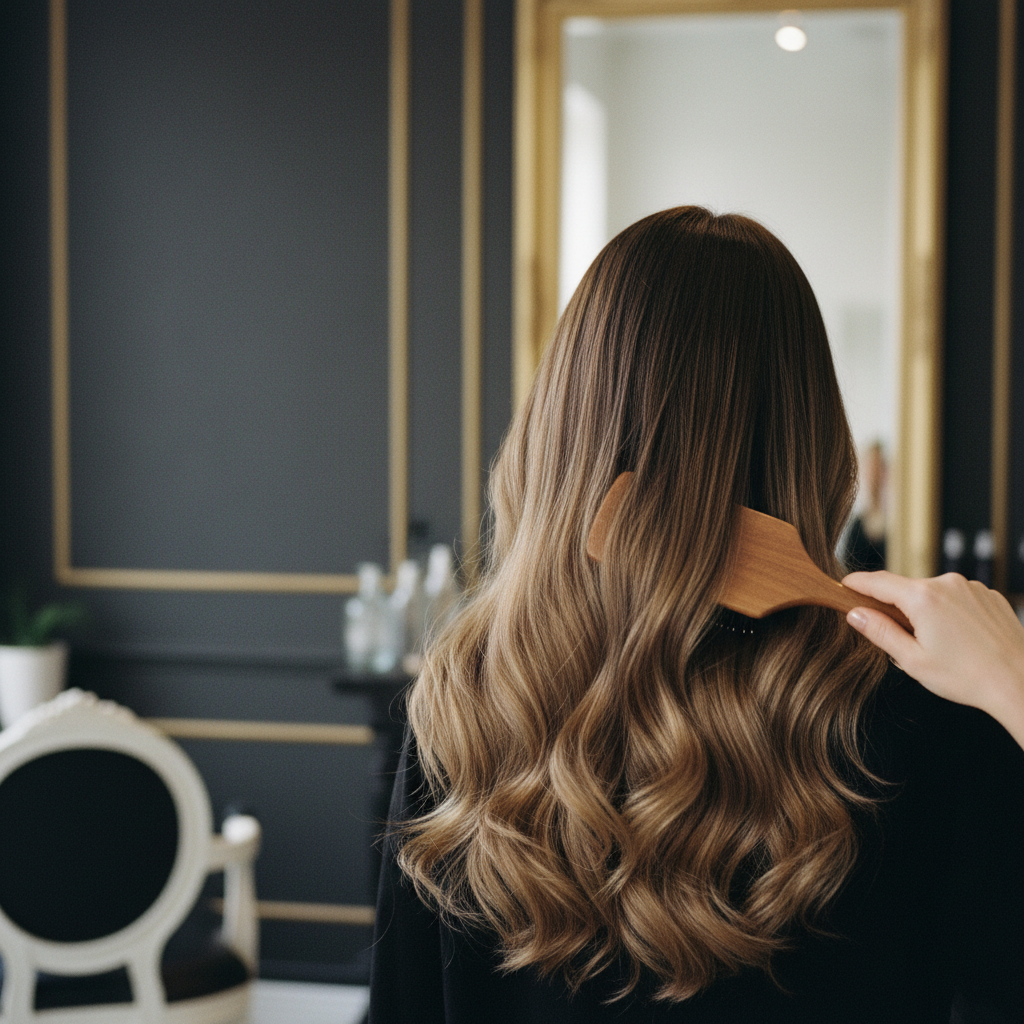
The Purpose of Hair Brushing
Hair brushing serves multiple essential functions beyond mere styling. It is a fundamental practice for maintaining scalp and hair health.
- Detangling: Brushing helps to smooth out knots and tangles, preventing matting and breakage, particularly before washing or styling.
- Oil Distribution: The act of brushing helps to spread the natural oils (sebum) produced by the scalp down the hair shaft. This process conditions the hair, adds natural shine, and protects against environmental damage.
- Scalp Stimulation: Brushing gently massages the scalp, increasing blood circulation. This improved circulation can contribute to a healthier scalp environment.
- Exfoliation: Brushing helps to dislodge dead skin cells, product buildup, and environmental pollutants from the scalp and hair.
Tools for Effective Brushing
Selecting the appropriate brush for your hair type and desired outcome is paramount. Using the wrong brush can cause damage, frizz, or ineffective results.
Brush Types and Their Uses
| Brush Type | Description | Ideal For |
|---|---|---|
| Paddle Brush | Large, flat, and wide with a cushioned base. Often features plastic or nylon bristles. | Detangling long, thick, or straight hair. Creating smooth, sleek styles. |
| Vented Brush | Features open spaces between bristles, allowing airflow. Typically made with plastic or nylon. | Speeding up blow-drying. Adding volume during styling. |
| Round Brush | Cylindrical barrel brushes, available in various diameters. Bristles can be natural, synthetic, or mixed. | Creating curls, waves, or adding body and volume during blow-drying. |
| Boar Bristle Brush | Made from natural boar bristles, often densely packed. | Distributing natural oils, adding shine, smoothing hair, styling fine to normal hair. |
| Denman Brush | Features rows of widely-spaced, stiff nylon pins set in a rubber pad. | Detangling curly, coily, or textured hair. Defining curls. |
| Wide-Tooth Comb | Essential for detangling wet hair. | Detangling wet hair of all types, especially curly and fragile hair. |
Bristle Materials
Bristles are a critical component influencing a brush's performance:
- Natural Bristles (e.g., Boar): Excellent for distributing natural oils and creating shine. Gentler on the hair cuticle. Best for fine to normal hair.
- Synthetic Bristles (e.g., Nylon): More rigid and effective for detangling thicker hair or stimulating the scalp. Can be heat-resistant.
- Mixed Bristles: Combine the benefits of natural and synthetic bristles for detangling and smoothing.
Proper Brushing Techniques
Correct technique minimizes damage and maximizes benefits.
Brushing Dry Hair
- Start from the Ends: Begin by gently detangling the ends of your hair, working your way up towards the roots. This prevents pushing tangles down and creating larger knots.
- Sectioning (Optional but Recommended): For thick or long hair, divide it into smaller sections with clips. This makes detangling more manageable.
- Gentle Strokes: Use slow, deliberate strokes. Avoid aggressive pulling or tugging, as this can cause breakage and damage to the hair shaft.
- Frequency: Brushing once or twice daily is generally sufficient for distributing oils and detangling. Over-brushing can cause unnecessary friction.
Brushing Wet Hair
Wet hair is significantly more fragile and elastic than dry hair, making it highly susceptible to breakage.
- Use a Wide-Tooth Comb or a Denman Brush: These tools are designed to glide through wet hair with minimal friction.
- Apply a Detangling Product: A leave-in conditioner or detangling spray can provide slip and reduce friction.
- Work in Sections: As with dry hair, start from the ends and carefully work upwards.
- Avoid Brushing if Possible: If your hair type allows, gently comb through wet hair with your fingers or a wide-tooth comb and allow it to air-dry partially before attempting a brush.
Scalp Brushing
Dedicated scalp brushing can be beneficial, particularly with a brush designed for scalp massage. This can help exfoliate the scalp and stimulate blood flow.
- Technique: Use gentle, circular motions or short strokes across the scalp. Avoid harsh scratching.
- Frequency: A few minutes daily, either on dry hair or before shampooing.
Common Brushing Mistakes to Avoid
- Brushing Hair When Soaking Wet: As discussed, this is a primary cause of breakage. The hair shaft is most vulnerable when saturated with water, as the cuticle layers are raised and more prone to damage.
- Using the Wrong Brush: A boar bristle brush on thick, curly hair might not effectively detangle, while a paddle brush on very fine hair might be too aggressive.
- Brushing from the Roots Down: This shoves tangles together, making them harder to remove and increasing breakage.
- Aggressive Brushing: Hasty or forceful brushing causes unnecessary friction, leading to frizz, split ends, and breakage.
- Dirty Brushes: Brushes accumulate hair, dead skin, and product residue. A dirty brush can redeposit these onto clean hair, making it greasy or dull.
Brush Care and Cleaning
Regular cleaning of your brushes is essential for hygiene and effectiveness.
- Remove Loose Hair: After each use, or at least daily, remove any trapped hairs from the bristles, either by hand or with a comb.
- Deep Clean Monthly:
- Fill a basin with warm water and a small amount of a gentle shampoo (like Watermans Grow Me® Shampoo).
- Immerse the brush bristles (avoiding wooden handles if possible) and gently agitate.
- Use an old toothbrush or a dedicated brush cleaning tool to scrub between the bristles and wash away buildup.
- Rinse thoroughly under cool running water until all soap residue is gone.
- Shake off excess water and lay brushes bristle-side down on a clean towel to air dry completely, away from direct heat.
Following these guidelines will ensure your brushing routine contributes positively to the overall health and appearance of your hair.