Follicle Miniaturisation: Understanding Hair Thinning and How it Occurs
11 min read ·
Follicle Miniaturisation is a progressive reduction in the size of hair follicles, leading to thinner, shorter hair, most commonly seen in androgenetic alopecia.
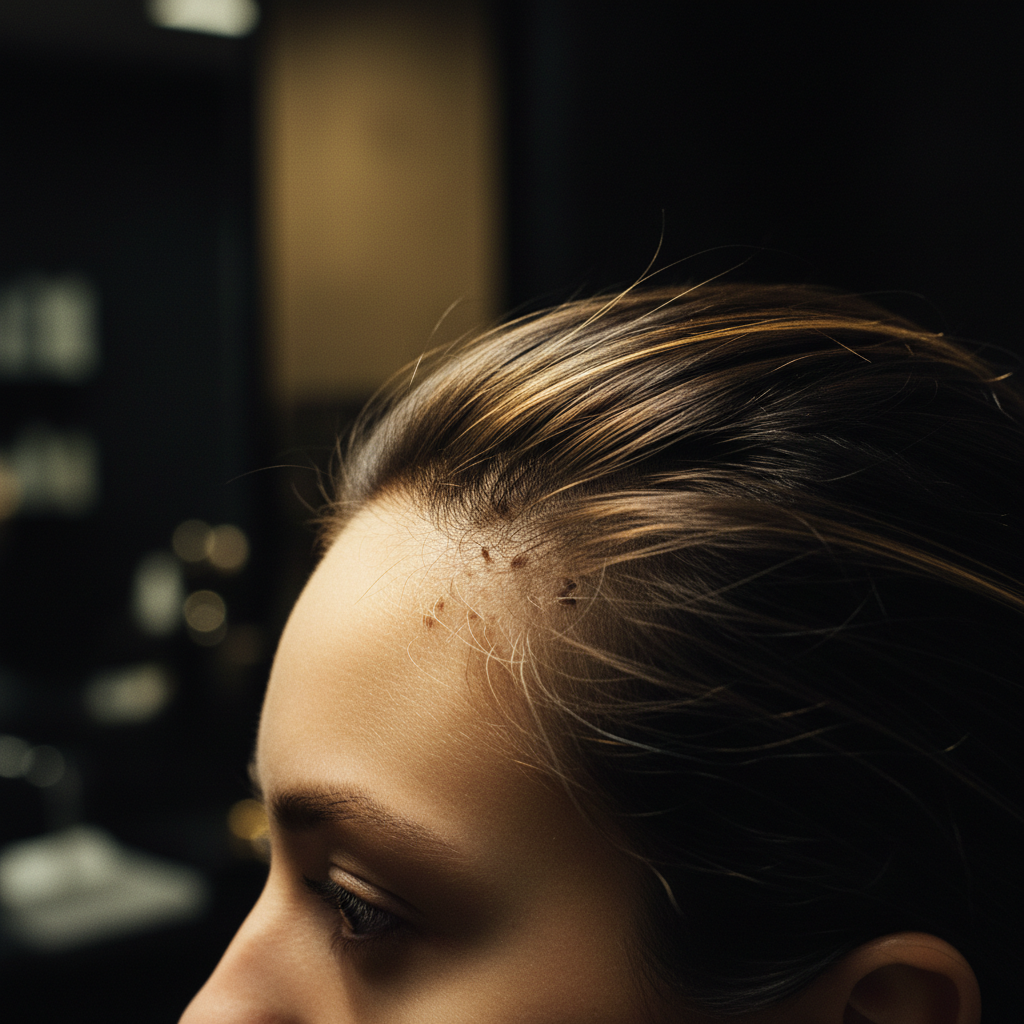
Quick answer: Follicle Miniaturisation is a process where the hair follicle, the structure producing hair, progressively shrinks over time. This leads to the production of finer, shorter, and less pigmented hairs, eventually resulting in visible hair thinning or loss. It is a hallmark of androgenetic alopecia (pattern hair loss), but its severity and progression can vary significantly between individuals.
Key takeaways
- Follicle Miniaturisation describes the gradual shrinking of hair follicles, producing thinner, shorter hairs instead of strong, terminal ones.
- It is most commonly associated with androgenetic alopecia, often called pattern hair loss, and is influenced by genetics and hormones like dihydrotestosterone (DHT).
- The process involves a shortening of the hair's active growth phase (anagen), leading to each new hair being weaker than the last.
- Early signs include a noticeable decrease in hair density and finer hairs in affected areas, progressing to visible scalp.
- While genetics play a key role, lifestyle factors and targeted interventions may help manage the process, particularly in its earlier stages.
- Professional diagnosis by a trichologist or dermatologist is crucial to confirm Follicle Miniaturisation and rule out other causes of hair thinning.
Follicle Miniaturisation: what the evidence shows
Follicle Miniaturisation is the primary characteristic of androgenetic alopecia, a common form of progressive hair loss affecting both men and women. In this condition, genetically predisposed hair follicles become increasingly smaller, leading to the production of hairs that are progressively finer, shorter, and less pigmented than the robust terminal hairs typically found on the scalp. This process does not mean the hair is "dying" or "falling out" permanently in the early stages, but rather that the follicle's ability to produce healthy, strong hair is diminished.
Research indicates that this miniaturisation occurs due to the hair follicle's heightened sensitivity to dihydrotestosterone (DHT), a powerful androgen derived from testosterone. While DHT is essential for male development, in individuals with a genetic predisposition to androgenetic alopecia, it can bind to receptors in susceptible hair follicles. This interaction disrupts the normal hair growth cycle, specifically shortening the anagen (growth) phase and lengthening the telogen (resting) phase. Over successive cycles, the hair produced by these follicles becomes increasingly miniaturised until, in advanced cases, the follicle may become dormant or produce only tiny, unpigmented vellus hairs.
The mechanism of Follicle Miniaturisation
Each hair follicle goes through a cyclical process of growth (anagen), regression (catagen), and rest (telogen). In a healthy hair cycle, the anagen phase can last for several years, producing long, thick hair. When Follicle Miniaturisation begins, this cycle is disrupted:
- Shortened Anagen Phase: The most significant change is a reduction in the duration of the anagen phase. This means the hair has less time to grow to its full length and thickness before transitioning to the catagen phase.
- Increased Telogen Phase: The resting phase becomes longer, leading to more hairs being in a non-growing state at any given time.
- Follicle Size Reduction: With each successive cycle, the follicle itself shrinks in size. This reduction impacts the diameter and length of the hair shaft it can produce.
- Terminal to Vellus Hair Transformation: Initially, the follicle produces thinner, shorter terminal hairs. Eventually, these can transform into vellus hairs, which are very fine, unpigmented, and barely visible, similar to the peach fuzz on other parts of the body. This is why you might notice hairs of varying thickness on your scalp if you are experiencing miniaturisation.
The density of blood vessels around the follicle also appears to decrease during miniaturisation, potentially reducing the supply of vital nutrients and oxygen necessary for robust hair growth. This complex interplay of genetics, hormones, and cellular changes drives the progressive thinning seen in androgenetic alopecia.
What the evidence does not show
While the link between Follicle Miniaturisation and androgenetic alopecia is well-established, it's important to clarify what the evidence does not support:
- Universal Cause: While DHT is a key factor in androgenetic alopecia, not all hair thinning or hair loss is due to Follicle Miniaturisation. Other conditions, such as telogen effluvium (increased shedding) or alopecia areata (autoimmune hair loss), have different underlying causes and mechanisms.
- Instant or Sudden Onset: Follicle Miniaturisation is a gradual process that unfolds over many years, not something that happens suddenly overnight. Any sudden or rapid hair loss should be investigated by a medical professional.
- Direct Link to Hard Water or Poor Washing: There is no scientific evidence to suggest that hard water directly causes Follicle Miniaturisation or androgenetic alopecia. While hard water can impact hair fibre condition (see "Hard Water and Hair Damage"), it does not alter the genetic or hormonal mechanisms of the follicle itself. Similarly, not washing hair frequently enough does not cause Follicle Miniaturisation, although it can lead to scalp issues that might exacerbate other forms of hair loss.
Recognizing the signs of Follicle Miniaturisation
Identifying Follicle Miniaturisation early can be challenging because it is a gradual process. However, certain signs can indicate its progression, particularly in individuals with a family history of pattern hair loss:
- Gradual Thinning: You might notice your hair feels less dense or that your ponytail is smaller. This is often an early indicator.
- Increased Scalp Visibility: The scalp becomes more noticeable, especially under bright lights or when hair is wet. This is particularly evident along the part line or at the crown.
- Varying Hair Thickness: Examining individual hairs, you may find a mix of normal, thick hairs alongside noticeably finer, shorter, and sometimes lighter-coloured hairs in the affected areas. This variation is a hallmark of miniaturisation.
- Shorter Hair Cycles: Hairs in affected areas may seem to grow to a certain length and then shed, never quite reaching the length they once did.
- Receding Hairline or Widening Part: In men, Follicle Miniaturisation often presents as a receding hairline or thinning at the crown. In women, it typically manifests as a widening part or diffuse thinning over the top of the scalp, maintaining the frontal hairline.
For a definitive assessment, a trichologist or dermatologist can perform a trichoscopy, a magnified examination of the scalp and hair. This allows them to visualise the hair follicles and hair shafts, accurately determining the ratio of terminal hairs to vellus hairs and assessing the degree of miniaturisation.
What you can do to support hair health
While Follicle Miniaturisation related to genetics cannot be fully reversed by cosmetic means, several strategies can help support overall scalp health and hair appearance. These approaches focus on optimising the environment for existing follicles and making hair look fuller and healthier.
Supporting a healthy scalp environment
Maintaining a healthy scalp is foundational for supporting hair that appears thicker and healthier. Regular, gentle cleansing with a suitable shampoo helps remove product build-up, excess sebum, and environmental pollutants that can clog follicles and irritate the scalp. Consider shampoos that balance cleansing with moisturising ingredients to prevent dryness or irritation. For an evidence-based approach to scalp care, explore topics like "Scalp Exfoliation" or "Understanding Scalp Health".
Ingredients that support hair health
Some ingredients are often discussed for their potential role in supporting hair that looks fuller or healthier, particularly when the scalp environment is optimised:
| Ingredient Category | Example Ingredients | Potential Cosmetic Benefits (how they work) |
|---|---|---|
| Scalp Stimulants | Peppermint oil, Rosemary extract | May increase blood flow to the scalp, which can deliver more nutrients to existing follicles, supporting healthier-looking hair. (See "Peppermint oil" or "Rosemary Extract".) |
| Proteins & Amino Acids | Hydrolysed wheat protein, Lupin protein | Can strengthen the hair fibre, reducing breakage and making existing hair appear thicker and more resilient. (See "Hydrolysed Wheat Protein" or "Lupin Protein".) |
| Vitamins & Antioxidants | Biotin, Niacinamide, Vitamin E | Essential for general cellular health, supporting the scalp's condition and contributing to stronger-feeling hair. Biotin and Niacinamide are often included in products aimed at promoting healthy hair appearance. |
| Moisturisers & Humectants | Glycerin, Hyaluronic Acid, Aloe Vera | Help hydrate the scalp and hair, preventing dryness and brittleness, which can contribute to breakage. (See "Humectants" or "Hair Hydration".) |
It is important to remember that cosmetic products cannot change genetic predisposition or cure androgenetic alopecia, but they can significantly improve the condition and appearance of the hair and scalp.
When the cause may be something else
Not all hair thinning is due to Follicle Miniaturisation or androgenetic alopecia. Other conditions can lead to hair shedding or breakage:
- Telogen Effluvium: A temporary increase in hair shedding, often triggered by stress, illness, dietary changes, or hormonal shifts (e.g., postpartum). The follicles are not miniaturised, but a higher percentage enter the resting phase prematurely.
- Alopecia Areata: An autoimmune condition causing patchy hair loss where the immune system attacks hair follicles. It does not typically involve miniaturisation in the same way as androgenetic alopecia.
- Traction Alopecia: Hair loss caused by chronic pulling or tension on the hair follicles from tight hairstyles. This leads to inflammation and can, over time, damage follicles, but it's distinct from genetic miniaturisation.
- Nutritional Deficiencies: Lack of essential vitamins and minerals (e.g., iron, zinc, vitamin D) can affect hair health and lead to shedding.
- Thyroid Disorders: Both an overactive and underactive thyroid can impact the hair growth cycle and cause diffuse thinning.
If you experience sudden or significant hair loss, or if your hair thinning presents differently than typical pattern hair loss, seeking professional advice is crucial.
When to get professional advice
Consult a GP, trichologist, or dermatologist if you are concerned about hair thinning or loss. Early diagnosis can be vital, especially if the cause is not Follicle Miniaturisation and requires specific medical treatment. A professional can:
- Perform diagnostic tests, such as blood work, to check for underlying medical conditions or nutritional deficiencies.
- Conduct a thorough scalp examination and trichoscopy to accurately diagnose the type and stage of hair loss.
- Discuss evidence-based medical treatments available for specific conditions, which may include topical medications, oral medications, or other therapies, depending on the diagnosis.
Frequently asked questions about Follicle Miniaturisation
Can Follicle Miniaturisation be reversed?
For miniaturisation caused by androgenetic alopecia, complete reversal is not typically possible with cosmetic products alone. Medical treatments prescribed by a doctor or dermatologist may help slow progression, encourage existing follicles to produce thicker hair, or even partially reverse miniaturisation in some cases, particularly if caught early. Cosmetic approaches focus on optimising the scalp environment and supporting the appearance of existing hair.
Is Follicle Miniaturisation always a sign of balding?
Not always, but it is a strong indicator of pattern hair loss (androgenetic alopecia). Everyone has some variation in hair thickness, but when a significant number of follicles in areas prone to pattern hair loss begin to produce progressively finer and shorter hairs, it points to Follicle Miniaturisation. Early stages might just mean hair appears thinner, not necessarily "balding" in the conventional sense.
Does stress cause Follicle Miniaturisation?
Stress is more commonly linked to telogen effluvium, a type of temporary hair shedding, rather than directly causing Follicle Miniaturisation. While chronic stress can affect overall health and potentially exacerbate existing conditions, it is not considered a primary direct cause of the genetic and hormonal changes that drive Follicle Miniaturisation in androgenetic alopecia. If stress-induced hair loss is a concern, consult a medical professional.
Can diet impact Follicle Miniaturisation?
A balanced, nutrient-rich diet is essential for overall hair health. While diet alone cannot prevent or reverse Follicle Miniaturisation driven by genetics, deficiencies in certain vitamins and minerals (like iron, zinc, or protein) can weaken hair and potentially worsen its appearance or contribute to other forms of hair shedding. Ensuring adequate nutrition supports the best possible hair growth from existing, non-miniaturised follicles.
How does Follicle Miniaturisation differ in men and women?
The underlying mechanism of Follicle Miniaturisation in androgenetic alopecia is similar in men and women (sensitivity to androgens). However, the pattern of hair loss often differs. Men typically experience a receding hairline and thinning at the crown. Women usually experience diffuse thinning across the top of the scalp, with a widening part line, while often maintaining the frontal hairline. The progression and severity can also vary.
Watermans and Follicle Miniaturisation: Supporting Healthy-Looking Hair
Watermans hair care products are formulated with ingredients selected to support optimal scalp health and the appearance of thicker, stronger hair. While cosmetic products cannot cure or reverse Follicle Miniaturisation related to genetic conditions, maintaining a healthy scalp environment can help existing hair look its best.
Watermans Grow Me Shampoo and Conditioner, for example, contain ingredients like biotin and niacinamide. Biotin is a B vitamin that contributes to the maintenance of normal hair, while niacinamide is known for its skin-conditioning properties, supporting a healthy scalp. Lupin protein, another ingredient in Watermans products, is recognised for its ability to help strengthen hair fibres, which can reduce breakage and improve the appearance of hair density. These ingredients work to support the hair you have, contributing to an environment where it can look and feel its healthiest.
Sources and references
- American Academy of Dermatology Association, "Hair Loss: Diagnosis and Treatment", undated, aad.org
- Mayo Clinic, "Hair loss", undated, mayoclinic.org
- National Institute of Arthritis and Musculoskeletal and Skin Diseases (NIAMS), "Alopecia Areata: Questions and Answers", 2023, niams.nih.gov
- NHS, "Hair loss", undated, nhs.uk
- Sinclair, R. D. (2004). Male pattern hair loss: a clinical perspective. Journal of Cosmetic Dermatology, 3(3), 154-162.
- Whiting, D. A. (2001). Diagnostic and predictive value of horizontal sections of scalp biopsy specimens in male pattern androgenetic alopecia. Journal of the American Academy of Dermatology, 45(4), 536-543.
Find these ingredients in Watermans products
- Zinc: you will find this ingredient in our Hair Vitamins.
- Niacinamide: you will find this ingredient in our Hair Mask.
- Wheat Amino Acids: you will find this ingredient in our Heat Protection Spray.
- Aloe Vera: you will find this ingredient in our Curly Hair Conditioner.