Essential Oils for Hair: Understanding Their Role in Haircare
10 min read ·
Essential Oils for Hair are concentrated plant extracts that some people use in haircare for their aromatic and purported beneficial properties, though scientific evidence for many claims remains limited.
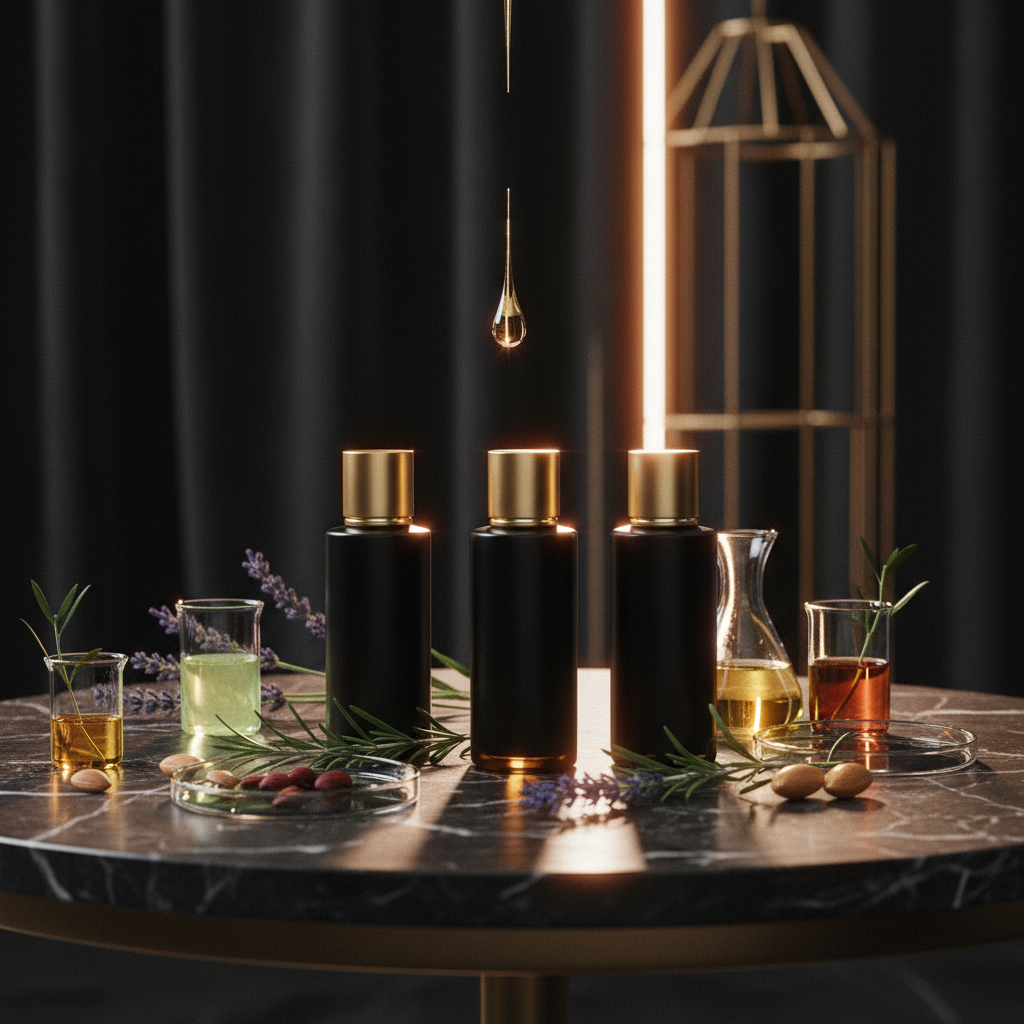
Quick answer: Essential Oils for Hair are concentrated plant extracts derived from various plants, often used in haircare for their distinctive aromas and some reported benefits for scalp health and hair appearance. While anecdotal evidence and traditional uses are widespread, robust scientific evidence from controlled human studies supporting many of the claims for Essential Oils for Hair is currently limited or mixed, particularly regarding hair growth or preventing hair loss (alopecia). Always dilute them correctly and patch test before use.
Key takeaways
- Essential oils are potent plant extracts and must always be diluted with a carrier oil before application to the skin or scalp.
- Some essential oils may help improve scalp conditions like dandruff or soothe irritation due to their antimicrobial or anti-inflammatory properties.
- While some small studies suggest certain essential oils might support hair growth or reduce hair shedding, more large-scale, controlled human research is needed to confirm these effects.
- Essential oils are not a treatment for clinical hair loss conditions like androgenic alopecia or alopecia areata.
- Always perform a patch test to check for sensitivities before widespread use, and choose pure, unadulterated essential oils from reputable sources.
Essential Oils for Hair: what the evidence shows
Essential oils are highly concentrated liquid extracts from plants, capturing their characteristic scent and flavour compounds. They are typically obtained through distillation (steam or water) or mechanical processes like cold pressing. These oils contain various volatile compounds that may possess antimicrobial, anti-inflammatory, or antioxidant properties, leading to their use in aromatherapy, cosmetics, and traditional medicine.
When considering Essential Oils for Hair, it is vital to distinguish between anecdotal claims, traditional uses, and evidence from rigorous scientific studies. While some laboratory or animal studies show promising results, human clinical trials, particularly large-scale and double-blind studies, are often limited or have mixed findings. Most cosmetic benefits relate to scalp condition and hair appearance rather than treating underlying conditions like alopecia.
Potential benefits for scalp health
Some essential oils exhibit properties that can be beneficial for a healthy scalp environment. For instance, tea tree oil (Melaleuca alternifolia oil) has well-documented antimicrobial and antifungal properties. A study published in the Journal of the American Academy of Dermatology in 2002 showed that a 5% tea tree oil shampoo significantly improved symptoms of dandruff (seborrheic dermatitis), including itching and greasiness, compared to a placebo. Similarly, studies have investigated the antimicrobial activity of peppermint oil and rosemary oil against certain bacteria and fungi that can contribute to scalp issues. By helping to reduce microbial overgrowth or inflammation, these oils might contribute to a healthier-looking scalp and alleviate common discomforts like itching.
Hair strength and appearance
Certain essential oils, when diluted and applied to the hair, may contribute to a smoother hair fibre, potentially enhancing shine and reducing the appearance of frizz. Some carrier oils often used with essential oils, such as argan oil or jojoba oil, are known for their emollient properties, which can moisturise the hair shaft and improve its texture and manageability. For example, argan oil is rich in fatty acids and vitamin E, which can coat the hair and reduce friction, leading to a softer, more lustrous appearance. However, these benefits are primarily cosmetic and relate to the hair fibre itself, not its growth from the follicle.
What about hair growth or preventing hair loss?
The idea that Essential Oils for Hair can promote hair growth or prevent hair loss (alopecia) is a popular one, but scientific evidence is mixed and often based on small studies or mechanisms not fully replicated in humans.
Rosemary oil has received attention due to a 2015 study published in Skinmed, comparing it to minoxidil 2% for androgenic alopecia. This study reported that rosemary oil was as effective as minoxidil after six months in increasing hair count, with less scalp itching. While encouraging, this was a single, relatively small study. More extensive, independent research is needed to corroborate these findings. The proposed mechanism involves improved microcirculation and anti-inflammatory effects around the hair follicles. Similarly, peppermint oil has shown promise in animal studies, with one 2014 study in Toxicology Research finding it promoted hair growth in mice more effectively than minoxidil. However, these animal results do not directly translate to human efficacy.
Other essential oils, such as lavender oil or cedarwood oil, have been anecdotally used or studied in small trials for alopecia areata when blended with carrier oils and massaged into the scalp. A 1998 study in the Archives of Dermatology reported significant improvement in some patients with alopecia areata using an essential oil blend (thyme, rosemary, lavender, and cedarwood in jojoba and grapeseed oils) compared to a carrier oil-only group. However, alopecia areata is an autoimmune condition, and these results have not been consistently replicated in larger trials, leading to a conclusion that evidence is insufficient to recommend essential oils as a standalone treatment.
It is crucial to understand that "hair loss" typically refers to the permanent or temporary cessation of hair growth from the follicle, often due to genetic, hormonal, or autoimmune factors (alopecia). Essential oils have not been shown to reverse these fundamental causes. Claims of "stronger hair" or "less hair shedding" are distinct from treating or preventing clinical alopecia. If you are experiencing significant hair loss, it is important to consult a healthcare professional to determine the underlying cause and appropriate treatment.
Using Essential Oils for Hair safely
Essential oils are potent and must be handled with care. Incorrect use can lead to skin irritation, allergic reactions, or sensitisation.
Dilution is essential
Never apply undiluted essential oils directly to the skin or scalp. They must always be diluted with a carrier oil. Carrier oils are vegetable oils derived from the fatty parts of plants, such as nuts or seeds, and they help disperse the essential oil safely and effectively. Common carrier oils for hair include jojoba oil, argan oil, sweet almond oil, and fractionated coconut oil. A typical dilution ratio for scalp application is 1 to 2 drops of essential oil per teaspoon (5 ml) of carrier oil, creating a 1% to 2% dilution. For more intensive, short-term treatments, you might go up to 5 drops per teaspoon (approx. 5% dilution), but this should be used cautiously and only after a patch test.
Patch testing
Before widespread application of any new essential oil blend, always perform a patch test. Apply a small amount of the diluted mixture to an inconspicuous area of skin (such as behind the ear or on the inner forearm) and wait 24 hours. Check for any signs of redness, itching, burning, or irritation. If any reaction occurs, discontinue use.
Quality matters
To ensure safety and potential efficacy, always choose pure, unadulterated essential oils from reputable suppliers. Labels should indicate the botanical name of the plant, the part of the plant used, and the country of origin. Avoid products labelled "fragrance oil" or "perfume oil" as these are often synthetic and lack the therapeutic properties of pure essential oils.
Considerations and precautions
- Photosensitivity: Some essential oils, particularly citrus oils like bergamot (unless "bergaptene-free"), can increase skin sensitivity to sunlight. Avoid sun exposure on treated areas if using photosensitising oils, or use them only at night.
- Internal Use: Essential oils are generally not recommended for internal consumption for hair care purposes. Ingestion should only occur under the direct guidance of a qualified medical professional or certified aromatherapist.
- Pregnancy and Children: Consult a healthcare professional before using essential oils during pregnancy, breastfeeding, or on young children, as some oils are contraindicated for these groups.
- Allergies: If you have known allergies to certain plants, avoid essential oils derived from those plants.
- Storage: Store essential oils in dark glass bottles, away from direct sunlight and heat, to preserve their potency and extend their shelf life.
When to seek professional advice
If you are experiencing significant hair thinning, sudden hair loss, persistent scalp itching, flaking, or irritation, consult a general practitioner or a dermatologist. These symptoms can indicate underlying medical conditions that require professional diagnosis and treatment. Essential oils are not a substitute for medical care.
Popular Essential Oils for Hair and their purported benefits
Here's a look at some essential oils commonly discussed for their role in haircare, along with their general properties. Remember, claims related to hair growth often require more robust scientific validation.
| Essential Oil | Primary Reported Benefit for Hair/Scalp | Key Properties (general) |
|---|---|---|
| Peppermint | Scalp stimulation, refreshing sensation | Stimulating, analgesic, antimicrobial |
| Rosemary | Scalp circulation, potential hair growth support | Antioxidant, anti-inflammatory, stimulating |
| Lavender | Calming, soothing, antimicrobial | Antiseptic, anti-inflammatory, relaxing |
| Tea Tree | Anti-dandruff, antimicrobial, cleansing | Antifungal, antibacterial, purifying |
| Cedarwood | Balances scalp oil, soothing | Antiseptic, astringent, calming |
| Ylang Ylang | May balance scalp sebum, fragrant | Antiseptic, mood-lifting, hypotensive |
Frequently asked questions about Essential Oils for Hair
Can Essential Oils for Hair really make my hair grow faster?
Evidence for Essential Oils for Hair significantly accelerating hair growth is limited. Some small studies, particularly with rosemary oil and peppermint oil, have shown promising results for increasing hair count in specific conditions like androgenic alopecia or in animal models. However, these findings need replication in larger, controlled human trials. They are not a guaranteed solution for faster hair growth.
Are Essential Oils for Hair safe to use every day?
When properly diluted and patch-tested, some essential oils can be used regularly. However, individual sensitivity varies. It is generally advisable to rotate oils or take breaks, especially if you notice any irritation. Consistent daily use without proper dilution or patch testing is not recommended and can lead to sensitisation over time.
What's the best carrier oil to use with Essential Oils for Hair?
Jojoba oil is often recommended because it closely mimics the scalp's natural sebum, making it suitable for most scalp types. Argan oil is excellent for moisturising and adding shine to hair. Sweet almond oil is lightweight and nourishing. The "best" carrier oil depends on your specific hair and scalp needs and how well your skin tolerates it.
Can essential oils help with an oily scalp?
Certain essential oils, such as cedarwood, tea tree, and ylang-ylang, are sometimes suggested to help balance sebum production on the scalp. Their astringent or sebum-regulating properties may help reduce excess oiliness, leading to a healthier-looking scalp. However, they are not a substitute for proper cleansing and a balanced haircare routine for managing an oily scalp.
Will Essential Oils for Hair affect my hair colour?
Generally, properly diluted Essential Oils for Hair are unlikely to significantly affect permanent hair colour. However, some very dark or highly pigmented oils, like certain types of essential oils in extremely high concentrations, might theoretically have a subtle impact over time. If you have colour-treated hair, observe your hair for any changes and consult your stylist if you have concerns.
Watermans and Essential Oils for Hair
Watermans products are formulated with carefully selected ingredients to support healthy-looking hair and scalp. We incorporate beneficial botanicals and extracts, including some derived from plants known for their essential oil properties, where evidence supports their inclusion for cosmetic benefits.
For example, you will find Rosemary Extract in our Hair Growth Shampoo. Rosemary is widely recognised for its potential to stimulate the scalp and support healthy circulation, which can contribute to a good environment for hair. While not a pure essential oil, the extract provides many of the beneficial compounds. Our Camellia & Black Castor Hair & Body Oil includes Castor Oil, an excellent carrier oil known for its nourishing properties, which works well with essential oils in other contexts.
We focus on creating formulations that deliver visible cosmetic improvements to hair strength, condition, and overall appearance, based on sound scientific principles and consumer feedback.
Sources and references
- Journal of the American Academy of Dermatology, "Treatment of dandruff with 5% tea tree oil shampoo", 2002.
- Skinmed, "Efficacy of rosemary oil in androgenetic alopecia compared to minoxidil 2%: A randomised comparative trial", 2015.
- Toxicology Research, "Peppermint oil promotes hair growth without toxic signs by inducing quick anagen stage in mice", 2014.
- Archives of Dermatology, "Randomized trial of aromatherapy. Successful treatment for alopecia areata", 1998.
- British Journal of Dermatology, "The effect of topical peppermint oil on hair growth in experimental animals", 2019 (Review of preclinical studies).
- International Journal of Cosmetic Science, "Essential oils in dermatology: a review", 2017.
- National Institutes of Health (NIH), National Center for Complementary and Integrative Health (NCCIH), "Essential Oils: What You Need To Know".
Find these ingredients in Watermans products
- Vitamin E: you will find this ingredient in our Hair Vitamins.