Environmental Damage to Hair
5 min read ·
Hair is exposed to various environmental aggressors daily, leading to damage that compromises its strength, appearance, and overall health.
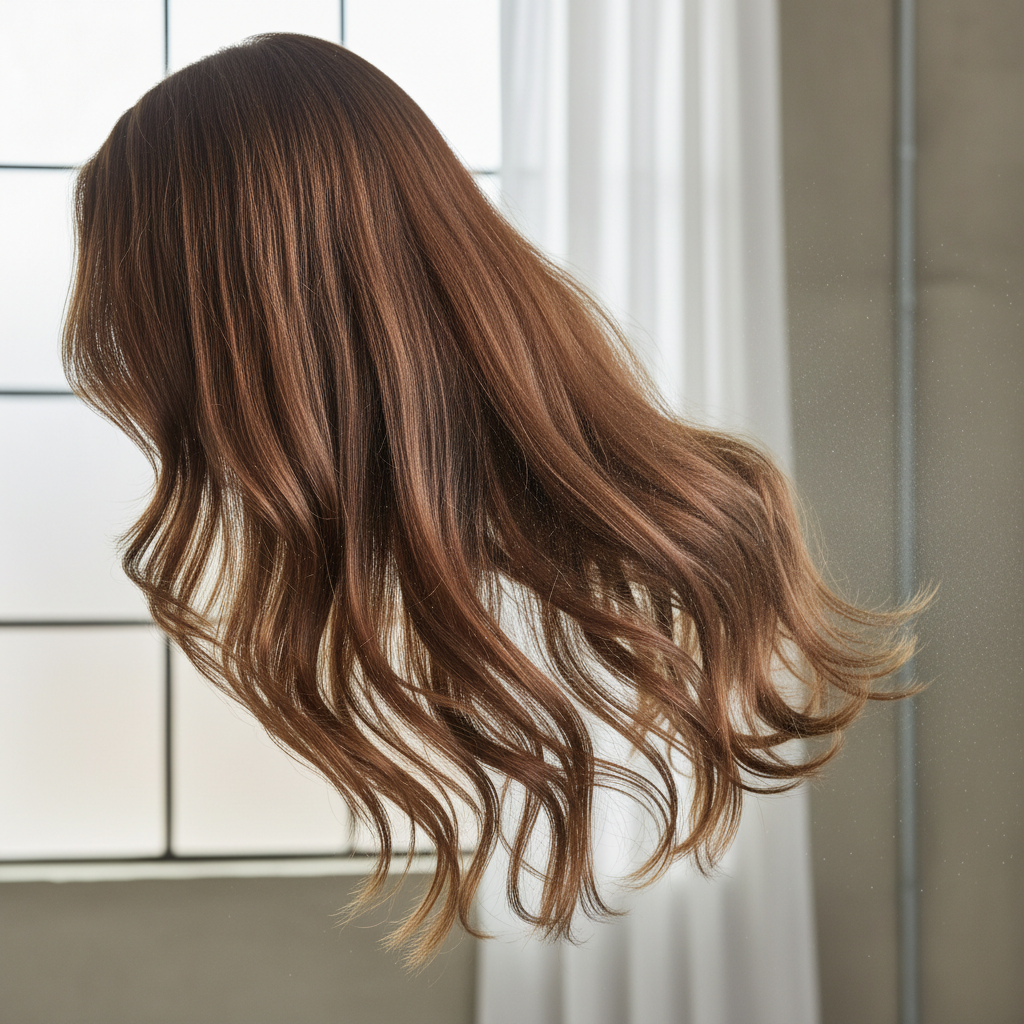
Hair, an appendage of the skin, is remarkably resilient but susceptible to damage from various environmental factors. Understanding these aggressors is crucial for maintaining hair health and developing effective protective strategies. Environmental damage to hair primarily manifests as alterations to the hair shaft, affecting its structural integrity and aesthetic qualities.
Understanding the Hair Shaft
To comprehend environmental damage, it's essential to understand the basic structure of the hair shaft. Each strand of hair consists of three main layers:
- Cuticle: The outermost layer, composed of overlapping, scale-like cells. It protects the inner layers from damage and contributes to shine.
- Cortex: The middle and thickest layer, containing keratin proteins, which provide strength and elasticity, and melanin, which gives hair its colour.
- Medulla: The innermost core, present in some but not all hair types, and its function is not fully understood.
Environmental factors typically target the cuticle first. When the cuticle is compromised, the cortex becomes vulnerable, leading to greater damage.
Ultraviolet (UV) Radiation
Sunlight, specifically its UV component, is a pervasive environmental aggressor. Both UVA and UVB rays can damage hair.
- Mechanism: UV radiation initiates photochemical reactions within the hair shaft. It degrades melanin, leading to colour changes (lightening or brassiness), and breaks down keratin proteins, especially tryptophan, cysteine, and methionine. This degradation weakens the disulfide bonds and peptide bonds that give hair its strength and structure.
- Effects: Reduced tensile strength, increased porosity, dryness, brittleness, rough texture, split ends, and dullness. Colored hair is particularly vulnerable to fading.
- Protection: Physical barriers like hats or scarves, and haircare products formulated with UV filters. These filters work by absorbing or reflecting UV radiation before it can reach the hair shaft.
Humidity
Humidity, referring to the amount of water vapor in the air, can have both beneficial and detrimental effects on hair.
- High Humidity:
- Mechanism: Hair is hygroscopic, meaning it absorbs moisture from the air. In high humidity, the hair swells as water molecules penetrate the cuticle and cortex. This swelling can disrupt the organized structure of keratin fibres, causing them to distort.
- Effects: Frizz, loss of curl definition, limpness, and sometimes a sticky or heavy feeling. For chemically treated or damaged hair, the cuticle may lift excessively, leading to increased frizz.
- Low Humidity:
- Mechanism: In very dry air, hair loses moisture to the environment, leading to dehydration.
- Effects: Dryness, static electricity, brittleness, and a lack of luster.
- Management: Balancing moisture levels with humectant-containing products in dry climates, and anti-humectant or curl-defining products in humid climates.
Pollution and Airborne Particulates
The air we breathe, especially in urban or industrial areas, contains various pollutants that can affect hair health.
- Mechanism: Microscopic particles, including dust, soot, smoke, and industrial chemicals and gases (e.g., sulfur dioxide, nitrogen dioxide), can deposit on the hair shaft and scalp. These particles can contain heavy metals or free radicals that initiate oxidative stress, damaging proteins and lipids in the hair and scalp.
- Effects: Increased dryness, dullness, loss of shine, weakened hair strands, scalp irritation, and potentially increased hair shedding. Pollutants can also lead to a buildup on the hair, making it feel rough or dirty.
- Protection: Regular cleansing with a clarifying shampoo to remove buildup, and the use of antioxidant-rich haircare products to neutralise free radicals.
Extreme Temperatures
Both excessive heat and cold can negatively impact hair.
- Heat (e.g., styling tools, hot water):
- Mechanism: High temperatures denature keratin proteins, meaning they alter their natural structure. This can lead to the formation of microscopic bubbles within the hair shaft, weakening it. Excessive heat also rapidly evaporates moisture, leading to dehydration and cuticle lifting.
- Effects: Brittleness, frizz, split ends, breakage, and dullness. The hair loses its natural elasticity and ability to retain moisture.
- Cold (e.g., harsh winter weather):
- Mechanism: Cold air often lacks humidity, leading to dehydration. Strong winds can also physically abrade the cuticle, causing damage and tangles.
- Effects: Dryness, static hair, increased fragility, and breakage.
- Protection: Using heat protectants before heat styling, avoiding excessively hot water for washing, and protecting hair from harsh winds and extreme cold with protective styles or head coverings.
Chloride and Salt Water
Exposure to chlorinated pool water and salty ocean water can also compromise hair health.
- Chlorine:
- Mechanism: Chlorine is a strong oxidizing agent. It reacts with keratin proteins, weakening the hair structure and stripping away natural oils. It can also react with minerals to cause discoloration, particularly in lighter or chemically treated hair.
- Effects: Dryness, brittleness, green discoloration (from copper in water reacting with chlorine), and increased porosity.
- Salt Water:
- Mechanism: Salt water is hypertonic, meaning it draws moisture out of the hair through osmosis. The salt crystals left on the hair after drying can also abrade the cuticle.
- Effects: Extreme dryness, tangles, dullness, and a crunchy texture.
- Protection: Wetting hair with clean water and applying a leave-in conditioner before swimming to saturate the hair and create a barrier. Rinsing hair thoroughly immediately after swimming.
Summary of Environmental Damage and Protection
| Environmental Factor | Mechanism of Damage | Hair Effects | Protection Strategies |
|---|---|---|---|
| UV Radiation | Degrades melanin & keratin; breaks disulfide bonds | Dryness, brittleness, colour fade, weakness | Hats, UV filters |
| High Humidity | Hair swells, disrupts keratin structure | Frizz, loss of definition, limpness | Anti-humectant/defining products |
| Low Humidity | Dehydration; loss of moisture from hair | Dryness, static, brittleness | Humectant-containing products |
| Pollution | Particle deposition; oxidative stress | Dullness, dryness, reduced strength, scalp irritation | Regular cleansing, antioxidants |
| Extreme Heat | Denatures keratin; rapidly evaporates moisture | Brittleness, frizz, split ends, breakage | Heat protectants, avoid hot water |
| Extreme Cold | Dehydration; cuticle abrasion by wind | Dryness, static, fragility | Head coverings, protective styles |
| Chlorine | Oxidizes keratin; strips natural oils | Dryness, brittleness, discoloration | Wet hair before swimming, leave-in conditioner |
| Salt Water | Draws out moisture; salt crystal abrasion | Extreme dryness, tangles, dullness | Wet hair before swimming, rinse after swimming |
By understanding these environmental aggressors and their specific impacts, individuals can implement targeted strategies to minimise damage and maintain the health and vitality of their hair. Consistent protective measures and appropriate haircare are key to mitigating the cumulative effects of environmental exposure.
Find these ingredients in Watermans products
- Copper, you will find this ingredient in our Hair Vitamins.