Dry Scalp: Understanding Its Causes and Effective Management
12 min read ·
Dry Scalp is a common condition where the skin on your head lacks sufficient moisture, leading to tightness, itching, and fine, white flakes, and understanding its distinct causes is key to finding relief.
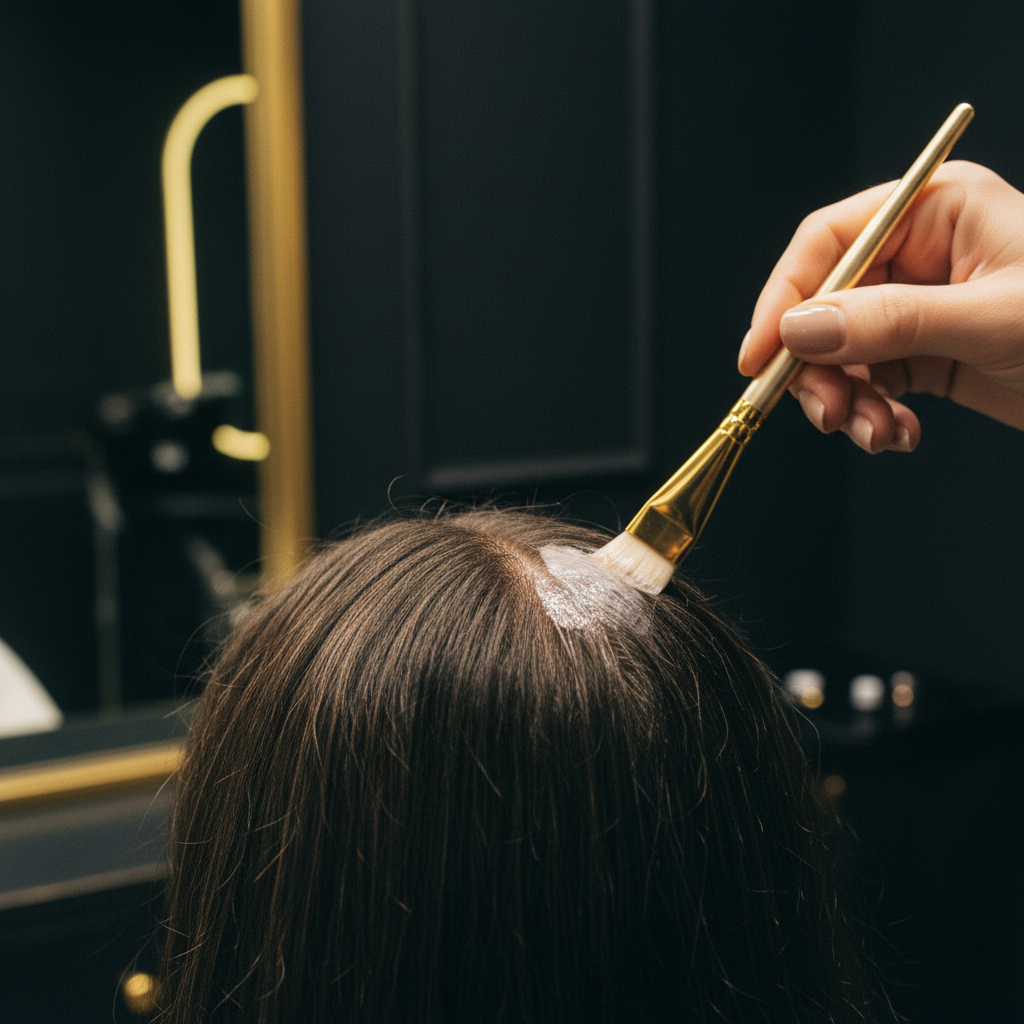
Quick answer: Dry Scalp occurs when the skin of your head lacks adequate moisture, leading to a tight, itchy feeling and small, white, powdery flakes. It's important to recognise that a Dry Scalp is fundamentally different from dandruff (seborrhoeic dermatitis), which involves oilier, yellowish flakes caused by an overgrowth of yeast. Because the underlying causes and mechanisms differ, effective management strategies for Dry Scalp are distinct from those for dandruff. Identifying the specific reasons for dryness, from environmental factors to product choices, is crucial for restoring scalp comfort and health.
Key takeaways
- Dry Scalp results from a lack of moisture in the scalp skin, not necessarily from excessive oil or yeast.
- Symptoms commonly include tightness, itching, and small, white, powdery flakes.
- Environmental factors, haircare routines, and underlying health conditions can all contribute to Dry Scalp.
- Effective management focuses on restoring moisture and protecting the scalp's natural barrier.
- If self-care measures don't help, or if symptoms are severe, professional medical advice is recommended.
Dry Scalp: What the Evidence Shows
Dry Scalp is a prevalent condition characterised by insufficient moisture in the skin of the scalp. This lack of hydration often results in discomfort, including itching, tightness, and visible flaking. Like skin elsewhere on the body, the scalp relies on an intact skin barrier to retain water and protect itself from external irritants. When this barrier is compromised or inadequate, moisture escapes too readily, leading to dryness.
It's crucial to distinguish Dry Scalp from dandruff (seborrhoeic dermatitis). While both conditions can present with itching and flaking, their underlying causes and mechanisms are different. Dandruff is often associated with an overgrowth of the Malassezia globosa yeast and typically produces oily, yellowish flakes. In contrast, Dry Scalp flakes are usually small, white, and powdery, resembling dry skin from other areas of the body. Understanding this distinction is vital for choosing appropriate and effective care strategies.
The Mechanism Behind Dry Scalp
The scalp's outermost layer, the stratum corneum, acts as a critical protective barrier. This barrier is composed of corneocytes (flattened skin cells) embedded within a lipid matrix made up of ceramides, cholesterol, and fatty acids. These lipids are essential for preventing transepidermal water loss (TEWL), the natural evaporation of water from the skin's surface. When this lipid barrier is disrupted or deficient, TEWL increases, directly leading to a Dry Scalp.
Several factors can compromise the scalp barrier and contribute to Dry Scalp:
- Reduced Sebum Production: Sebum, the natural oil produced by sebaceous glands, is a key component of the skin's protective lipid layer. Factors such as ageing, hormonal changes (e.g., menopause), and certain medical conditions can decrease sebum output, leading to reduced natural moisturisation and dryness. You can learn more about this in our guide to [Sebum Regulation: Understanding and Managing Scalp Oiliness].
- Damage to the Stratum Corneum: Harsh physical or chemical treatments can strip away essential lipids and proteins, physically weakening the skin barrier. Examples include excessive washing, using very hot water, or exposure to harsh ingredients in hair products.
- Inflammation: Chronic inflammation, which can stem from various skin conditions or irritants, can impair the barrier function of the scalp, contributing to persistent dryness and irritation.
Common Causes of Dry Scalp
Identifying the specific factors contributing to your Dry Scalp is the first step towards effective management. Many causes are environmental or related to haircare practices, while others may indicate an underlying medical condition.
- Environmental Conditions: Cold, dry air, particularly during winter months, and low humidity levels can draw moisture away from the scalp. Indoor heating systems further reduce ambient moisture, exacerbating dryness. Conversely, prolonged exposure to intense sunlight without protection can also dehydrate the scalp skin.
- Hair Washing Practices: Frequent shampooing, especially with very hot water and shampoos containing strong detergents (like some sulphates), can strip the scalp of its natural protective oils and lipids. This disrupts the scalp barrier, increasing moisture loss. Reducing washing frequency and using lukewarm water can help. See [Hair Cleansing and Conditioning] for more details.
- Product Ingredients: Certain haircare and styling products contain ingredients that can be drying or irritating. High concentrations of denatured alcohols, strong artificial fragrances, and certain preservatives can strip natural oils or trigger contact dermatitis. Always check ingredient lists and consider products formulated for sensitive scalps.
- Underlying Skin Conditions: Medical conditions such as eczema (atopic dermatitis), psoriasis, or contact dermatitis can manifest on the scalp, causing significant dryness, redness, and flaking. These conditions typically require a dermatological diagnosis and specific medical treatment.
- Nutritional Deficiencies: While not usually the sole cause, a diet lacking essential fatty acids (omega-3 and omega-6), which are vital for skin barrier function and overall skin health, can contribute to systemic dryness, including the scalp. Deficiencies in certain vitamins, like Vitamin D, can also impact skin health, though direct causation for scalp dryness is complex and less common as a primary factor.
- Hormonal Fluctuations: Changes in hormone levels, such as those occurring during pregnancy, menopause, or due to thyroid imbalances, can affect the activity of sebaceous glands. This can lead to decreased sebum production and consequently, a drier scalp.
Signs and Symptoms to Look For
The signs of a Dry Scalp are generally consistent, though their severity can vary among individuals. Recognising these symptoms helps in accurately diagnosing the problem and choosing the right course of action:
- Flaking: The most common symptom is the presence of small, white, powdery flakes that are easily dislodged and may settle on clothing. These are distinct from the larger, often yellowish and oily flakes associated with dandruff.
- Itching: A persistent or intermittent urge to scratch the scalp is a hallmark sign. Chronic scratching can lead to further irritation, redness, and even minor abrasions or infections.
- Tightness: Many people describe a sensation that their scalp feels taut, stretched, or uncomfortable, particularly after washing or in dry environments. This indicates a lack of elasticity due to dehydration.
- Redness: In more severe cases, or if scratching is frequent and aggressive, the scalp may appear red or inflamed. This can be a sign of irritation or an underlying inflammatory condition.
- Dull-looking Hair: Hair emerging from a dry, unhealthy scalp may appear lacklustre, dry, or even brittle, as the scalp's natural oils contribute to the hair fibre's condition and shine. While Dry Scalp does not directly cause hair loss, an unhealthy scalp environment can impact hair quality.
Distinguishing Dry Scalp from Dandruff
Accurately differentiating Dry Scalp from dandruff (seborrhoeic dermatitis) is crucial for effective treatment, as misdiagnosis can lead to ineffective or even counterproductive care. The table below highlights key differences.
| Feature | Dry Scalp | Dandruff (Seborrhoeic Dermatitis) |
|---|---|---|
| Cause | Lack of moisture, compromised skin barrier, environmental factors, product irritation | Overgrowth of Malassezia globosa yeast, excessive sebum production |
| Flake Appearance | Small, white, powdery, dry, easily falls off, often sparse | Larger, oily, yellowish, often sticks to hair/scalp, can be abundant |
| Scalp Sensation | Tight, itchy, sometimes red, uncomfortable | Itchy, often oily, sometimes red and inflamed, can feel greasy |
| Hair Appearance | May appear dull, dry, brittle | Hair may appear greasy, dull, sometimes stringy |
| Common Treatment | Hydrating shampoos, scalp moisturisers, gentle care, humidifiers | Antifungal shampoos (e.g., with zinc pyrithione, selenium sulphide, ketoconazole) |
What You Can Do to Manage Dry Scalp
Managing Dry Scalp primarily involves restoring moisture to the scalp and strengthening its natural protective barrier. A combination of haircare routine adjustments and lifestyle changes is often most effective.
Haircare Routine Adjustments
- Gentle Cleansing: Choose mild, sulphate-free shampoos specifically formulated for dry or sensitive scalps. Look for ingredients known for their hydrating properties, such as glycerine, hyaluronic acid, urea, or ceramides. Reduce the frequency of hair washing to 2 to 3 times a week if possible, to avoid stripping natural oils. Always use lukewarm, not hot, water when washing your hair. Our guide on [Choosing the Right Shampoo for Your Hair Type] offers further advice.
- Scalp Moisturising: Apply leave-in scalp treatments, serums, or light natural oils (e.g., jojoba oil, argan oil, squalane) directly to the scalp after washing or between washes. These products help replenish lost lipids and provide a protective layer. For deeper hydration, consider a pre-shampoo scalp oil treatment. You can find more information on [Hair Hydration: Maintaining Moisture for Healthy Hair].
- Conditioning: Use a rich, hydrating conditioner, ensuring it is applied generously to both the hair lengths and the scalp. Look for conditioners containing emollients and humectants. Scalp-specific conditioners or weekly hair masks can provide additional moisture and nourishment. See [Choosing the Right Hair Conditioner] for selection tips.
- Avoid Harsh Ingredients: Carefully read product labels. Try to avoid products containing high concentrations of denatured alcohol, strong synthetic fragrances, or harsh detergents that can further irritate or dry out the scalp. If you suspect an ingredient is causing irritation, discontinue use.
Lifestyle Considerations
- Environmental Control: In dry climates or during winter months when indoor heating is prevalent, consider using a humidifier in your home or workspace. This adds moisture to the air, which can benefit both your skin and scalp.
- Dietary Support: Ensure your diet is rich in essential fatty acids, particularly omega-3s, found in oily fish (salmon, mackerel), flaxseeds, and walnuts. These fats are crucial for healthy skin barrier function and overall skin hydration. While diet alone may not resolve severe Dry Scalp, it contributes to overall skin health.
- Hydration: Drink plenty of water throughout the day. Adequate systemic hydration supports skin health, though its direct impact on external scalp dryness is less pronounced than topical solutions.
- Protect from Extremes: Wear a hat when exposed to strong sun or harsh, cold winds to protect your scalp from dehydration and irritation.
When to Seek Professional Advice
While many cases of Dry Scalp can be managed with over-the-counter products and home care adjustments, there are times when professional medical advice is necessary. You should consult a dermatologist or your general practitioner if:
- Your Dry Scalp symptoms persist or worsen despite consistent home treatment for several weeks.
- You experience severe itching, redness, inflammation, or pain on your scalp.
- You notice open sores, crusting, or signs of infection on your scalp.
- You suspect an underlying skin condition such as eczema, psoriasis, or contact dermatitis.
- You experience significant hair shedding or hair loss in conjunction with your Dry Scalp (note: Dry Scalp itself typically does not cause hair loss, but accompanying conditions might).
A medical professional can accurately diagnose the cause of your Dry Scalp and recommend prescription treatments or lifestyle changes tailored to your specific situation.
Watermans and Dry Scalp
Watermans understands the importance of a healthy scalp as the foundation for healthy hair. Our haircare products are formulated with ingredients selected to support scalp health and hydration. For those experiencing a Dry Scalp, consider our sulphate-free shampoos and conditioners. These are designed to cleanse gently without stripping the scalp's natural oils, helping to maintain the skin's delicate moisture balance. Ingredients such as Allantoin, often found in Watermans formulations, are known for their soothing and moisturising properties, which can be beneficial for a Dry Scalp. Regular use, as part of a tailored haircare routine, can help to alleviate discomfort and promote a healthier-feeling scalp environment.
Frequently Asked Questions About Dry Scalp
Can stress cause Dry Scalp?
Stress doesn't directly cause a Dry Scalp, but it can worsen existing skin conditions like eczema or psoriasis, which may manifest on the scalp with dryness and flaking. Stress can also impact overall skin health and barrier function. Managing stress through relaxation techniques or lifestyle adjustments may indirectly support a healthier scalp environment and potentially reduce the severity of Dry Scalp symptoms.
Is it normal for my scalp to be dry in winter?
Yes, it is very common for scalps to become drier in winter. The colder air outside and the drier, heated air indoors both contribute to lower humidity levels, which can draw moisture from the skin, including the scalp. This environmental dryness can exacerbate a Dry Scalp. Using humidifiers and adapting your haircare routine with more moisturising products during these months can be beneficial.
How often should I wash my hair if I have a Dry Scalp?
If you have a Dry Scalp, it's generally recommended to reduce the frequency of hair washing to avoid stripping natural oils. Washing two to three times a week with a mild, sulphate-free shampoo is often sufficient. Some individuals may find washing once a week beneficial. Pay attention to how your scalp feels and adjust your routine accordingly, always using lukewarm water.
Can a Dry Scalp lead to hair loss?
A Dry Scalp itself does not typically cause hair loss. However, severe itching and aggressive scratching due to a dry scalp can lead to physical damage to hair follicles, causing temporary hair shedding or breakage of hair fibres. If an underlying medical condition causing the Dry Scalp, such as certain types of dermatitis, is left untreated, it could potentially affect hair growth. Always seek professional advice for persistent concerns about hair loss.
What ingredients should I look for in products for a Dry Scalp?
When choosing products for a Dry Scalp, look for hydrating and barrier-supporting ingredients. Humectants like glycerin, hyaluronic acid, and urea help attract and retain moisture. Emollients such as ceramides, squalane, jojoba oil, and argan oil help replenish the lipid barrier. Soothing ingredients like allantoin and aloe vera can also help reduce irritation. Avoid harsh sulphates, strong fragrances, and denatured alcohols.
Is it better to air dry or blow dry with a Dry Scalp?
Both air drying and blow drying have pros and cons for a Dry Scalp. Air drying is generally gentler, as it avoids direct heat that can further dehydrate the scalp. However, if hair stays wet for too long, it can create a breeding ground for yeast. If you blow dry, use the coolest setting, a diffuser, and keep the dryer moving. Minimising direct heat exposure to the scalp is key to preventing further dryness.
Relieving Dry Scalp and Restoring Comfort
Understanding and managing a Dry Scalp involves a targeted approach focused on hydration, barrier repair, and gentle care. By distinguishing it from conditions like dandruff, identifying its specific causes, and implementing appropriate haircare and lifestyle adjustments, you can effectively alleviate discomfort and promote a healthier scalp environment. Remember that consistency in your routine and attention to product ingredients are key to long-term relief for a Dry Scalp.
Sources and References
- American Academy of Dermatology Association, "Dandruff: How to treat".
- British Association of Dermatologists, "Seborrhoeic Dermatitis".
- Journal of Clinical and Aesthetic Dermatology, "The Science of Hair Care: Part I. Hair Structure, Hair Growth Cycle, and the Role of Shampoos and Conditioners".
- National Eczema Society (UK), "Scalp Eczema".
- PubMed Central, "Stratum Corneum Structure and Function" (Review Article, 2008).
- NHS (National Health Service, UK), "Dry skin".
Find these ingredients in Watermans products
- Zinc — you will find this ingredient in our Hair Vitamins.
- Aloe Vera — you will find this ingredient in our Curly Hair Conditioner.