Diet and Lifestyle for Healthy Hair
4 min read ·
Optimal hair health relies on a holistic approach, where consistent nourishment and mindful lifestyle choices are as crucial as topical treatments.
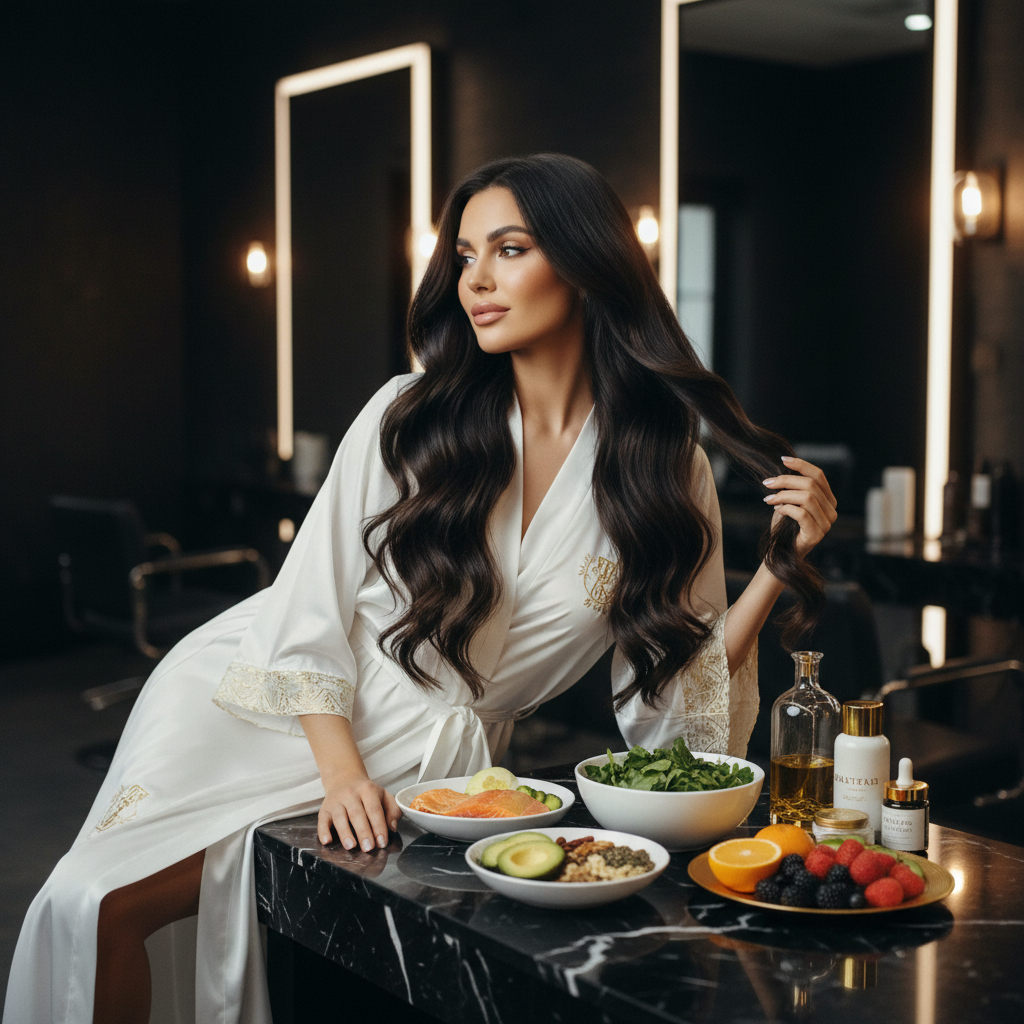
The Foundation of Hair Health
Hair, primarily composed of a protein called keratin, is a reflection of overall bodily health. Just as a plant requires specific nutrients from the soil to flourish, hair follicles depend on a steady supply of vitamins, minerals, and proteins delivered through the bloodstream. A deficiency in any of these essential components can manifest as dullness, thinning, brittleness, or even hair loss.
Nutritional Pillars for Hair Growth
Protein: The Building Block
Since hair is predominantly protein, an adequate intake is non-negotiable for strength and growth. Hair follicles produce hair cells rapidly, and this process demands a constant supply of amino acids, the constituents of protein. Insufficient protein can lead to weaker strands and a reduction in hair growth rate. Good sources include lean meats, poultry, fish, eggs, dairy, legumes, and nuts.
Iron: Oxygen Carrier
Iron is vital for transporting oxygen to cells, including those in hair follicles. Iron deficiency, known as anemia, is a common cause of hair shedding. Ensuring sufficient iron intake helps maintain a healthy oxygen supply, supporting robust hair growth. Opt for iron-rich foods such as red meat, spinach, lentils, and fortified cereals. Pairing these with vitamin C-rich foods enhances iron absorption.
Zinc: Cell Repair and Growth
Zinc plays a crucial role in hair tissue growth and repair. It also helps keep the oil glands around hair follicles working properly. Deficiency can lead to hair loss and a dry, flaky scalp. Foods rich in zinc include oysters, beef, pumpkin seeds, and lentils.
Biotin (Vitamin B7): Keratin Production
Biotin is a B vitamin often associated with hair health due to its role in keratin infrastructure. While severe biotin deficiency is rare, some evidence suggests that supplementation might be beneficial for individuals experiencing hair thinning. Sources include egg yolks, nuts, seeds, and whole grains.
Vitamins A, C, and E: Antioxidant Protection
These vitamins act as powerful antioxidants, protecting hair follicles from oxidative stress, which can contribute to hair aging and loss.
- Vitamin A aids in cell growth and helps scalp glands produce sebum, the natural oil that moisturizes the scalp and keeps hair healthy. Found in carrots, sweet potatoes, spinach, and kale.
- Vitamin C is essential for collagen production, a protein that provides structure to hair. It also helps absorb iron. Citrus fruits, strawberries, and bell peppers are excellent sources.
- Vitamin E promotes blood circulation to the scalp, enhancing nutrient delivery to hair follicles. Nuts, seeds, and leafy green vegetables are good sources.
Omega-3 Fatty Acids: Scalp Health
These essential fatty acids are crucial for maintaining scalp health and provide lubrication to the hair shaft, contributing to its shine and elasticity. They also have anti-inflammatory properties that can soothe an irritated scalp. Fatty fish like salmon, mackerel, and sardines, as well as flaxseeds and walnuts, are rich in omega-3s.
Lifestyle Factors for Optimal Hair
Stress Management
Chronic stress can significantly impact hair health, often leading to a condition called telogen effluvium, where a large number of hair follicles prematurely enter the resting phase, resulting in increased shedding. Incorporating stress-reducing practices such as meditation, yoga, regular exercise, or spending time in nature can mitigate these effects.
Adequate Sleep
Sleep is the body's time for repair and regeneration. During sleep, growth hormones are released, and cell turnover accelerates. Insufficient sleep can disrupt these processes, potentially affecting hair growth cycles and overall hair vitality. Aim for 7-9 hours of quality sleep per night.
Hydration
Water is essential for every bodily function, including healthy hair growth. Dehydration can lead to dry, brittle hair and a dull appearance. Ensuring adequate water intake helps maintain the scalp's moisture balance and supports the transport of nutrients to hair follicles. Daily intake recommendations vary, but generally, 8 glasses of water are a good starting point.
Gentle Hair Care Practices
While not directly dietary or lifestyle, the way you treat your hair significantly impacts its health. Aggressive brushing, excessive heat styling, and tight hairstyles can cause physical damage, leading to breakage and thinning. Opt for gentle detangling, minimise heat exposure, and choose loose hairstyles to prevent unnecessary stress on the hair shaft and follicles. Watermans offers products designed to support hair health and minimise damage.
Avoiding Harmful Substances
Smoking and excessive alcohol consumption can negatively affect hair health. Smoking reduces blood flow to the scalp and can damage hair follicles, while alcohol can interfere with nutrient absorption, leading to deficiencies that impact hair growth and strength.
The Interconnectedness of Health
Consider hair health as an indicator of your overall well-being. A diet rich in whole foods, coupled with a balanced lifestyle that includes stress management, sufficient sleep, and proper hydration, forms the strongest foundation for vibrant, resilient hair. While topical products can certainly enhance hair appearance and address specific concerns, they perform best when underlying nutritional and lifestyle factors are optimized. Just as Watermans products work to strengthen and nourish hair externally, providing your body with the right internal support is paramount for its long-term health and vitality.
Find these ingredients in Watermans products
- Biotin, you will find this ingredient in our Hair Growth Shampoo.
- Zinc, you will find this ingredient in our Hair Vitamins.