Nourishing Hair Treatments
3 min read ·
Nourishing hair treatments deliver essential nutrients and moisture to improve hair health, strength, and appearance.
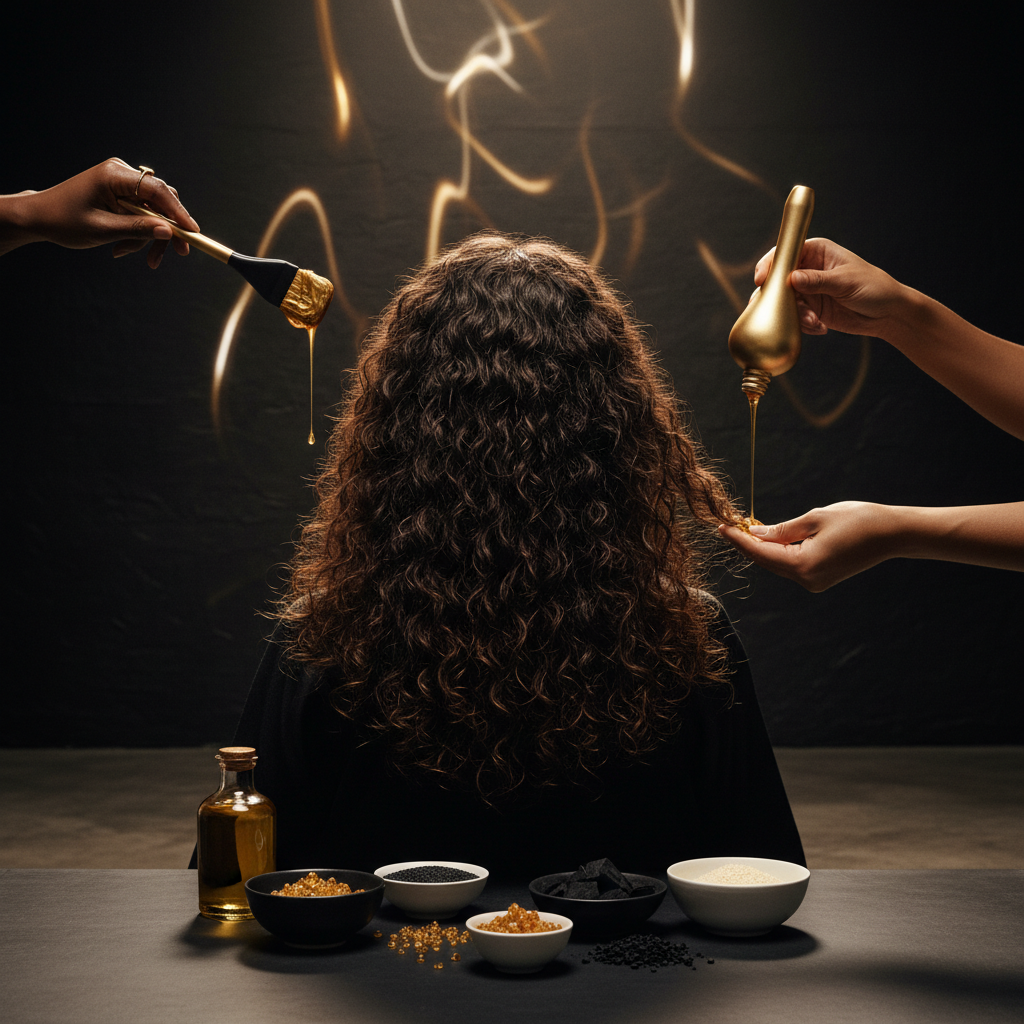
Understanding Hair Nourishment
Hair nourishment refers to the process of supplying hair strands and the scalp with vital nutrients, proteins, and moisture to maintain or restore their optimal condition. Unlike skin, hair is not a living tissue beyond the root within the follicle. Therefore, "nourishing" treatments primarily focus on repairing damage, protecting against further harm, and improving the hair's external qualities like shine, elasticity, and manageability.
The Role of Essential Components
Effective nourishing treatments often incorporate various components, each playing a specific role:
- Proteins: Keratin, the primary protein composing hair, can be replenished topically. Hydrolyzed proteins, broken down into smaller molecules, penetrate the hair shaft to strengthen its structure and reduce breakage. Examples include hydrolyzed wheat protein, soy protein, and rice protein.
- Amino Acids: These are the building blocks of proteins. Specific amino acids can help repair damaged cuticles and enhance hair's elasticity.
- Vitamins: Certain vitamins, like biotin (Vitamin B7), panthenol (Provitamin B5), and tocopherol (Vitamin E), contribute to scalp health and hair appearance. Panthenol, in particular, is a humectant that attracts and holds moisture.
- Minerals: Zinc, iron, and silica are common minerals supporting hair health, often incorporated for their role in the hair growth cycle and structural integrity.
- Fatty Acids & Lipids: These help to seal the hair cuticle, reducing moisture loss and enhancing shine. Natural oils like argan oil, coconut oil, and jojoba oil are rich in fatty acids.
- Humectants: Ingredients like glycerin, hyaluronic acid, and aloe vera draw moisture from the air into the hair, providing hydration.
- Emollients & Occlusives: These substances create a protective barrier on the hair surface, smoothing the cuticle and preventing moisture evaporation. Silicones and natural butters fall into this category.
Types of Nourishing Hair Treatments
Nourishing treatments come in various forms, each designed for different needs and application methods.
Conditioners
Daily conditioners are foundational nourishing treatments. They are typically applied after shampooing, left on for a few minutes, and then rinsed. Their primary function is to detangle, smooth the hair cuticle, and provide a light layer of moisture and protection.
Deep Conditioners & Hair Masks
These are more concentrated formulations designed for intensive nourishment. They contain higher percentages of active ingredients like proteins, emollients, and humectants. Deep conditioners and hair masks are typically applied to clean, damp hair and left on for an extended period (5-30 minutes) before rinsing. They are particularly beneficial for dry, damaged, or chemically treated hair.
Leave-in Treatments
Leave-in conditioners, serums, and creams are applied to damp or dry hair and are not rinsed out. They provide continuous conditioning, protection from environmental stressors, heat styling, and can help to manage frizz and add shine throughout the day.
Scalp Treatments
While often overlooked in hair nourishment discussions, a healthy scalp is fundamental to healthy hair growth. Scalp treatments, including oils, serums, and exfoliants, aim to balance scalp pH, reduce inflammation, gently remove buildup, and stimulate circulation, thereby creating an optimal environment for hair follicles.
Hot Oil Treatments
Hot oil treatments involve warming a natural oil (e.g., coconut, olive, argan) and applying it to the hair and scalp. The gentle heat helps the oil penetrate the hair shaft more effectively and can improve blood circulation to the scalp. These treatments are excellent for adding shine, softness, and reducing frizz.
Application Techniques for Optimal Results
Proper application maximizes the efficacy of nourishing treatments.
- Cleanse First: Most treatments are best applied to clean hair, free from product buildup, to allow ingredients to penetrate effectively.
- Even Distribution: Ensure the product is distributed evenly from roots to ends, or specifically where needed (e.g., concentrated on mid-lengths and ends for dryness). Use a wide-tooth comb for even spread.
- Heat (Optional): For deep conditioners and masks, applying gentle heat (e.g., using a shower cap or warm towel) can help open the hair cuticle, facilitating deeper penetration of ingredients.
- Rinse Thoroughly (If Required): Unless it
Find these ingredients in Watermans products
- Biotin, you will find this ingredient in our Hair Growth Shampoo.
- Zinc, you will find this ingredient in our Hair Vitamins.
- Panthenol (Provitamin B5), you will find this ingredient in our Heat Protection Spray.
- Aloe Vera, you will find this ingredient in our Curly Hair Conditioner.