Diet for Healthy Hair
4 min read ·
Nourishing your body with a balanced diet provides the essential building blocks for strong, vibrant hair, influencing growth, strength, and appearance.
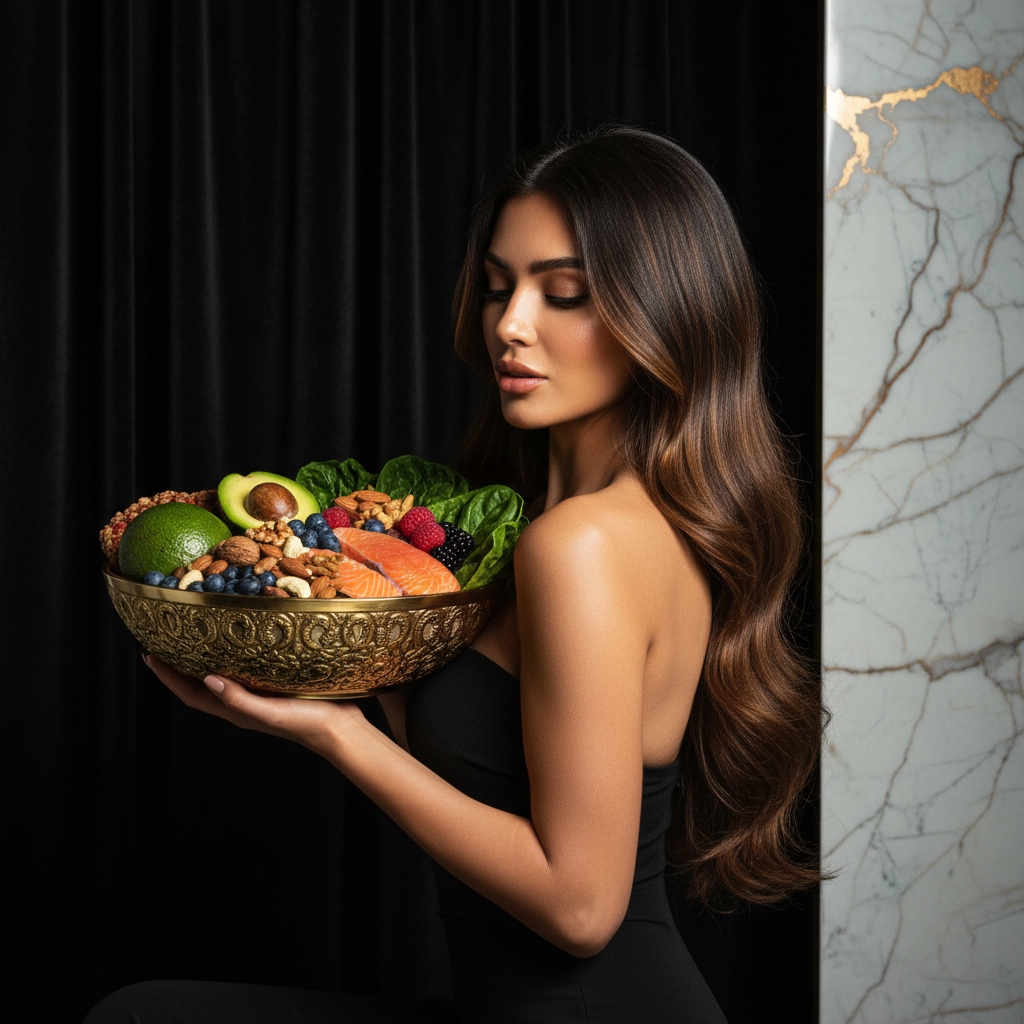
The Foundation of Hair Health
Hair, primarily composed of a protein called keratin, is a non-essential tissue in the body. This means that when nutrient supply is limited, the body prioritizes essential functions over hair growth. Consequently, a diet lacking in vital nutrients can directly impact hair health, leading to issues such as thinning, breakage, and dullness.
Macronutrients and Hair
Macronutrients, proteins, carbohydrates, and fats, form the bulk of our diet and provide the energy and structural components necessary for bodily functions, including hair growth.
Proteins
As hair is largely protein, adequate protein intake is crucial. A deficiency can lead to weaker hair strands, reduced growth, and even hair loss. Complete proteins, found in animal products, contain all nine essential amino acids required by the body. Plant-based proteins can also provide all essential amino acids when combined appropriately.
- Sources: Lean meats, fish, eggs, dairy, legumes, nuts, seeds, and whole grains.
Complex Carbohydrates
Carbohydrates are the body's primary energy source. Complex carbohydrates provide sustained energy, which is important for the energy-intensive process of cell growth, including hair follicle cells. They also often contain vital B vitamins.
- Sources: Whole grains, fruits, vegetables, and legumes.
Healthy Fats
Fats play a significant role in nutrient absorption and overall cell health, including the cells of the scalp and hair follicles. Essential fatty acids, which the body cannot produce on its own, are particularly important for maintaining scalp health and preventing dryness.
- Sources: Avocados, nuts, seeds, fatty fish (salmon, mackerel), and olive oil.
Micronutrients and Hair
Micronutrients, vitamins and minerals, are required in smaller quantities but are no less vital for hair health. They act as cofactors in numerous biochemical reactions, including those involved in hair protein synthesis and follicle function.
Vitamins
- Vitamin A: Essential for cell growth, including hair cells. It also helps the scalp produce sebum, an oily substance that moisturizes the scalp and hair.
- Sources: Carrots, sweet potatoes, spinach, kale, and eggs.
- B Vitamins (especially Biotin and Niacin): Biotin (B7) is widely recognized for its role in hair health, contributing to keratin infrastructure. Niacin (B3) supports healthy blood circulation to the scalp, delivering nutrients to hair follicles.
- Sources (Biotin): Eggs, nuts, seeds, sweet potatoes, and avocados.
- Sources (Niacin): Poultry, fish, peanuts, and mushrooms.
- Vitamin C: A powerful antioxidant that helps protect against oxidative stress, which can damage hair follicles. It is also crucial for collagen production, a protein that is part of the hair structure.
- Sources: Citrus fruits, bell peppers, strawberries, and broccoli.
- Vitamin D: Linked to hair follicle cycling and new hair growth. Deficiency is associated with hair loss.
- Sources: Fatty fish, fortified dairy and cereals, and sunlight exposure.
- Vitamin E: Another antioxidant that can help protect hair from environmental damage. It also supports blood circulation.
- Sources: Nuts, seeds, spinach, and avocados.
Minerals
- Iron: Essential for carrying oxygen to hair follicles. Iron deficiency (anemia) is a common cause of hair loss.
- Sources: Red meat, spinach, lentils, and fortified cereals.
- Zinc: Plays a key role in hair tissue growth and repair. It also helps keep the oil glands around the follicles working properly.
- Sources: Oysters, beef, pumpkin seeds, and lentils.
- Selenium: An antioxidant that helps protect cells from damage. It is also involved in thyroid function, which impacts hair growth.
- Sources: Brazil nuts, fish, chicken, and eggs.
- Magnesium: Involved in over 300 biochemical reactions in the body, including protein synthesis and nerve function. It indirectly supports hair health.
- Sources: Leafy greens, nuts, seeds, and whole grains.
Hydration
Water is not a nutrient in the traditional sense, but adequate hydration is fundamental for overall health, including the optimal functioning of cells that support hair growth. Dehydration can affect the elasticity and strength of hair strands.
Dietary Approaches for Hair Health
A balanced diet that incorporates a wide variety of nutrient-dense foods is the most effective approach to supporting healthy hair. While supplements can address specific deficiencies, they are not a substitute for a wholesome diet. Always consult with a healthcare professional before starting any new supplement regimen.
Here's a comparative overview of dietary components for hair:
| Nutrient Group | Key Benefit for Hair | Primary Food Sources |
|---|---|---|
| Proteins | Hair structure, growth, strength | Meat, fish, eggs, dairy, legumes, nuts, seeds |
| Complex Carbohydrates | Energy for cell growth, B vitamins | Whole grains, fruits, vegetables, legumes |
| Healthy Fats | Scalp health, nutrient absorption, cell membrane integrity | Avocados, nuts, seeds, fatty fish, olive oil |
| Vitamins | Cell growth, antioxidant protection, collagen production | Colorful fruits, vegetables, eggs, fortified foods |
| Minerals | Oxygen transport, tissue repair, enzyme function | Red meat, leafy greens, nuts, seeds, seafood, whole grains |
| Water | Hydration, nutrient transport, elasticity | Water, fruits, vegetables, hydrating beverages |
Conclusion
Adopting a consistent diet rich in diverse whole foods provides the necessary framework for healthy hair. By understanding the role each nutrient plays, individuals can make informed dietary choices that promote strong, resilient, and lustrous hair from the inside out.
Find these ingredients in Watermans products
- Biotin, you will find this ingredient in our Hair Growth Shampoo.
- Zinc, you will find this ingredient in our Hair Vitamins.