Dandruff: Types, Causes, and Treatments
5 min read ·
Dandruff is a common scalp condition characterized by flaky skin and itching, with various types stemming from distinct causes and requiring specific treatments.
Understanding Dandruff
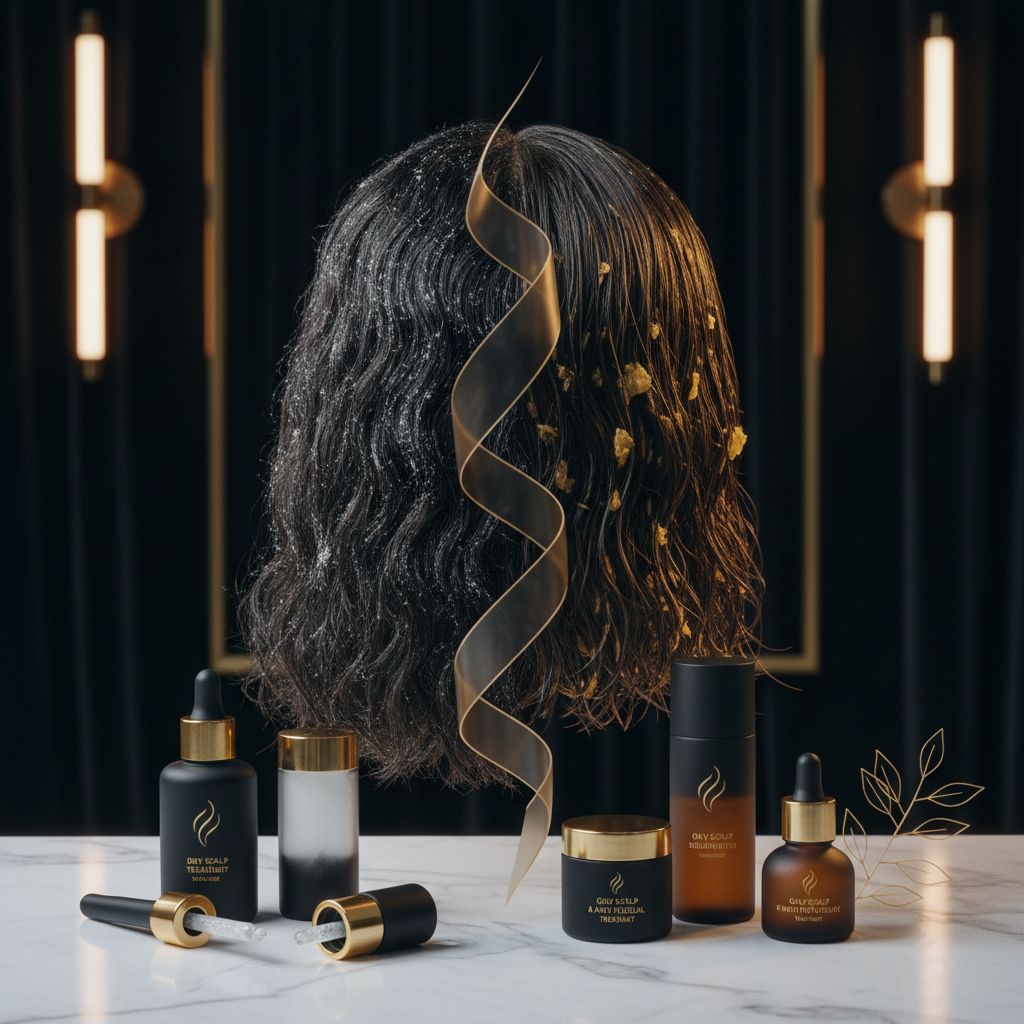
Dandruff, medically known as Pityriasis capitis, is a prevalent scalp condition that affects a significant portion of the population at some point in their lives. It is characterized by the shedding of dead skin cells from the scalp, often appearing as white or grey flakes in the hair and on the shoulders. While generally harmless, dandruff can be a source of discomfort due to associated itching and can impact self-esteem.
The skin on our scalp, like the rest of our body, undergoes a continuous process of renewal. Old skin cells die and are replaced by new ones. Normally, this shedding is imperceptible. However, with dandruff, this cellular turnover accelerates, causing cells to shed in larger clumps, making them visible.
Types of Dandruff
Dandruff is not a singular condition but rather a collection of related scalp issues, each with its own specific causes. Understanding the type of dandruff is crucial for effective treatment.
1. Dry Skin Dandruff (Pityriasis Sicca)
This is the most common and mildest form of dandruff. It occurs when the scalp lacks sufficient moisture, leading to dry, fine, white flakes that easily fall from the scalp. It is often exacerbated by cold, dry weather and hot showers.
2. Oily Scalp Dandruff (Seborrhoeic Dermatitis)
This type of dandruff is characterized by yellowish, greasy flakes that adhere to the hair follicles and scalp. It is caused by an overproduction of sebum, the natural oil produced by the sebaceous glands. The excess oil creates an environment conducive to the overgrowth of Malassezia globosa, a yeast-like fungus naturally present on the scalp. While Malassezia is harmless in controlled amounts, its overgrowth can lead to inflammation, itching, and increased skin cell turnover. Seborrhoeic dermatitis can also affect other oily areas of the body, such as the face and chest.
3. Fungal Dandruff (Malassezia-related Dandruff)
Closely related to oily scalp dandruff, fungal dandruff specifically refers to cases where the primary trigger is the overgrowth of Malassezia globosa. This fungus breaks down sebum into oleic acid, which irritates the scalp in individuals sensitive to it, leading to increased cell turnover and flaking.
4. Product Buildup Dandruff
This type of dandruff can mimic other forms but is caused by the accumulation of styling products, shampoos, and conditioners that are not thoroughly rinsed from the hair. These residues can irritate the scalp, block hair follicles, and create an environment for flaking and itching.
5. Psoriasis of the Scalp
Psoriasis is a chronic autoimmune condition that can affect the scalp, leading to thick, silvery-white scales that are often well-demarcated and can be itchy or painful. Unlike typical dandruff flakes, psoriatic scales are generally thicker and more adherent to the scalp.
6. Eczema of the Scalp (Atopic Dermatitis)
Eczema can also manifest on the scalp, causing red, inflamed, itchy, and sometimes weeping patches. It is often associated with other allergic conditions and can be distinguished from typical dandruff by its more intense inflammation.
Common Causes and Contributing Factors
Several factors can contribute to the development or worsening of dandruff:
- Hormonal Fluctuations: Androgens (male hormones) can influence sebaceous gland activity.
- Stress: While not a direct cause, stress can exacerbate existing scalp conditions.
- Diet: A diet lacking essential nutrients, particularly B vitamins and zinc, may contribute.
- Weather Changes: Dry winter air and excessive heat can affect scalp moisture levels.
- Infrequent Shampooing: Allows for the buildup of oils and dead skin cells.
- Sensitivity to Hair Products: Certain ingredients can irritate the scalp.
- Certain Medical Conditions: Neurological conditions like Parkinson's disease, or compromised immune systems.
Treatment Approaches
The most effective treatment for dandruff depends on its underlying cause. A systematic approach often yields the best results.
1. Anti-Dandruff Shampoos
These shampoos contain active ingredients designed to address the various causes of dandruff. They should be massaged into the scalp and left on for a few minutes to allow the active ingredients to work before rinsing thoroughly.
| Active Ingredient | Primary Action | Effective For |
|---|---|---|
| Zinc Pyrithione | Antifungal and antibacterial | Oily scalp, fungal dandruff (Malassezia) |
| Selenium Sulfide | Antifungal; slows down skin cell production | Oily scalp, fungal dandruff, severe flaking |
| Ketoconazole | Potent antifungal | Severe fungal dandruff (Malassezia) |
| Salicylic Acid | Exfoliant; helps shed dead skin cells | Dry scalp, thick scales |
| Coal Tar | Slows skin cell growth; reduces inflammation | Psoriasis, severe seborrhoeic dermatitis |
2. Hair and Scalp Care Practices
- Regular Shampooing: Balances oil production and removes dead skin cells. The frequency depends on scalp type; typically 2-3 times per week for oily scalps, less for dry scalps.
- Thorough Rinsing: Ensures no shampoo or conditioner residue is left on the scalp.
- Avoid Harsh Products: Opt for gentle, sulfate-free shampoos and conditioners if you have a sensitive scalp.
- Scalp Massage: Improves blood circulation and can help dislodge flakes.
- Moisturize the Scalp: For dry skin dandruff, consider a light, non-comedogenic scalp moisturiser or oil post-wash.
- Diet and Lifestyle: Maintain a balanced diet, manage stress, and ensure adequate hydration.
3. Medical Consultation
If over-the-counter treatments are ineffective or if dandruff is accompanied by severe redness, swelling, oozing, or signs of infection, consulting a dermatologist is recommended. They can accurately diagnose the underlying condition and prescribe stronger medications, such as prescription-strength antifungal shampoos or topical corticosteroids to reduce inflammation.
Prevention
While complete prevention may not always be possible, particularly for genetically predisposed conditions, several measures can help reduce the frequency and severity of dandruff outbreaks:
- Consistent Scalp Hygiene: Regular washing with a suitable shampoo.
- Ingredient Awareness: Identify and avoid ingredients that irritate your scalp.
- Manage Stress: Employ relaxation techniques to reduce stress levels.
- Healthy Diet: Ensure adequate intake of vitamins and minerals.
- Sun Exposure: Moderate sun exposure can sometimes help, but protect your scalp from sunburn.
Find these ingredients in Watermans products
- Zinc, you will find this ingredient in our Hair Vitamins.
- Oleic Acid, you will find this ingredient in our Camellia & Black Castor Hair & Body Oil.