Dandruff Treatments
3 min read ·
Dandruff, or Pityriasis capitis, is a common scalp condition characterized by flaking and sometimes itching, with various effective treatments available.
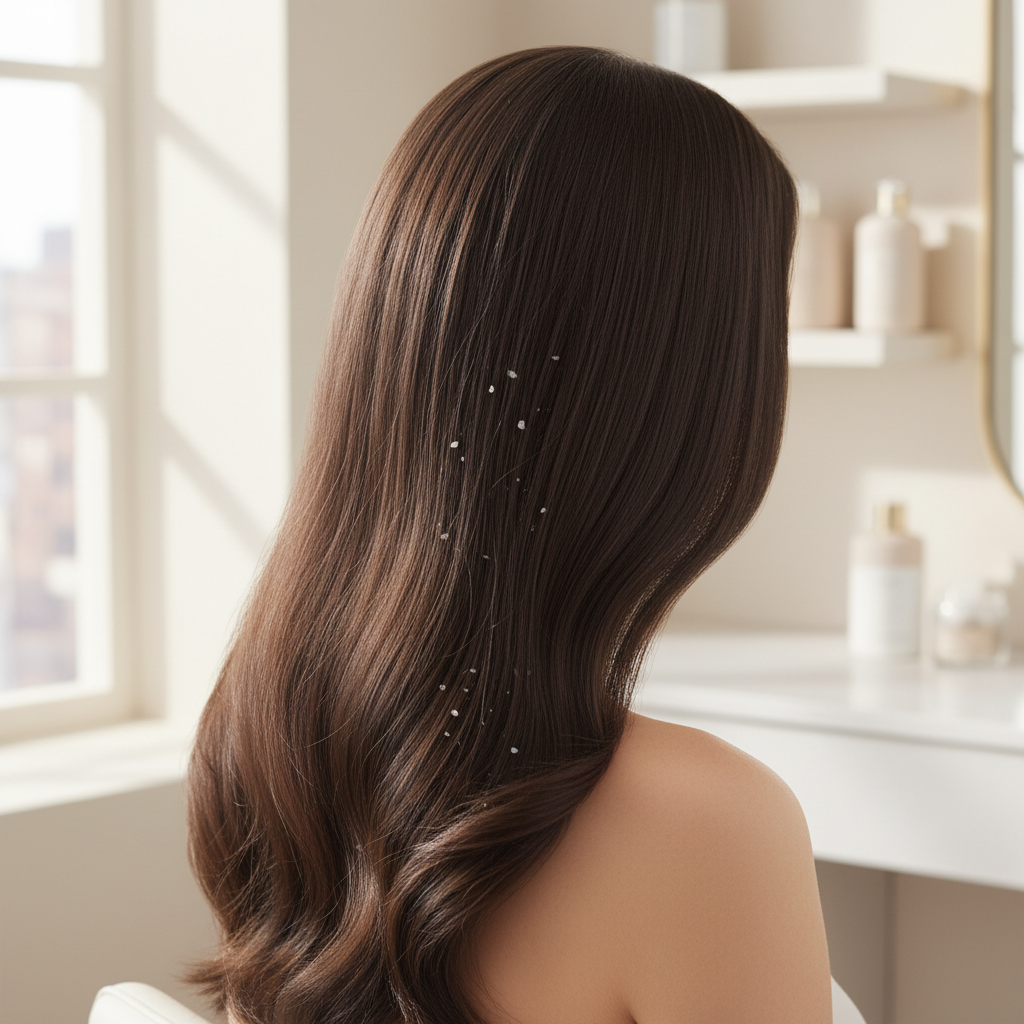
Understanding Dandruff
Dandruff, clinically known as Pityriasis capitis, is a prevalent scalp condition affecting a significant portion of the population. It is characterized by the shedding of visible flakes of skin from the scalp, often accompanied by itching.
The primary cause of common dandruff is the overgrowth of a yeast-like fungus called Malassezia globosa, which naturally resides on the scalp. This fungus breaks down sebum, the natural oil produced by the sebaceous glands, into oleic acid. For individuals sensitive to oleic acid, this can trigger an accelerated rate of skin cell turnover. Normally, scalp skin cells mature and shed approximately every 28 days. In dandruff, this process is significantly sped up to about 7-10 days, leading to an accumulation of dead skin cells that clump together and become visible as flakes.
Contributing factors to dandruff include genetic predisposition, hormonal fluctuations, stress, infrequent shampooing, certain medical conditions, and sensitivity to hair care products.
Types of Dandruff
While most people experience common dandruff due to Malassezia globosa, other conditions can present with similar flaking:
- Dry Scalp Dandruff: Less severe than typical dandruff, this often results from a lack of moisture on the scalp. Flakes are usually smaller and whiter, and the scalp may feel tight and itchy.
- Oily Scalp Dandruff (Seborrheic Dermatitis): A more severe form of dandruff, where flaking is often accompanied by redness, inflammation, and greasy, yellowish scales. This is also linked to Malassezia overgrowth but involves an overproduction of sebum.
- Psoriasis of the Scalp: A chronic autoimmune condition that causes thick, silvery scales and red patches on the scalp. Unlike dandruff, the scales are generally thicker and more persistent.
- Contact Dermatitis: An allergic reaction to a hair product Ingredient, causing redness, itching, and sometimes flaking.
Treatment Approaches
Effective dandruff treatment focuses on controlling fungal growth, reducing inflammation, and normalizing cell turnover. Treatment often involves specialized shampoos and lifestyle adjustments.
Over-the-Counter (OTC) Shampoos
Many anti-dandruff shampoos contain active ingredients designed to address the underlying causes of flaking. It is important to leave these shampoos on the scalp for several minutes (as directed by the product) to allow the active ingredients to work.
| Active Ingredient | Mechanism of Action | Common Uses |
|---|---|---|
| Zinc Pyrithione | Antifungal and antibacterial; reduces Malassezia growth. | Common dandruff, mild seborrheic dermatitis. |
| Selenium Sulfide | Antifungal; slows down the rate of skin cell turnover. | Moderate to severe dandruff, seborrheic dermatitis. |
| Ketoconazole | Potent antifungal; disrupts fungal cell membranes. | Persistent dandruff, seborrheic dermatitis. Available OTC and Rx. |
| Salicylic Acid | Keratolytic; helps to shed dead skin cells and loosen flakes. | Helps remove scales, often combined with other antifungals. |
| Coal Tar | Slows down the growth of skin cells; may reduce inflammation. | Dandruff, seborrheic dermatitis, scalp psoriasis. |
Prescription Treatments
For severe or recalcitrant dandruff and seborrheic dermatitis, a healthcare provider may prescribe stronger medications, including:
- Higher-strength ketoconazole: More concentrated antifungal shampoos or foams.
- Topical corticosteroids: Creams, lotions, or solutions to reduce inflammation and itching.
- Calcineurin inhibitors: Non-steroidal anti-inflammatory medications.
Lifestyle and Hair Care Adjustments
Beyond medicated shampoos, certain practices can help manage dandruff:
- Regular Shampooing: Washing hair regularly, even daily for some, can help remove excess oil and dead skin cells, preventing buildup that can exacerbate dandruff. For Malassezia-related dandruff, this helps remove the fungus
Find these ingredients in Watermans products
- Zinc, you will find this ingredient in our Hair Vitamins.
- Oleic Acid, you will find this ingredient in our Camellia & Black Castor Hair & Body Oil.