Cuticle Health and Hair Integrity
4 min read ·
The hair cuticle, the outermost layer of the hair shaft, plays a critical role in hair health, appearance, and protection.
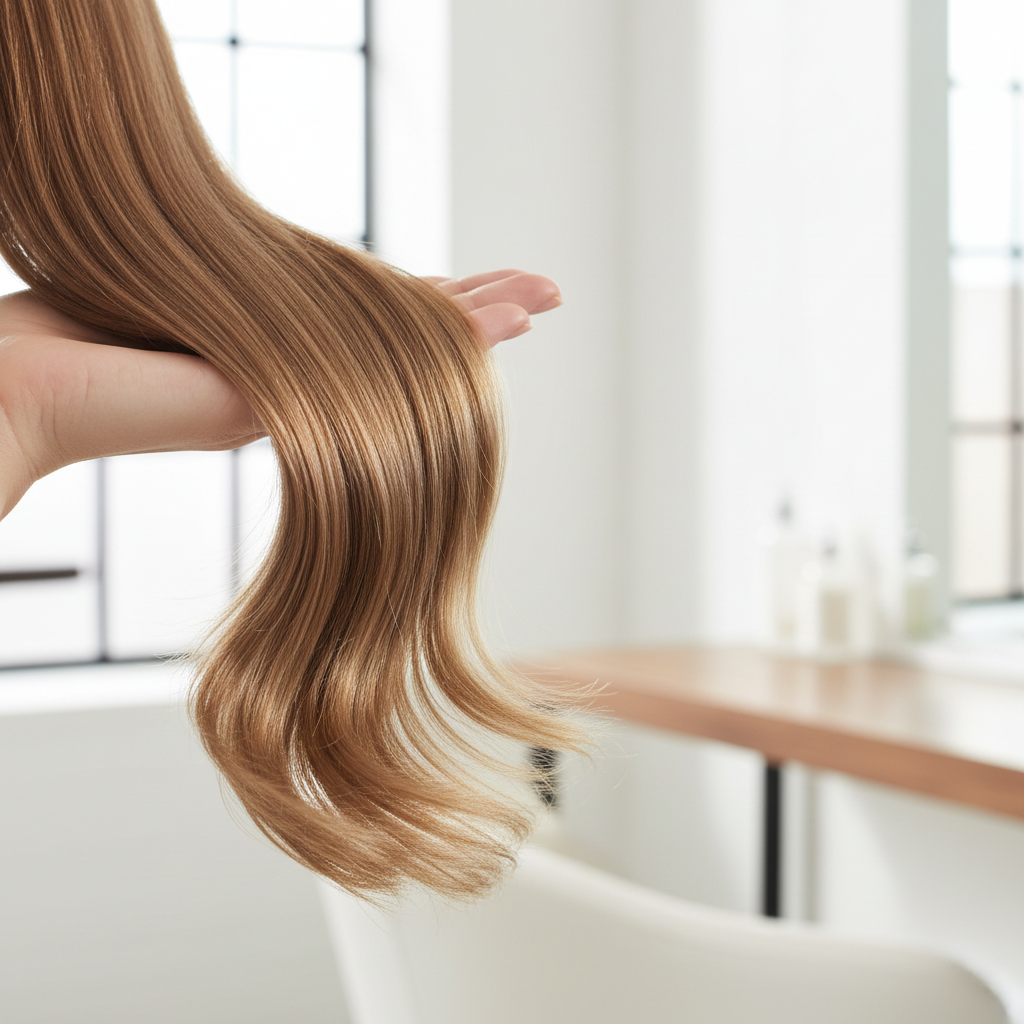
Understanding the Hair Cuticle
The hair cuticle is the outermost protective layer of the hair shaft, analogous to shingles on a roof. Composed of several layers of dead, overlapping keratinized cells, its primary function is to shield the inner cortex and medulla from damage. Despite being dead cells, the cuticle's condition directly impacts the hair's overall health, strength, and aesthetic qualities such as shine and smoothness.
Each individual cuticle cell is flat and thin, approximately 0.5 micrometers thick and 35 to 45 micrometers long. These cells are oriented with their free ends pointing towards the hair tip. The number of cuticle layers varies depending on hair type and ethnicity, typically ranging from 6 to 10 layers.
The Role of the Cuticle in Hair Health
Protection
The cuticle acts as a primary barrier against environmental stressors, chemical treatments, and physical damage. It protects the hair's inner structures from:
- UV Radiation: Prolonged exposure can degrade proteins within the cuticle, leading to brittleness.
- Heat: High temperatures from styling tools can lift and crack cuticle cells, causing moisture loss.
- Chemical Processes: Perming, colouring, and relaxing treatments inherently alter or bypass the cuticle to effect changes in the hair's internal structure.
- Mechanical Stress: Brushing, combing, and styling can cause friction that abrades the cuticle.
Moisture Retention
An intact cuticle prevents excessive water loss from the hair shaft, maintaining optimal hydration. When the cuticle is smooth and tightly sealed, it reduces the rate of evaporation, keeping the hair supple and preventing dryness and breakage.
Shine and Smoothness
The smooth, overlapping arrangement of healthy cuticle cells reflects light uniformly, contributing to the hair's natural luster and shine. When the cuticle is raised or damaged, light is scattered, resulting in a dull, rough appearance.
Strength and Elasticity
While the cortex is the primary determinant of hair strength, a healthy cuticle contributes significantly by holding the cortex within its protective embrace. A compromised cuticle leaves the cortex exposed and vulnerable, reducing the hair's tensile strength and elasticity.
Factors Affecting Cuticle Health
Numerous factors can impact the health and integrity of the hair cuticle, leading to damage:
- Chemical Treatments: Hair dyes, bleaches, perms, and chemical relaxers are designed to penetrate or alter the cuticle. While necessary for desired styling, these processes inherently disrupt the cuticle's structure.
- Heat Styling: Frequent use of blow dryers, flat irons, and curling irons at high temperatures can cause the cuticle scales to lift, crack, or even melt, leading to irreversible damage.
- Mechanical Manipulation: Aggressive brushing, vigorous towel drying, and tight hairstyles can cause friction and abrasion, eroding the cuticle layers over time.
- UV Exposure: Sunlight, particularly UVA and UVB rays, can degrade the proteins and lipids within the cuticle, leading to weakening and discoloration.
- Environmental Factors: Exposure to harsh winds, pollution, and chlorinated or saltwater can contribute to cuticle damage.
- Alkaline Products: Products with a high pH (above 7) can cause the cuticle to swell and lift, making it vulnerable to damage. Many shampoos are formulated to be slightly acidic (pH 4.5 to 5.5) to help keep the cuticle flat.
Recognizing Cuticle Damage
Symptoms of a compromised cuticle include:
- Dullness: Lack of shine due to scattered light reflection.
- Rough Texture: Hair feels coarse or frizzy to the touch.
- Frizz: Raised cuticle scales allow moisture to enter the hair shaft unevenly.
- Split Ends: The protective cuticle at the hair tip is worn away, exposing the cortex to fray.
- Breakage: Weakened hair due to an exposed and damaged cortex.
- Increased Tangling: Rough cuticle surfaces snag on adjacent hair strands.
Maintaining and Restoring Cuticle Health
Prioritizing cuticle health is foundational to achieving strong, shiny, and manageable hair. Strategies focus on minimizing damage and employing products that support cuticle integrity:
- Gentle Cleansing: Use a sulfate-free shampoo formulated to maintain a healthy pH balance. Over-shampooing or using harsh cleansers can strip beneficial oils and open the cuticle.
- Conditioning: Always follow shampoo with a conditioner. Conditioners typically contain ingredients that help to smooth and seal the cuticle, reducing friction and improving detangling. Look for ingredients like cetearyl alcohol or behentrimonium methosulfate.
- Leave-in Treatments: These products provide an additional layer of protection, helping to shield the cuticle from environmental damage and provide continuous moisture.
- Heat Protection: Apply a heat protection spray before using styling tools. These products create a thermal barrier, distributing heat more evenly and reducing direct impact on the cuticle.
- Minimize Chemical Treatments: Limit the frequency of colouring, perming, and relaxing. When these services are performed, use professional products and follow post-treatment care diligently.
- Gentle Detangling and Styling: Use a wide-tooth comb or a wet brush on wet hair, working from the ends upwards. Avoid aggressive brushing. Handle hair gently when styling. For example, rather than scrubbing with a towel, gently squeeze water out of your hair with a microfiber towel or cotton t-shirt.
- Regular Trims: Trim hair regularly to remove split ends and prevent further damage from traveling up the hair shaft.
- Cool Rinses: Rinsing hair with cool water after conditioning can help to close the cuticle, enhancing shine.
- Hair Masks: Incorporate a deep conditioning hair mask weekly or bi-weekly. These treatments deliver concentrated nutrients and conditioning agents to help repair and fortify the cuticle.
By diligently caring for the hair cuticle, one maintains hair's natural defenses, leading to a visibly healthier, smoother, and more resilient mane.