Curly Hair Routine Essentials: A Complete Guide to Care
9 min read ·
Developing effective curly hair routine essentials is key to maintaining moisture, defining curls, and minimising breakage.
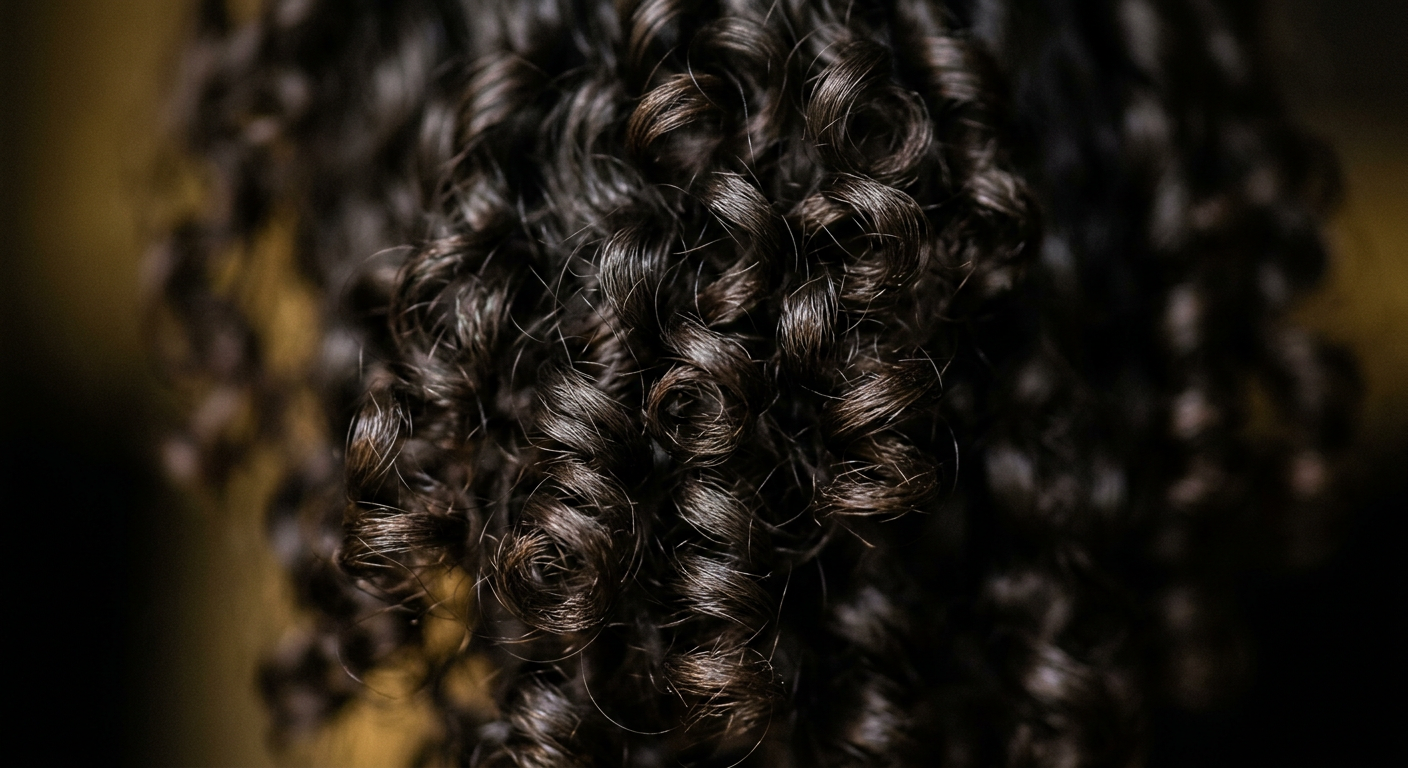
Quick answer: Adopting tailored curly hair routine essentials is fundamental for nurturing the unique structure of curly hair, which is inherently prone to dryness and potential breakage due to its elliptical shape and often raised cuticle. A well-structured routine focuses on gentle cleansing, intensive conditioning, and curl-defining styling to enhance hydration, reduce frizz, and promote elasticity. The effectiveness of any routine, however, is individual and depends on hair porosity, density, and specific curl pattern, necessitating some personal adjustment to achieve optimal results.
Key takeaways
- Curly hair's distinct structure makes it particularly susceptible to dryness and frizz, necessitating a care routine deeply focused on moisture and protection.
- Gentle, infrequent cleansing, followed by thorough conditioning and regular deep treatments, forms the core of effective curly hair routine essentials.
- Understanding your hair's porosity and density is crucial for selecting appropriate products and application techniques.
- Styling products are most effective when applied to wet hair to lock in moisture, enhance curl definition, and help protect the hair fibre.
- Minimising heat exposure and incorporating protective styling techniques can significantly preserve curl integrity and reduce potential damage.
- Regular trims are important for maintaining healthy curl formation and preventing split ends from travelling up the hair shaft.
Curly hair routine essentials: what the evidence shows
Curly hair is biologically distinct from straight hair, and these structural differences require specific care to maintain its health and appearance. The hair follicle, the structure from which hair grows, dictates the hair's shape. While straight hair typically emerges from round, symmetrical follicles, curly hair originates from elliptical, asymmetrical follicles. This elliptical cross-section causes the hair shaft to bend and twist as it grows, forming the characteristic curl pattern. The angle at which the follicle emerges from the scalp also influences curl tightness, with a sharper angle generally producing tighter curls.
Further, the distribution of disulfide bonds, which are strong chemical bonds within the hair shaft, is uneven in curly hair, contributing to its curved structure. This irregular architecture often results in a more raised cuticle layer compared to straight hair. A raised cuticle makes it more challenging for curly hair to retain moisture, leading to a tendency towards dryness, frizz, and increased vulnerability to breakage. Consequently, effective curly hair routine essentials are designed to moisturise, protect, and define these delicate hair strands.
Why moisture is paramount for curly hair
The most significant challenge for curly hair is maintaining adequate moisture. Sebum, the natural oil produced by the scalp, travels down the hair shaft less efficiently on curly or coiled strands due to their twists and turns. This slower distribution leaves curly hair naturally drier than straighter hair types. A proper care strategy must therefore prioritise rehydrating the hair and sealing in moisture. This often involves using products that contain humectants to draw moisture from the air, and emollients to soften and seal the hair cuticle. For more details, explore our article on Hair Hydration: Maintaining Moisture for Healthy Hair.
Cleansing for curl preservation
Frequent or harsh cleansing can strip curly hair of its limited natural oils, exacerbating dryness and frizz. The primary goal of cleansing in a curly hair routine is to clean the scalp and hair without overly drying the strands. Dermatologists and hair experts generally recommend cleansing curly hair 1 to 2 times per week. When shampooing, focus on massaging the product into the scalp to effectively remove product build-up, excess sebum, and environmental impurities. Allow the lather to gently cleanse the hair strands as you rinse. Look for sulfate-free shampoos, as sulfates (like sodium lauryl sulfate and sodium laureth sulfate) can be overly harsh and remove too much natural oil, potentially disrupting the scalp barrier. Our articles on Sulfate-Free Shampoo Benefits and The Benefits of Sulfate-Free Hair Products offer further insight.
Conditioning: a non-negotiable step
Conditioning is arguably the most critical step in curly hair routine essentials. Conditioners help to smooth the cuticle, aid in detangling, and infuse moisture back into the hair. After shampooing, apply a generous amount of conditioner, focusing on the mid-lengths and ends, where hair is typically driest and most prone to damage. Detangle gently while the conditioner is in your hair, using your fingers or a wide-tooth comb. Always start detangling from the ends and carefully work your way up to minimise breakage. Leave-in conditioners are also highly beneficial, providing continuous hydration and definition throughout the day without weighing down curls. For more in-depth information, see our articles on Hair Cleansing and Conditioning and Choosing the Right Hair Conditioner.
Styling for definition and protection
Applying styling products to wet or very damp hair is a fundamental aspect of curly hair routine essentials. This practice helps to lock in moisture, define the natural curl pattern, and create a protective barrier against frizz. Curl creams, gels, mousses, and custards are common choices. Scrunching, a technique where you gently squeeze hair upwards towards the scalp, encourages curl formation and helps distribute products evenly. Air drying is often preferred to minimise heat damage, but if you use a diffuser, set it to a cool or low-heat setting to protect the hair fibre. Overuse of heat styling tools can lead to hair damage, which further compromises curl integrity and moisture balance. For more on this, see Heat Styling Safety Best Practices and How to Reduce Frizz in Hair.
Weekly intensive care
Incorporating a weekly deep conditioning treatment or hair mask can significantly boost moisture levels and help repair damaged cuticles. These treatments typically contain higher concentrations of nourishing ingredients such as natural oils, butters, and hydrolysed proteins. They are left on for 15 to 30 minutes, sometimes with gentle heat, to allow for deeper penetration into the hair shaft. For those with particularly dry or damaged curls, a protein treatment may be beneficial to temporarily strengthen the hair fibre, but overuse can lead to stiffness and increased breakage, so balance is key. Our article on Hair Moisturizers provides more context.
Scalp health for optimal growth
A healthy scalp is the foundation for healthy hair growth, regardless of hair type. Regular gentle scalp massages can stimulate blood flow to the hair follicles. If you experience product build-up, a gentle scalp scrub designed for sensitive scalps can be used, but avoid harsh exfoliation. Maintaining optimal Understanding Scalp Health ensures that new hair grows from a clean, nourished environment. Our article on Scalp Exfoliation: Uncovering the Evidence for a Healthier Scalp offers further reading.
Key ingredients in curly hair routine essentials
Selecting products with beneficial ingredients is crucial. Here's a guide to what to look for and what to generally approach with caution.
| Seek (Beneficial for Moisture/Definition) | Avoid (Potentially Drying/Heavy) |
|---|---|
| Shea Butter, Argan Oil, Jojoba Oil, Coconut Oil | Sulphates (Sodium Lauryl Sulphate, Sodium Laureth Sulphate) |
| Glycerin, Hyaluronic Acid, Aloe Vera, Panthenol | Drying Alcohols (Ethanol, Isopropyl Alcohol, Alcohol Denat.) |
| Hydrolysed Proteins (in moderation) | Heavy Waxes, Mineral Oil, Petrolatum (can cause excessive build-up) |
| Flaxseed Gel, Chia Seed Gel | Non-water-soluble Silicones (e.g., Dimethicone, Amodimethicone without clarifying shampoo) |
Note on Silicones: Not all silicones are detrimental. Water-soluble silicones (such as Dimethicone Copolyol, PEG-8 Dimethicone) rinse out easily and can provide slip and shine without causing significant build-up. Non-water-soluble silicones (e.g., Dimethicone, Amodimethicone) can accumulate on the hair over time, potentially leading to dullness and dryness if not regularly removed with a clarifying shampoo. Understanding Hair Porosity: How Your Hair Absorbs and Retains Moisture can also guide product choice, as high porosity hair may benefit from heavier products to seal in moisture.
When to get professional advice
While a well-optimised curly hair routine essentials can significantly improve hair health, some issues may require professional input. If you experience persistent scalp irritation, unusual hair shedding, or unexplained breakage despite consistent care, consult a trichologist or dermatologist. They can help identify underlying conditions, such as dermatitis, alopecia, or nutritional deficiencies, and recommend appropriate medical treatments.
Frequently asked questions about Curly hair routine essentials
How often should I wash my curly hair?
It's generally recommended to wash curly hair 1 to 2 times per week. Over-washing can strip your hair of its natural oils, leading to dryness and frizz, which are common concerns for curly hair. Adjust frequency based on your hair's specific needs, activity level, and product use, prioritising gentle cleansing that respects the scalp barrier.
What's the best way to detangle curly hair?
The most effective way to detangle curly hair is when it's wet and saturated with conditioner, ideally in the shower. Use your fingers or a wide-tooth comb, starting from the ends and gently working your way up to the roots. This method minimises friction and breakage, allowing knots to be carefully separated. Never detangle dry curly hair.
Can hard water affect my curly hair routine essentials?
Yes, hard water can negatively impact your curly hair. The minerals in hard water can accumulate on the hair shaft, leading to build-up, dryness, and reduced curl definition. This can make your usual curly hair routine essentials less effective. Consider using a shower filter or incorporating a chelating shampoo periodically to remove mineral deposits. See Hard Water and Hair Damage: Understanding the Impact on Your Hair for more information.
Why does my curly hair always feel dry?
Curly hair is often naturally drier than other hair types because the twists and turns of the hair shaft make it harder for natural scalp oils to travel down and lubricate the strands. Additionally, curly hair typically has a more open cuticle, leading to increased moisture loss. Ensure your routine includes hydrating products like leave-in conditioners and regular deep conditioning treatments.
Should I use heat on my curly hair?
It's best to minimise heat exposure on curly hair to prevent damage and maintain curl integrity. If you must use heat, always apply a heat protectant and use the lowest effective temperature setting. A diffuser on a cool or low-heat setting is preferable for drying curly hair, as it helps distribute air gently and preserve curl shape.
Watermans solutions for curly hair
Watermans products are formulated to support hair health and growth, complementing a well-structured curly hair routine. For cleansing, Watermans Grow Me Shampoo is a sulfate-free option that gently cleanses the scalp without stripping natural oils, suitable for sensitive curly hair. Follow with Watermans Grow More Conditioner, designed to provide hydration and detangling benefits, crucial for managing curly textures. For an intensive weekly treatment, Watermans Masque Me Hair Mask can deeply nourish and moisturise, addressing the inherent dryness often associated with curly hair. These products aim to promote healthier-looking hair and scalp, working in harmony with the specific needs of curly strands.
Conclusion
Developing and consistently following a tailored approach to curly hair routine essentials is paramount for managing the unique structural characteristics of curly hair. By prioritising moisture, gentle handling, and appropriate product selection, you can unlock enhanced curl definition, minimise frizz, and promote the overall health and vitality of your curls. Understanding your hair's specific needs, such as porosity and density, will guide you in refining your routine for the best possible results.
Sources and references
- American Academy of Dermatology Association, "Hair care tips for people with curly hair", aad.org, 2023.
- British Association of Dermatologists, "Hair loss and hair conditions", bad.org.uk.
- Gavazzoni Dias, M. F. R. (2015). Hair Cosmetics: An Overview. International Journal of Trichology, 7(1), 2-15. Doi: 10.4103/0974-7753.153444.
- PubMed Central, "The Biology of Hair Colour and Shape", NCBI, 2020.
- ScienceDirect, "Hair Shaft, an overview", 2019.
Find these ingredients in Watermans products
- Argan Oil — you will find this ingredient in our Hair Growth Shampoo.
- Aloe Vera — you will find this ingredient in our Curly Hair Conditioner.