Contact Dermatitis Hair Dye: Evidence, Symptoms, and Scalp Care
9 min read ·
Understanding Contact Dermatitis Hair Dye reactions: symptoms, PPD allergy mechanisms, irritant differences, safe patch testing, and professional scalp care.
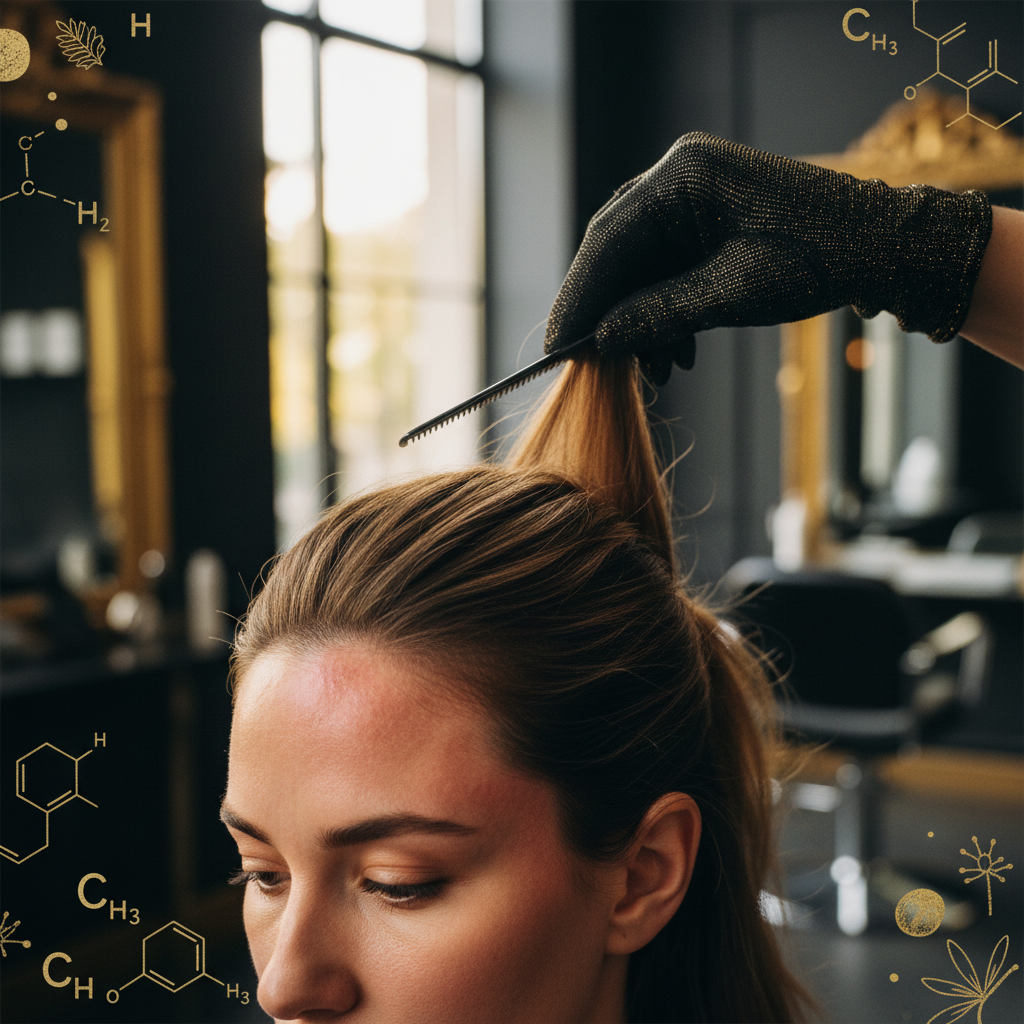
Quick answer: A reaction from Contact Dermatitis Hair Dye exposure occurs when cosmetic colourants trigger either direct chemical irritation or a delayed immune response on the scalp and surrounding skin. The primary culprit is paraphenylenediamine (PPD) and related aromatic amines. Symptoms range from mild stinging and redness to severe facial swelling, blistering, and intense itching. The critical limitation is that once you develop an allergic sensitisation to permanent dye compounds, the immune memory is lifelong, making repeated exposure progressively more hazardous.
Key takeaways
- Contact dermatitis from hair dye splits into two distinct forms: irritant contact dermatitis (ICD) and allergic contact dermatitis (ACD).
- Paraphenylenediamine (PPD) and paratoluenediamine (PTD) are the most frequent chemical sensitising agents involved in allergic reactions.
- Allergic symptoms typically appear 24 to 72 hours after application, whereas irritant reactions develop almost immediately during or right after processing.
- A negative patch test reduces risk but cannot guarantee complete safety, as sensitisation can develop during any colouring session.
- Once sensitised to PPD, cross-reactions frequently occur with related chemicals, including certain textile dyes, local anaesthetics, and temporary black henna tattoos.
Contact Dermatitis Hair Dye: what the evidence shows
Clinical dermatology categorises adverse scalp reactions to colourants into two separate pathological events. Contact Dermatitis Hair Dye reactions are overwhelmingly classified as either irritant contact dermatitis or allergic contact dermatitis.
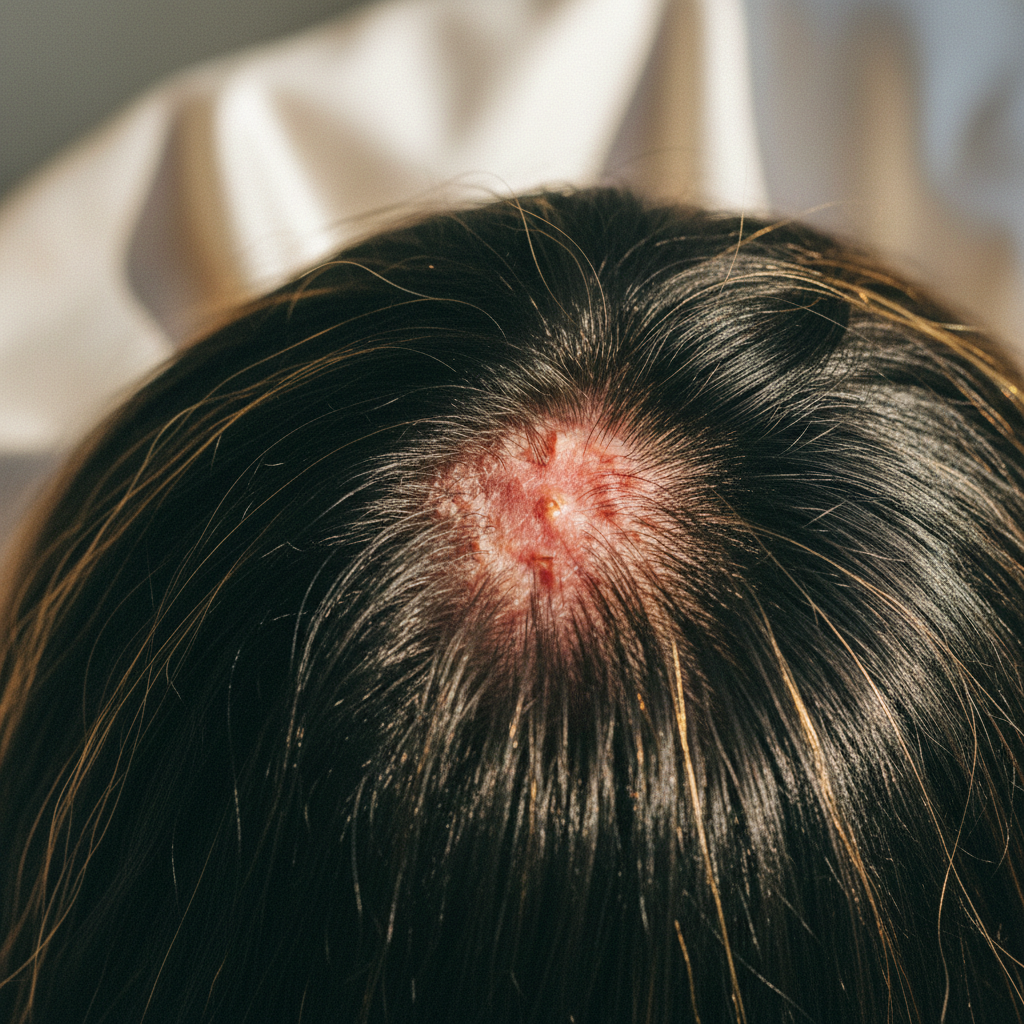
Irritant contact dermatitis accounts for up to 80 percent of all occupational and consumer skin reactions. It occurs when harsh, alkaline chemicals, such as ammonium hydroxide, ethanolamine, or high-volume hydrogen peroxide (often at pH levels between 9.0 and 10.5), strip the skin's protective lipid barrier. This chemical insult causes direct cellular damage without involving your immune system.
In contrast, allergic contact dermatitis is a Type IV delayed-hypersensitivity reaction mediated by T-cells. Peer-reviewed dermatological surveys, including long-term patch-test data from the North American Contact Dermatitis Group and the British Association of Dermatologists, consistently rank hair dye chemicals among the top causes of cosmetic contact allergies worldwide. In general populations, patch-test positive rates for PPD hover between 1.5 and 4.5 percent, rising significantly among hairdressers and consumers who frequently colour their hair dark or permanent shades.
+--------------------------+---------------------------------+----------------------------------+
| Feature | Irritant Contact Dermatitis | Allergic Contact Dermatitis |
+--------------------------+---------------------------------+----------------------------------+
| Biological mechanism | Direct physical/chemical damage | T-cell mediated immune response |
| Onset of symptoms | Minutes to a few hours | 24 to 72 hours post-exposure |
| Common culprits | Peroxide, ammonia, high pH | PPD, PTD, resorcinol, fragrances |
| Spread of rash | Confined strictly to dye contact| Spreads to face, neck, and ears |
| Primary sensation | Burning, stinging, smarting | Intense itching (pruritus) |
| Lifelong sensitisation | No; barrier heals over time | Yes; immune memory is permanent |
+--------------------------+---------------------------------+----------------------------------+
What the evidence does not show
The clinical literature does not show that organic, natural, or ammonia-free dyes are automatically hypoallergenic. Many formulas marketed as gentle or natural simply substitute PPD with paratoluenediamine (PTD) or other synthetic amines. Research confirms that up to 50 percent of people allergic to PPD also cross-react with PTD.
Furthermore, medical evidence does not support the claim that an allergic contact reaction causes permanent follicular scarring or permanent genetic hair loss (alopecia androgenetica). While severe swelling, crusted exudate, and aggressive secondary bacterial infections can damage the scalp surface and trigger temporary shedding (telogen effluvium), the follicles themselves typically survive and recover once the inflammation resolves. Dye reactions damage the skin and weaken the hair shaft, causing breakage, but they do not cause follicular hair loss in otherwise healthy tissue.
The underlying mechanisms: how the reaction develops
To understand why Contact Dermatitis Hair Dye problems arise, you have to look at the chemistry of permanent oxidative hair colour. Permanent colour relies on small molecules penetrating the cuticle layer into the cortex, where they oxidise and polymerise into large, light-absorbing pigment molecules that cannot easily wash out.
In allergic contact dermatitis, parent precursor molecules like PPD act as haptens. A hapten is a tiny chemical molecule that is not immunogenic on its own. However, once applied to the scalp, PPD penetrates the stratum corneum and binds to endogenous skin proteins.
Dendritic cells in the epidermis (Langerhans cells) recognise this newly formed protein-hapten complex as a foreign invader. They engulf the complex, migrate to local lymph nodes, and present it to naive T-lymphocytes. This initial phase, called sensitisation, produces no visible rash and takes roughly 10 to 14 days.
When you dye your hair again months or years later, circulating memory T-cells immediately recognise the allergen. Within 24 to 72 hours, they release inflammatory cytokines (including interferon-gamma and tumour necrosis factor-alpha), triggering vasodilation, fluid accumulation, epidermal spongiosis, and severe itching.
Signs and symptoms to watch for
Symptoms can vary from minor, easily overlooked irritations to serious medical emergencies:
- Erythema and edema: Intense redness and swelling across the hairline, forehead, behind the ears, and around the eyelids. Eyelid swelling is common because the periorbital tissue is exceptionally thin and reactive.
- Vesicles and weeping: Small blisters that ooze clear fluid, subsequently drying into yellow, tight crusts along the scalp border.
- Intense pruritus: Persistent, unrelenting itching that disrupts sleep and drives an urge to scratch, risking secondary staphylococcal infections.
- Shaft weathering and breakage: While not an allergy symptom, the chemical exposure that causes irritant dermatitis leaves the hair shaft porous, dry, and brittle, leading to breakage along the crown.
What you can do when a reaction occurs
If you experience an adverse reaction while colouring your hair, act immediately to limit chemical absorption:
- Rinse thoroughly: Wash the scalp and hair with vast quantities of lukewarm water and a neutral, clarifying shampoo to strip away unreacted oxidation bases.
- Neutralise residual oxidation: Dermatologists often suggest gentle cleansing with dilute saline or mild solutions to soothe weeping skin.
- Apply topical treatments: Over-the-counter 1 percent hydrocortisone cream can be applied to non-broken skin on the neck and hairline to blunt local inflammation. For the hair-bearing scalp, prescription topical steroid lotions or foams are usually required because standard creams cannot penetrate dense hair easily.
- Use oral antihistamines: Second-generation oral antihistamines help manage secondary histamine-driven itching, though they do not halt the underlying T-cell cascade.
- Cool compresses: Clean towels soaked in cool water placed against the forehead, neck, and ears reduce swelling and soothe the burning sensation.
When the cause may be something else
Not every scalp flare-up after a salon visit is a dye allergy. Several common dermatological conditions mimic the symptoms of hair dye dermatitis:
- Seborrhoeic dermatitis: A chronic, inflammatory condition linked to an overgrowth of Malassezia yeast. It presents with greasy, yellowish scaling and redness, primarily centered on sebum-rich areas of the scalp.
- Scalp psoriasis: Produces thick, silvery-white plaques with well-demarcated margins that often extend past the hairline.
- Preservative allergies: Reactions triggered by shampoos or conditioners used during the wash phase, frequently caused by methylisothiazolinone (MI) or fragrance blends rather than the colourant.
- Folliculitis: A bacterial or fungal inflammation of the hair follicles that presents as small, tender pustules around the hair base rather than widespread redness.
When to seek urgent professional medical advice
Mild irritation may settle within a couple of days, but allergic contact dermatitis can escalate quickly. Seek emergency medical attention if you experience:
- Swelling that causes your eyes to swell shut.
- Facial swelling accompanied by difficulty swallowing, throat tightness, wheezing, or dizziness (anaphylaxis is rare with topical dyes, but documented).
- Spreading red streaks, hot skin, or cloudy pus draining from the scalp, which points to a secondary bacterial infection requiring oral antibiotics.
- Symptoms that do not begin improving within 48 hours of washing out the dye.
Stylists and clients should consult a board-certified dermatologist for formal patch testing (epicutaneous testing) using the European Standard Series or British baseline series to pinpoint the exact offending chemical.
Caring for your scalp barrier
When your scalp has been compromised by chemical irritation, gentle daily care is essential to restore the lipid barrier. Watermans focuses on scalp-first formulations that nurture the environment around the follicle. While no cosmetic shampoo can or should be used to treat active allergic contact dermatitis, switching to deeply nourishing, sulphate-free haircare helps minimise secondary barrier stress once your skin has healed. Watermans GrowMe shampoo cleanses gently without harsh surfactants, supporting a balanced scalp environment with restorative ingredients like biotin, rosemary, and niacinamide.
Frequently asked questions about Contact Dermatitis Hair Dye
Can I suddenly develop a hair dye allergy after years of colouring?
Yes. Sensitisation to hair dye can happen at any point in life, even if you have used the exact same brand and shade for a decade. Every exposure gives your immune system an opportunity to recognise the dye molecules as foreign haptens. Once your T-cells become sensitised, subsequent applications will consistently trigger allergic contact dermatitis.
How does patch testing work for hair colour?
A consumer patch test involves mixing a tiny amount of the dye and developer and applying it to a clean area of skin, such as behind the ear or on the inner elbow. Leave it uncovered for 48 hours. If any redness, burning, itching, or swelling develops, you must not use the product. However, professional patch testing by a dermatologist remains the diagnostic gold standard.
Are PPD-free hair dyes completely safe from causing reactions?
No. Many PPD-free formulas contain paratoluenediamine (PTD), resorcinol, or other aromatic amines. While some individuals with a mild PPD allergy can tolerate PTD, cross-reactivity is common. Natural alternatives like pure Lawsonia inermis (pure red henna) are chemically distinct, but commercial "black henna" often contains dangerous concentrations of added PPD to darken the stain.
What is the difference between irritant and allergic Contact Dermatitis Hair Dye reactions?
Irritant reactions stem from chemical damage caused by alkaline agents and peroxides; they burn immediately and remain confined to the area of contact. Allergic Contact Dermatitis Hair Dye reactions are immune-driven, typically show up 24 to 72 hours later, itch intensely, and can spread across your face, neck, and eyelids.
Does a hair dye reaction cause permanent hair loss?
No, a standard dye reaction does not destroy hair follicles or cause permanent hair loss. Severe inflammation or heavy crusting can trigger temporary telogen effluvium shedding or cause the hair fibres to snap from chemical weakening. Once the scalp heals, follicles resume their normal growth cycles.
Summary
Navigating a suspected case of Contact Dermatitis Hair Dye requires distinguishing between basic chemical irritation and a lifelong allergic sensitisation. Because oxidative colour relies on potent reactive chemistries like PPD, treating your scalp with respect and monitoring for delayed symptoms is essential. If you confirm an allergy, you must permanently avoid oxidative permanent dyes and read product labels with care. Prioritising barrier health ensures your scalp stays calm, resilient, and comfortable.
Sources and references
- British Association of Dermatologists: Diagnostic criteria and management of paraphenylenediamine allergy (2020).
- North American Contact Dermatitis Group: Patch test results with hair dye ingredients and consumer allergens (2018).
- Contact Dermatitis (Journal): Clinical investigation into cross-reactivity between PPD, PTD, and related aromatic amines (2021).
- NHS: Allergic reactions to hair dye: diagnosis, treatment, and emergency signs (2022).
- World Health Organization / International Agency for Research on Cancer: Occupational exposures of hairdressers and barbers (IARC Monographs).
Find these ingredients in Watermans products
- Niacinamide: you will find this ingredient in our Hair Mask.