Hair Conditioning Treatments: A Comprehensive Guide
4 min read ·
Conditioning treatments enhance hair health, appearance, and manageability by providing essential moisture, protein, and protective barriers.
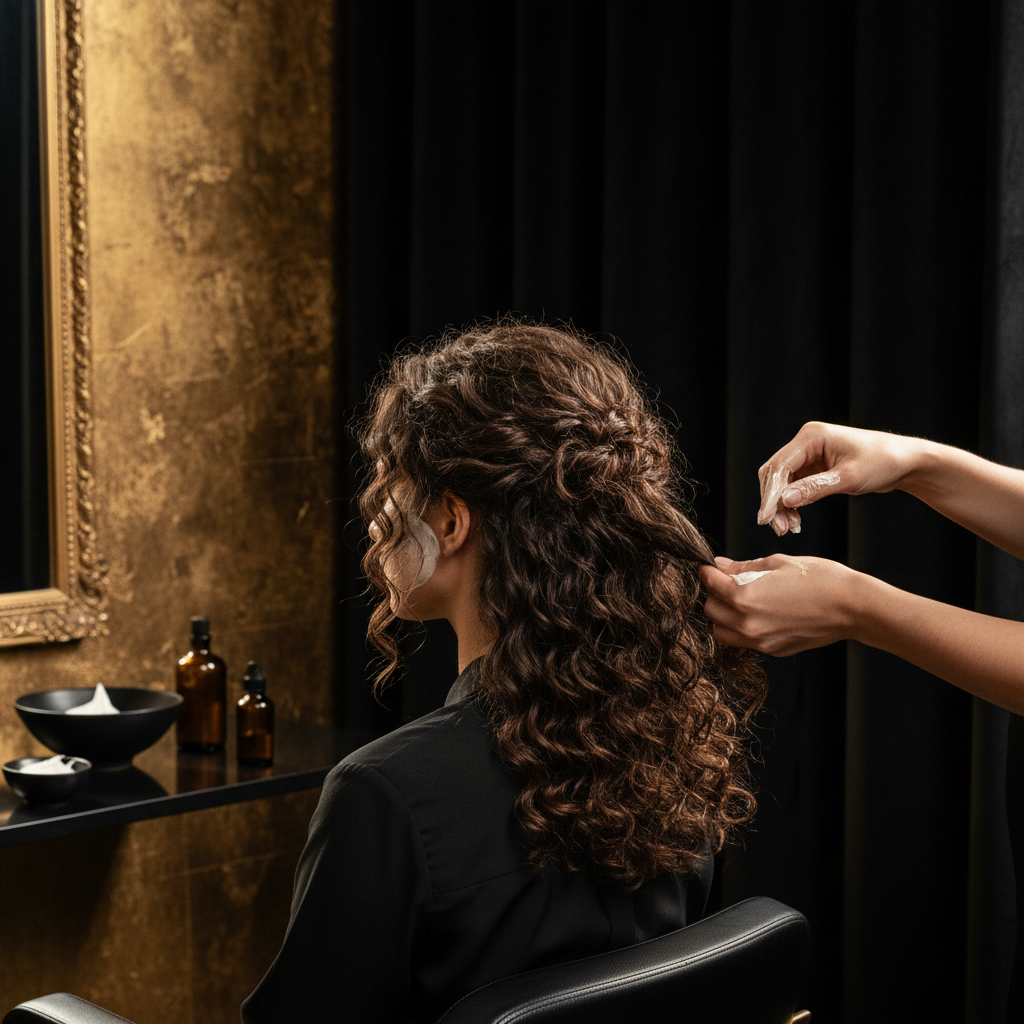
Understanding Hair Conditioners
Hair conditioners are formulations designed to improve the texture, appearance, and manageability of hair. Their primary function is to supplement the natural protective layer of the hair shaft, which can be compromised by environmental factors, chemical processes, and heat styling.
How Conditioners Work
Conditioners typically contain a blend of ingredients that interact with the hair at various levels:
- Cationic Surfactants: These positively charged molecules are attracted to the negatively charged surface of damaged hair. They neutralise the charge, reducing static electricity and frizz, and create a smoother surface.
- Fatty Alcohols and Emollients: Ingredients like cetyl alcohol and stearyl alcohol provide lubrication, making hair feel softer and easier to detangle. They also contribute to the conditioner's creamy texture.
- Humectants: Substances such as glycerin attract and retain moisture from the atmosphere, helping to hydrate the hair.
- Proteins: Hydrolyzed wheat, silk, or keratin proteins can temporarily patch damaged areas of the hair cuticle, adding strength and reducing breakage.
- Acidity Regulators: Conditioners are often formulated with a slightly acidic pH (typically between 3.5 and 5.0). This helps to flatten the hair's cuticle, promoting shine and reducing porosity.
Benefits of Conditioning
Regular conditioning offers a range of benefits:
- Improved Detangling: Reduces friction between hair strands, minimizing breakage during brushing.
- Enhanced Shine: A smooth cuticle reflects light more effectively, resulting in glossier hair.
- Reduced Frizz and Static: Neutralizes electrical charges on the hair surface.
- Increased Softness and Smoothness: Replenishes moisture and smooths the hair shaft.
- Protection from Damage: Creates a protective layer that can mitigate the effects of heat styling, UV exposure, and chemical treatments.
- Strengthening: Protein-rich conditioners can temporarily reinforce weakened hair structures.
Types of Conditioning Treatments
Conditioning treatments vary in their intensity, application, and intended purpose.
1. Rinse-Out Conditioners
These are the most common type of conditioner, applied after shampooing and rinsed out after a few minutes. They provide daily hydration and detangling.
2. Leave-In Conditioners
Applied to damp hair and not rinsed out, leave-in conditioners offer continuous hydration, frizz control, and heat protection. They are particularly beneficial for dry, tangled, or heat-styled hair.
3. Deep Conditioners (Hair Masks)
Deep conditioners are more intensive treatments, typically left on for 5-20 minutes. They contain a higher concentration of active ingredients, such as proteins, oils, and humectants, designed to penetrate deeper into the hair shaft. They are ideal for damaged, dry, or over-processed hair, providing significant repair and moisture.
4. Protein Treatments
These treatments focus on replenishing the hair's protein content, which can be depleted by chemical services (colouring, perms) and heat. They help to strengthen the hair, reduce breakage, and restore elasticity. Overuse can lead to protein overload, making hair stiff and brittle, so they should be used judiciously, generally every 4-6 weeks or as needed.
5. Hot Oil Treatments
Hot oil treatments involve applying warm oil (e.g., coconut, argan, jojoba) to the hair and scalp. The heat helps the oil penetrate the hair shaft, providing deep moisture, improving elasticity, and stimulating the scalp. These are excellent for extremely dry, brittle hair or an itchy scalp.
6. Bond-Building Treatments
These innovative treatments work by repairing the disulfide bonds within the hair structure, which are often broken during chemical processes like bleaching and perming. They are crucial for maintaining the integrity of hair that undergoes significant chemical alteration.
Selecting the Right Conditioner
Choosing the appropriate conditioner depends on your hair type, concerns, and desired results. Consider the following:
| Hair Type/Concern | Recommended Conditioner Type |
|---|---|
| Fine/Oily | Lightweight rinse-out or leave-in spray |
| Dry/Damaged | Deep conditioner, hot oil, leave-in |
| Colour-Treated | Colour-safe (pH-balanced), protein treatments |
| Curly/Coily | Rich deep conditioners, leave-ins |
| Frizzy | Smoothing (cationic surfactants), leave-ins |
| Processed | Bond-building, protein, deep conditioner |
Application Techniques
Proper application enhances the effectiveness of conditioning treatments:
- Shampoo First: Always shampoo your hair thoroughly to remove dirt and product buildup, allowing the conditioner to penetrate effectively.
- Squeeze Excess Water: For rinse-out and deep conditioners, gently squeeze out excess water from your hair. This prevents the conditioner from being diluted.
- Apply to Mid-Lengths and Ends: Focus conditioner application on the mid-lengths and ends of your hair, where it is typically drier and more prone to damage. Avoid applying heavy conditioners directly to the scalp, especially if you have fine or oily hair.
- Even Distribution: Use a wide-tooth comb or your fingers to distribute the conditioner evenly through your hair.
- Processing Time: Adhere to the recommended processing time for deep conditioners and protein treatments. Leaving them on longer than instructed does not necessarily increase their benefits and can sometimes lead to adverse effects.
- Rinse Thoroughly: Rinse hair with cool to lukewarm water until the water runs clear. Over-rinsing can strip away beneficial ingredients; under-rinsing can leave hair feeling heavy or greasy.
The Role of Watermans Hair Conditioners
Watermans Hair offers a range of conditioning products formulated to complement their shampoos, focusing on enhancing hair health and promoting optimal growth conditions. These formulations incorporate beneficial ingredients such as biotin, caffeine, and argan oil to nourish the scalp and hair, contributing to shine, strength, and manageability without weighing hair down. They typically maintain an optimal pH level to help seal the cuticle and protect the hair.
Regular and appropriate use of conditioning treatments is fundamental to maintaining hair health, appearance, and resilience against daily stressors.
Find these ingredients in Watermans products
- Biotin, you will find this ingredient in our Hair Growth Shampoo.