Conditioner Formulations: How Different Ingredients Work for Healthy Hair
9 min read ·
Conditioner formulations are carefully designed blends of ingredients that improve hair feel, manageability, and appearance, each component serving a specific purpose.
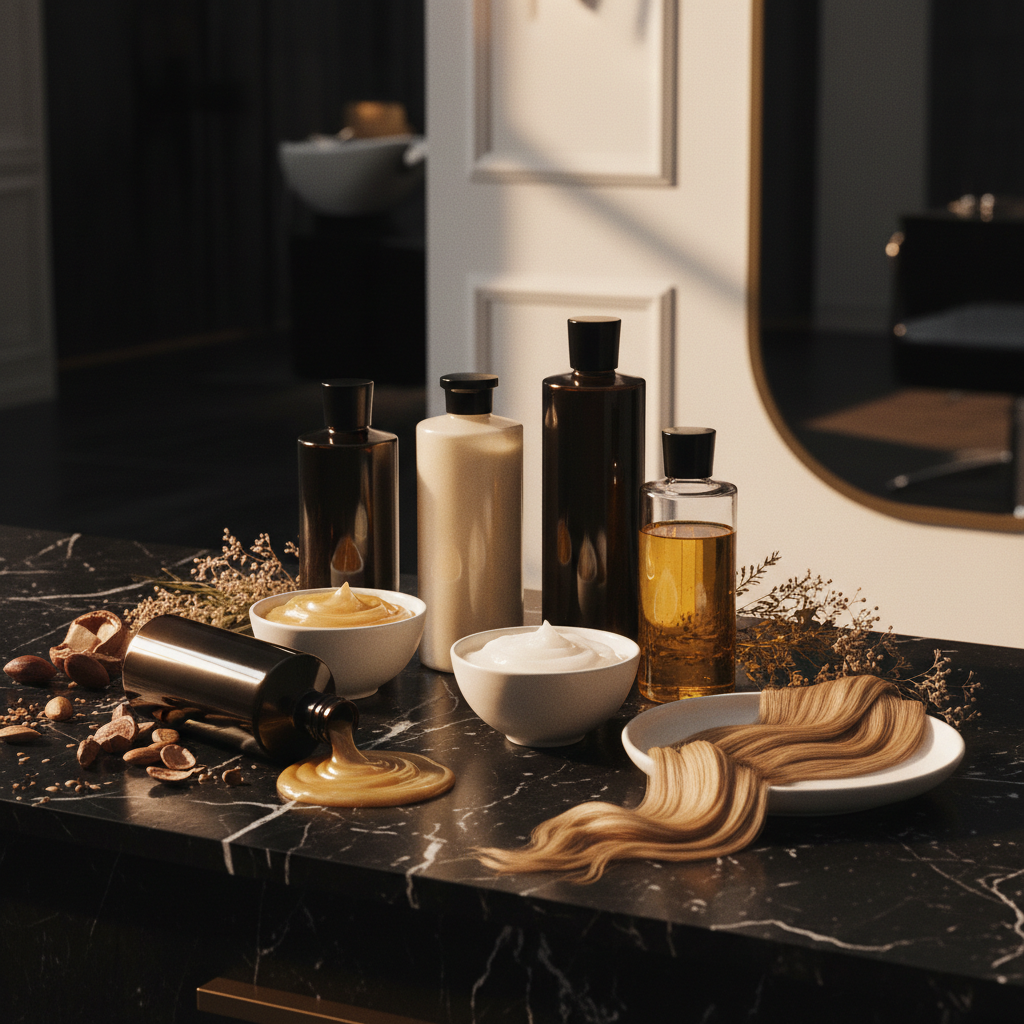
Quick answer: Conditioner formulations are complex mixtures of active ingredients, such as cationic surfactants, fatty alcohols, and humectants, specifically designed to smooth the hair cuticle, reduce static, and improve overall hair health after shampooing. The main limitation is that the effectiveness of these formulations varies significantly based on individual hair type and condition, requiring a tailored approach to product selection.
Key takeaways
- Conditioners use positively charged ingredients to neutralise the negative charge of shampooed hair, smoothing the cuticle.
- Key components like cationic surfactants, fatty alcohols, and humectants work together to moisturise, detangle, and protect the hair.
- Different conditioner formulations (rinse-out, leave-in, deep treatments, co-washes) offer varying levels of intensity and benefits.
- The pH of a conditioner is crucial, typically acidic, to help seal the hair cuticle and enhance shine.
- Understanding ingredient functions helps you choose the best conditioner for your specific hair needs.
- Consistent use of appropriate conditioner formulations can significantly improve hair's feel, manageability, and resistance to damage.
Conditioner Formulations: What the Evidence Shows
Conditioner formulations are intricate blends of ingredients crafted to improve the feel, appearance, and manageability of hair. Their primary function is to counteract the effects of shampooing, which can sometimes leave the hair cuticle raised and slightly negatively charged. By depositing beneficial substances onto the hair shaft, conditioners help to lubricate, smooth, and protect the hair fibre, reducing friction, static electricity, and tangling.
Historically, hair conditioning began with simple oils and plant extracts. Over time, scientific advancements led to the development of sophisticated chemical compounds that could precisely target hair's structural needs. Today's conditioner formulations are proof of this evolution, integrating a diverse range of components, each with a specific role in enhancing hair health and aesthetics.
How Conditioner Ingredients Work
The effectiveness of any conditioner formulation stems from the synergistic action of its various ingredients. These components interact with the hair fibre to achieve desired outcomes like increased smoothness, reduced frizz, and enhanced shine.
Cationic Surfactants
Cationic surfactants are the cornerstone of most conditioner formulations. These molecules carry a positive electrical charge. Hair, particularly if it's damaged or chemically treated, tends to develop a negative surface charge due to exposed carboxyl groups on the keratin proteins. The positive charge of cationic surfactants is attracted to these negatively charged areas on the hair shaft, forming a bond. This neutralisation of negative charges reduces static electricity and friction, while also smoothing the raised cuticle scales, leading to softer, more manageable hair. Common examples include behentrimonium chloride, cetrimonium chloride, and stearamidopropyl dimethylamine.
Fatty Alcohols and Emollients
Often misunderstood, fatty alcohols are long-chain alcohols that are distinctly different from drying alcohols. They act as emollients, providing a lubricating effect on the hair and contributing to the creamy texture of conditioners. They also function as emulsifiers, helping to blend oil and water-based ingredients. Examples include cetyl alcohol, stearyl alcohol, and cetearyl alcohol. Other emollients, such as natural oils and butters (e.g., argan oil, shea butter), further enhance moisture, shine, and help to seal the hair cuticle, which is particularly beneficial for dry, damaged, or coarse hair.
Humectants
Humectants are ingredients that attract and hold moisture from the surrounding environment. They help to hydrate the hair by drawing water into the hair shaft, improving flexibility and reducing brittleness. Glycerin, propylene glycol, and panthenol (provitamin B5) are frequently used humectants in conditioner formulations, offering significant benefits for dry or dehydrated hair. For a deeper understanding of how these work, you can explore the topic of "Humectants: Understanding How They Hydrate and Protect Your Hair".
Proteins and Amino Acids
Hydrolyzed proteins and amino acids are included in some conditioner formulations to temporarily strengthen the hair shaft and address minor damage. These smaller protein fragments can penetrate the hair cuticle to some extent, helping to reinforce the hair's structure, improve elasticity, and reduce breakage. Examples include hydrolyzed wheat protein, hydrolyzed silk protein, and keratin amino acids. While they can offer temporary benefits, they do not "repair" hair in a permanent sense, as hair is a non-living tissue.
Silicones
Silicones are polymers that form a smooth, protective film over the hair surface. This film provides shine, reduces frizz, and significantly improves detangling by lowering the friction between hair strands. They can make hair feel softer and appear healthier. There's a range of silicones, from lightweight and water-soluble options (e.g., dimethicone copolyol) to heavier, more persistent types (e.g., dimethicone, cyclomethicone). The choice of silicone depends on the desired conditioning effect and the specific hair type, as heavier silicones can sometimes build up on finer hair. For more on hair damage, see "Hair Damage: Causes, Signs, and Solutions".
The Importance of pH in Conditioner Formulations
Conditioner formulations are typically acidic, with a pH usually ranging from 3.5 to 5.0. This acidity is crucial because it helps to flatten and seal the hair cuticle, which is often raised by the slightly alkaline nature of many shampoos and tap water. A closed cuticle reflects light more effectively, resulting in increased shine, and reduces friction, which minimises tangling and breakage. Maintaining an optimal pH balance also helps to preserve the hair's natural moisture and integrity. More on this can be found in "The pH Scale and Hair".
Types of Conditioner Formulations
Conditioners are not one-size-fits-all; different formulations are designed to meet specific hair needs and usage patterns.
Rinse-Out Conditioners
These are the most common type, applied after shampooing and then thoroughly rinsed from the hair. Their primary role is to provide immediate detangling, smoothing, and static reduction, making hair easier to comb and style. They often contain a balance of cationic surfactants and emollients for everyday conditioning.
Leave-In Conditioners
Applied to damp hair and not rinsed out, leave-in conditioners offer continuous conditioning, protection, and styling benefits. They typically have lighter formulations to avoid weighing down the hair and often include ingredients that provide thermal protection against heat styling. They are particularly beneficial for dry, frizzy, or curly hair types that need extra moisture and protection throughout the day. See "Dealing with Frizzy Hair" for more.
Deep Conditioners and Hair Masks
These are intensive treatments designed for periodic use, typically once a week or every two weeks. Deep conditioner formulations contain higher concentrations of active ingredients, such as proteins, oils, and humectants, compared to daily rinse-out conditioners. They are left on the hair for an extended period (usually 5 to 30 minutes) to allow for deeper penetration and more significant benefits, such as intensive hydration, repair of superficial damage, and improved elasticity. They are ideal for damaged, dry, or chemically treated hair.
Co-Washes (Cleansing Conditioners)
A co-wash combines very mild cleansing agents with significant conditioning properties. It's designed to cleanse the hair gently without stripping its natural oils, making it a popular choice for individuals with very dry, curly, coily, or textured hair. This type of conditioner formulation helps maintain moisture balance and reduce dryness and frizz. Further information is available in "Caring for Curly Hair" and "Moisturizing Afro-Textured Hair".
When to Seek Professional Advice
While understanding conditioner formulations can help you choose effective products, certain hair or scalp issues may require professional input. If you experience persistent scalp irritation, unexplained hair shedding, or significant hair breakage despite using appropriate conditioning products, consult a dermatologist or a trichologist. They can diagnose underlying conditions, such as alopecia, seborrheic dermatitis, or severe hair shaft damage, and recommend appropriate medical treatments or advanced hair care strategies. Self-treating chronic conditions with cosmetic products alone may delay proper diagnosis and care.
Frequently asked questions about Conditioner Formulations
What's the difference between rinse-out and leave-in conditioner formulations?
Rinse-out conditioners are applied after shampooing and then fully rinsed off, providing immediate detangling and smoothing. Leave-in conditioner formulations are applied to damp hair and not rinsed, offering continuous moisture, protection, and styling support throughout the day, often with lighter textures to avoid build-up.
Can protein-rich conditioner formulations damage hair?
While beneficial for strengthening hair, excessive use of protein-rich conditioner formulations can, in some cases, make hair feel stiff or brittle, especially on hair that doesn't need extra protein. This is known as protein overload. It's important to balance protein treatments with moisturising conditioners. If your hair feels stiff, reduce protein treatments and focus on hydration.
How does hard water impact conditioner effectiveness?
Hard water, rich in mineral ions like calcium and magnesium, can interfere with conditioner formulations. These minerals can deposit on hair, creating a barrier that prevents conditioning agents from effectively binding to the hair shaft. This can leave hair feeling less soft, duller, and more prone to tangling. Using a clarifying wash periodically can help remove mineral build-up.
Are natural oils sufficient as a conditioner?
Natural oils like argan or jojoba can provide excellent emollient and sealing benefits, enhancing shine and softness. However, they typically don't contain the cationic surfactants found in traditional conditioner formulations that specifically target cuticle smoothing and static reduction. For comprehensive conditioning, a product with a balanced blend of ingredients is often more effective, especially for detangling.
Do conditioner formulations prevent hair loss?
No, conditioner formulations are cosmetic products designed to improve the appearance, feel, and manageability of hair. They can help reduce hair breakage by making hair smoother and easier to detangle, but they do not prevent hair loss (which refers to hair follicular conditions like alopecia) or address underlying causes of excessive hair shedding.
What role does pH play in conditioner formulations?
The pH of conditioner formulations is critical. Conditioners are typically acidic (pH 3.5-5.0) to help close and flatten the hair cuticle, which is often lifted by alkaline shampoos. This action enhances shine, reduces tangling, and minimises frizz, contributing to healthier-looking and more manageable hair.
Conclusion
Understanding the science behind conditioner formulations empowers you to make informed choices for your hair. Each ingredient, from cationic surfactants that smooth the cuticle to humectants that draw in moisture, plays a vital role in improving hair's condition, appearance, and resilience. By selecting the right conditioner formulation for your hair type and concerns, you can effectively manage dryness, frizz, tangles, and enhance overall hair health. The careful balance of pH, viscosity, and active ingredient concentration in these products ensures that your hair receives targeted care, leading to noticeable improvements in texture and manageability.
Watermans and Conditioner Formulations
Watermans Haircare products utilise advanced conditioner formulations, incorporating key ingredients to promote the feel of stronger hair and a healthier-looking scalp. Their conditioners are designed to work synergistically with their shampoos, aiming to keep the hair in optimal condition, enhance its manageability, and improve its appearance. For instance, Watermans Condition Me is formulated with ingredients selected to improve hair strength and moisturise the scalp.
Frojus, designed for afro, curly, or wavy hair, features conditioner formulations specifically developed to meet the unique needs of these hair types. Ingredients like shea butter are carefully selected to provide intense moisture and improve detangling.
Sources and references
- American Academy of Dermatology Association. Hair care: How to keep your hair healthy. Aad.org.
- Gavazzoni Dias, M. F. (2015). Hair Cosmetics: An Overview. International Journal of Trichology, 7(1), 2-15.
- Robbins, C. R. (2012). Chemical and Physical Behavior of Human Hair. Springer.
- National Health Service (NHS). Hair loss. Nhs.uk.
- P & G Beauty Science. The Science of Hair: Conditioners. Pgbeautyscience.com.
- Puzanowska-Tarasiewicz, M., et al. (2016). Cosmetic raw materials and products used for hair care. Acta Poloniae Pharmaceutica - Drug Research, 73(1), 131-137.
- Wickett, R. R., & Davis, M. G. (2018). Hair and Hair Care. In Z. D. Draelos (Ed.), Cosmeceuticals (pp. 59-75). Elsevier. DOI: 10.1016/B978-0-323-52739-1.00004-1
Find these ingredients in Watermans products
- Argan Oil: you will find this ingredient in our Hair Growth Shampoo.
- Panthenol (Provitamin B5): you will find this ingredient in our Heat Protection Spray.
- Shea Butter: you will find this ingredient in our Curly Hair Conditioner.