Common Hair Concerns
4 min read ·
Understanding common hair concerns and their underlying causes is the first step toward achieving healthier, more vibrant hair.
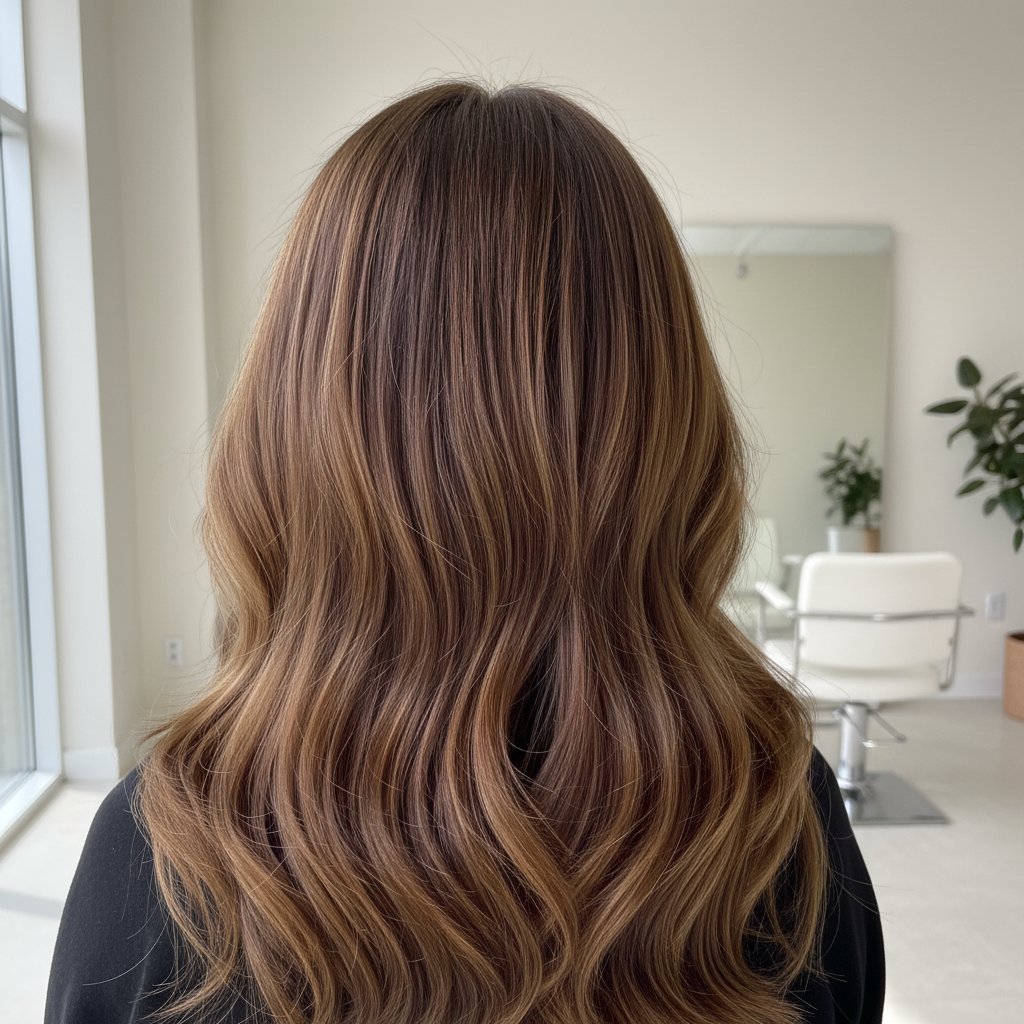
This article explores prevalent hair concerns, looking at their causes, distinguishing characteristics, and providing practical advice for management. Addressing these issues effectively often requires a multi-faceted approach, combining appropriate hair care practices with targeted treatments.
Dry Hair
Dry hair is characterized by a lack of moisture, leading to a dull, brittle, and often frizzy appearance. It can feel rough to the touch and may be more prone to breakage. The primary cause is insufficient sebum production from the scalp's sebaceous glands, external factors like harsh weather, excessive heat styling, chemical treatments (colouring, perming), and inadequate hydration. Low porosity hair can also appear dry as it struggles to absorb moisture effectively.
To manage dry hair, prioritize gentle cleansing with a moisturising shampoo and regular conditioning. Incorporate leave-in conditioners and hair oils to enhance and seal in moisture. Limit heat styling and protect hair from environmental damage. Ensuring adequate internal hydration by drinking plenty of water also contributes to overall hair health.
Oily Hair
Conversely, oily hair results from an overproduction of sebum, making hair appear greasy, heavy, and often lank soon after washing. This can be due to genetics, hormonal fluctuations, certain medications, or even over-washing (which can strip natural oils, prompting the scalp to produce more in response). Heat and humidity can exacerbate oiliness.
Managing oily hair involves using a clarifying shampoo to remove excess buildup without stripping essential moisture. Avoid over-brushing, which can distribute oils down the hair shaft. Consider scalp treatments designed to balance sebum production. While it may seem counterintuitive, regular, gentle cleansing is important, but over-washing can perpetuate the problem.
Dandruff and Flaky Scalp
Dandruff is a common condition characterized by white flakes of dead skin cells shedding from the scalp, often accompanied by itching. It is typically caused by Malassezia globosa, a yeast-like fungus that feeds on oils on the scalp, leading to accelerated skin cell turnover. A flaky scalp can also be due to dryness, irritation from harsh products, or skin conditions like eczema or psoriasis.
Treatment for dandruff often involves anti-dandruff shampoos containing active ingredients like zinc pyrithione or selenium sulfide. For dry, flaky scalps, moisturising and soothing treatments are beneficial. Avoid scratching, which can worsen irritation and potentially damage the scalp.
Hair Breakage and Split Ends
Hair breakage refers to the hair shaft snapping at any point, while split ends occur when the oldest part of the hair shaft, the end, splits into two or more fragments. Both are signs of damage to the hair's outer layer, the cuticle. Causes include excessive heat styling, aggressive brushing, chemical processing, inadequate conditioning, and environmental stressors. Hair that is already dry or weakened is more susceptible.
Prevention is key. Minimize heat styling, use heat protectants, and handle wet hair gently. Regular trims can remove split ends before they travel up the hair shaft. Use strengthening conditioners and treatments that help to fortify the hair cuticle.
Hair Loss and Thinning
Hair loss (alopecia) and thinning can be distressing. These conditions can stem from various factors, including genetics (androgenetic alopecia), hormonal imbalances (e.g., postpartum hair loss, thyroid issues), nutritional deficiencies, stress, certain medications, medical conditions, and damage to hair follicles. It's important to distinguish between normal hair shedding (50-100 hairs per day) and excessive loss.
Addressing hair loss or thinning often requires identifying and treating the underlying cause. Support hair health with a balanced diet rich in vitamins and minerals, gentle hair care, and stimulate the scalp with targeted hair growth treatments.
Frizz
Frizz occurs when the hair's cuticle layer is raised, allowing moisture from the air to enter and swell the hair shaft, leading to a disordered, unruly appearance. This is more common in dry or damaged hair because its cuticle is already compromised. High humidity is a major trigger, but frizz can also be exacerbated by harsh towel drying, aggressive brushing, and alcohol-heavy styling products.
To combat frizz, ensure hair is well-hydrated with moisturising shampoos and conditioners. Use leave-in conditioners and anti-frizz serums to smooth the cuticle. Air-dry hair when possible or use a diffuser with a hairdryer. Opt for silk pillowcases to reduce friction.
Dull Hair
Dull hair lacks shine and vibrancy, appearing lifeless. This can be caused by product buildup, hard water deposits, damage to the cuticle preventing it from reflecting light smoothly, or a lack of natural oils. Over-washing and harsh chemicals can also contribute.
Regularly use a clarifying shampoo to remove buildup. Incorporate acidic rinses (like diluted apple cider vinegar) to help close the cuticle and enhance shine. Use conditioning treatments that smooth the hair shaft. A healthy diet also supports natural hair luster.","Common hair concerns often involve issues like dryness, oiliness, dandruff, breakage, and hair loss. Proper identification and understanding of these concerns are essential for effective management. This encyclopedia article provides a detailed overview of common hair concerns, their causes, and practical solutions, helping readers navigate their journey to healthier hair.","Hair Concerns | Causes | Management",[
Find these ingredients in Watermans products
- Zinc, you will find this ingredient in our Hair Vitamins.