Co-Washing: The Evidence on Conditioner Washing for Hair Health
10 min read ·
Co-Washing, or conditioner washing, is a hair cleansing method using conditioner instead of shampoo, primarily to retain moisture, but it may not suit all hair types.
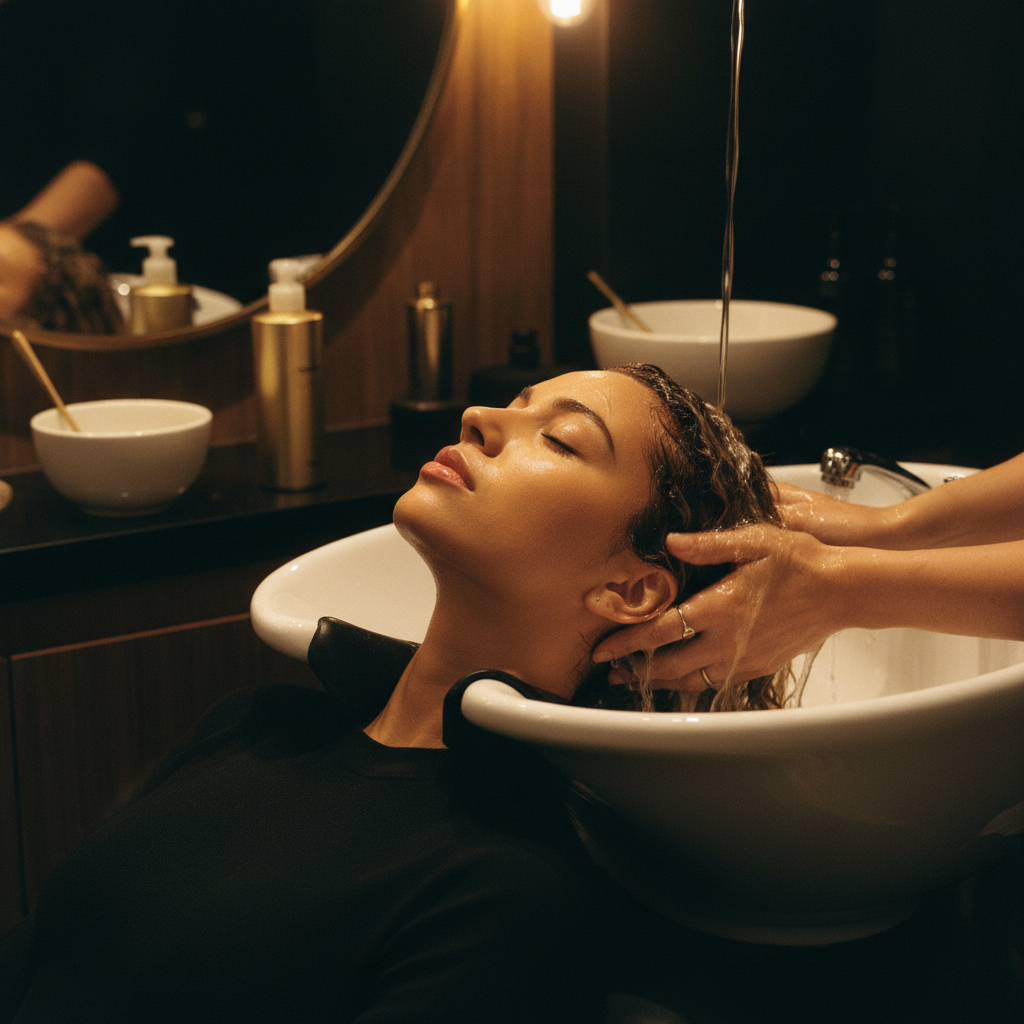
Quick answer: Co-Washing, or conditioner washing, is a hair cleansing method that uses conditioner with mild cleansing agents instead of traditional shampoo. It aims to cleanse the hair and scalp gently while preserving natural moisture, making it particularly popular for dry, curly, coily, or colour-treated hair. However, it may not provide sufficient cleansing for all hair types or individuals with oily scalps, and thorough rinsing is crucial to prevent product build-up. Its effectiveness depends on hair type, product choice, and proper technique.
Key takeaways
- Co-Washing uses conditioner to cleanse hair, focusing on moisture retention rather than deep degreasing.
- It's particularly beneficial for dry, curly, coily, or colour-treated hair types, which often need more moisture.
- Co-Washing helps reduce frizz and breakage by maintaining the hair's natural moisture balance and keeping the cuticle smooth.
- Not all conditioners are suitable; look for dedicated co-wash products or those with mild cleansing agents.
- Regular clarifying washes are often necessary to prevent product build-up, even for consistent co-wash users.
- Individuals with oily scalps or fine hair may find Co-Washing insufficient for effective cleansing.
Co-Washing: what the evidence shows
Co-Washing, also known as conditioner washing, is a hair care method where hair is cleansed using a conditioner or a dedicated co-wash product, rather than a traditional shampoo. The primary aim is to cleanse the hair and scalp gently while retaining more of the hair's natural oils and moisture. This method gained significant traction with the "Curly Girl Method" but is now used by many with various hair types, especially those prone to dryness, frizz, or breakage.
Traditional shampoos often contain strong anionic surfactants (cleansing agents) like sodium lauryl sulphate (SLS) or sodium laureth sulphate (SLES). These are highly effective at removing oil, dirt, and product build-up, creating a rich lather. While efficient, they can also strip the hair and scalp of sebum, the natural oil produced by the scalp, which can lead to dryness, irritation, and an aggravated scalp for some individuals. The pH of these shampoos can also be alkaline, which may lift the hair's cuticle, leading to increased porosity and frizz.
Co-washing products, in contrast, typically contain milder cleansing agents, often non-ionic, amphoteric, or cationic surfactants, in lower concentrations. These surfactants work by emulsifying (mixing) oil and water, lifting dirt and impurities from the hair and scalp without producing significant lather. The emollients and conditioning agents present in these formulations also deposit onto the hair during the cleansing process, helping to moisturise and detangle simultaneously. This approach allows for gentle cleansing, reducing the potential for moisture loss and maintaining the hair's natural lipid barrier.
Research on the benefits of co-washing primarily highlights its positive effects on hair hydration and manageability. For instance, studies on textured hair (curly, coily, afro hair) often point to a reduced incidence of dryness and breakage when using gentler cleansing methods, including co-washing, compared to frequent washing with harsh sulphated shampoos. By preserving the hair's natural moisture, co-washing can lead to hair that feels softer, is more pliable, and is less prone to frizz, particularly in humid conditions. It can also help preserve the vibrancy of colour-treated hair, as harsh surfactants are known to accelerate colour fading by removing dye molecules.
The mechanism of gentle cleansing
The effectiveness of Co-Washing lies in its dual action: mild cleansing and intense conditioning. Unlike the strong detergent action of many shampoos, co-washes rely on a combination of lower concentrations of mild surfactants and the mechanical action of massaging the scalp. The surfactants lift surface dirt and oils, while the emollient properties of the conditioner help to loosen and suspend other impurities. The pH of co-washing products is typically acidic, ranging from pH 3.5 to 5.5, which is similar to the natural pH of hair and skin. This acidic environment helps to keep the hair's cuticle smooth and closed, reducing friction and enhancing shine.
This gentle approach is particularly beneficial for hair types that are inherently drier due to their structure, such as curly, coily, or afro hair. The twists and turns in these hair fibres make it difficult for natural scalp oils to travel down the hair shaft, leaving the ends particularly vulnerable to dryness. Co-Washing helps to mitigate this by adding moisture back into the hair during the cleansing process.
Potential considerations and what the evidence does not show
While Co-Washing offers benefits for many, it is not a universally suitable method, and some potential drawbacks exist.
One significant concern is the potential for product build-up. Because co-washes contain conditioning agents and milder cleansing agents, they may not always thoroughly remove all styling products, environmental pollutants, or even their own residues. Over time, this can lead to a film on the hair and scalp, resulting in dull-looking hair, a greasy feel, or even scalp irritation. For fine hair, this build-up can weigh down the strands, reducing volume and making hair appear lank. This is why incorporating a clarifying wash, using a gentle shampoo, is often recommended periodically, typically every 2 to 4 weeks, even for dedicated co-washers. For more on this, see "How to Do a Clarifying Wash: A Guide to Deep Hair Cleansing".
For individuals with an oily scalp, Co-Washing may not provide sufficient cleansing to manage sebum production effectively. The mild surfactants might not be strong enough to break down and remove excess oil, potentially leading to a perpetually greasy appearance or, in some cases, contributing to scalp issues like Malassezia overgrowth (a common cause of dandruff) if the scalp is not adequately cleansed. In such cases, traditional shampooing or alternating with a gentle shampoo might be more appropriate. See also "Oily Scalp Care: Understanding and Managing Excess Sebum" and "Dandruff: Causes and Treatments Explained".
Another point is that not all conditioners are formulated for Co-Washing. Many regular conditioners are designed primarily for post-shampoo conditioning and may lack the mild cleansing agents necessary for effective washing, or they might contain heavy silicones that are not easily removed without stronger surfactants, leading to build-up. Dedicated co-wash products are specifically formulated to address both cleansing and conditioning needs.
There is currently insufficient evidence to conclude that Co-Washing directly causes or treats alopecia (hair loss conditions like androgenetic alopecia or alopecia areata). While some anecdotal reports suggest improved scalp health, these benefits are likely related to reduced irritation from harsh detergents, rather than a direct impact on follicular activity. Hair shedding (e.g., telogen effluvium) is also not directly caused or treated by co-washing, although a healthy scalp environment may support normal hair growth cycles.
Co-Washing vs. Shampooing: a comparison
The choice between Co-Washing and traditional shampooing depends heavily on individual hair type, scalp condition, and lifestyle. Understanding the fundamental differences can help you determine the best approach for your hair care routine.
| Feature | Co-Washing | Traditional Shampooing |
|---|---|---|
| Primary Goal | Gentle cleansing, moisture retention, conditioning | Thorough cleansing, removal of oil and build-up |
| Cleansing Agents | Mild surfactants (non-ionic, amphoteric, cationic) | Stronger anionic surfactants (e.g., sulphates) |
| Lather | Minimal to none | Abundant, especially with sulphates |
| Moisture Impact | High moisture retention; conditioning | Can be drying; strips natural oils |
| Best Suited For | Dry, curly, coily, afro, colour-treated, frizz-prone hair | Oily, fine, straight hair; heavy product users; clarifying |
| Frequency | Can be done frequently (daily to several times a week) | Typically 1 to 3 times a week, or less for dry types |
| Build-up Risk | Higher if not rinsed thoroughly or clarified periodically | Lower for typical use; some shampoos can leave residue |
For individuals with fine hair, the added conditioning of co-washing might weigh down their hair, making it appear flat or greasy. For those with a very active lifestyle or who use many styling products, co-washing alone may not provide enough cleansing power to remove sweat, dirt, and product residues effectively.
How to co-wash effectively
To get the most out of Co-Washing and minimise potential drawbacks, proper technique is essential:
- Saturate Hair Completely: Ensure your hair is thoroughly wet with warm water. This helps distribute the co-wash evenly and activates its mild cleansing properties.
- Apply Generously to Scalp: Dispense a generous amount of co-wash, focusing on the scalp. The quantity will depend on your hair length and thickness. Unlike shampoo, you often need more product.
- Massage Thoroughly: Vigorously massage your scalp with your fingertips for 2 to 5 minutes. This mechanical action is crucial for loosening dirt, oil, and build-up, as co-washes produce little to no lather. Think of it like scrubbing with a creamy cleanser.
- Distribute to Lengths: Gently work the co-wash through the mid-lengths and ends of your hair. Ensure all strands are coated.
- Detangle (Optional): The slip from the conditioner makes co-washing an ideal time to detangle. Use your fingers or a wide-tooth comb to gently work through knots, starting from the ends and moving upwards. This helps prevent hair breakage.
- Rinse Meticulously: This is arguably the most critical step. Rinse your hair exceptionally well under running water until all traces of the co-wash are gone and your hair feels clean, not slimy or heavy. Residual product is a primary cause of build-up. Continue rinsing for longer than you think is necessary.
- Follow Up: After co-washing, you can apply a leave-in conditioner or styling products suitable for your hair type. For detailed guidance on enhancing moisture, consider "Hair Hydration: The Science Behind Keeping Hair Moist".
Frequently asked questions about Co-Washing
Can I use any conditioner for Co-Washing?
No, not all conditioners are suitable for Co-Washing. While some regular conditioners might work, dedicated co-wash products are specifically formulated with mild cleansing agents to remove impurities without stripping natural oils. Regular conditioners primarily focus on conditioning and may not contain adequate cleansing ingredients, potentially leading to build-up.
How often should I co-wash?
The frequency of Co-Washing depends on your hair type, activity level, and scalp condition. People with very dry, curly, or coily hair might co-wash every 2 to 3 days, or even daily. Those with less dry hair might do it once or twice a week, alternating with a gentle shampoo. Listen to your hair and scalp.
Will Co-Washing make my hair greasy?
Co-Washing can make hair feel greasy if not done correctly or if it's not suitable for your hair type. Insufficient rinsing is a common cause of greasiness due to product residue. Additionally, if you have a naturally oily scalp, co-washing might not provide enough cleansing to manage excess sebum, leading to a greasy appearance. Incorporating clarifying washes can help.
Is Co-Washing good for coloured hair?
Yes, Co-Washing can be beneficial for coloured hair. The milder cleansing agents help to preserve hair colour by reducing the stripping effect that stronger sulphated shampoos can have. This can help to extend the vibrancy and longevity of your hair colour. For more tips, refer to "Maintaining Colour-Treated Hair: Maintaining Colour-Treated Hair: A Guide to Longevity and Health".
When should I use a clarifying shampoo if I co-wash?
Even with careful Co-Washing, product build-up can occur. It's generally recommended to use a clarifying shampoo every 2 to 4 weeks, or whenever your hair feels heavy, dull, or greasy, or your scalp feels itchy or coated. This ensures a fresh start and prevents residue from accumulating.
Promoting hair and scalp health with Watermans
Watermans Grow Me Shampoo and Grow More Conditioner offer a complementary approach to maintaining hair and scalp health, whether you primarily co-wash or use traditional shampoo. Watermans products are formulated with ingredients designed to create an optimal environment for hair growth. While not designed specifically for Co-Washing, their gentle cleansing properties can be incorporated into a routine that prioritises scalp health and hair strength. For example, you might alternate your co-washing routine with a wash using Watermans Grow Me Shampoo followed by Grow More Conditioner to ensure thorough cleansing while still nourishing the hair fibre. This offers a balanced approach, supporting both a clean scalp and moisturised hair.
Sources and references
- American Academy of Dermatology Association, "Hair care tips for people with afro-textured hair", 2023.
- British Association of Dermatologists, "Hair loss".
- Gavazzoni Dias, M. F. R. (2015). Hair Cosmetics: An Overview. International Journal of Trichology, 7(1), 2-15. DOI: 10.4103/0974-7753.153444
- National Center for Biotechnology Information (NCBI) - PubMed, Various studies on surfactant chemistry and hair fibre properties.
- Robbins, C. R. (2012). Chemical and Physical Behavior of Human Hair (5th ed.). Springer. ISBN: 978-1-4614-7221-5
- The Cosmetic, Toiletry & Perfumery Association (CTPA), "Understanding your hair and scalp", 2023. ", seo_title=