Chemical Treatments and Hair: Understanding Their Impact
6 min read ·
Chemical treatments and hair health are closely linked, as processes like colouring, lightening, and texturising can significantly alter the hair fibre's structure.
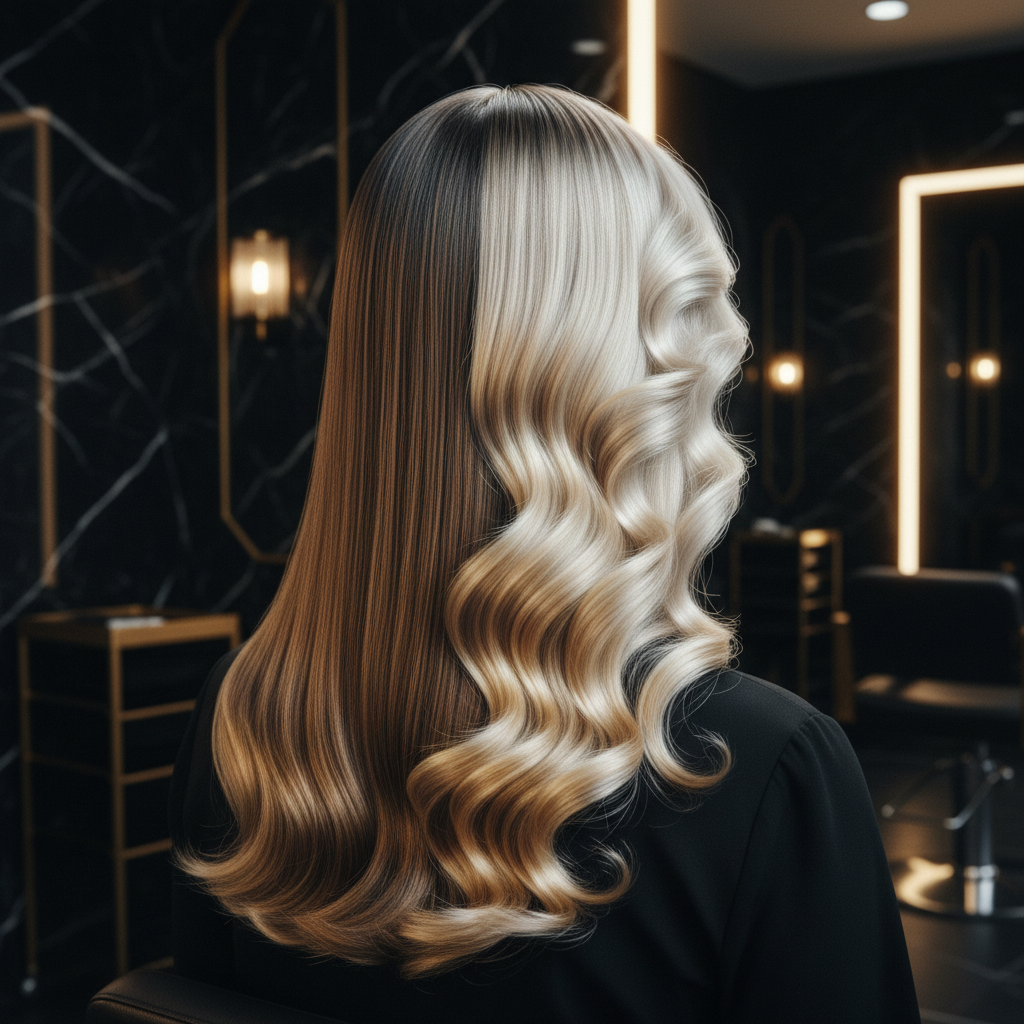
Quick answer: Chemical Treatments and Hair refer to professional salon processes that chemically alter the hair's natural structure to change its colour, texture, or shape. While they can achieve dramatic aesthetic results, these treatments involve strong chemicals that break and reform the hair's internal bonds, which can lead to changes in hair integrity, porosity, and strength. Understanding the mechanisms is key to minimising potential damage and maintaining hair health. The main limitation is that improper application or aftercare can compromise the hair's condition.
Key takeaways
- Chemical treatments, including colouring, lightening, and texturising, work by altering the hair's internal protein structure.
- These processes target disulfide bonds and hydrogen bonds within the hair fibre, making hair more porous and potentially weaker.
- Proper application, aftercare, and professional guidance are crucial to mitigate damage caused by chemical treatments.
- Signs of damage can include increased breakage, dryness, frizz, and changes in elasticity.
- Selecting products formulated for chemically treated hair can help maintain moisture and strength.
Chemical Treatments and Hair: What the Evidence Shows
Chemical treatments and hair modification have been a cornerstone of aesthetic hair care for decades. These processes fundamentally change the hair's natural state, offering transformations in colour, curl pattern, or straightness. The underlying mechanism involves the use of chemical agents to break and reform the hair's internal bonds, primarily disulfide bonds, which are responsible for much of the hair's strength and shape, and weaker hydrogen bonds.
Hair is primarily composed of keratin, a strong fibrous protein. The outermost layer is the cuticle, a protective shield made of overlapping scales. Beneath this is the cortex, which contains melanin (pigment) and provides most of the hair's mechanical properties like strength and elasticity. The innermost layer, the medulla, is not always present in all hair types. When chemical treatments are applied, they often cause the cuticle scales to lift, allowing the active ingredients to penetrate the cortex and alter its structure.
Types of Chemical Hair Treatments
There are three main categories of chemical treatments and hair alterations:
- Colouring: This involves depositing or removing pigment from the hair shaft. Permanent dyes use an alkaline agent, often ammonia, to swell the cuticle, letting dye precursors and hydrogen peroxide into the cortex. The peroxide oxidises natural melanin and develops the dye molecules, trapping them inside. Demi-permanent dyes use lower peroxide concentrations and less aggressive alkaline agents, fading over time. Semi-permanent dyes coat the hair surface without significant penetration.
- Lightening (Bleaching): Bleaching uses strong alkaline and oxidising agents (typically hydrogen peroxide) to remove natural or artificial pigment. This process breaks down melanin granules into colourless substances. It is one of the most aggressive chemical treatments as it significantly lifts the cuticle and can degrade proteins within the cortex.
- Texturising: This category includes perms, relaxers, and chemical straightening treatments. Perms use reducing agents (e.g., thioglycolates) to break disulfide bonds, allowing the hair to be reshaped around rods. An oxidising agent (neutraliser) then reforms the bonds in the new shape. Relaxers, often based on lye (sodium hydroxide) or no-lye (calcium hydroxide, guanidine carbonate), permanently break disulfide bonds to straighten curly or coily hair. Keratin treatments, or Brazilian blowouts, often use formaldehyde-releasing chemicals to temporarily straighten hair by forming a protective layer and smoothing the cuticle.
Each of these processes changes the hair's protein structure, increasing its porosity and making it more vulnerable to damage if not managed correctly. Understanding these impacts is central to maintaining the integrity of chemically treated hair.
The Mechanism of Damage from Chemical Treatments and Hair Fibre
Chemical treatments induce changes in hair at a molecular level. When the hair fibre is exposed to alkaline solutions, the cuticle lifts, increasing porosity. Oxidising agents, like those found in bleaches and permanent hair dyes, can cause the degradation of the hair's structural proteins (keratin) and lipids. This process can lead to the formation of cysteic acid, a marker of oxidative damage, which weakens the disulfide bonds and reduces the hair's tensile strength and elasticity.
Repeated or improperly performed chemical treatments can strip the hair of its natural protective oils and moisture, leading to a dry, brittle feel. The lifted cuticle leaves the inner cortex more exposed, making the hair more susceptible to environmental damage, frizz, and mechanical stress. The pH of the hair also shifts, typically becoming more alkaline, which can further open the cuticle and reduce smoothness. Healthy hair has a slightly acidic pH, typically between 4.5 and 5.5, which keeps the cuticle flat and sealed.
Signs of Damage from Chemical Treatments and Hair Health Indicators
Recognising the signs of damage is crucial for intervening early and preventing further deterioration. Here are common indicators:
- Increased Breakage: The hair snaps easily, especially when wet, due to weakened internal bonds.
- Dryness and Brittleness: The hair feels rough, straw-like, and lacks its natural softness and flexibility. This is often due to loss of natural lipids and moisture.
- Frizz: A damaged, lifted cuticle struggles to lie flat, allowing moisture to penetrate unevenly, leading to a frizzy appearance, particularly in humid conditions. (See also: Dealing with Frizzy Hair, How to Reduce Frizz in Hair).
- Dullness and Lack of Shine: A rough, uneven cuticle doesn't reflect light well, making hair appear dull.
- Elasticity Loss: Healthy hair stretches a little and returns to its original length. Damaged hair may stretch excessively without returning, or snap immediately.
- Excessive Porosity: Hair absorbs water quickly but struggles to retain it, feeling limp when wet and drying out fast.
- Split Ends: The hair fibre splits at the ends as the cuticle is compromised and the cortex is exposed.
What You Can Do to Minimise Damage
While chemical treatments and hair changes come with risks, careful management can help preserve hair health:
- Choose a Qualified Professional: Always seek an experienced stylist for chemical services. Their expertise minimises application errors and over-processing.
- Strand Test: Before a full application, a strand test can determine how your hair will react to the chemicals, especially for colour or lightening.
- Pre-Treatment Conditioning: Some professionals recommend conditioning treatments in the weeks leading up to a chemical service to improve hair's resilience.
- Gentle Aftercare: Use shampoos and conditioners specifically designed for chemically treated or damaged hair. These formulations are often sulphate-free (see also: Sulfate-Free Shampoo Benefits, The Benefits of Sulfate-Free Hair Products), pH-balanced, and rich in moisturising and strengthening ingredients.
- Moisture and Protein Balance: Chemically treated hair often needs a balance of moisture and protein. Regular deep conditioning treatments and occasional protein treatments can help restore lost structure and hydration. (See also: Hair Hydration: The Science Behind Keeping Hair Moist, The Science of Conditioners: How Hair Care Formulations Work).
- Reduce Heat Styling: Excessive heat can exacerbate damage to already compromised hair. Air-drying or using heat protection products with lower heat settings is advisable. (See also: Heat Styling Safety Best Practices, Heat Styling: Understanding Its Effects and How to Protect Your Hair).
- Protective Styling: Opt for styles that minimise mechanical stress on the hair, especially after texturising treatments. (See also: Protective Styling: A Comprehensive Guide).
- Regular Trims: Trim off split ends regularly to prevent further splitting up the hair shaft.
When the Cause May Be Something Else
Not all hair concerns after a chemical service are solely due to the treatment itself. It