Causes of Hair Loss
4 min read ·
Hair loss can stem from a variety of factors, including genetics, hormonal changes, nutritional deficiencies, certain medical conditions, and lifestyle choices.
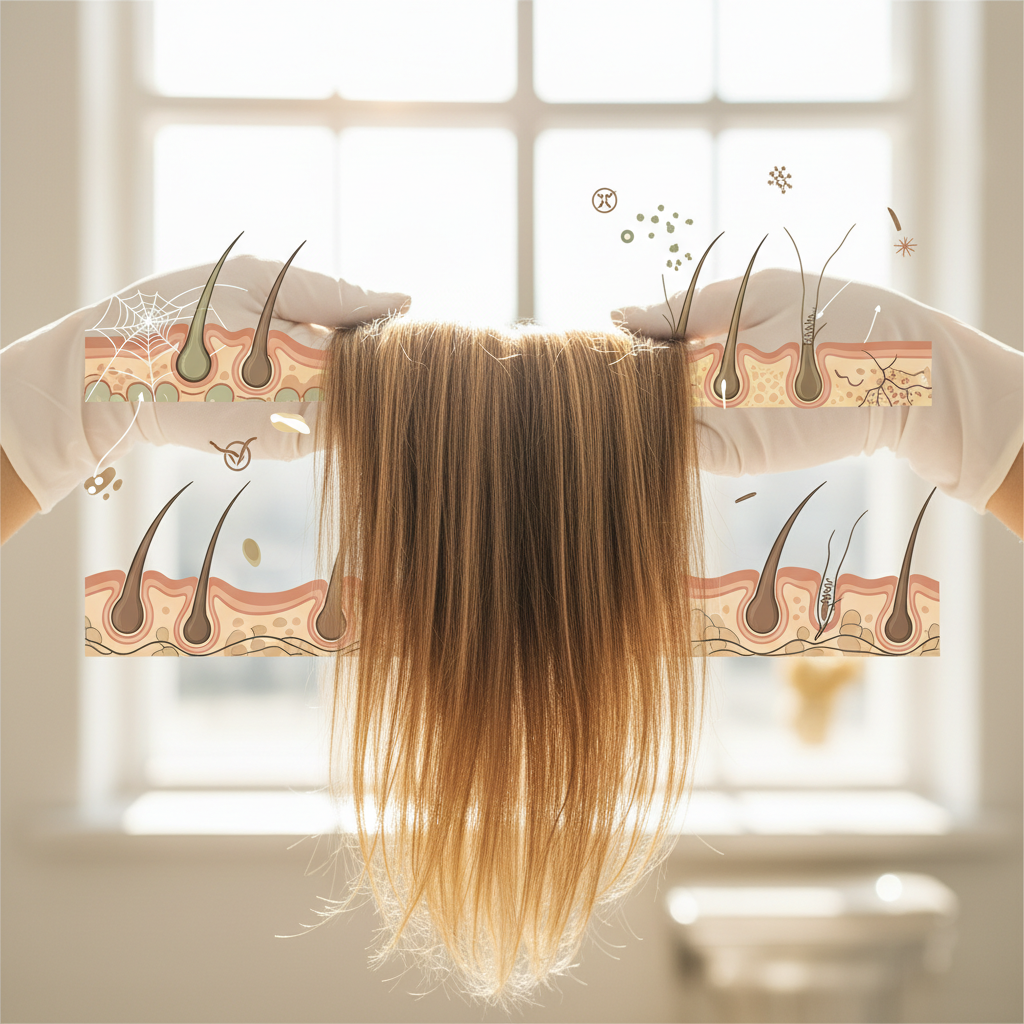
Understanding Hair Loss
Hair loss, medically known as alopecia, is a common concern affecting millions worldwide. It is characterized by the shedding of more hair than is typical, leading to thinning, bald patches, or a receding hairline. While some hair shedding is normal, the average person loses 50 to 100 hairs per day, excessive loss can indicate an underlying issue. Understanding the different causes is the first step toward effective management.
Genetic Factors
Androgenetic Alopecia
Androgenetic alopecia is the most common cause of hair loss, often referred to as male-pattern baldness or female-pattern baldness. It is a hereditary condition influenced by genetics and hormones. In men, it typically presents as a receding hairline and thinning at the crown. In women, it often appears as diffuse thinning over the top of the scalp, with the frontal hairline usually remaining intact.
- Mechanism: Androgenetic alopecia is linked to a heightened sensitivity of hair follicles to dihydrotestosterone (DHT), a potent androgen (male hormone). This sensitivity causes hair follicles to shrink, shorten their growth phase (anagen), and eventually cease producing hair.
Hormonal Changes
Hormonal fluctuations can significantly impact hair growth cycles. The hair growth cycle consists of three main phases: anagen (growth), catagen (transition), and telogen (resting). Disruptions to these hormones can prematurely push hair follicles into the telogen phase, leading to increased shedding.
- Pregnancy and Childbirth: Many women experience hair loss postpartum (after childbirth) due to the sudden drop in estrogen levels. This is typically temporary, with hair density returning to normal within 6 to 12 months.
- Thyroid Disorders: Both an overactive thyroid (hyperthyroidism) and an underactive thyroid (hypothyroidism) can cause diffuse hair thinning. Thyroid hormones play a crucial role in regulating numerous bodily functions, including hair follicle development and maintenance.
- Polycystic Ovary Syndrome (PCOS): This condition, characterized by hormonal imbalance, can lead to increased androgen levels in women, contributing to hair thinning on the scalp and sometimes increased facial and body hair.
- Menopause: The decrease in estrogen and progesterone during menopause can contribute to hair thinning in some women.
Nutritional Deficiencies
A balanced diet is essential for healthy hair growth. Deficiencies in certain vitamins and minerals can impair the hair growth cycle and lead to hair thinning or loss.
- Iron Deficiency: Iron is vital for hemoglobin production, which carries oxygen to the cells, including those in hair follicles. Iron deficiency, leading to anemia, is a common cause of hair loss, particularly in women.
- Protein Deficiency: Hair is primarily composed of protein (keratin). Insufficient protein intake can force hair follicles into a resting phase, resulting in shedding.
- Biotin Deficiency: Biotin, a B vitamin, is crucial for the production of keratin. While rare, biotin deficiency can manifest as brittle hair and hair loss.
- Zinc Deficiency: Zinc plays a role in hair tissue growth and repair. Its deficiency can lead to hair loss and impaired hair growth.
- Vitamin D Deficiency: Vitamin D is involved in stimulating hair follicles. Low levels have been linked to various forms of hair loss.
Medical Conditions and Treatments
Several medical conditions and their treatments can cause hair loss.
- Alopecia Areata: An autoimmune condition where the immune system mistakenly attacks hair follicles, leading to patchy hair loss. It can affect the scalp, face, and other parts of the body. In some cases, it can progress to complete scalp hair loss (alopecia totalis) or total body hair loss (alopecia universalis).
- Tinea Capitis (Scalp Ringworm): A fungal infection of the scalp that can cause localized hair loss, often accompanied by scaling and inflammation.
- Lupus: An autoimmune disease that can cause scarring alopecia, where hair follicles are permanently damaged.
- Cancer Treatment: Chemotherapy and radiation therapy are well-known for causing significant hair loss, as they target rapidly dividing cells, including hair follicle cells. This hair loss is usually temporary.
- Medications: Certain medications, including those for high blood pressure, depression, arthritis, and heart conditions, can have hair loss as a side effect.
Lifestyle and Environmental Factors
Daily habits and external factors can also contribute to hair loss.
- Stress: Severe or chronic stress can disrupt the hair growth cycle, leading to a condition called telogen effluvium, where a large number of hairs enter the resting phase simultaneously and then shed a few months later.
- Tight Hairstyles: Hairstyles that pull hair tightly, such as tight ponytails, braids, or buns, can cause traction alopecia. This mechanical stress on the hair follicles can lead to permanent hair loss over time, especially around the hairline.
- Heat Styling and Chemical Treatments: Excessive use of heat styling tools (flat irons, curling irons, blow dryers) and harsh chemical treatments (perms, relaxers, dyes) can damage the hair shaft, making it brittle and prone to breakage, which can mimic hair loss.
- Environmental Pollutants: While research is ongoing, some studies suggest that exposure to certain environmental pollutants may contribute to oxidative stress on hair follicles, potentially affecting hair health and growth.
Other Contributing Factors
- Aging: As individuals age, the rate of hair growth typically slows, and hair strands can become finer and less dense.
- Weight Loss: Rapid or significant weight loss, especially if not managed healthily, can sometimes trigger temporary hair shedding (telogen effluvium) due to nutritional changes or stress on the body.
Understanding the specific cause of hair loss is crucial for determining the most appropriate course of action. A thorough evaluation by a healthcare professional can help identify the underlying factors and guide personalized strategies.
Find these ingredients in Watermans products
- Biotin, you will find this ingredient in our Hair Growth Shampoo.
- Zinc, you will find this ingredient in our Hair Vitamins.