Caring for Wavy Hair: An Evidence-Based Guide to Understanding and Care
11 min read ·
Caring for Wavy Hair involves understanding its unique structure and providing tailored hydration, gentle cleansing, and appropriate styling techniques to enhance definition and minimise frizz.
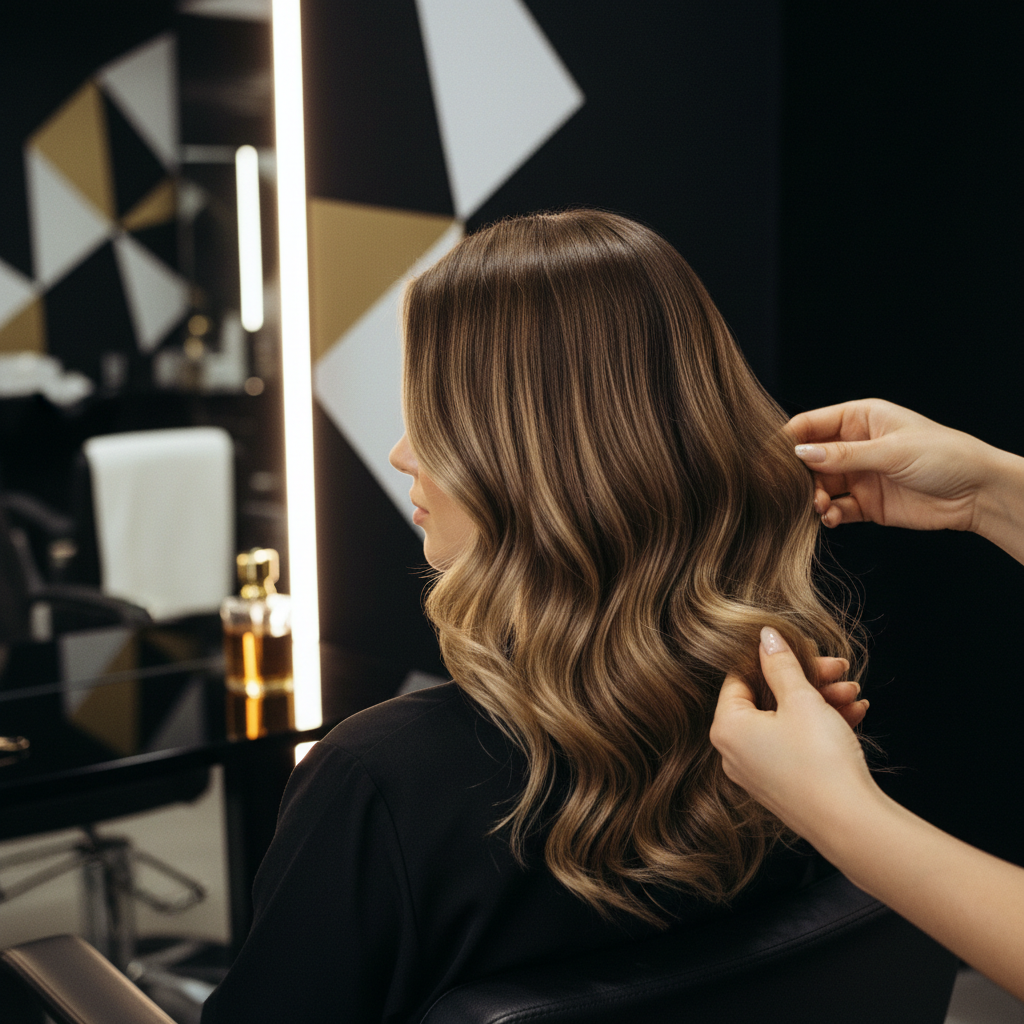
Quick answer: Caring for Wavy Hair means adopting a routine that acknowledges its unique S-shaped pattern, which is prone to both definition and frizz. It primarily involves targeted hydration, gentle cleansing to preserve natural oils, and specific styling methods to enhance wave formation and minimise breakage. The main limitation is that individual wavy hair characteristics vary widely (from loose 2a to tighter 2c), requiring personal adaptation of general guidelines.
Key takeaways
- Wavy hair (types 2a to 2c) sits between straight and curly, characterised by an S-shaped pattern that can be prone to frizz, dryness, and lack of definition.
- Its slightly raised cuticle makes it more susceptible to moisture loss compared to straight hair, necessitating a focus on hydration.
- Gentle cleansing with sulfate-free products and specific conditioning techniques are crucial to preserve natural oils and moisture.
- Styling methods like plopping, diffusing, and scrunching help enhance wave definition and reduce frizz without causing damage.
- Protecting wavy hair during sleep and from heat is essential to prevent mechanical damage and maintain its health and pattern.
- Hair porosity (how hair absorbs and retains moisture) significantly influences product choice and application for effective care.
Caring for Wavy Hair: what the evidence shows
Caring for Wavy Hair effectively starts with recognising its distinct characteristics. Wavy hair is generally classified within the "Type 2" category in hair typing systems, spanning from loose, barely perceptible S-bends (2a) to more defined, almost spiralling waves (2c). This hair type naturally offers more volume and texture than straight hair but also presents specific challenges, notably a propensity for frizz, dryness, and a tendency to lose definition.
The underlying mechanism behind these challenges relates to the hair's structure. Unlike straight hair where natural oils (sebum) can easily travel down the smooth shaft, the S-bends in wavy hair create interruptions. This can impede the even distribution of sebum, leading to drier mid-lengths and ends, even if the scalp is oily. Furthermore, the cuticle layer of wavy hair tends to be slightly more open or raised than that of straight hair, making it more vulnerable to moisture loss and environmental humidity. This increased susceptibility to moisture fluctuation is a primary driver of frizz.
Hair Porosity and Its Impact
Understanding your hair's porosity is fundamental to effective Caring for Wavy Hair. Porosity describes your hair's ability to absorb and retain moisture, influenced by the structure of its cuticle. The cuticle can be tightly closed (low porosity), moderately open (medium porosity), or highly open (high porosity).
- Low Porosity: The cuticles are tightly closed, making it difficult for moisture to penetrate. Products may sit on the hair surface. Benefits from lightweight, liquid-based products and gentle heat (e.g., a warm towel over a [deep conditioner](https://watermanshair.com/products/masque-me-luxurious-hair-mask)) to aid penetration. Avoid heavy butters and oils that can cause build-up.
- Medium Porosity: This hair type has a balanced cuticle, allowing for good moisture absorption and retention. It responds well to most product types and generally requires less intensive care.
- High Porosity: The cuticles are often raised or damaged, allowing moisture to be absorbed quickly but lost just as rapidly. This can be natural or a result of chemical treatments or heat damage. This hair type benefits from richer, heavier products that can seal the cuticle, such as leave-in conditioners, creams, and oils, to lock in moisture. For more details, see "Understanding Hair Porosity: How Your Hair Absorbs and Retains Moisture".
You can get a general indication of your hair porosity by placing a clean, product-free strand of hair into a glass of room-temperature water. If it floats, it's likely low porosity. If it sinks immediately, it's likely high porosity. If it slowly sinks, it's likely medium porosity. This is a simple home test and not a definitive scientific measurement, but it can guide product choices.
What You Can Do: Essential Care Practices
Effective Caring for Wavy Hair hinges on a routine that prioritises hydration, gentle handling, and strategic product use.
Cleansing and Conditioning
- Gentle Cleansing: Wavy hair does not typically require daily washing. Over-shampooing can strip the hair of its natural oils, leading to increased dryness and frizz. Aim for cleansing 2 to 3 times a week, or as needed. Choose sulfate-free shampoos, which are less harsh and help preserve the hair's natural moisture balance. These formulations often contain humectants and emollients to attract and seal in moisture. For those with particularly dry or delicate waves, consider co-washing (using conditioner instead of shampoo) on alternate wash days to gently refresh the hair without stripping it. See "Choosing the Right Shampoo: A Comprehensive Guide to Hair Cleansing".
- Deep Conditioning: Incorporate a deep conditioning treatment once a week or every two weeks. These treatments are formulated with higher concentrations of conditioning agents, proteins, and emollients to penetrate the hair shaft deeply, replenish moisture, and improve elasticity. For low porosity hair, applying gentle heat (e.g., using a warm, damp towel wrap) can help the product penetrate more effectively. See "The Science of Conditioners: How Hair Care Formulations Work".
Styling Techniques
How you style wavy hair significantly impacts its definition, frizz control, and overall appearance. The goal is to encourage the natural wave pattern without disrupting the cuticle or causing mechanical stress.
- Detangling: Always detangle wavy hair when it is wet and coated with conditioner. Use a wide-tooth comb or your fingers, starting from the ends and working your way up. Detangling dry wavy hair can disrupt the wave pattern, lead to frizz, and cause breakage. For particularly tangled hair, consider using a slip-enhancing leave-in conditioner.
- Air Drying vs. Diffusing: Air drying is ideal for minimising heat exposure and preserving wave patterns. If using a blow dryer, always attach a diffuser. A diffuser disperses the airflow, preventing the strong, direct heat from disrupting the wave pattern and causing frizz. Use a low heat and low speed setting. See "Hair Drying Techniques" and "Heat Styling Safety Best Practices".
- Plopping: This technique involves wrapping freshly washed, product-applied hair in a cotton T-shirt or microfiber towel (not a terry cloth towel, which can rough up the cuticle). Plopping absorbs excess water, encourages the wave pattern to coil upwards towards the scalp, and significantly reduces drying time and frizz. Leave it on for 15 to 30 minutes, or longer if desired, before air drying or diffusing.
- Scrunching: After applying styling products to wet hair, gently scrunch your hair upwards towards the scalp. This helps to activate and encourage the natural wave pattern. Avoid excessive scrunching once the hair is dry, as this can lead to frizz.
- Finger Coiling: For more defined waves, particularly for 2c types, you can gently twirl small sections of damp hair around your finger. This helps to clump the waves and encourage a more uniform pattern.
Product Selection for Wavy Hair
Selecting the right products is crucial for managing wavy hair. Focus on lightweight formulas that provide hydration and definition without weighing down the waves or causing product build-up. The table below outlines key product categories.
| Product Category | Primary Benefit for Wavy Hair | Key Considerations | Notes |
|---|---|---|---|
| Sulfate-Free Shampoo | Gentle cleansing, preserves natural oils | Look for moisturising ingredients, avoid harsh cleansers | Prevents dryness and frizz, supports scalp health. See "The Benefits of Sulfate-Free Hair Products". |
| Moisturising Conditioner | Detangles, hydrates, smooths cuticle | Focus on emollients (e.g., shea butter, argan oil) and humectants (e.g., glycerine, hyaluronic acid) | Improves manageability and reduces friction. See "Hair Hydration: The Science Behind Keeping Hair Moist". |
| Leave-in Conditioner | Provides continuous moisture, heat protection | Opt for lightweight formulas, especially for finer waves | Reduces frizz, adds a layer of protection before styling. |
| Curl Cream/Gel | Defines waves, reduces frizz, provides hold | Experiment with hold levels; gels offer stronger hold, creams offer more moisture | Helps waves maintain their shape throughout the day without crunchiness if applied correctly. |
| Lightweight Hair Oil/Serum | Adds shine, seals in moisture, tames flyaways | Use sparingly to avoid weighing down waves, focus on ends | Apply to damp or dry hair for a polished finish. See "Hair Moisturizers: What They Are and How They Work". |
When to Seek Professional Advice
While most concerns related to Caring for Wavy Hair can be addressed with appropriate home care, there are instances when professional advice is beneficial:
- Persistent Scalp Issues: If you experience ongoing itching, flaking, excessive oiliness, or redness that doesn't improve with over-the-counter treatments, a dermatologist or trichologist can diagnose conditions like dandruff, seborrheic dermatitis, or other scalp disorders. See "Dandruff: Causes and Treatments Explained" or "Oily Scalp: Causes, Management, and When to Seek Help".
- Significant Hair Changes: Sudden or unexplained changes in hair texture, excessive shedding beyond typical seasonal variations (telogen effluvium), or concerns about hair loss (alopecia) warrant a medical evaluation. These can sometimes be symptoms of underlying health conditions, nutritional deficiencies, or hormonal imbalances. It's important to distinguish between hair shedding (hair leaving the follicle) and hair breakage (the fibre snapping).
- Unmanageable Damage: If your wavy hair is severely damaged from chemical treatments or excessive heat, and home remedies aren't providing sufficient repair, a professional stylist can offer intensive treatments, recommend a corrective cut, and provide a tailored recovery plan. See "Hair Damage: Causes, Signs, and Solutions".
Frequently asked questions about Caring for Wavy Hair
How often should I wash my wavy hair?
Wavy hair typically benefits from washing 2 to 3 times per week. Over-washing can strip your hair of its natural oils, leading to dryness and frizz. If your scalp feels oily between washes, consider using a dry shampoo or co-washing (conditioning only) on non-shampoo days to refresh your hair without causing excessive dryness. Adjust frequency based on your scalp's oiliness and product usage.
What's the best way to prevent frizz in wavy hair?
Preventing frizz when Caring for Wavy Hair involves several strategies. Use sulfate-free, moisturising shampoos and conditioners, as well as leave-in products, to ensure adequate hydration. Avoid harsh towel drying; instead, gently blot with a microfiber towel or cotton T-shirt, or try plopping. Always use a diffuser on a low heat setting if blow-drying. Sleeping on a silk or satin pillowcase can also reduce friction and frizz overnight.
Should I brush my wavy hair when it's dry?
No, it's generally not recommended to brush wavy hair when it's dry. Brushing dry wavy hair can disrupt its natural S-pattern, leading to frizz and loss of definition. Instead, detangle your wavy hair gently when it's wet and coated with conditioner, using a wide-tooth comb or your fingers. If you need to smooth or refresh dry hair, use your fingers or a very soft brush sparingly, perhaps with a little leave-in conditioner or hair oil.
How can I enhance my natural wave pattern?
To enhance your natural wave pattern, start with proper hydration using moisturising shampoos, conditioners, and leave-in products. After washing, apply a curl-defining cream or gel to soaking wet hair, then gently scrunch your hair upwards. Consider plopping for 15-30 minutes to encourage wave formation. When drying, air dry or use a diffuser on a low heat setting, continuing to scrunch occasionally until dry. These methods help to clump the waves and maintain definition.
What kind of pillowcase is best for wavy hair?
For Caring for Wavy Hair, a silk or satin pillowcase is highly recommended. These materials create less friction than cotton, which can otherwise rough up the hair cuticle and lead to frizz, tangles, and even breakage. A smoother surface allows your hair to glide, helping to preserve your wave pattern and keep your hair smoother and more hydrated overnight. Alternatively, pineapple your hair loosely on top of your head to reduce contact with the pillow.
Can hard water affect my wavy hair?
Yes, hard water can negatively affect wavy hair. Hard water contains high levels of dissolved minerals, primarily calcium and magnesium. These minerals can build up on the hair shaft, leading to dullness, dryness, and a lack of vibrancy. They can also make hair feel stiff, increase frizz, and hinder the effectiveness of hair products. Consider a chelating shampoo or a shower filter if you live in a hard water area. For more information, refer to "Hard Water and Hair Damage: Understanding the Impact on Your Hair".
Conclusion
Effective Caring for Wavy Hair is about understanding its unique structure and responding with a tailored routine. By focusing on gentle cleansing, targeted hydration, and specific styling techniques, you can enhance your natural wave pattern, minimise frizz, and promote overall hair health. Embracing your waves means providing them with the care they need to look their best, ensuring they remain defined, moisturised, and vibrant. Remember, consistency and patience are key to achieving the desired results.
Sources and references
- American Academy of Dermatology Association, "Hair care: Tips for healthy hair", ongoing, aad.org
- British Association of Dermatologists, "Hair Loss", ongoing, bad.org.uk
- Gavazzoni Dias, M. F. R. (2015). Hair Cosmetics: An Overview. International Journal of Trichology, 7(1), 2-15. Doi: 10.4103/0974-7753.153493
- National Institutes of Health, National Library of Medicine, PubMed, ongoing, pubmed.ncbi.nlm.nih.gov
- NHS, "Hair loss", ongoing, nhs.uk
- Robbins, C. R. (2012). Chemical and Physical Behavior of Human Hair (5th ed.). Springer. (Reference for hair structure and properties)
- The Trichological Society, "Hair structure", ongoing, trichological.org.uk
Find these ingredients in Watermans products
- Argan Oil: you will find this ingredient in our Hair Growth Shampoo.
- Shea Butter: you will find this ingredient in our Curly Hair Conditioner.