Caring for Thinning Hair: Understanding Causes and Effective Strategies
11 min read ·
Caring for Thinning Hair involves understanding its causes and adopting gentle, evidence-based practices to support hair health and improve its appearance.
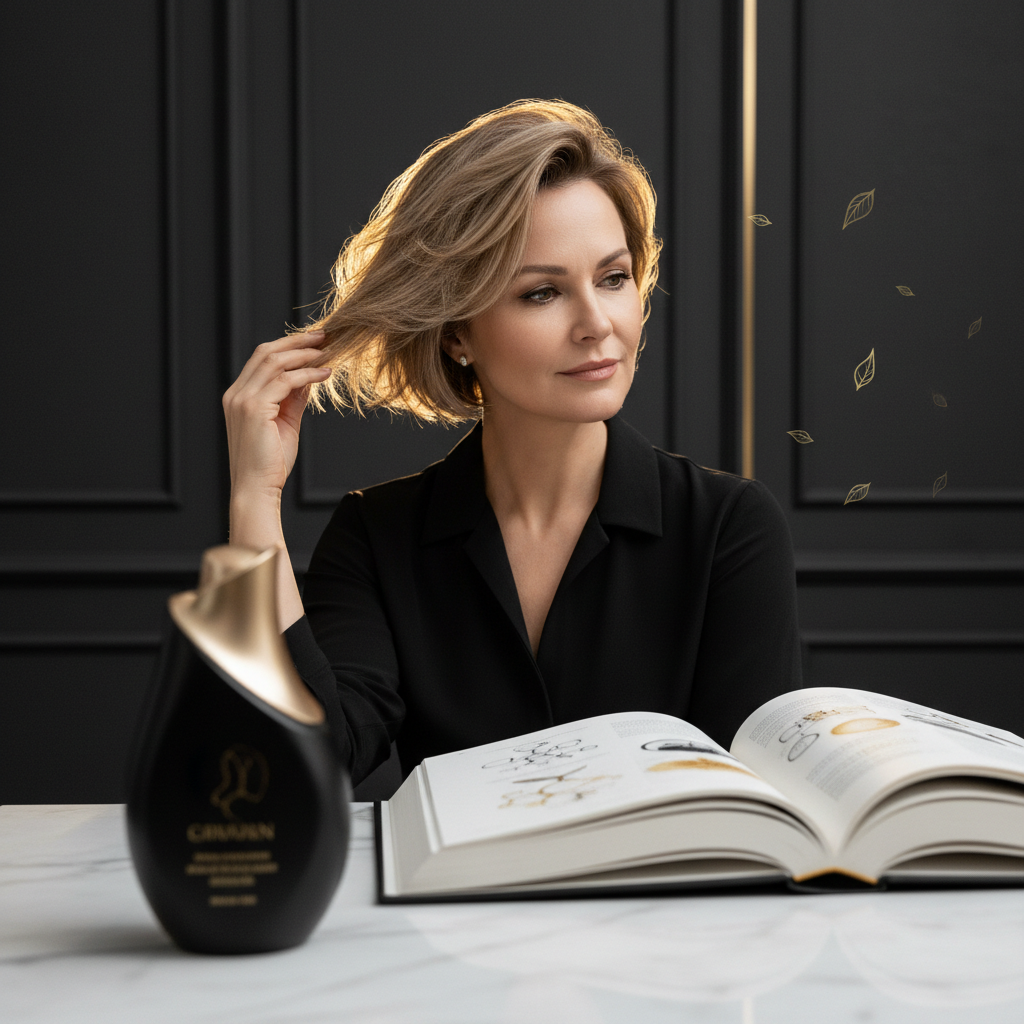
Quick answer: Caring for Thinning Hair focuses on practices and treatments designed to improve the appearance and health of hair experiencing reduced density or finer strands. This involves distinguishing thinning from hair loss, identifying underlying causes, and implementing gentle care routines, scalp health strategies, and, where appropriate, professional advice. The effectiveness of any approach can vary depending on the individual cause of thinning hair.
Key takeaways
- Thinning hair is a reduction in hair density or diameter, making it appear less voluminous, and is distinct from hair shedding or hair breakage.
- Common causes include genetics, hormonal changes, nutritional deficiencies, stress, and certain medical conditions.
- Gentle cleansing, conditioning, and drying techniques are crucial to protect fragile, thinning strands and prevent further damage.
- Scalp health is paramount; regular, gentle massage and targeted treatments can support follicular activity.
- A balanced diet and stress management play a significant role in overall hair health.
- Professional advice is important for persistent or sudden thinning to diagnose underlying medical causes.
Caring for Thinning Hair: Understanding the Evidence
Caring for Thinning Hair involves a strategic approach to maintain and improve the appearance of hair that has reduced density or volume. Unlike sudden hair shedding (telogen effluvium) or hair loss (alopecia), thinning hair often manifests as a gradual decrease in hair strand diameter, making the scalp more visible. This can be a natural part of ageing for some, while for others, it may signal underlying issues.
What causes thinning hair?
Several factors can contribute to thinning hair, often acting in combination. Understanding the potential causes is the first step in effective care:
- Genetics (Androgenetic Alopecia): This is the most common cause, often referred to as male or female pattern baldness. It's a hereditary condition where hair follicles become sensitive to androgens, leading to their gradual miniaturisation. Over time, affected follicles produce progressively finer, shorter hairs, which eventually may cease growing altogether. This is a progressive condition, and early intervention can sometimes slow its progression.
- Hormonal Fluctuations: Significant shifts in hormone levels can impact the hair growth cycle. This includes changes experienced during pregnancy, childbirth, menopause, or conditions like polycystic ovary syndrome (PCOS) and thyroid disorders. For example, an underactive or overactive thyroid can lead to widespread hair thinning.
- Nutritional Deficiencies: A lack of essential vitamins and minerals can compromise the body's ability to produce healthy hair. Deficiencies in iron (anaemia), zinc, vitamin D, and B vitamins (especially biotin) are frequently implicated. Hair is not considered essential for survival, so the body will divert nutrients to more critical functions during periods of scarcity.
- Stress (Telogen Effluvium): Chronic physical or emotional stress can disrupt the normal hair growth cycle, pushing a large number of hairs prematurely into the resting (telogen) phase. This results in increased shedding and a noticeable reduction in hair density, appearing as thinning. This is typically a temporary condition, with hair usually recovering once the stressor is removed.
- Ageing: As people age, hair naturally becomes finer, and the active growth (anagen) phase of the hair cycle shortens. Hair follicles can also become less productive, leading to an overall reduction in hair density.
- Medical Conditions and Medications: Certain autoimmune diseases (like lupus), scalp infections (such as ringworm), and medications (e.g., some blood thinners, antidepressants, or chemotherapy drugs) can cause hair thinning. It's important to consult a healthcare professional to rule these out.
- Harsh Hair Practices: Excessive heat styling, tight hairstyles (like very tight braids or ponytails), and aggressive chemical treatments can damage the hair shaft and pull on the follicles, leading to breakage or even a form of hair loss called traction alopecia. While this is primarily breakage, severe or prolonged damage can contribute to the appearance of thinning.
Gentle Hair Care Practices for Thinning Hair
Protecting existing hair and preventing further damage are crucial components of Caring for Thinning Hair. Adopting a gentle approach to daily hair care can significantly improve the health and appearance of fragile strands.
Cleansing and Conditioning for Delicate Hair
When hair is thinning, its individual strands may be more vulnerable to damage. Proper washing and conditioning can help maintain scalp health and protect the hair fibre.
- Frequency: Wash hair as needed, typically every two to three days, to maintain a clean scalp without over-stripping natural oils. Excessive washing can sometimes irritate a sensitive scalp, while infrequent washing can lead to product build-up or excess sebum, which may impede healthy follicle function. For more information, refer to "Sebum Regulation: Understanding and Managing Scalp Oiliness" and "Oily Scalp Care: Understanding and Managing Excess Sebum."
- Product Selection: Choose shampoos and conditioners specifically formulated to add volume or for delicate hair. These products are often lightweight and designed not to weigh down finer strands. Avoid heavy conditioners or styling products that can accumulate on the scalp. Sulfate-free shampoos can be a good choice for those with sensitive scalps, as they tend to be gentler, as discussed in "Sulfate-Free Shampoo Benefits."
- Application Technique: Gently massage shampoo into the scalp using the fingertips, focusing on cleansing the scalp itself rather than scrubbing the hair shafts, which can cause friction. Apply conditioner primarily to the mid-lengths and ends of the hair, avoiding direct application to the scalp if you have an oily scalp.
- Water Temperature: Use lukewarm water for washing. Hot water can strip the hair and scalp of natural protective oils, potentially leading to dryness and irritation. Follow with a cool rinse to help smooth the hair cuticle.
Gentle Drying and Styling Methods
Thinning hair is often more prone to breakage. How you dry and style your hair can significantly impact its overall health and appearance.
- Towel Drying: Blot hair gently with a a microfibre towel to remove excess water. Avoid vigorous rubbing, which can cause significant friction and lead to hair breakage. For more information on preventing hair damage, see "Hair Damage: Causes, Signs, and Solutions."
- Heat Styling: Minimise heat styling whenever possible. If heat is necessary, use the lowest effective temperature setting and always apply a heat protection product beforehand. This creates a barrier that can reduce the damaging effects of high temperatures. Consult "Heat Styling Safety Best Practices" for more guidance.
- Brushing and Detangling: Use a wide-tooth comb or a brush with soft, flexible bristles to detangle wet hair, starting from the ends and working upwards. This approach reduces stress on the hair shaft and minimises breakage. Aggressive brushing on wet hair, which is most fragile, should be avoided.
- Hairstyles: Opt for loose hairstyles that do not pull or tug on the hair follicles. Tight ponytails, braids, or buns can lead to traction alopecia, a form of hair loss caused by chronic tension on the hair roots.
Targeted Approaches to Caring for Thinning Hair
Beyond general care, specific treatments and a focus on scalp health can address some underlying issues related to thinning hair and encourage a healthier environment for hair growth.
Scalp Health and Stimulation
A healthy scalp is fundamental for healthy hair growth. Improving scalp circulation and addressing specific concerns can support hair density.
- Scalp Massage: Regular, gentle scalp massages can increase blood circulation to the hair follicles, potentially delivering more nutrients and oxygen. Use fingertips to apply light to medium pressure in circular motions for 5 to 10 minutes daily. This can be done dry or with a lightweight scalp serum.
- Targeted Scalp Treatments: Medicated shampoos, serums, and tonics may contain active ingredients such as minoxidil (a widely recognised topical treatment for androgenetic alopecia), or botanical extracts like rosemary extract or peppermint oil. These ingredients are thought to stimulate follicular activity and potentially improve hair density or thickness. Some products, including Watermans GrowMe® Shampoo and Conditioner, contain hydrolysed lupin protein, which has been studied for its potential to stimulate hair growth. Further details can be found in "Lupin Protein: Benefits, Mechanisms, and Haircare Applications," "Rosemary Extract: Understanding Its Role in Haircare," and "Peppermint oil: Understanding its Potential for Hair and Scalp Health."
- Low-Level Laser Therapy (LLLT): This non-invasive treatment uses red light to stimulate cellular activity within hair follicles. While research is ongoing, some studies suggest it may help improve hair density and thickness for certain types of thinning hair. Devices are available for both clinic and home use.
- Scalp Exfoliation: Gentle scalp exfoliation can help remove dead skin cells, product build-up, and excess sebum that might impede healthy hair growth, promoting a cleaner environment for follicles. Learn more in "Scalp Exfoliation: Uncovering the Evidence for a Healthier Scalp."
Nutrition and Lifestyle Factors
Overall health significantly impacts hair health. Addressing nutritional gaps and managing stress are vital components of Caring for Thinning Hair.
- Balanced Diet: Consume a diet rich in protein, healthy fats, vitamins (especially B vitamins like biotin, and vitamin D), and minerals (such as iron and zinc). These nutrients are essential for keratin production, the primary protein component of hair, and for supporting the hair growth cycle. Protein is particularly critical; good sources include lean meats, fish, eggs, and legumes. For more on dietary needs, see "Hair Hydration: The Science Behind Keeping Hair Moist" which discusses broader aspects of hair health.
- Hydration: Drink ample water daily. Proper hydration is essential for all bodily functions, including maintaining healthy hair and scalp tissue.
- Stress Management: Implement effective stress-reduction techniques such as mindfulness, yoga, meditation, or regular physical activity. Reducing chronic stress can help prevent or mitigate stress-induced hair thinning like telogen effluvium. For further reading, "Anti-inflammatory Ingredients: Soothing Your Scalp for Healthier Hair" touches on how stress can exacerbate scalp conditions.
When to Seek Professional Advice for Thinning Hair
While many strategies for Caring for Thinning Hair can be implemented at home, it's important to know when to consult a healthcare professional. Persistent, sudden, or rapidly worsening hair thinning warrants a visit to your GP or a dermatologist. They can:
- Diagnose Underlying Conditions: Rule out or diagnose medical conditions such as thyroid disorders, anaemia, autoimmune diseases, or specific forms of alopecia that require medical treatment.
- Identify Medication Side Effects: Determine if any current medications are contributing to hair thinning.
- Recommend Targeted Treatments: Prescribe stronger medications (like oral finasteride for men, or higher-strength minoxidil), or suggest other medical interventions. They can also provide guidance on the most appropriate course of action based on your specific diagnosis.
Frequently asked questions about Caring for Thinning Hair
Can hair thinning be reversed completely?
Whether hair thinning can be reversed depends entirely on its cause. Thinning due to nutritional deficiencies, stress, or temporary hormonal changes often improves with addressing the underlying issue. However, thinning caused by genetic conditions like androgenetic alopecia cannot be "cured" but can often be managed and slowed down with consistent treatment and proper Caring for Thinning Hair strategies. Early intervention generally yields better results.
What's the difference between hair thinning and hair loss?
Hair thinning refers to a reduction in the density or diameter of individual hair strands, making hair appear less voluminous. Hair loss, particularly alopecia, implies a complete absence of hair from certain areas or a significant, often visible, reduction in the number of hair follicles. Hair shedding, such as telogen effluvium, is when more hairs than usual enter the resting phase and fall out, which can also lead to the appearance of thinning.
Are there specific foods that help with thinning hair?
While no single food can guarantee hair growth, a balanced diet rich in specific nutrients supports healthy hair. Protein (from lean meats, eggs, legumes), iron (from spinach, red meat), zinc (from nuts, seeds, seafood), and vitamins like biotin and vitamin D are crucial. Ensuring adequate intake of these can help the body produce stronger, healthier hair and is an important part of Caring for Thinning Hair.
How long does it take to see results from caring for thinning hair?
Results from strategies for Caring for Thinning Hair are not immediate. The hair growth cycle is slow, and it typically takes at least three to six months of consistent effort to notice visible improvements in hair density or texture. For some conditions, such as androgenetic alopecia, continuous treatment is often required to maintain any gains.
Can stress really cause hair to thin?
Yes, chronic or severe stress can absolutely lead to hair thinning. This is most commonly seen in a condition called telogen effluvium, where stress prematurely pushes a larger proportion of hair follicles into the resting and shedding phases. Managing stress through various techniques can help mitigate this effect and allow the hair cycle to normalise, leading to recovery over several months.
Conclusion
Caring for Thinning Hair requires a comprehensive and patient approach. By understanding the distinct causes of thinning, adopting gentle hair care practices, focusing on scalp health, optimising nutrition, and managing stress, individuals can significantly support the health and appearance of their hair. When in doubt, seeking professional medical advice is always recommended to ensure the most effective and appropriate strategy for your specific needs.
Find these ingredients in Watermans products
Watermans GrowMe® Shampoo and Conditioner contain hydrolysed lupin protein, which has been studied for its potential to stimulate hair growth. Our products also include biotin and niacinamide (Vitamin B3), which contribute to overall hair health.
Sources and references
- American Academy of Dermatology Association, "Hair loss: Diagnosis and treatment"
- British Association of Dermatologists, "Hair Loss - Patient Information Leaflets"
- National Institutes of Health (NIH), Office of Dietary Supplements, "Biotin Fact Sheet for Health Professionals"
- Journal of Clinical and Aesthetic Dermatology, "A Review of the Use of Biotin for Hair Loss"
- PubMed Central, "The role of vitamins and minerals in hair loss: a review"
- Journal of Investigative Dermatology Symposium Proceedings, "Stress and the Hair Follicle"
- Cleveland Clinic, "Hair Loss: Symptoms, Causes, Treatment & Prevention"
- NHS, "Hair loss"
- National Institute of Arthritis and Musculoskeletal and Skin Diseases (NIAMS), "Alopecia Areata: Questions and Answers"
- International Journal of Trichology, "Low-level laser therapy for hair loss: a comprehensive review"
- Dermatologic Therapy, "Topical agents for hair growth: a comprehensive review"
Find these ingredients in Watermans products
- Niacinamide: you will find this ingredient in our Hair Mask.