Caring for Oily Hair: Expert Tips for Balanced Scalp and Strands
8 min read ·
Effective caring for oily hair involves understanding its causes and adopting a consistent routine to manage excess sebum without stripping the scalp.
Quick answer: Caring for Oily Hair involves managing excess sebum production on the scalp, which can lead to a greasy appearance and feel. This often requires a tailored hair care routine focusing on gentle cleansing, appropriate product selection, and lifestyle adjustments. While cosmetics can improve the appearance and feel of oily hair, they cannot cure underlying medical conditions causing excessive oiliness.
Key takeaways
- Oily hair results from overactive sebaceous glands on the scalp producing too much sebum.
- Frequent, gentle washing with a suitable shampoo is generally recommended, not harsh stripping.
- Product choice, application technique, and styling habits significantly impact oiliness.
- Diet, stress, and hormonal changes can influence sebum production.
- Excessive oiliness can sometimes indicate an underlying condition requiring professional medical advice.
- Avoid over-brushing or over-stimulating the scalp, as this can spread sebum.
Caring for Oily Hair: what the evidence shows
Caring for Oily Hair centres on managing the natural oil, known as sebum, produced by sebaceous glands attached to hair follicles on the scalp. Sebum is essential for healthy hair and scalp, providing lubrication and protection. However, when these glands become overactive, they can produce an excessive amount of sebum, leading to hair that appears greasy, heavy, and even clumpy shortly after washing. This condition is often referred to as seborrhoea of the scalp.

Scientific understanding points to a combination of genetic predisposition, hormonal fluctuations, environmental factors, and even stress as influences on sebaceous gland activity. Androgens, male hormones present in both men and women, play a significant role in stimulating sebum production. Puberty, pregnancy, and certain medical conditions can all trigger hormonal shifts that impact scalp oiliness. While some studies suggest a link between diet (particularly high glycaemic index foods and dairy) and increased sebum production, controlled research has not found conclusive evidence to establish a direct causal relationship in most individuals. The mechanism is complex and multi-faceted.
The mechanism of oily hair
The scalp has a high concentration of sebaceous glands compared to other areas of the body. These glands secrete sebum, a complex mixture of triglycerides, wax esters, squalene, and cholesterol. Sebum travels up the hair follicle and spreads along the hair shaft, moisturising and protecting it. When the sebaceous glands produce more sebum than necessary, the excess oil coats the hair, making it look greasy. This excess oil can also create a favourable environment for certain microorganisms, potentially leading to scalp irritation or other issues.
Factors that can influence sebum production include:
- Hormonal shifts: Androgens stimulate sebum production. Fluctuations during puberty, menstrual cycles, pregnancy, or menopause can increase oiliness.
- Genetics: Some individuals are genetically predisposed to having more active sebaceous glands.
- Stress: High stress levels can impact hormone balance, potentially leading to increased sebum.
- Diet: While direct links are debated, some individuals report an improvement in oiliness by adjusting their diet.
- Medications: Certain drugs can influence sebum production as a side effect.
- Environmental factors: High humidity and heat can make hair feel oilier faster.
What you can do: an effective routine for oily hair
Caring for Oily Hair effectively involves a consistent routine tailored to your specific needs. The goal is to regulate sebum without stripping the scalp, which can paradoxically encourage more oil production as the scalp tries to compensate.
1. Washing frequency and technique:
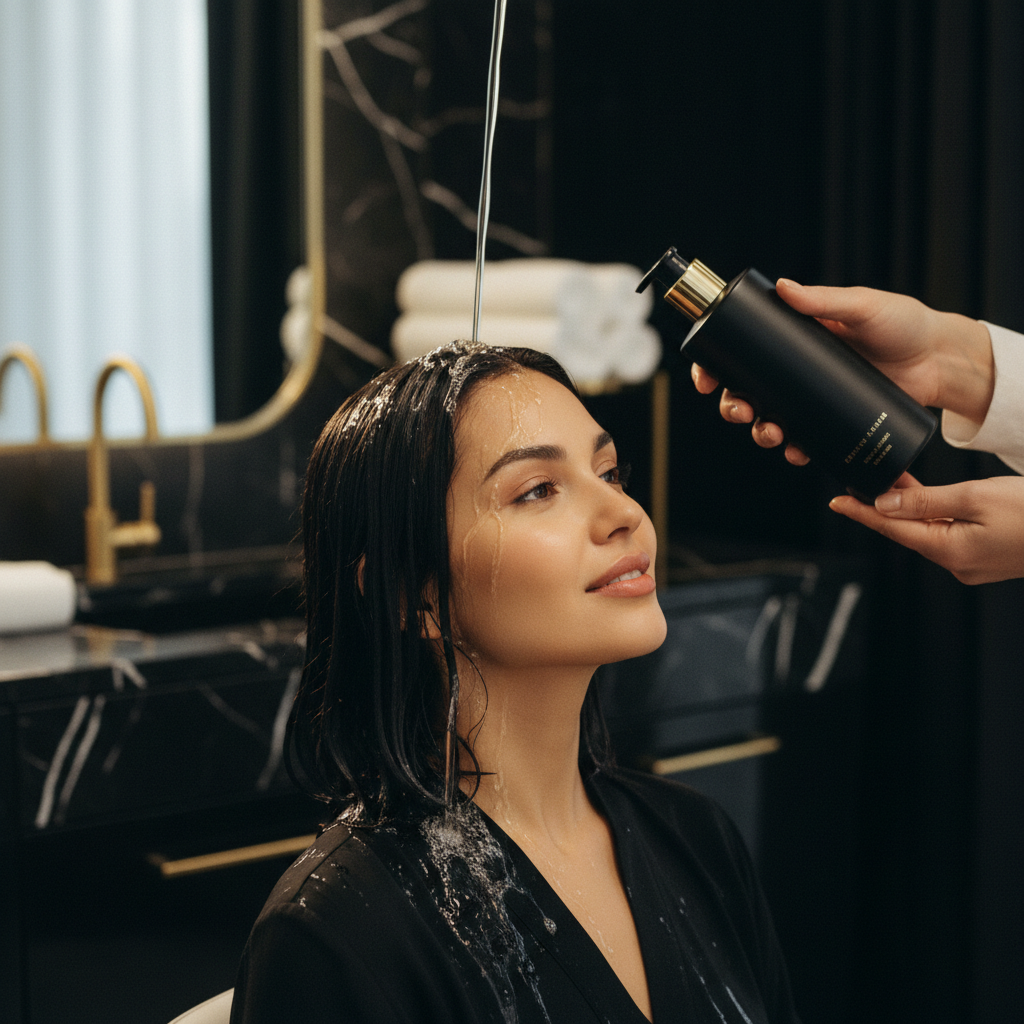
Most experts recommend frequent washing for oily hair, often daily or every other day, using a gentle shampoo. This helps remove excess sebum and product buildup. Focus the shampoo on the scalp, massaging gently to lift oil and debris, then rinse thoroughly. There's no need to shampoo the lengths of the hair, as the lather will cleanse them as it rinses.
2. Choosing the right products:
Opt for shampoos specifically formulated for oily hair or those described as balancing or clarifying. These typically contain surfactants that effectively cleanse oil without being overly harsh. Look for ingredients like salicylic acid or tea tree oil, which can help control oil. Avoid heavy, rich shampoos or conditioners that contain high levels of oils or silicones, as these can weigh down hair and contribute to a greasy feel. If you need conditioner, apply it only to the mid-lengths and ends of your hair, keeping it away from the scalp.
3. Product application and styling:
- Rinse thoroughly: Ensure all shampoo and conditioner are completely rinsed from your hair. Residue can make hair look dull and feel greasy.
- Avoid over-brushing: Excessive brushing can distribute sebum from the scalp down the hair shaft, making it appear oilier. Brush only to detangle or style.
- Limit touching hair: Frequently touching your hair can transfer oils from your hands to your scalp and strands.
- Clean tools: Regularly clean your brushes, combs, and hair accessories to remove oil and product buildup.
- Dry shampoo: This can be a useful tool between washes to absorb excess oil and refresh hair, but it's not a substitute for washing.
When to seek professional advice
While effective caring for oily hair can often be managed with a good routine, persistent and severe oiliness can sometimes be a symptom of an underlying condition. If you experience excessive oiliness accompanied by symptoms like:
- Severe scalp itching or irritation.
- Redness, flaking, or scaling on the scalp.
- Hair shedding or noticeable thinning.
- Unusual skin breakouts on the face or body.
It's advisable to consult a dermatologist or trichologist. These specialists can help diagnose conditions such as seborrhoeic dermatitis, fungal infections, or hormonal imbalances that may be contributing to excessive sebum production.
Comparison of oily hair care approaches
| Approach | Description | Pros | Cons |
|---|---|---|---|
| Frequent Washing | Washing daily or every other day with a suitable shampoo. | Effectively removes sebum and keeps hair fresh. | Can be time-consuming; risk of over-stripping if shampoo is harsh. |
| Targeted Shampoos | Using formulas specifically for oily hair (e.g., clarifying, balancing). | Contains ingredients to control oil and buildup. | May not suit sensitive scalps; can be drying if overused. |
| Dry Shampoo Use | Applying dry shampoo between washes to absorb oil. | Quick fix for greasy roots; extends time between washes. | Not a substitute for washing; can lead to buildup if overused. |
| Product Avoidance | Steering clear of heavy oils, silicones, and rich conditioners near roots. | Prevents weighing down hair and adding to greasiness. | May miss out on conditioning benefits for dry ends. |
| Lifestyle Adjustments | Managing stress, considering diet, cleaning hair tools regularly. | Addresses potential underlying causes; holistic approach. | Results can be slow; requires consistent effort. |
Frequently asked questions about Caring for Oily Hair
Can diet affect oily hair?

Evidence is mixed regarding a direct, universal link between diet and oily hair. While some individuals report that reducing high-glycaemic index foods or dairy products improves their scalp's oiliness, controlled research has not conclusively established this. Maintaining a balanced diet rich in vitamins and minerals is always beneficial for overall health, including hair and scalp health.
How often should I wash oily hair?
For most people with oily hair, washing daily or every other day is recommended. This helps to remove the excess sebum that accumulates on the scalp. Using a gentle, balancing shampoo designed for oily hair is key. Over-washing with harsh products, however, can strip the scalp and may sometimes trigger increased oil production as a compensatory mechanism.
Do I need to condition oily hair?
Yes, even oily hair needs conditioning, but the method differs. Apply conditioner only to the mid-lengths and ends of your hair, avoiding the scalp and roots. This prevents adding extra moisture or weight where it's not needed, while still nourishing the older, more prone-to-dryness parts of your hair. Look for lightweight, oil-free conditioners.
Can stress cause oily hair?
Yes, stress can certainly play a role in contributing to oily hair. When you experience stress, your body releases hormones like cortisol, which can stimulate the sebaceous glands to produce more sebum. Managing stress through techniques like exercise, meditation, or adequate sleep can therefore be beneficial in caring for oily hair and overall well-being.
Why does my hair get oily so quickly after washing?
If your hair gets oily quickly, it's likely due to overactive sebaceous glands on your scalp. Factors like genetics, hormonal fluctuations, or even using products that are too rich or heavy can contribute. Ensure you're using a suitable shampoo, rinsing thoroughly, and not over-stimulating your scalp during washing or styling. Consistent, gentle caring for oily hair will help.
Is it possible to "train" oily hair to be less oily?
There's a popular belief that you can "train" oily hair by washing it less frequently, leading to reduced oil production. While some individuals report a temporary adjustment period, there's limited scientific evidence to support this claim as a long-term solution. Sebum production is primarily driven by hormones and genetics. Reducing wash frequency may just mean you're tolerating oilier hair, rather than changing the fundamental rate of sebum production.
Conclusion
Caring for Oily Hair involves a careful balance of cleansing, product selection, and lifestyle awareness. Understanding that sebum production is a natural, albeit sometimes overactive, process is the first step. By adopting a gentle yet effective hair care routine, avoiding harsh treatments, and being mindful of internal and external factors, you can effectively manage excess oiliness and maintain a healthier-looking scalp and hair. When persistent issues arise, seeking professional medical advice is a sensible next step.
Sources and references
- American Academy of Dermatology Association, "Hair care products: How to choose", Undated. (aad.org)
- British Association of Dermatologists, "Seborrhoeic dermatitis", 2023. (bad.org.uk)
- National Center for Biotechnology Information (NCBI), "Sebaceous Glands: From Basic Science to Clinical Medicine", PubMed Central, 2017. (pubmed.ncbi.nlm.nih.gov)
- NHS, "Greasy hair", Undated. (nhs.uk)
- The Journal of Clinical and Aesthetic Dermatology, "An Update on the Pathophysiology and Treatment of Acne Vulgaris", 2012. (jcadonline.com)
- University of California, San Francisco (UCSF) Health, "Hair Care", Undated. (ucsfhealth.org)