Bubble Hair Deformity Explained: Science, Symptoms, and Solutions
9 min read ·
Bubble Hair Deformity Explained: learn the science of steam-induced shaft damage, why heat blisters wet hair, and how to stop breakage and restore strength.
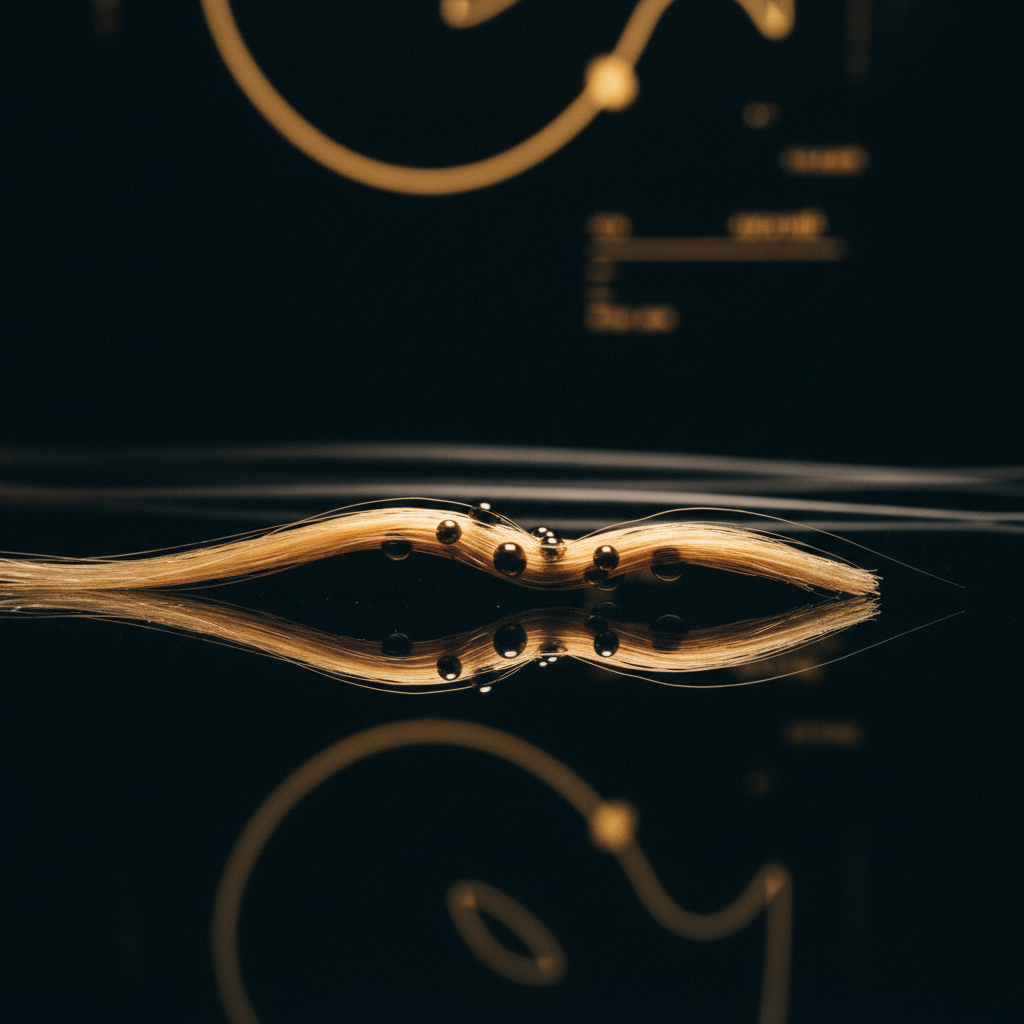
Quick answer: With Bubble Hair Deformity Explained, this acquired hair shaft disorder occurs when trapped moisture inside the hair cortex rapidly vaporises during high-heat styling, forming microscopic gas bubbles that fracture the hair fibre from within. The condition causes severe hair breakage, stiff frizz, and localized thinning along the length. It is not follicular hair loss; the follicle remains intact. The main limitation is that formed bubble deformities cannot be repaired, requiring damaged lengths to be cut away while heat habits are corrected.
Key takeaways
- Bubble hair deformity is a purely acquired physical injury caused by extreme thermal styling, particularly using blow dryers or straighteners on damp or wet hair.
- Water inside the cortex boils instantly, expanding into steam bubbles (cavities) that hollow out the hair shaft and weaken structural keratin.
- It presents as dry, brittle, matted hair that breaks easily along the shaft, often mistaken for alopecia or severe chemical damage.
- The hair follicle itself remains completely healthy, meaning normal growth resumes as long as thermal trauma stops.
- Optical microscopy or dermoscopy is the gold standard for diagnosis, clearly showing regular Swiss-cheese-like air spaces inside the shaft.
- Prevention requires keeping heated styling tools below 160 degrees Celsius and ensuring hair is thoroughly dried on low-to-medium heat before applying high-temperature plates.
Bubble Hair Deformity Explained: what the evidence shows
When dermatologists review Bubble Hair Deformity Explained, clinical research highlights it as a clear-cut case of thermal trauma rather than an internal medical pathology. First identified in the medical literature in the early 1990s, bubble hair occurs when rapid thermal energy is applied to hair fibres containing excess internal moisture.
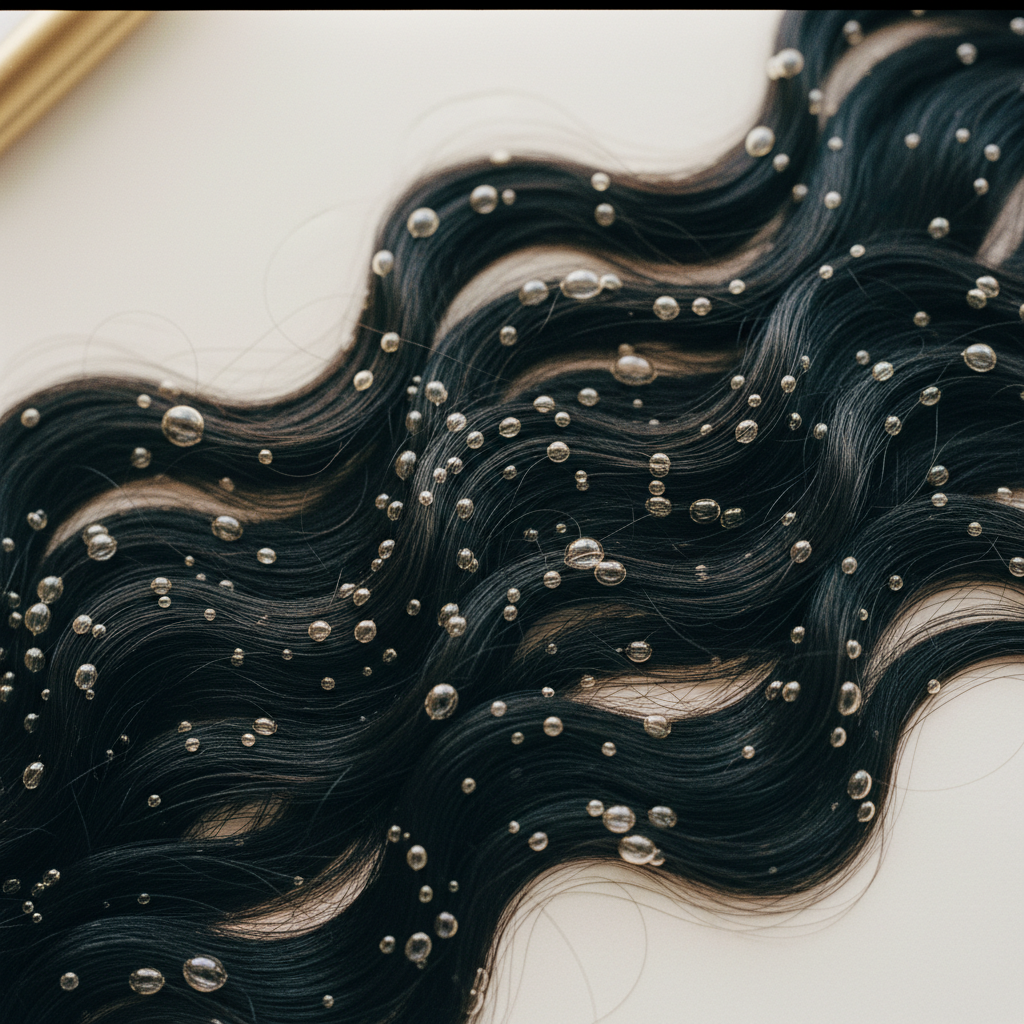
Under normal circumstances, hair contains roughly 10% to 15% bound water weight at baseline relative humidity, which can rise to over 30% when wet. When intense heat exceeding 125 to 140 degrees Celsius contacts damp hair, that trapped internal water turns to steam faster than it can escape through the protective cuticle layer. Because steam occupies significantly more volume than liquid water, internal pressure surges. This explosive force creates microscopic gas-filled cavities along the cortex and medulla, visible under a standard light microscope as distinct bubbles.
Dermatological literature confirms that this disorder is completely independent of genetic keratin defects, such as monilethrix or trichorrhexis nodosa, though the resulting breakage can look strikingly similar to the naked eye. Research indicates that bubble hair is primarily driven by improper styling tool mechanics, such as blow dryers held too close to the fibre, faulty salon dryers with failing thermostats, or ceramic flat irons clamped over wet patches.
What the evidence does not show
There is no scientific evidence that bubble hair deformity stems from nutritional deficiencies, hormonal imbalances, endocrine disorders, or autoimmune conditions. It does not cause follicular scarring, nor does it affect the dermal papilla.
Furthermore, evidence does not support the idea that cosmetic bonding treatments, deep conditioning masks, or protein reconstructors can refill or reverse these physical air cavities. Once the cortex has expanded and cracked from internal steam pressure, the structural integrity of that specific section of the hair shaft is permanently lost. Conditioners can smooth adjacent uninjured fibres, but they cannot fuse the hollowed bubbles back into solid alpha-keratin.
The mechanical mechanism of bubble formation
To understand how the defect develops, you have to look at the physical architecture of the hair shaft. Hair consists of three layers: the outer cuticle, the load-bearing cortex, and the central medulla. The cortex is packed with keratin intermediate filaments held together by disulphide bonds, hydrogen bonds, and salt bridges.
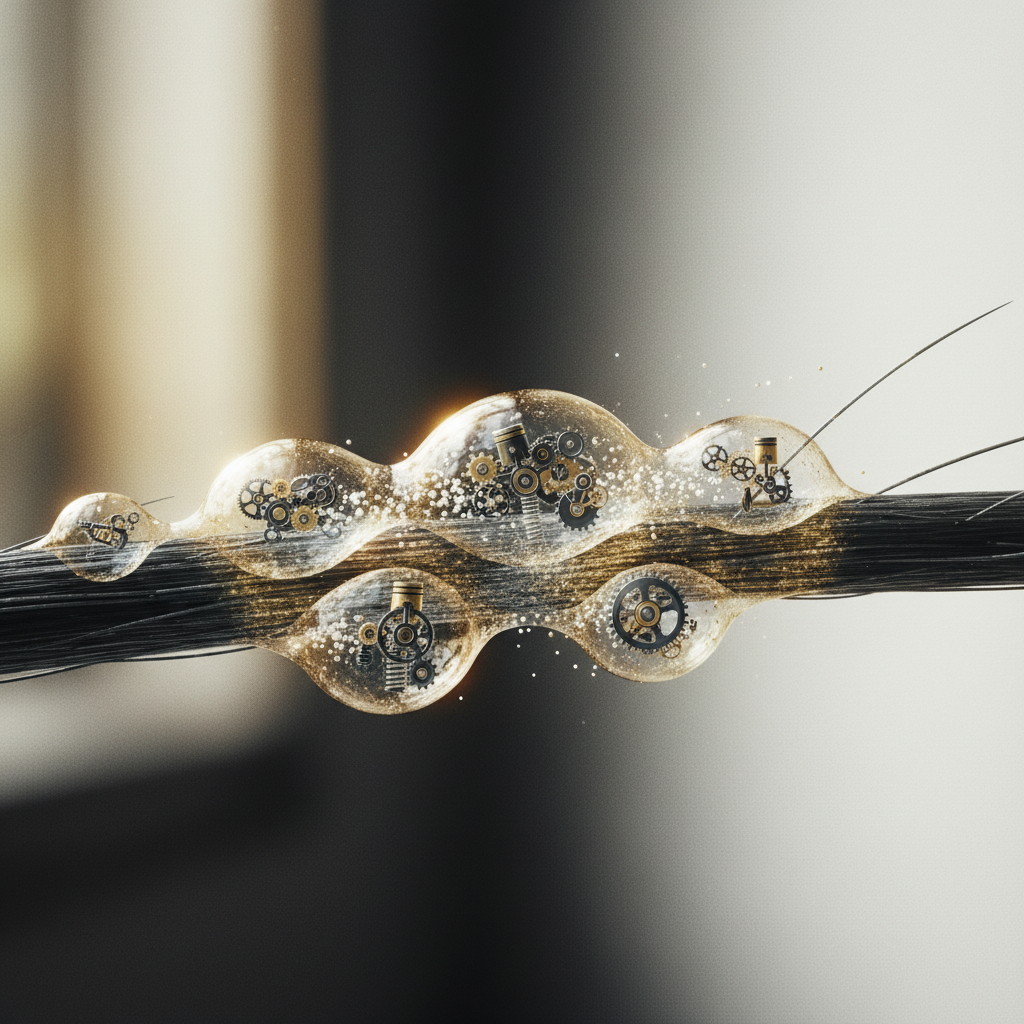
When hair is saturated with water, hydrogen bonds temporarily break, and the fibre swells. If you apply a curling tong, flat iron, or high-heat dryer directly to this saturated fibre, several physical events happen simultaneously:
- Flash boiling: The water inside the cortex reaches its boiling point almost instantly.
- Cuticle entrapment: The outer cuticle scales act as a pressure vessel, temporarily preventing the rapid venting of steam.
- Cortex cavity expansion: The steam forces the cortical cells apart, creating oval or spherical vacuoles measuring between 20 to 50 micrometres in diameter.
- Structural collapse: As the hair cools, the pockets remain as empty air voids. The outer cuticle over these voids becomes paper-thin and brittle.
- Transverse fracture: Under minimal everyday friction, such as brushing or washing, the shaft fractures directly across the bubble site.
Controlled laboratory studies demonstrate that dry hair heated to 160 degrees Celsius rarely forms bubbles, while damp hair exposed to the same temperature reliably develops extensive vacuolation. The presence of excess free water is the mandatory trigger.
Signs and symptoms to look for
Bubble hair deformity can appear abruptly after a single traumatic styling session or develop gradually over weeks of aggressive blow-drying. The clinical signs include:
- Localised frizzy patches: Hair feels stiff, dry, and straw-like in specific zones where heat tools were concentrated, often the crown or temples.
- Severe hair breakage: Fibres snap off when lightly tugged or brushed, leaving irregular, jagged lengths.
- Loss of natural curl or straightness: Affected strands exhibit strange kinks, crimps, and sharp bends where internal voids have compromised fibre tension.
- Altered hair colour: The air cavities alter how light reflects through the shaft, often giving dark hair a lighter, dull, or slightly greyish sheen in damaged areas.
- Microscopic Swiss-cheese effect: Under a 40x to 100x light microscope, the hair looks dark and pitted, lined with regular rows of internal bubbles.
| Feature | Bubble Hair Deformity | Trichorrhexis Nodosa | Monilethrix |
|---|---|---|---|
| Primary Cause | Rapid thermal steam expansion on damp hair | Mechanical friction, aggressive brushing, chemical weathering | Inherited genetic mutation in hair keratins (KRT81, KRT83, KRT86) |
| Microscopic Appearance | Hollow spherical or oval cavities (vacuoles) inside the cortex | Paintbrush-like frayed ends with swollen cortical nodes | Regular, beaded appearance with periodic thinning internodes |
| Fibre Moisture State | Triggered specifically when heated while damp or wet | Can occur on bone-dry or weathered hair | Present from follicle emergence, independent of water |
| Follicle Involvement | Follicle is healthy; zero scalp pathology | Follicle is healthy; zero scalp pathology | Keratosis pilaris often present around follicular mouths |
| Reversibility | Irreversible along the shaft; grows out normally | Irreversible along the shaft; preventable with care | Lifelong genetic disorder, though severity varies |
What you can do to manage and restore the hair
Because bubble hair is structural mechanical damage, your immediate goal is to preserve surrounding healthy growth and prevent further breakage.
Step 1: Remove the severely affected lengths
Schedule a trim with a knowledgeable stylist. Because the bubbles create permanent fracture points, leaving them intact often results in split ends that travel upwards along the hair shaft. Trimming away the worst-affected sections stops uncontrolled tearing.
Step 2: Overhaul your thermal styling routine
Never apply high heat to damp or wet hair. If you use a blow dryer, towel-blot gently with a microfibre towel first, apply a silicone- or polymer-based thermal protectant, and dry on a warm, low-velocity setting while keeping the nozzle at least 15 centimetres away from the hair. Flat irons and curling tongs should only touch hair that is 100% dry, with tool temperatures kept strictly below 150 to 160 degrees Celsius.
Step 3: Minimise mechanical friction
Switch to wide-toothed detangling combs and brush hair only from ends to roots when dry. Sleep on silk or satin pillowcases to reduce nocturnal shear friction on fragile shafts. Avoid taut ponytails or tight clips that put tension on weak areas.
Step 4: Support the emerging new growth
Provide the scalp with optimal conditions to produce resilient new fibres. Regular scalp massage stimulates local blood flow, while balancing the scalp's microbiome ensures newly emerging shafts are not subjected to oxidative stress or inflammation.
For those looking to reinforce hair resilience and reduce day-to-day breakage as new growth comes in, Watermans Grow Me Shampoo and Conditioner provide an ideal, nutrient-rich foundation. Formulated with biotin, rosemary, caffeine, and hydrolysed lupin protein, they help condition the scalp, strengthen fragile lengths, and improve the look of hair density without harsh sulphates that strip delicate cuticles.
When the cause may be something else
If you are experiencing patchy hair loss that originates directly from the scalp rather than snapping along the shaft, bubble hair deformity is not the cause.
If hairs are falling out with a white bulb attached at the root, you are experiencing shedding, such as telogen effluvium, which is triggered by physiological stress, illness, or hormonal shifts. If hair is falling in completely smooth, round patches on the scalp, consult a medical professional to evaluate for alopecia areata. If the hair has had bead-like fragility since early childhood, a genetic hair shaft evaluation for conditions like monilethrix or pili torti is warranted.
When to get professional advice
Consult a dermatologist, trichologist, or GP if:
- Hair breakage is accompanied by scalp itching, pain, redness, or scaling.
- You notice round, discrete bald spots directly on the skin of the scalp.
- Hair is shedding in large clumps (over 100 to 150 hairs daily) from the roots.
- You are unsure whether the breakage is due to heat, chemical processing (bleach or relaxers), or an underlying dermatological condition. A professional can easily clip a few strands and examine them under a light microscope to provide a definitive diagnosis within minutes.
Frequently asked questions about Bubble Hair Deformity Explained
Can bubble hair deformity be reversed with deep conditioning?
No, the physical cavities formed inside the cortex cannot be filled or re-fused by hair masks, oils, or deep conditioning products. Once Bubble Hair Deformity Explained is diagnosed, the affected hair shaft segments remain structurally hollow and vulnerable to breaking. The only resolution is to cut away the fractured areas and let healthy, undamaged hair grow out from the scalp.
At what temperature does bubble hair develop?
Bubble hair deformity generally develops when damp or wet hair is subjected to temperatures exceeding 125 to 140 degrees Celsius. However, sustained exposure from a hair dryer held directly against wet hair, even at 100 degrees Celsius, can induce bubbling if moisture cannot escape fast enough to prevent flash boiling.
How do dermatologists diagnose bubble hair deformity?
A clinician diagnoses the condition by performing a painless hair pull or clip, followed by examination under a simple light microscope or high-magnification dermatoscope. The presence of characteristic rows of round, empty bubbles within the hair cortex confirms the diagnosis, distinguishing it immediately from other shaft anomalies.
Does bubble hair cause permanent hair loss?
No. Bubble hair deformity only damages the dead hair fibre outside the scalp; it has no effect on the living hair follicle beneath the skin. Once you stop the damaging heat styling practices, newly emerging hair will grow completely normally, with its natural strength, texture, and density intact.
Summary
Having Bubble Hair Deformity Explained reveals that this alarming condition is entirely preventable and purely external. When intense heat flashes trapped water into steam, the resulting cortical bubbles leave hair stiff, frizzy, and prone to severe breakage. By putting away high-heat tools, allowing wet hair to dry gently, and trimming out fractured lengths, you can protect your hair's internal architecture and enjoy strong, healthy new growth.
Sources and references
- British Association of Dermatologists. Hair Shaft Anomalies and Thermal Damage.
- Gummer, C. L. "Bubble hair: a physically induced hair deformity." British Journal of Dermatology, 1994.
- American Academy of Dermatology. Causes of Hair Damage and Breakage.
- Journal of Cosmetic Dermatology. "Thermal and physical properties of human hair after high-temperature styling."
- National Institute for Health and Care Excellence (NICE). Alopecia and Hair Loss: Clinical Knowledge Summaries.