Baby Hair Care: A Gentle Guide to Your Little One's Locks
9 min read ·
Understanding Baby Hair Care involves knowing the unique characteristics of infant hair and scalp, which differ significantly from adult hair, and how to manage common concerns gently and effectively.
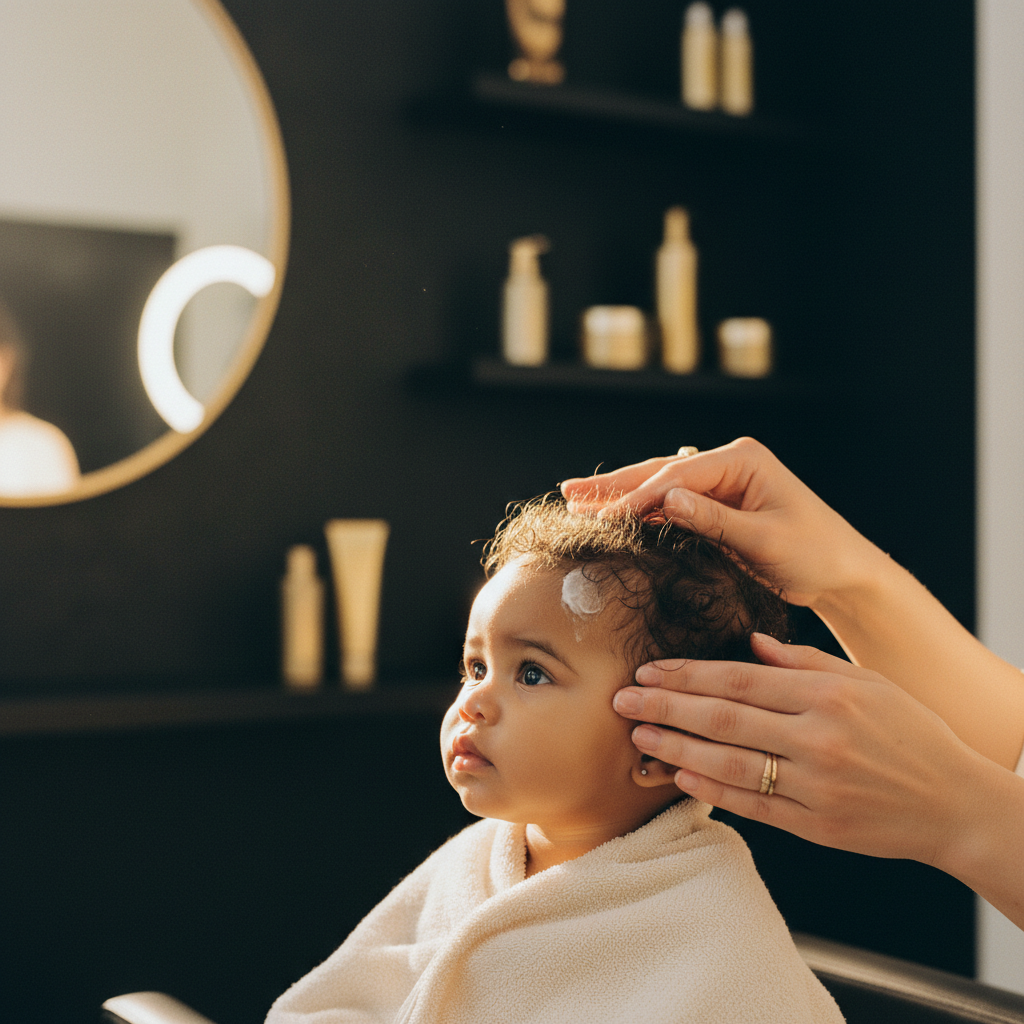
Quick answer: Baby Hair Care involves a gentle, informed approach to your baby's delicate scalp and fine hair, which are distinct from adult hair. It primarily focuses on hygiene, managing common temporary conditions like cradle cap, and protecting against breakage, rather than addressing hair loss, which is typically a natural, temporary process in infants. The main limitation is that most infant hair care is about temporary cosmetic concerns and general well-being, not long-term hair growth or treatment for serious conditions without professional advice.
Key takeaways
- A baby's scalp is more permeable and sensitive than an adult's, requiring very gentle products and care.
- Infant hair is typically finer, softer, and more prone to temporary changes in texture and density.
- Common conditions like cradle cap, baby acne, and initial hair shedding (telogen effluvium) are usually temporary and resolve with gentle home care or no intervention.
- Routine Baby Hair Care should focus on mild cleansing (2 to 3 times a week), gentle drying, and protecting fine hair from friction or tangling.
- Always choose fragrance-free, tear-free, and pH-balanced products specifically formulated for babies.
- Consult a doctor or health visitor if you are concerned about persistent scalp conditions, excessive hair shedding, or any signs of discomfort.
Baby Hair Care: what the evidence shows
Baby Hair Care is fundamentally different from adult hair care due to the unique characteristics of infant hair and scalp. A baby's scalp is considerably more delicate and permeable, meaning it can absorb substances more readily and is more susceptible to irritation than an adult's. The hair itself is often fine, soft, and still undergoing developmental changes, leading to variations in texture, colour, and density during the first few years of life. This developmental stage means that hair can be more vulnerable to physical damage and temporary shedding.
The Developing Hair and Scalp
At birth, a baby's hair follicles are present but immature. The initial hair, often called lanugo (very fine, unpigmented hair that sheds before or shortly after birth) or vellus hair (fine, soft hair that replaces lanugo), is very fine and frequently sheds within the first six months. This is a natural process as the follicles transition to producing terminal hair, which is stronger and more pigmented. This shedding and regrowth cycle can be uneven, sometimes resulting in temporary patches of thinner hair or noticeable 'bald spots', particularly in areas where the baby's head frequently rests, such as on a cot mattress. This shedding is typically a form of telogen effluvium, a temporary phase where many hairs enter the resting phase simultaneously before falling out.
Common Baby Hair Concerns and Their Mechanisms
Several common, usually benign conditions can affect a baby's hair and scalp. Understanding these can help caregivers provide appropriate Baby Hair Care.
Cradle Cap (Infantile Seborrheic Dermatitis)
Cradle cap is a very common, harmless condition characterised by greasy, yellowish or brownish scales on the scalp. It is believed to be linked to the overactivity of sebaceous glands in the scalp, possibly influenced by maternal hormones that remain in the baby's system after birth. These glands produce sebum, an oily substance. An excess of sebum, combined with a yeast called Malassezia, is thought to contribute to the flaky, scaly appearance. It is not usually itchy or painful for the baby.
Baby Acne (Neonatal Cephalic Pustulosis)
Baby acne often presents as small red bumps or pustules on the face and sometimes the scalp. Like cradle cap, it is also linked to residual maternal hormones and typically clears within a few weeks or months without specific intervention. It is not caused by poor hygiene and does not require harsh scrubbing or medicated treatments unless advised by a healthcare professional.
Hair Shedding (Telogen Effluvium)
It is common for infants to experience significant hair shedding in the first six months. This is often telogen effluvium, a temporary condition where a large number of hair follicles prematurely enter the resting (telogen) phase. Hormonal shifts after birth are a key trigger, causing hairs to cease active growth (anagen phase) and enter telogen. Physical friction, such as rubbing the head against bedding or car seats, can also contribute to the mechanical removal of these resting hairs. New, stronger terminal hair typically replaces the shed vellus hair. This is distinct from hair loss caused by underlying medical conditions.
Hair Breakage and Tangling
Fine baby hair can be prone to tangling and breakage, especially if it's longer or if the baby frequently rubs their head. The hair shaft is not as robust as adult hair, and mechanical friction can easily cause the fibre to snap. Using a very soft brush and gentle movements helps prevent this. For more information on preventing breakage, see our article on Hair Damage: Causes, Signs, and Solutions.
What you can do for Baby Hair Care
Effective Baby Hair Care focuses on gentleness, minimal product use, and consistent hygiene.
Cleansing and Conditioning
- Frequency: Most infants do not need daily hair washing. Two to three times a week is generally sufficient, unless there is a specific condition like cradle cap that requires more frequent gentle washing. Excessive washing can strip the scalp's natural oils and lead to dryness or irritation.
- Products: Always use a specially formulated baby shampoo that is "tear-free" and pH-balanced. These products are designed to be mild and non-irritating to the eyes and sensitive scalp. Fragrance-free options are often preferable to minimise potential irritants. A gentle baby conditioner can be used for longer hair to help with detangling and maintain softness, but only if necessary and in very small amounts.
- Technique: Use lukewarm water and apply a tiny amount of shampoo to your hand, lathering it gently before applying to the baby's scalp. Massage very gently with your fingertips. Rinse thoroughly, ensuring no residue is left behind. For babies with cradle cap, a soft-bristled baby brush can help to gently loosen scales during washing.
Drying and Detangling
- Drying: Gently pat the baby's hair dry with a soft towel. Avoid vigorous rubbing, which can cause breakage and friction. Air drying is often best. Avoid using hairdryers on babies, as their scalp is very sensitive to heat.
- Detangling: For longer or curly hair, use a wide-toothed comb or a very soft baby brush. Start from the ends and work your way up to the roots, holding the hair gently to prevent pulling. Detangle hair when it is damp, not soaking wet or completely dry, as this is when it is most flexible and least prone to breakage. For specific advice on curly textures, refer to Caring for Curly Hair or How to Detangle Afro Hair Without Breakage.
Managing Cradle Cap
- Softening scales: Before washing, gently massage a small amount of mild, fragrance-free oil (such as a baby mineral oil, olive oil, or coconut oil) onto the scalp. Let it sit for 10 to 15 minutes to soften the scales.
- Gentle removal: Use a soft-bristled baby brush or a fine-toothed comb to very gently loosen the flakes. Be careful not to scratch the scalp.
- Washing: Wash the hair with a gentle baby shampoo to remove the oil and loosened scales. Repeat daily or as needed until the condition resolves, which is usually within a few weeks.
When the cause may be something else and when to get professional advice
While most infant hair and scalp concerns are benign and temporary, certain signs warrant professional advice from a doctor or health visitor. You should seek advice if:
- The scalp condition (e.g., cradle cap, rash) is widespread, appears infected (redness, swelling, pus), is causing discomfort, or does not improve with gentle home care after a few weeks.
- There is significant or sudden hair loss beyond the expected physiological shedding, especially if accompanied by other symptoms like poor feeding, lethargy, or skin changes elsewhere on the body.
- You notice any persistent lumps, bumps, or lesions on the scalp.
- The baby is scratching or irritating their scalp excessively.
These symptoms could indicate an underlying skin condition, infection, or a less common form of hair loss that requires medical evaluation.
Frequently asked questions about Baby Hair Care
Can I use adult shampoo for my baby?
No, it's strongly recommended to avoid adult shampoos for Baby Hair Care. Adult shampoos often contain stronger detergents and fragrances that can be too harsh for a baby's delicate scalp and can cause irritation or dryness. Baby shampoos are specifically formulated to be milder, tear-free, and pH-balanced to suit infant skin and hair.
How often should I brush my baby's hair?
Brushing your baby's hair once a day with a very soft-bristled baby brush can help stimulate the scalp, distribute natural oils, and prevent tangles, especially for babies with longer hair. Be sure to be extremely gentle to avoid pulling or causing breakage.
Is it normal for babies to lose hair?
Yes, it is very common and normal for babies to lose hair during their first six months. This is typically due to hormonal changes after birth, leading to physiological shedding (telogen effluvium) as the fine vellus hair is replaced by stronger terminal hair. It usually resolves on its own.
What can I do about bald spots on my baby's head?
Bald spots are often due to friction (e.g., from rubbing their head against bedding or car seats) or the natural shedding process as part of Baby Hair Care. To help, try to vary your baby's head position when they are awake and supervised. Ensure they have enough supervised tummy time. The hair usually regrows as they get older and move their head less frequently in one position.
Should I use oil on my baby's hair and scalp?
Yes, a small amount of mild, fragrance-free oil can be beneficial, particularly for managing cradle cap by softening scales before washing. For general scalp care, oils can help moisturise a dry scalp, but use sparingly to avoid making the hair greasy or blocking pores. Always choose oils specifically marketed for babies or natural, mild oils like olive or coconut oil.
A Note from Watermans on Baby Hair Care
While Watermans products are formulated for adults, we understand the importance of gentle and effective Baby Hair Care. We always recommend consulting with your health visitor or GP for specific advice on your baby's hair and scalp health. For adult haircare needs, Watermans offers products designed to support stronger-feeling hair and a healthier-looking scalp using a blend of natural ingredients. Our focus is on maintaining the appearance of healthy hair through effective cleansing and conditioning routines for adults.
Sources and references
- National Health Service (NHS). "Cradle cap". Available from: https://www.nhs.uk/conditions/cradle-cap/ (Accessed 2023).
- American Academy of Dermatology Association (AAD). "Baby acne: What it looks like and how to treat it". Available from: https://www.aad.org/public/diseases/acne/types/baby-acne (Accessed 2023).
- Journal of Clinical and Aesthetic Dermatology. "Hair Disorders in Infants and Children: A Review of Clinical Features, Diagnosis, and Management". Year published varies by specific article, general dermatology journals are reliable sources.
- British Association of Dermatologists (BAD). Patient information leaflets on seborrheic dermatitis and common skin conditions in infants. (Accessed 2023).
- PubMed. Search terms: "infant hair development", "neonatal hair loss", "cradle cap management". Peer-reviewed studies on infant dermatology. (Accessed 2023).