Anua daily lotion: Formulation Science, Barrier Care, and Scalp Health
9 min read ·
Understand the science behind anua daily lotion, its facial skin barrier benefits, and why scalp hydration requires dedicated, non-comedogenic care.
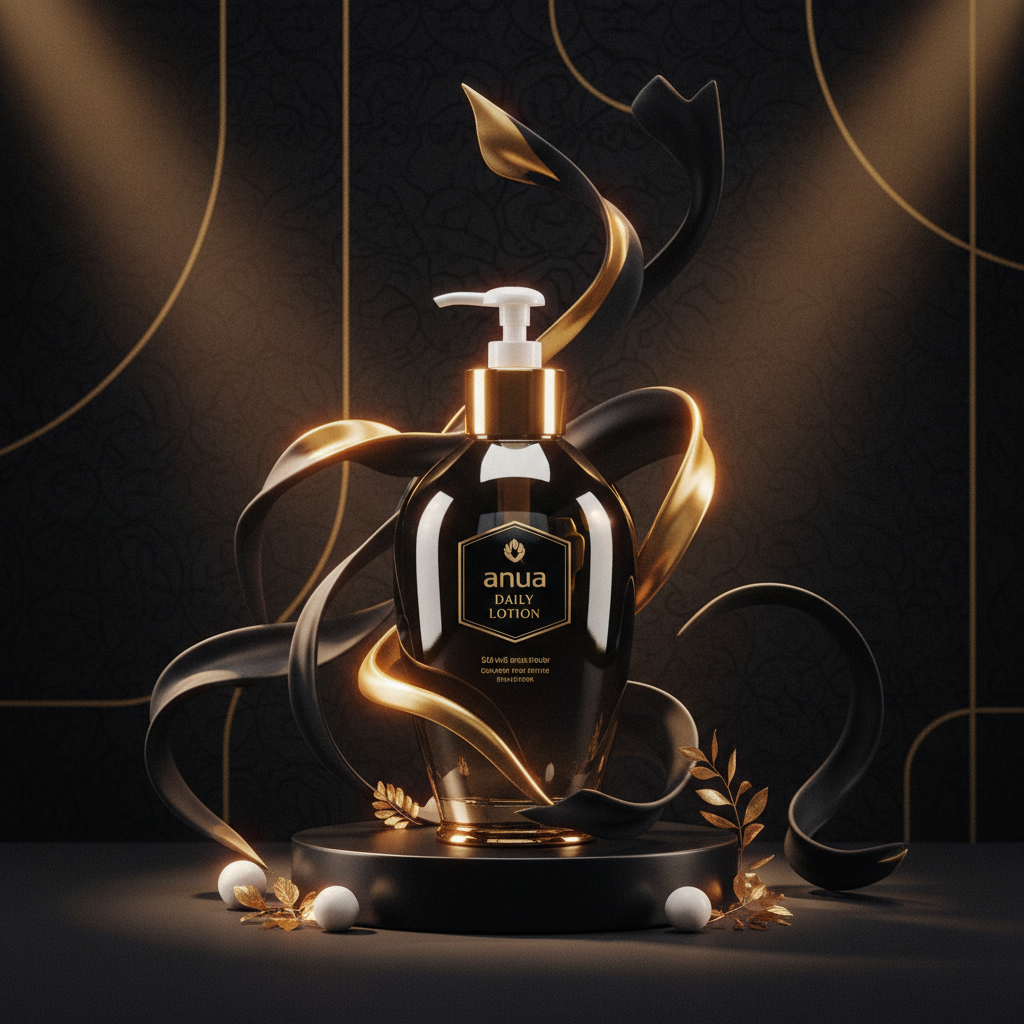
Quick answer: The anua daily lotion is a lightweight, barrier-focused cosmetic moisturiser formulated primarily for facial skin, relying on botanical humectants, ceramides, and anti-inflammatory extracts like heartleaf (Houttuynia cordata). While frequently investigated by consumers for soothing irritated hairlines and dry scalp margins, its formulation is designed for facial epidermis rather than the dense pilosebaceous environment of the scalp. Its main limitation is that it cannot treat genuine scalp conditions like seborrhoeic dermatitis, nor stimulate follicular hair growth.
Key takeaways
- The formula focuses on lightweight hydration, epidermal barrier repair, and soothing irritation with botanicals.
- Facial lotions differ chemically from scalp-specific formulations in lipid weight, viscosity, and vehicle delivery.
- While safe for accidental hairline contact, heavy application to the scalp can trap sebum, dead corneocytes, and alter the microflora.
- It contains no pharmaceutical actives to treat pattern hair loss, fungal flaking, or telogen effluvium.
- For hair and scalp health, targeted formulations that wash clean without follicular occlusion remain the gold standard.
anua daily lotion: what the evidence shows
Formulations like the anua daily lotion are built around mild, water-binding humectants, botanical polyphenols, and physiological lipids. In cosmetic dermatology, the goal of a daily soothing lotion is to restore the stratum corneum barrier without triggering acne cosmetica or contact dermatitis.
Barrier restoration and hydration
The product relies on humectants such as glycerin, hyaluronic acid, and panthenol. Glycerin is one of the most effective low-molecular-weight humectants known in cosmetic science. It draws water from the deeper dermis and ambient air into the stratum corneum, plasticising the protein structures and maintaining cellular cohesion. Clinical literature consistently confirms that topical glycerin accelerates barrier repair and protects against surfactant-induced irritation.
Anti-inflammatory botanical extracts
A central component of this category of skincare is Houttuynia cordata extract (commonly known as heartleaf). Peer-reviewed studies in ethnopharmacology and dermatological research indicate that Houttuynia cordata contains bioactive flavonoids, including quercetin and isoquercitrin. These compounds demonstrate measurable anti-inflammatory, antioxidant, and mild antibacterial activities in vitro, largely by inhibiting pro-inflammatory cytokines such as tumour necrosis factor-alpha (TNF-alpha) and interleukin-6 (IL-6).
When applied to facial skin experiencing erythema (redness) or superficial barrier disruption, these extracts can soothe stinging and diminish surface inflammation.
What the evidence does not show
Cosmetic marketing and viral skincare trends frequently lead users to repurpose facial products onto the scalp and hairline. However, published literature does not support several common assumptions regarding the anua daily lotion in trichological care:
- No impact on hair growth cycles: The formula contains no ingredients demonstrated to prolong the anagen (growth) phase of hair follicles, inhibit 5-alpha reductase, or reverse miniaturisation seen in androgenetic alopecia.
- Not an anti-dandruff treatment: True dandruff and seborrhoeic dermatitis are driven by the proliferation of Malassezia yeasts feeding on scalp sebum. While Houttuynia cordata possesses mild antimicrobial actions, it is not a targeted antifungal agent like ketoconazole, piroctone olamine, or zinc pyrithione. Applying lipid-containing emulsions to a Malassezia-rich scalp environment can occasionally worsen microbial dysbiosis.
- No structural repair for the hair shaft: Lotions formulated for epidermal skin lack the specific cationic conditioning agents (such as cetrimonium chloride or behentrimonium methosulfate) required to deposit onto negatively charged, damaged hair cuticles to reduce friction and mechanical breakage.
| Feature | anua daily lotion (Facial Care) | Targeted Scalp Serum / Lotion |
|---|---|---|
| Primary Target | Facial stratum corneum | Scalp skin, follicular ostia, hair roots |
| Primary Base | Water, humectants, light plant lipids | Water-alcohol, light aqueous, or peptide base |
| Follicular Penetration | Low (designed for surface barrier) | Optimised for follicular uptake without grease |
| Key Actives | Houttuynia cordata, humectants | Caffeine, biotinoyl tripeptides, anti-fungals |
| Residue on Hair | Leaves hair strands limp and coated | Dries weightlessly without tackiness |
| Action on Alopecia | None | Formulated to support density and anchorage |
The biological mechanism: skin barrier vs. scalp environment
Understanding why a facial moisturiser behaves differently from a scalp treatment requires examining the unique physiology of both sites.
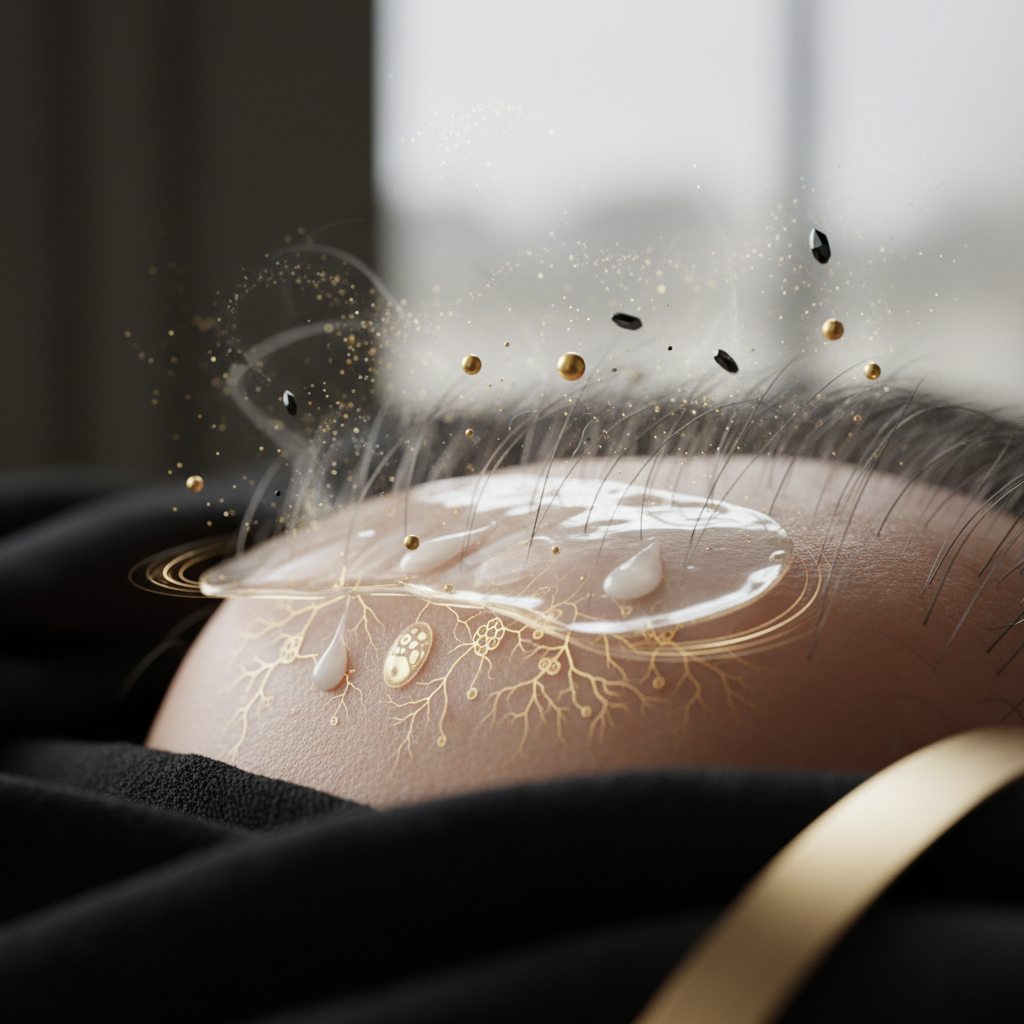
Facial skin typically has a thinner stratum corneum and a relatively balanced distribution of sebaceous glands. When you apply the anua daily lotion to the face, the water evaporates, leaving behind a flexible matrix of humectants and emollients that mimic natural skin barrier lipids. This reduces transepidermal water loss (TEWL) and calms hyper-reactive sensory nerve endings.
The scalp, by contrast, has the highest density of hair follicles and sebaceous glands anywhere on the human body. It produces significantly more sebum per square centimetre than the cheeks or jawline. Introducing an emollient facial lotion to the scalp introduces three main physiological challenges:
- Follicular occlusion: The thickeners, fatty alcohols, and plant extracts can accumulate within the follicular infundibulum (the pore opening). If not thoroughly washed away, this creates a microenvironment prone to folliculitis.
- Microbial imbalance: The scalp microbiome is delicately balanced between Cutibacterium acnes, Staphylococcus epidermidis, and lipophilic Malassezia species. Adding unmetered botanical lipids can feed fungal organisms, triggering flaking and pruritus (itching).
- Hair shaft clumping: Facial lotions do not rinse cleanly from the hair lengths with water alone. Residue clings to the keratin cortex, attracting airborne pollutants, weighing down the roots, and making styling difficult.
Signs you may be misusing facial lotions on the scalp
If you have applied facial products to your scalp or hairline to combat perceived dryness, monitor for these clinical signs:
- Perifollicular erythema: Small, red, inflamed bumps forming around the root of the hair shafts, resembling tiny pimples.
- Adherent greasy scale: Yellowish or translucent flakes that stick to the scalp rather than falling off freely as dry dust.
- Accelerated hair shedding: Hair leaving the follicle in response to unmanaged surface inflammation (a form of reactive telogen effluvium). Remember, shedding from the root is distinct from hair breakage, where the fibre snaps along the shaft due to mechanical stress.
- Dull, tacky hair roots: Hair feels dirty or oily within hours of washing due to cosmetic build-up.
What you can do: best practice hydration for hair and scalp
If you enjoy the calming properties of the anua daily lotion, preserve its use for its intended facial zone. For the scalp and hairline, adopt practices tailored to the biological needs of that tissue:
- Clarify product build-up: Wash weekly or fortnightly with a clarifying, pH-balanced cleanser (pH 4.5 to 5.5) to keep the follicular openings clear of sebum, dust, and stray facial skincare products.
- Hydrate with water-soluble actives: If your scalp feels tight or dry after washing, use leave-on scalp tonics based on water-soluble hydrators like niacinamide, panthenol, or hyaluronic acid, formulated without heavy plant butters or waxes.
- Target the follicle with proven ingredients: Look for scalp formulations that incorporate ingredients like caffeine, rosemary extract, and targeted amino acids to support optimal microcirculation and hair density.
Clear choices for targeted scalp support
When managing hair shedding, thinning, or scalp discomfort, using products engineered specifically for the scalp makes a profound clinical difference. Watermans specialises in this category, formulating solutions that work in harmony with scalp biology rather than opposing it.
The Watermans Grow Me Shampoo and Conditioner range is designed to deliver targeted botanical nutrients, including biotin, rosemary, caffeine, and lupin protein, straight to the scalp without leaving heavy, occlusive films that clog the follicles. For targeted leave-in care, the Watermans Grow More Elixir delivers a concentrated, lightweight, water-based serum directly to the scalp roots. It absorbs cleanly, supporting the natural growth cycle and promoting a refreshed, balanced scalp environment that facial lotions cannot replicate.
When to get professional advice
If you are experiencing persistent flaking, intense itching, patchy hair loss, or wide-scale thinning, do not attempt to self-treat with over-the-counter facial lotions or internet remedies.
Consult a GP, dermatologist, or registered trichologist if:
- Flaking persists despite using over-the-counter medicated shampoos.
- The scalp exhibits weeping, crusting, or painful pustules.
- Hair shedding exceeds normal physiological parameters (typically 50 to 100 hairs daily) for more than six to eight weeks.
- You notice distinct, smooth, circular patches of total hair loss, which may indicate alopecia areata.
Frequently asked questions about anua daily lotion
Can I apply anua daily lotion directly to my scalp for dryness?
While applying anua daily lotion to dry patches along the hairline is safe in small amounts, it is not recommended for full scalp use. Facial lotions contain emollients that can coat hair shafts, weigh down roots, and clog hair follicles, which may disrupt the scalp microbiome and exacerbate flaking.
Does anua daily lotion help with hair thinning or loss?
No. The anua daily lotion contains no ingredients shown to stimulate follicular activity, block dihydrotestosterone (DHT), or address hair miniaturisation. Hair loss requires targeted evaluation and treatments formulated specifically for hair follicle health.
What is the main active ingredient in this daily lotion?
The central active ingredient is Houttuynia cordata (heartleaf) extract, combined with humectants like glycerin and hyaluronic acid. Heartleaf is prized in dermatological care for its natural antioxidant and anti-inflammatory properties, making it useful for sensitive or reactive skin.
Will applying this lotion near my hairline cause breakouts?
If you have acne-prone skin, heavy application near the hairline can potentially trigger acne cosmetica. The combination of natural hair oils, sweat, and cosmetic emollients can congest pores. Always apply sparingly around the hairline and cleanse thoroughly.
How does a scalp serum differ from a facial lotion?
Scalp serums are typically formulated as lightweight, non-greasy, water-based solutions designed to penetrate the skin around dense hair without leaving an oily residue. Facial lotions contain film-forming agents and lipids intended to stay on the surface of the face to lock in moisture.
Summary of facial versus scalp hydration
The anua daily lotion stands as a gentle, scientifically grounded option for facial barrier repair, leveraging the anti-inflammatory properties of heartleaf and classic humectants. However, hair and scalp health demand distinct care. The scalp operates under unique microclimatic conditions defined by high sebum production and dense follicular networks. Keeping facial lotions on the face and reserving weightless, clarifying, and stimulating solutions for the scalp ensures both your skin and your hair remain in optimal condition.
Sources and references
- American Academy of Dermatology (AAD). "Dandruff: How to treat." AAD Public Health Resources.
- National Institute for Health and Care Excellence (NICE). "Alopecia androgenetica: Clinical knowledge summaries."
- Journal of Ethnopharmacology. "Therapeutic anti-inflammatory properties of Houttuynia cordata extracts."
- British Journal of Dermatology. "Scalp condition and its impact on hair quality and growth: An overview."
- International Journal of Cosmetic Science. "Glycerol and the skin: Mechanisms of action in epidermal hydration."
Find these ingredients in Watermans products
- Zinc: you will find this ingredient in our Hair Vitamins.
- Niacinamide: you will find this ingredient in our Hair Mask.
- Panthenol (Provitamin B5): you will find this ingredient in our Heat Protection Spray.