Alopecia: Understanding Hair Loss
6 min read ·
Alopecia is the medical term for hair loss, a condition that can manifest in various forms, affecting both men and women.
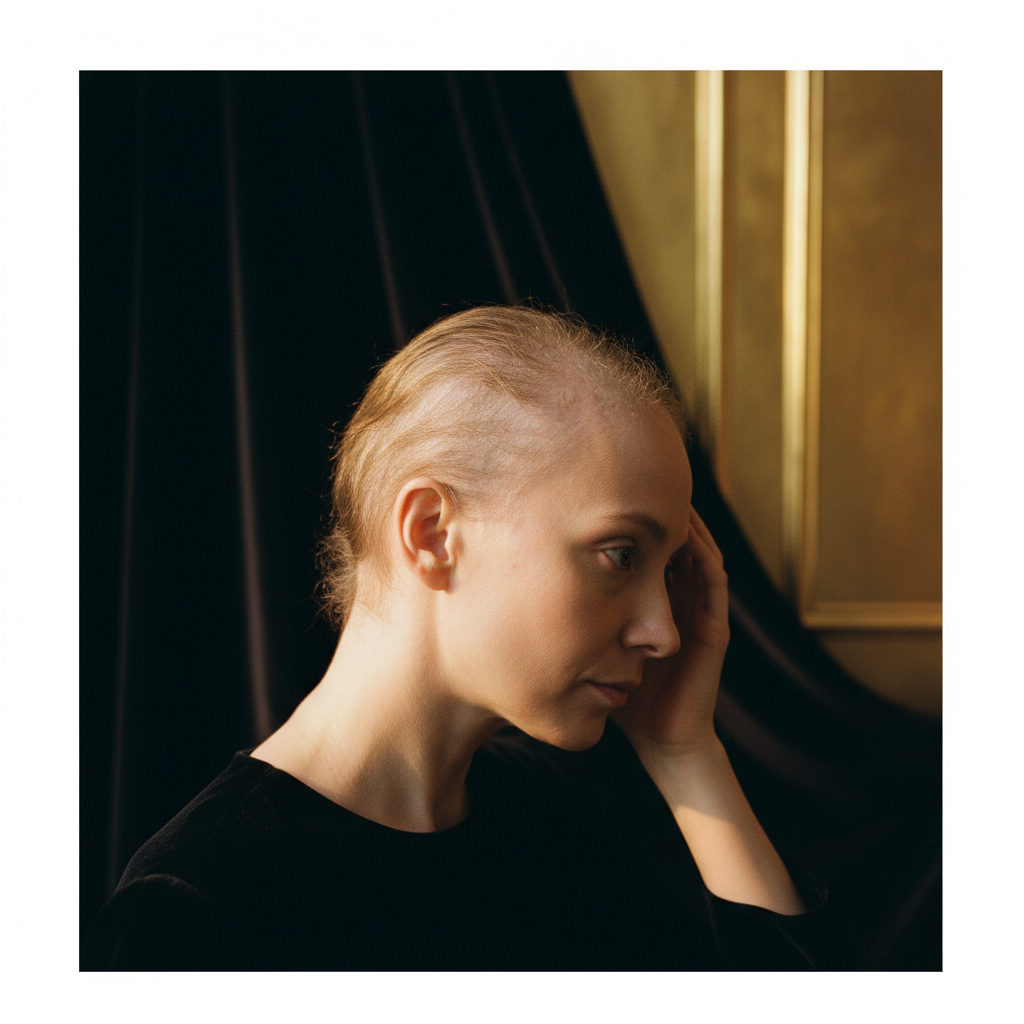
What is Alopecia?
Alopecia is the medical term for hair loss. It can affect the scalp, or the entire body, and can be temporary or permanent. While it is often associated with aging, alopecia can occur at any age and stem from a wide range of factors, including genetics, hormonal changes, medical conditions, medications, stress, and nutritional deficiencies. Understanding the specific type of alopecia is crucial for determining the most effective management approach.
Types of Alopecia
Alopecia can be broadly categorized into non-scarring and scarring types. Non-scarring alopecias are more common and often reversible, as the hair follicles remain intact. Scarring alopecias, conversely, involve damage or destruction of the hair follicles, leading to permanent hair loss in the affected areas.
Non-Scarring Alopecia
-
Androgenetic Alopecia (Pattern Hair Loss): This is the most common form of hair loss, affecting both men (male pattern baldness) and women (female pattern hair loss). It is genetically predisposed and linked to androgens, male hormones present in both sexes. In men, it typically presents as a receding hairline and thinning at the crown. In women, it often appears as diffuse thinning over the top of the scalp, with the frontal hairline usually preserved.
-
Alopecia Areata: An autoimmune condition where the immune system mistakenly attacks hair follicles, leading to sudden, patchy hair loss on the scalp or other areas of the body. It can range from small, discrete patches (alopecia areata monoocularis) to complete loss of all scalp hair (alopecia totalis) or even loss of all body hair (alopecia universalis). The hair follicles are not permanently destroyed, so regrowth is possible.
-
Telogen Effluvium: This form of temporary hair shedding occurs when a significant number of hairs prematurely enter the telogen (resting) phase of the hair growth cycle. It usually happens a few months after a stressful event, such as childbirth, severe illness, surgery, significant weight loss, or extreme emotional stress. The hair loss is typically diffuse, and hair usually regrows once the underlying cause is addressed.
-
Traction Alopecia: Caused by prolonged or repetitive tension on hair follicles from tight hairstyles like braids, ponytails, or dreadlocks. The continuous pulling can damage the follicles, leading to thinning and hair loss, often around the hairline and temples. Early intervention can prevent permanent damage.
-
Trichotillomania: A psychiatric disorder characterized by an irresistible urge to pull out one's own hair, leading to noticeable hair loss. This can result in patchy areas of varying hair lengths, and sometimes scalp irritation or infection.
-
Drug-Induced Hair Loss: Certain medications, such as chemotherapy drugs, anticoagulants, antidepressants, and some high blood pressure medications, can cause hair loss as a side effect. The hair loss is often reversible once the medication is stopped or adjusted.
Scarring Alopecia (Cicatricial Alopecia)
Scarring alopecias are a group of inflammatory conditions that destroy the hair follicle, replacing it with scar tissue, leading to permanent hair loss. These conditions are less common but require prompt diagnosis and management to prevent further progression.
-
Lichen Planopilaris: An inflammatory condition that affects hair follicles, causing redness, scaling, and itching on the scalp, ultimately leading to permanent hair loss in patches.
-
Frontal Fibrosing Alopecia: A variant of lichen planopilaris primarily affecting post-menopausal women, characterized by a receding hairline and loss of eyebrows.
-
Discoid Lupus Erythematosus: A chronic autoimmune disease that can affect the skin, leading to inflamed, scaly patches on the scalp that can result in scarring hair loss.
Causes and Risk Factors
The causes of hair loss are diverse and often multifactorial. Key contributing factors include:
- Genetics: A strong predisposition to androgenetic alopecia is inherited.
- Hormonal Changes: Fluctuations in hormones due to pregnancy, childbirth, menopause, or thyroid disorders can trigger hair loss.
- Medical Conditions: Autoimmune diseases (e.g., lupus, alopecia areata), scalp infections (e.g., fungal infections), and severe illnesses can cause hair loss.
- Medications: As mentioned, certain drugs have hair loss as a side effect.
- Stress: Both physical and emotional stress can lead to telogen effluvium.
- Nutritional Deficiencies: Lack of essential nutrients like iron, zinc, biotin, and vitamins D and B can impact hair health and growth.
- Hairstyling Practices: Excessive heat styling, chemical treatments, and tight hairstyles can damage hair and follicles.
- Age: Hair growth naturally slows with age, and hair strands become finer.
Diagnosis
Diagnosing the type of alopecia typically involves a combination of:
- Physical Examination: A thorough examination of the scalp and hair by a healthcare professional, looking for patterns of hair loss, scalp inflammation, or other abnormalities.
- Medical History: Discussing family history of hair loss, recent illnesses, medications, diet, and styling practices.
- Hair Pull Test: Gently pulling on a small section of hair to see how many strands come out, which can indicate active hair shedding.
- Trichoscopy: A non-invasive technique using a dermatoscope to examine the scalp and hair follicles at high magnification.
- Scalp Biopsy: In some cases, a small sample of scalp tissue may be taken and examined under a microscope to identify the underlying cause, especially for scarring alopecias.
- Blood Tests: To check for underlying medical conditions such as thyroid issues, iron deficiency, or autoimmune markers.
Management and Outlook
The management of alopecia depends entirely on its underlying cause and type. For many forms of non-scarring alopecia, particularly those triggered by stress or temporary conditions, hair regrowth often occurs naturally once the cause is resolved or managed. For others, interventions may be necessary to stimulate regrowth, slow progression, or camouflage the loss.
While Watermans is primarily known for hair growth shampoos, it's important to understand that no single solution works for all types of alopecia. For instance, in cases of scarring alopecia, the focus shifts to stopping inflammation and preventing further follicle destruction. For telogen effluvium, addressing the underlying stressor is key. For androgenetic alopecia, topical treatments such as hair growth shampoos that contain ingredients aimed at strengthening existing hair and promoting a healthy scalp environment can be beneficial. It is essential to consult with a healthcare professional or a dermatologist to receive an accurate diagnosis and discuss the most appropriate management plan for your specific situation. They can provide personalized advice and treatment options.
| Type of Alopecia | Typical Hair Loss Pattern | Reversible? | Common Causes |
|---|---|---|---|
| Androgenetic Alopecia | Receding hairline, crown thinning (men); diffuse thinning (women) | Often progressive, can be managed | Genetics, androgens |
| Alopecia Areata | Smooth, round patches | Yes, often spontaneous regrowth | Autoimmune disease |
| Telogen Effluvium | Diffuse shedding | Yes, usually within 6-12 months | Stress, illness, medications, hormonal changes |
| Traction Alopecia | Thinning at hairline, temples | Yes, if caught early | Tight hairstyles, excessive pulling |
| Scarring Alopecias | Permanent patches, often with inflammation | No, permanent follicle destruction | Inflammatory conditions (e.g., lichen planopilaris, lupus) |
Remember, early diagnosis and a tailored approach are crucial for managing alopecia effectively and maintaining scalp and hair health. Maintaining a healthy lifestyle, including a balanced diet and stress management, can also play a supportive role in overall hair wellness.
Find these ingredients in Watermans products
- Biotin, you will find this ingredient in our Hair Growth Shampoo.
- Zinc, you will find this ingredient in our Hair Vitamins.