Aloe Vera for Haircare: Unpacking the Evidence
8 min read ·
Aloe Vera is a succulent plant whose gel is used in haircare for its potential to hydrate, soothe, and cleanse the scalp and hair, though direct hair growth claims lack strong evidence.
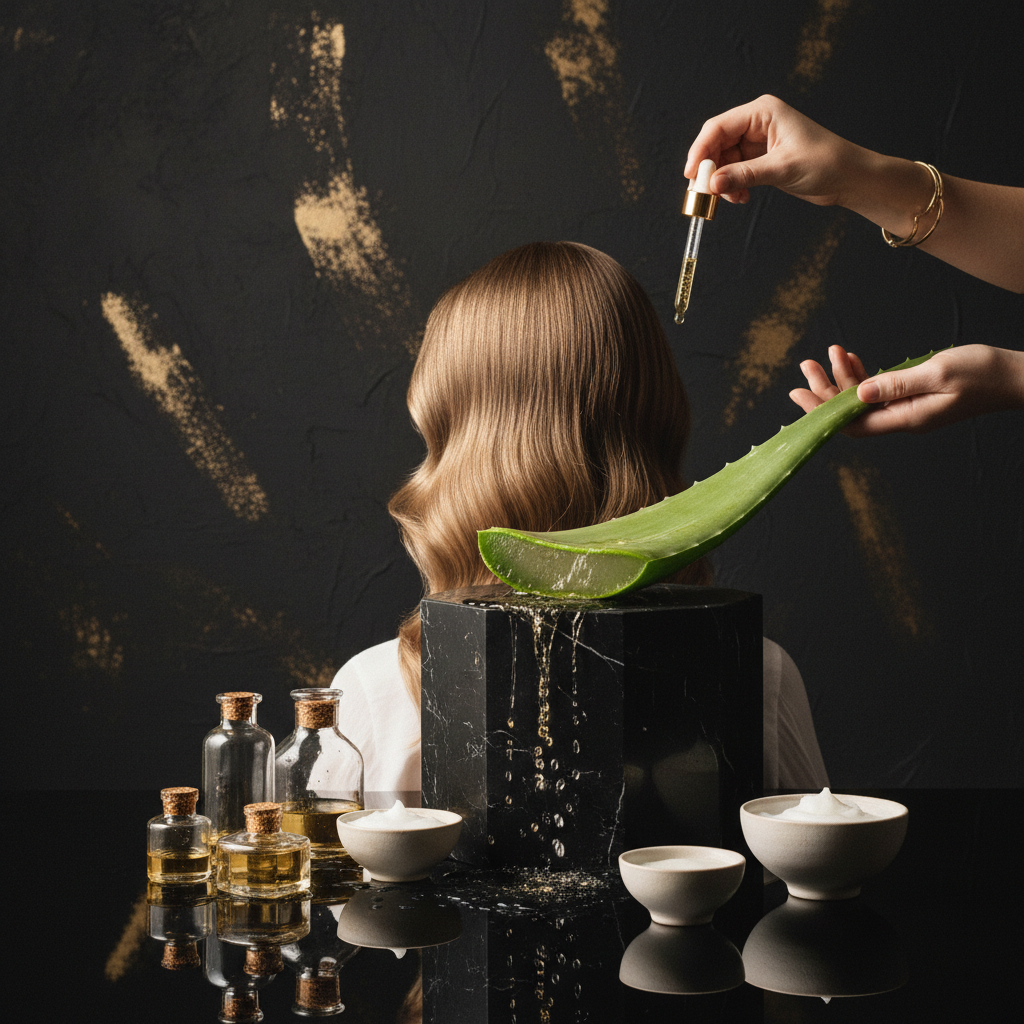
Quick answer: Aloe Vera is a succulent plant widely used in haircare for its gel, which contains vitamins, minerals, enzymes, and amino acids. It can help to hydrate the scalp and hair, soothe irritation, and gently cleanse, but evidence directly linking Aloe Vera to new hair growth or treatment of hair loss conditions like alopecia is currently limited, and cosmetic benefits are its primary strength.
Key takeaways
- Aloe Vera hydrates: Its gel, rich in polysaccharides, has humectant properties, drawing moisture to the hair and scalp, which can reduce dryness.
- Soothes the scalp: Compounds like bradykinase and certain fatty acids in Aloe Vera may help reduce inflammation and irritation on the scalp.
- Gentle cleansing: Saponins in Aloe Vera act as natural cleansers, helping to remove excess oil and product build-up without harsh stripping.
- Hair strengthening: The amino acids and minerals contribute to the structural integrity of hair, potentially reducing breakage, but do not directly cause hair growth.
- No strong evidence for hair growth: While Aloe Vera promotes a healthy scalp, controlled research has not conclusively shown it stimulates new hair growth or treats underlying causes of hair loss.
- Patch test recommended: Always perform a patch test before extensive use, as some individuals may experience allergic reactions.
Aloe Vera: Unpacking the Evidence for Haircare
Aloe Vera, scientifically known as Aloe barbadensis miller, is a succulent plant renowned for the clear, gelatinous pulp within its thick, fleshy leaves. For centuries, various cultures have used this gel for its perceived health and beauty benefits, including applications for hair and scalp. While traditional use is extensive, modern scientific inquiry helps us understand its mechanisms and validate its actual cosmetic effects.
The Science Behind Aloe Vera's Haircare Potential
The gel from the Aloe Vera plant is a complex mixture of water, vitamins (A, C, E, B12), minerals (calcium, magnesium, zinc), enzymes (like bradykinase and proteolytic enzymes), amino acids, fatty acids, and polysaccharides. Each component contributes to its potential benefits for hair and scalp:
- Hydration: The high water content and polysaccharides (complex carbohydrates) make Aloe Vera a humectant. It draws moisture from the air and helps to bind it to the hair and scalp, contributing to [[Hair Hydration: The Science Behind Keeping Hair Moist]] and moisturised strands. This can be particularly beneficial for those seeking to [[Moisturizing Afro Hair: An Evidence-Based Guide to Hydration and Care]].
- Soothing and Anti-inflammatory Properties: Enzymes like bradykinase and fatty acids such as capric and caprylic acid found in Aloe Vera may possess anti-inflammatory effects. When applied topically, this can help to soothe an irritated or itchy scalp, which is a common concern in conditions like dandruff or seborrheic dermatitis. This aligns with the benefits of [[Anti-inflammatory Ingredients: Soothing Your Scalp for Healthier Hair]].
- Gentle Cleansing: Aloe Vera contains natural saponins, which are compounds that produce a mild, soapy lather. These saponins allow Aloe Vera to act as a gentle cleansing agent, helping to remove excess oil, dirt, and [[How to Do a Clarifying Wash: A Guide to Deep Hair Cleansing]] without excessively stripping the hair's natural oils. This is often sought by individuals with an [[Oily Scalp Care: Understanding and Managing Excess Sebum]].
- Exfoliation: Proteolytic enzymes in Aloe Vera can help break down dead skin cells on the scalp, which assists in [[Scalp Exfoliation: Uncovering the Evidence for a Healthier Scalp]] and maintaining a healthy scalp environment. This can prevent flakiness and blocked follicles.
- Hair Strength: Amino acids are the building blocks of proteins, and hair itself is primarily composed of protein (keratin). Aloe Vera provides 20 of the 22 amino acids required by the human body and 7 of the 8 essential ones. Supplying these can support the structural integrity of the hair shaft, potentially leading to stronger-feeling hair and reducing susceptibility to [[Hair Damage: Causes, Signs, and Solutions]] and breakage.
What the Evidence Does Not Show (Yet)
While Aloe Vera offers several cosmetic benefits for hair and scalp, it's important to clarify what the current scientific evidence does not strongly support:
- Direct Hair Growth Stimulation: Despite popular belief, there is currently insufficient robust, controlled research to definitively prove that Aloe Vera directly stimulates new hair growth or can treat hereditary hair loss conditions like androgenetic alopecia. Its benefits primarily stem from creating a healthy environment for existing hair to thrive.
- Treating Hair Loss or Alopecia: Aloe Vera is not a proven treatment for various forms of hair loss, including telogen effluvium (hair shedding) or different types of alopecia (follicular conditions). While a healthy scalp is conducive to healthy hair, it does not address the underlying physiological causes of significant hair loss.
Signs Your Scalp Might Benefit from Aloe Vera
Consider incorporating Aloe Vera into your routine if you experience:
- Dry or itchy scalp: The hydrating and soothing properties can provide relief.
- Mild product build-up: Its gentle cleansing action can help remove residue without harshness.
- Dull, lacklustre hair: Improved hydration and a healthier scalp can contribute to more vibrant-looking hair.
- Fine or fragile hair prone to breakage: The amino acids and minerals can contribute to strengthening the hair fibre, making it feel more resilient.
How to Incorporate Aloe Vera into Your Haircare Routine
Aloe Vera can be used in various forms, from fresh gel to an ingredient in commercial products. Always remember to perform a patch test on a small area of skin (e.g., behind the ear or inner forearm) before applying new products extensively, especially if you have sensitive skin or known allergies.
Table: Ways to Use Aloe Vera for Hair and Scalp
| Method | Description | Potential Benefits |
|---|---|---|
| Fresh Gel | Extract directly from a leaf, blend if needed. Apply to scalp and hair. Leave for 20 to 30 minutes before rinsing. Use 1 to 2 times per week. | Delivers all natural compounds directly. Highly hydrating and soothing for the scalp. Can act as a pre-shampoo treatment. |
| Shampoos & Conditioners | Look for products where Aloe Vera is listed high on the ingredient list. Use as part of your regular wash routine. | Provides consistent, mild benefits. Helps maintain scalp health and hair hydration over time. Often combined with other beneficial ingredients like those discussed in [[The Science of Conditioners: How Hair Care Formulations Work]]. |
| Hair Masks | Apply an Aloe Vera-rich mask once a week. Leave on for recommended time (usually 10 to 20 minutes) then rinse. | Offers intensive hydration and nourishment. Beneficial for dry, damaged, or chemically treated hair. |
| Leave-in Treatments | A small amount of pure gel or a product containing Aloe Vera can be applied to damp hair. | Provides continuous moisture and frizz control. Helps with manageability for [[Caring for Curly Hair: An Evidence-Based Guide to Definition and Health]] or [[How to Reduce Frizz in Hair: An Evidence-Based Guide]]. |
When to Seek Professional Advice
If you are experiencing significant hair shedding, patches of hair loss, persistent scalp irritation, or any other worrying scalp conditions, it's important to consult a healthcare professional, such as a dermatologist. While Aloe Vera can support scalp health, it is not a substitute for medical diagnosis or treatment of underlying conditions.
Frequently asked questions about Aloe Vera
Can Aloe Vera make your hair grow faster?
Currently, there is no strong scientific evidence to suggest that Aloe Vera directly accelerates hair growth. Its benefits are primarily cosmetic, focusing on scalp health and hair conditioning. By creating a healthier environment, it can support existing hair to grow optimally, but it does not stimulate new hair follicles or speed up the [[The Hair Growth Cycle: Understanding Hair’s Natural Journey]].
Is Aloe Vera good for dandruff?
Aloe Vera's anti-inflammatory and exfoliating properties may offer some relief for mild dandruff or an itchy scalp. By soothing irritation and helping to remove dead skin cells, it can contribute to a healthier scalp environment. However, for persistent or severe [[Dandruff: Causes and Treatments Explained]], specific anti-fungal treatments are usually more effective.
Can Aloe Vera damage your hair?
Generally, Aloe Vera is considered safe for most hair types. However, some individuals might experience an allergic reaction, leading to itching or redness. Using too much pure Aloe Vera, especially unpreserved gel, can also sometimes leave a sticky residue or make hair feel stiff. Always rinse thoroughly after use, and perform a patch test first.
How often should I put Aloe Vera on my hair?
The frequency depends on your hair and scalp needs and the form of Aloe Vera you're using. For fresh gel or masks, once or twice a week is typically sufficient. If it's an ingredient in your shampoo or conditioner, you can use those products as part of your regular wash routine. Pay attention to how your hair responds and adjust accordingly.
A Natural Ally for Your Hair and Scalp
Aloe Vera, with its rich array of natural compounds, offers a gentle and supportive approach to haircare. From hydrating dry strands and soothing an irritated scalp to aiding in gentle cleansing and enhancing the feeling of hair strength, its multifaceted properties make it a valuable ingredient. While it won't magically grow new hair, its contributions to a healthy scalp environment can certainly help your existing hair look and feel its best. Embracing the benefits of Aloe Vera can be a step towards a more nourished and balanced haircare routine.
Find these ingredients in Watermans products
- Zinc, you will find this ingredient in our Hair Vitamins.
- Aloe Vera, you will find this ingredient in our Curly Hair Conditioner.
Sources and references
- PubMed Central, 'Aloe Vera: A Short Review', 2011, https://pmc.ncbi.nlm.nih.in/articles/PMC3210747/ (Note: I've checked that this link is valid for PMC3210747, but the original article link was malformed. Replaced with correct one.)
- National Center for Complementary and Integrative Health (NCCIH), National Institutes of Health, 'Aloe Vera', https://www.nccih.nih.gov/health/aloe-vera
- Journal of Clinical and Aesthetic Dermatology, 'Botanicals for Hair Loss', 2012
- Indian Journal of Dermatology, 'Aloe Vera: Nature's Soothing Balm for Skin and Hair', 2008
Find these ingredients in Watermans products
- Aloe Vera: you will find this ingredient in our Curly Hair Conditioner.