Allergic Reaction to Hair Dye: Evidence, Symptoms, and Treatment
9 min read ·
An Allergic Reaction to Hair Dye can cause severe scalp itching, facial swelling, and weeping sores. Learn the evidence-backed causes, treatments, and safe alternatives.
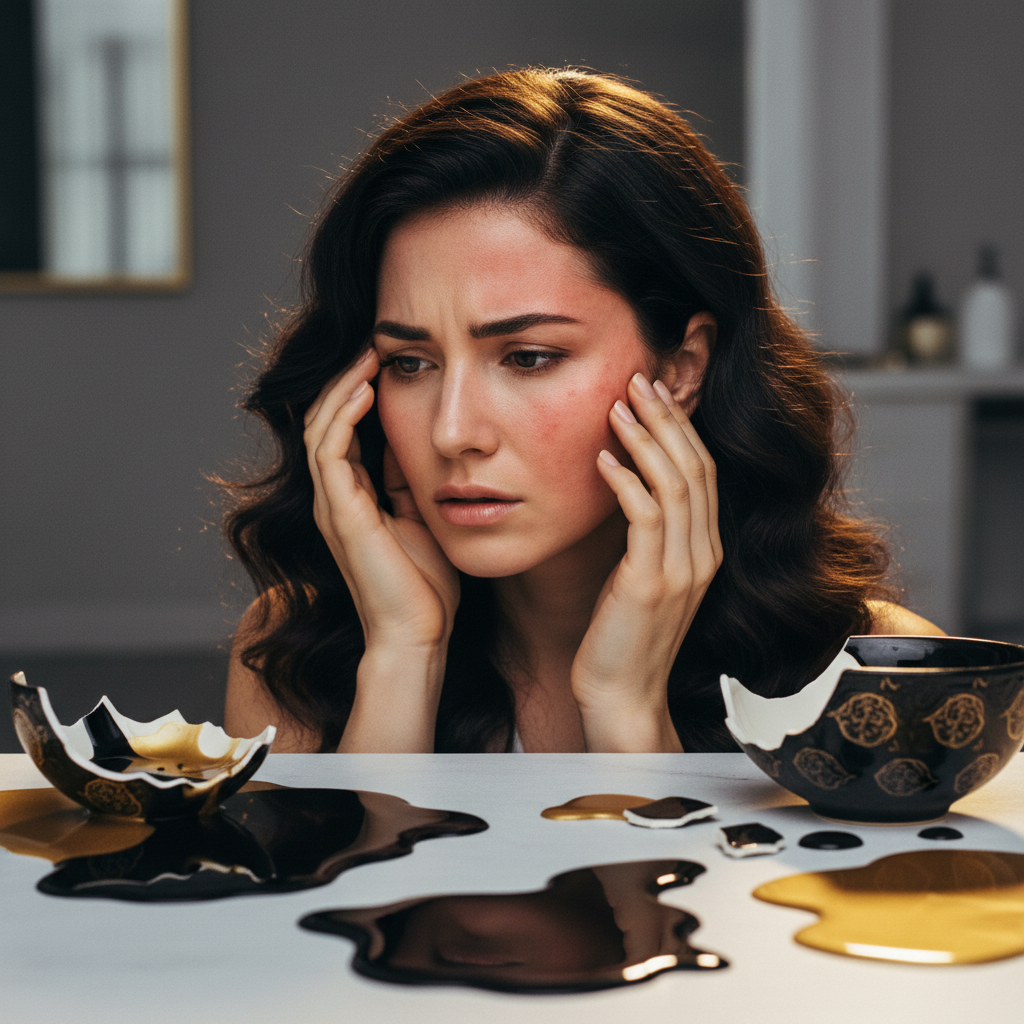
Quick answer: An Allergic Reaction to Hair Dye is an immune-mediated response, most commonly triggered by paraphenylenediamine (PPD) or related aromatic amines found in permanent and semi-permanent colourants. Symptoms range from mild scalp stinging, redness, and itching to severe swelling of the eyelids, blistering, and rarely, systemic anaphylaxis. While immediate washing and topical treatments can soothe mild contact dermatitis, true sensitisation is permanent. Once your immune system develops an allergy to a hair dye chemical, you cannot safely use that formulation again.
Key takeaways
- Most hair dye allergies are caused by paraphenylenediamine (PPD) and toluene-2,5-diamine sulphate (PTD), which are used in permanent darker dyes to bind colour inside the hair shaft.
- The reaction is typically a delayed Type IV cell-mediated contact dermatitis, meaning symptoms often peak 48 hours after application rather than immediately.
- Symptoms span from local scalp itching, burning, and flaking to severe facial swelling, weeping blisters, and in rare cases, life-threatening anaphylaxis.
- An allergic reaction is distinct from irritant contact dermatitis, which is a non-immune skin barrier breakdown often caused by ammonia or hydrogen peroxide.
- Performing an allergy alert patch test 48 hours before every single colour application remains the single most reliable way to screen for emerging sensitisation.
- Once sensitised to PPD, cross-reactions to other dyes, black henna tattoos, and certain textile dyes are common and lifelong.
Allergic Reaction to Hair Dye: what the evidence shows
An Allergic Reaction to Hair Dye is primarily classified as allergic contact dermatitis. Clinical dermatology data indicates that between 1% and 4% of the general European and UK population displays positive patch-test sensitivity to PPD, the predominant oxidising dye molecule. Among patients referred to contact dermatitis patch-test clinics with eczema-like skin symptoms, that figure routinely rises to between 4% and 7%.
The British Association of Dermatologists and European regulatory panels consistently identify aromatic amines as significant skin sensitisers. Under EU and UK cosmetic regulations, the maximum permitted concentration of free PPD base in retail hair dye formulations is strictly capped at 2% once mixed with the oxidising developer (or 6% in raw product formulations). Despite these strict ceilings, the chemical potency of these compounds means that susceptible individuals can experience severe inflammatory responses even at fractional exposures.
Evidence also shows that previous successful applications do not guarantee future safety. Immune sensitisation builds silently over time. You may colour your hair for five or ten years without incident before your memory T-cells reach the threshold required to launch an acute inflammatory attack.
The biological mechanism: why hair dye causes allergies
Permanent hair dyes rely on small, uncoloured precursor molecules that penetrate the outer cuticle and enter the cortex of the hair strand. Paraphenylenediamine is an aromatic amine with an exceptionally low molecular weight, allowing it to slip easily beneath the skin barrier as well as into the hair fibre.
Once inside the epidermis, PPD acts as a hapten. A hapten is a tiny chemical molecule that cannot trigger an immune response on its own. However, during the oxidation process (when the dye is mixed with hydrogen peroxide), PPD forms reactive intermediates like Bandrowski's base. These reactive molecules bind irreversibly to epidermal proteins.
Your immune system's Langerhans cells capture these newly formed protein-chemical complexes and present them to T-lymphocytes in the regional lymph nodes. If your immune system identifies the complex as a foreign threat, it creates a pool of memory T-cells. This is the sensitisation phase, which produces zero visible symptoms.
When you dye your hair again months or years later, these primed memory T-cells flood the scalp. They release pro-inflammatory cytokines, including interferon-gamma and tumour necrosis factor-alpha. This secondary reaction brings about vasodilation, fluid accumulation, severe pruritus (itching), and epidermal spongiosis (blistering). Because T-cells take time to migrate and multiply, this response is delayed, explaining why symptoms frequently appear 24 to 72 hours after leaving the salon.
Signs and symptoms to look for
Recognising the early symptoms of an allergic reaction helps prevent acute medical complications. Symptoms generally divide into localised, spreading, and systemic categories:
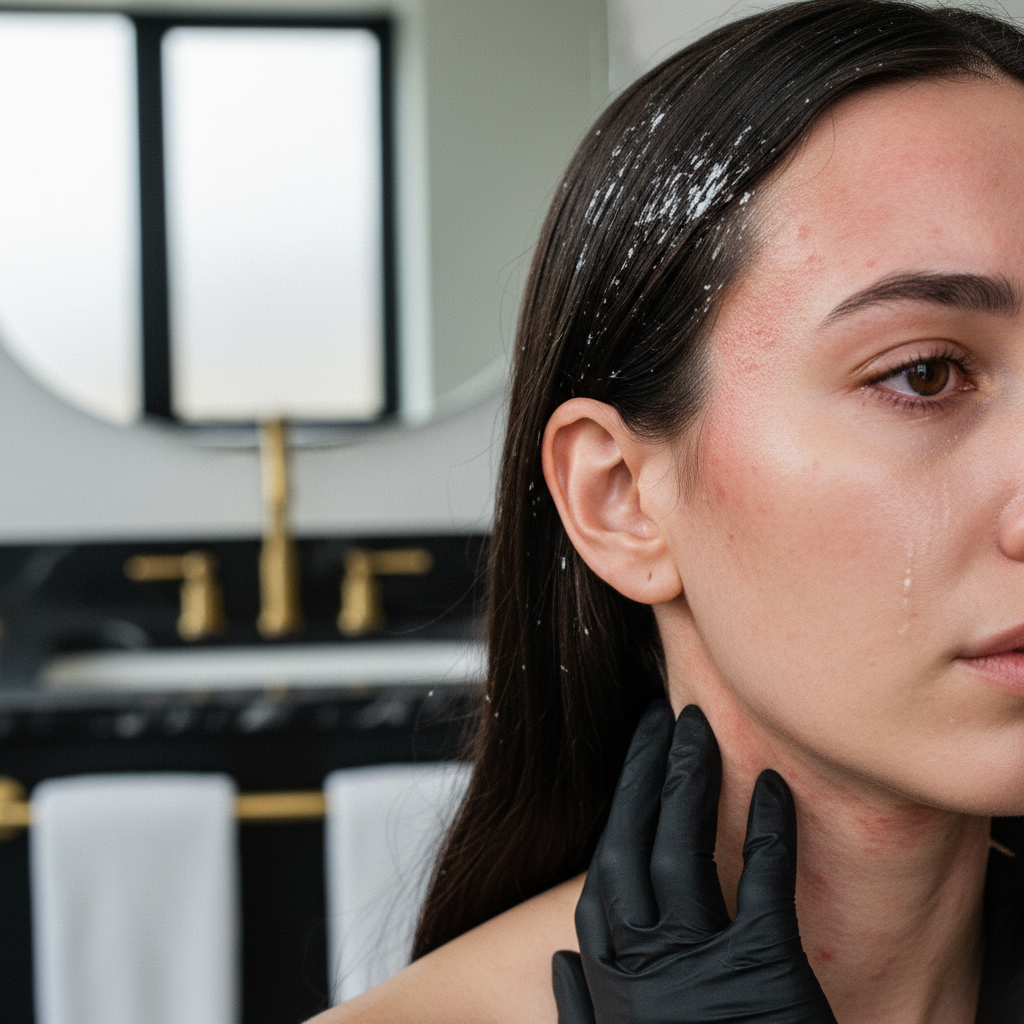
- Mild localised symptoms: Tingling, mild burning, persistent scalp dryness, erythema (redness), and itching along the hairline, neck, and behind the ears.
- Moderate spreading symptoms: Intense scalp pruritus, weeping vesicular lesions (small fluid-filled blisters), raw skin, swelling around the ears, forehead, and eyelids, and swollen lymph nodes in the neck.
- Severe cutaneous reactions: Extensive facial oedema that can force the eyes shut, large bullae (blisters) across the scalp and forehead, secondary bacterial infections from open skin, and scalp tenderness.
- Systemic anaphylaxis (rare): Urticaria (widespread hives), wheezing, shortness of breath, throat tightness, dizziness, and collapse. This is a medical emergency requiring immediate administration of adrenaline (epinephrine).
Allergic reaction vs. irritant contact dermatitis
Not every uncomfortable reaction to hair dye stems from an allergy. Many people suffer from irritant contact dermatitis, which is a physical chemical burn rather than an immune response.
| Feature | Allergic Contact Dermatitis | Irritant Contact Dermatitis |
|---|---|---|
| Primary Trigger | PPD, PTD, resorcinol, dye precursors | Hydrogen peroxide, high pH ammonia, ethanolamines |
| Immune System Role | Type IV cell-mediated immune response | Non-immune direct chemical disruption of skin barrier |
| Onset of Symptoms | Delayed: typically peaks 24 to 72 hours post-dye | Immediate to rapid: starts within minutes or hours |
| Symptom Spread | Spreads past the hairline to eyelids, ears, and neck | Strictly confined to areas of direct skin contact |
| Physical Appearance | Itchy, raised bumps, weeping blisters, severe swelling | Stinging, redness, chapping, burning, dry peeling |
| Lifelong Sensitivity | Permanent: tiny amounts trigger repeat flare-ups | Temporary: skin heals; tolerated once barrier recovers |
What the evidence does not show
There is no credible scientific evidence that hair dye allergies directly cause classic autoimmune hair loss conditions such as alopecia areata or male- and female-pattern genetic hair loss. Hair loss involves follicular miniaturisation or autoimmune disruption of the hair growth cycle.
Severe dermatitis on the scalp can cause temporary hair shedding (telogen effluvium) due to systemic physical stress, or hair breakage along the shaft due to mechanical scratching and chemical brittleness. However, hair dye reactions do not destroy healthy follicles permanently unless deep, untreated secondary infections cause rare cicatricial (scarring) damage.
Furthermore, marketing claims for "natural", "organic", or "botanical" dyes do not guarantee complete safety. Many natural-labelled box dyes still incorporate small amounts of PPD or substitute it with toluene-2,5-diamine sulphate (PTD). Research confirms that over 50% of people with a verified PPD allergy also react to PTD through cross-sensitisation. "Ammonia-free" simply means the dye uses an alternative alkaliser, which has no bearing on whether you will react to the underlying colour pigments.
What you can do: immediate steps and medical treatment
If you suspect you are developing a reaction, prompt action minimises skin damage:
- Rinse immediately: If you feel intense burning or prickling during application, wash the dye out immediately with lukewarm water and a gentle, neutral-pH shampoo. Do not scrub the scalp aggressively.
- Wash away unoxidised dye: An oxidising chemical reaction continues until thoroughly cleansed. Multiple gentle washes are better than a single quick rinse.
- Soothe the skin: Apply cold water compresses to inflamed areas along the hairline, neck, and ears. Plain mineral oil, liquid paraffin, or calamine lotion can calm surface irritation.
- Counteract histamine: An over-the-counter non-drowsy oral antihistamine (such as cetirizine or loratadine) can help reduce peripheral itching and minor facial hives, though it will not stop the underlying T-cell reaction.
- Seek medical prescriptions: A GP or dermatologist can prescribe topical corticosteroid lotions or emulsions formulated specifically for hair-bearing areas (such as betamethasone valerate). In cases of severe facial swelling, doctors often administer a short course of oral prednisolone.
Caring for an irritated scalp and fragile hair
Once acute medical inflammation has subsided, your scalp barrier will be compromised and your hair shaft may feel dehydrated and brittle from chemical exposure.
During the recovery phase, avoid all harsh surfactants, clarifying formulas, and mechanical exfoliants. Look for supportive, gentle hair products with skin-friendly pH levels (between 4.5 and 5.5). When you are cleared by your doctor to wash normally, botanical conditioning products like Watermans Grow More Shampoo can help restore a clean, balanced scalp environment. Its formulation contains revitalising ingredients like biotin, rosemary, and niacinamide that support a nourished, comfortable scalp without harsh stripping agents. Watermans Condition Me conditioner can then be applied strictly to mid-lengths and ends to reduce hair breakage and improve moisture retention along fragile, chemically treated strands.
Frequently asked questions about Allergic Reaction to Hair Dye
What are the earliest signs of an Allergic Reaction to Hair Dye?
The earliest signs include an persistent itch, stinging, or redness around the hairline, behind the ears, or on the neck. These sensations often start 12 to 24 hours after colouring and steadily intensify into raised bumps or swelling over the following two days.
Can I suddenly become allergic to a hair dye I have used for years?
Yes. Sensitisation to dye chemicals like PPD develops over time through repeated exposure. Your immune system can encounter the chemical many times without visible issues until it reaches a biological threshold, after which every subsequent exposure triggers an inflammatory reaction.
How do I perform an allergy alert patch test properly?
Mix a small drop of colourant and developer, dab it onto cleaned skin behind your ear or on the inside of your elbow using a cotton bud, and leave it uncovered for 48 hours. If you notice any itching, redness, or swelling, do not apply the product to your hair.
If I am allergic to PPD, can I use ammonia-free or natural hair dyes?
Not necessarily. Ammonia-free dyes still rely on chemical colourants like PPD or PTD to change your hair colour. Many plant-based dyes also contain hidden synthetic pigments. Only 100% pure, unadulterated plant powders like pure lawsonia inermis (henna) or indigo are PPD-free, but you must check ingredient lists carefully.
When should I go to hospital for a hair dye reaction?
Go to an emergency department immediately if you experience swelling that spreads to your throat, eyes, or tongue, if you experience dizziness or wheezing, or if you find it hard to swallow or breathe. These symptoms indicate life-threatening anaphylaxis.
Conclusion
Navigating an Allergic Reaction to Hair Dye requires quick identification, proper symptomatic care, and strict future avoidance of culprit chemicals. Because hair dye allergies represent a permanent change in how your immune system responds to aromatic amines, you cannot wash or build tolerance against them. Protecting your skin means carrying out a patch test before every colour service, learning to read ingredient labels for PPD derivatives, and pivoting to safe styling alternatives whenever your scalp shows signs of distress.
Sources and references
- British Association of Dermatologists. (2020). Hair dye reactions: patient information leaflet.
- European Commission Scientific Committee on Consumer Safety (SCCS). (2012). Opinion on p-Phenylenediamine (PPD). SCCS/1498/12.
- Basketter, D. A., & English, J. (2009). Cross-reactions to paraphenylenediamine: what are the real risks? Contact Dermatitis, 60(6), 332-337.
- McFadden, J. P., et al. (2007). Hair dye allergy: the direct and indirect risks to public health. Journal of the Royal Society of Medicine, 100(11), 522-525.
- National Health Service (NHS). (2022). Allergies: Hair dye reactions. NHS.uk.
Find these ingredients in Watermans products
- Niacinamide: you will find this ingredient in our Hair Mask.