Understanding the Acid Mantle Scalp: Your Scalp's Natural Protector
9 min read ·
The Acid Mantle Scalp is a vital, slightly acidic film protecting your scalp from environmental damage and maintaining its health.
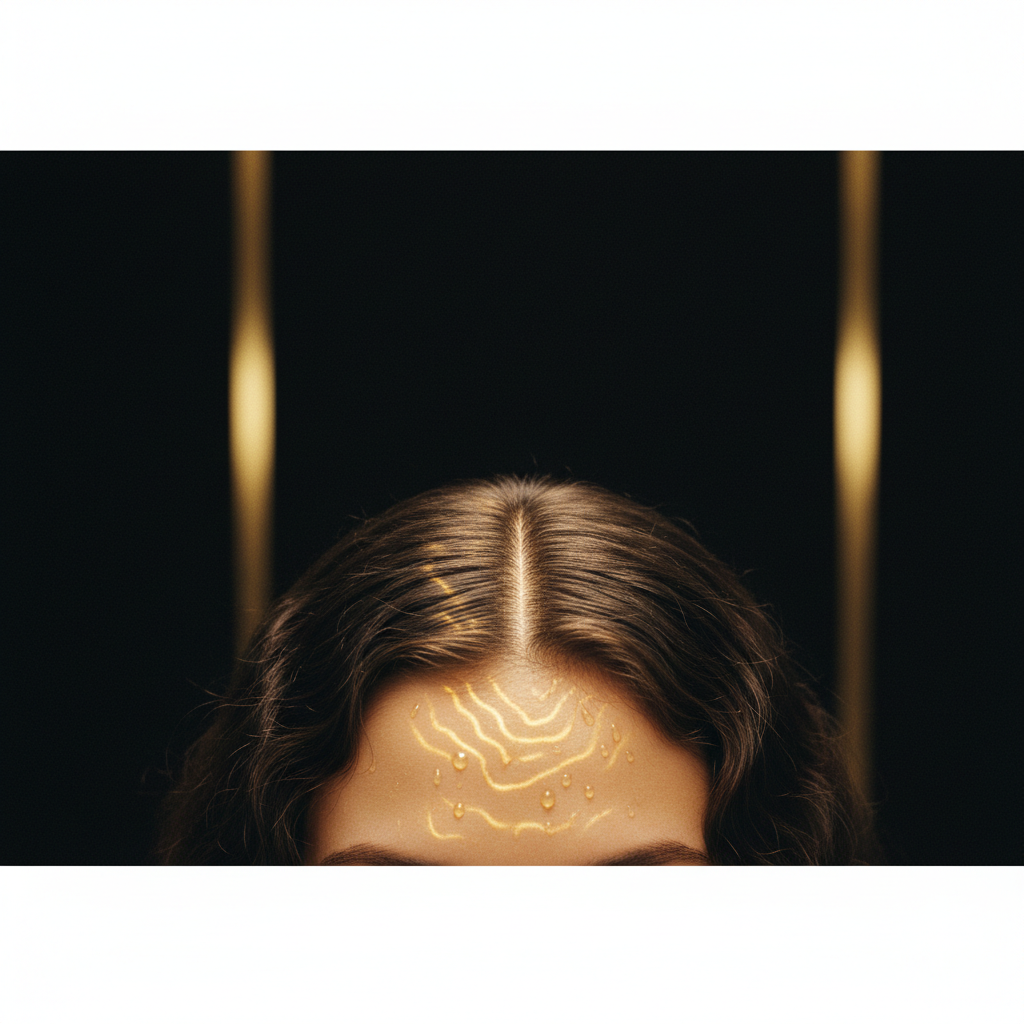
Quick answer: The Acid Mantle Scalp is a naturally occurring, slightly acidic film on the surface of your scalp, with a typical pH between 4.5 and 5.5. Formed from a blend of sebum, sweat, and amino acids, it acts as a crucial protective barrier against harmful microbes and environmental aggressors, while also helping to retain moisture. Disruption can lead to dryness, irritation, and vulnerability to infections, but cosmetic care aims to support its natural balance, not treat medical conditions.
Key takeaways
- The Acid Mantle Scalp is a natural, slightly acidic protective layer on your scalp, typically with a pH of 4.5 to 5.5.
- It forms a barrier against bacteria, fungi, and environmental irritants, crucial for a healthy scalp microbiome.
- A balanced acid mantle helps your scalp retain moisture, preventing dryness, flakiness, and sensitivity.
- Factors like harsh shampoos, frequent washing, hot water, and chemical treatments can disrupt this delicate balance.
- Using pH-balanced hair products and gentle cleansing practices supports the integrity of the acid mantle.
- Signs of a disrupted Acid Mantle Scalp include itchiness, dryness, flaking, sensitivity, and increased susceptibility to infections like dandruff.
Acid Mantle Scalp: what the evidence shows
The Acid Mantle Scalp refers to the thin, slightly acidic film that covers the surface of your scalp. This protective layer is a natural part of the skin's barrier function, composed of a mixture of sebum (the natural oils produced by sebaceous glands), sweat, and amino acids. Its average pH typically ranges from 4.5 to 5.5, which is mildly acidic. This acidity is fundamental to its role in maintaining scalp health.
The skin's acidic pH was first described in 1928, and its importance has been widely recognised since. Research indicates that this acidic environment is critical for several biological processes on the skin, including enzyme activity essential for skin barrier function and desquamation (the natural shedding of dead skin cells). A healthy Acid Mantle Scalp is therefore integral to the overall well-being of the hair and scalp.
The mechanism of protection
The Acid Mantle Scalp functions through several key mechanisms to protect your scalp:
- Microbial Defence: The slightly acidic pH creates an unfavourable environment for the proliferation of many harmful bacteria and fungi, while supporting beneficial micro-organisms that form part of the scalp's natural microbiome. This balance is vital in preventing conditions such as dandruff and seborrhoeic dermatitis.
- Barrier Function: It acts as a physical and chemical shield. This barrier helps to prevent environmental pollutants, allergens, and irritants from penetrating the skin. It also reduces transepidermal water loss (TEWL), meaning it helps to seal in moisture and keep the scalp hydrated.
- Enzyme Activity: Many enzymes crucial for healthy skin function optimally within this specific acidic pH range. These enzymes are involved in maintaining skin integrity and the natural renewal process of skin cells.
What the evidence does not show
While a healthy Acid Mantle Scalp is associated with a healthy scalp overall, there is no direct evidence to suggest that its disruption directly causes hair loss (follicular) or alopecia. Instead, a compromised acid mantle is more accurately linked to scalp conditions like dryness, irritation, and increased susceptibility to infections, which can indirectly affect hair growth cycles or lead to increased hair shedding (telogen effluvium) if severe. Cosmetic treatments for the acid mantle aim to support scalp health and comfort, not to treat clinical alopecia.
Signs of a disrupted Acid Mantle Scalp
When the Acid Mantle Scalp is compromised, its protective functions weaken, leading to a range of noticeable signs and symptoms. These can include:
- Dryness and Flakiness: Reduced moisture retention makes the scalp feel tight and appear flaky, often leading to increased visibility of dead skin cells. You can learn more about this in our article on 'Dandruff: Causes and Treatments Explained'.
- Itchiness and Irritation: The loss of the protective barrier makes the scalp more reactive to irritants, resulting in persistent itching and discomfort.
- Sensitivity: The scalp may feel tender, burn, or sting, particularly after washing or exposure to environmental factors.
- Redness: Inflammation can occur as the scalp reacts to the loss of its natural protection.
- Increased Susceptibility to Infections: An unbalanced microbiome can allow opportunistic pathogens to thrive, leading to conditions like recurrent dandruff, fungal infections, or bacterial folliculitis.
- Greasy or Oily Scalp: Sometimes, the scalp may overcompensate for dryness by producing excessive sebum, leading to an oily feeling, as discussed in 'Oily Scalp Care: Understanding and Managing Excess Sebum'.
What you can do to support your Acid Mantle Scalp
Maintaining the health of your Acid Mantle Scalp involves adopting gentle hair care practices and choosing appropriate products. These steps help preserve its natural acidity and protective functions:
- Use pH-Balanced Products: Opt for shampoos and conditioners specifically formulated to be pH-balanced, ideally within the 4.5 to 5.5 range. This helps maintain the natural acidity of your scalp and avoids stripping its protective layer.
- Gentle Cleansing: Avoid over-washing, which can strip natural oils. When you wash, use lukewarm water instead of hot water, which can be harsh on the scalp. Focus on gently massaging the scalp rather than harsh scrubbing.
- Consider Scalp Moisturisers: If your scalp is particularly dry, a lightweight scalp serum or oil designed to hydrate and protect the skin barrier can be beneficial. Look for ingredients that support barrier function, as detailed in 'Anti-inflammatory Ingredients: Soothing Your Scalp for Healthier Hair'.
- Protect from Environmental Damage: Wear hats to shield your scalp from harsh sun, wind, and cold, all of which can disrupt the acid mantle. UV radiation can also directly damage skin barrier function.
- Nutrient-Rich Diet: A balanced diet rich in vitamins, minerals, and essential fatty acids (such as omega-3s) is vital for overall skin health, including the scalp. For example, some B vitamins play a role in sebum production.
- Minimise Harsh Chemical Treatments: Chemical hair treatments like colouring, perming, and relaxing often involve alkaline chemicals that can significantly alter the scalp's pH and compromise the acid mantle. If you undergo such treatments, ensure they are performed by a professional and ask about scalp protection measures.
The impact of product pH on your scalp
Understanding the pH of hair care products is crucial for maintaining a healthy Acid Mantle Scalp. Products with a pH significantly different from the scalp's natural range (4.5 to 5.5) can disrupt its integrity. For example, alkaline products can cause the hair cuticle to swell and the scalp barrier to weaken, while overly acidic products might irritate.
| Product Category | Typical pH Range | Impact on Acid Mantle Scalp if Unbalanced |
|---|---|---|
| Healthy Scalp | 4.5 - 5.5 | Optimal barrier function, balanced microbiome |
| pH-Balanced Shampoo | 4.5 - 6.0 | Supports acid mantle, gentle cleansing |
| Alkaline Shampoo | 7.0 - 9.0+ | Strips acid mantle, can cause dryness and irritation |
| Hair Colour/Bleach | 9.0 - 11.0+ | Can severely disrupt acid mantle, strong irritation |
| Conditioner | 3.5 - 5.0 | Helps restore acidity, smooths cuticle |
When the cause may be something else
While a disrupted Acid Mantle Scalp can cause many scalp issues, some symptoms might stem from other underlying conditions. For instance, severe or persistent flaking and itching could indicate conditions like psoriasis, eczema, or fungal infections that require specific medical treatments. Certain autoimmune conditions can also manifest with scalp symptoms.
When to get professional advice
If you experience persistent scalp issues such as severe itching, redness, painful lesions, excessive flaking that doesn't improve with gentle care, or any signs of infection (like pus or swelling), it's important to consult a healthcare professional. A dermatologist or trichologist can accurately diagnose the underlying cause of your symptoms and recommend appropriate medical treatments, which may go beyond cosmetic solutions for your Acid Mantle Scalp.
Frequently asked questions about Acid Mantle Scalp
Can a damaged acid mantle cause hair loss?
A damaged Acid Mantle Scalp is primarily linked to scalp irritation, dryness, and increased vulnerability to infections, not directly to hair loss (alopecia). However, severe or chronic inflammation and irritation of the scalp can create an unhealthy environment for hair follicles, potentially impacting hair growth cycles and contributing to increased hair shedding (telogen effluvium) in some cases. Addressing scalp health supports overall hair vitality, but cosmetic measures do not treat alopecia.
How long does it take to restore the acid mantle?
The time it takes to restore a healthy Acid Mantle Scalp can vary depending on the extent of the disruption and the individual's skin regeneration rate. With consistent use of pH-balanced products and gentle care, noticeable improvements in scalp comfort and barrier function can often be seen within a few weeks. However, full restoration and stabilisation might take several weeks to a few months, especially if the damage was significant or chronic.
Is hard water bad for the acid mantle?
Yes, hard water can be detrimental to the Acid Mantle Scalp. Hard water contains high levels of dissolved minerals, like calcium and magnesium. These minerals can leave a residue on the scalp, which can be alkaline, altering the scalp's natural pH. This alkaline shift can disrupt the acid mantle, potentially leading to dryness, irritation, and dull hair. Using clarifying shampoos or shower filters can help mitigate these effects. You can find more information in our article, 'Hard Water and Hair Damage: Understanding the Impact on Your Hair'.
What pH should shampoo be for a healthy scalp?
For a healthy Acid Mantle Scalp, shampoo should ideally have a pH close to the scalp's natural range, which is between 4.5 and 5.5. Most dermatologists recommend using shampoos with a pH between 4.5 and 6.0. Products within this range are considered pH-balanced and help maintain the integrity of the acid mantle, preventing dryness, irritation, and damage to the hair fibre. You can read more in 'Choosing the Right Shampoo: A Comprehensive Guide to Hair Cleansing'.
Supporting your Acid Mantle Scalp with Watermans
Watermans hair care products are formulated with the understanding of scalp health in mind. For example, Watermans Grow Me Shampoo and Condition Me Conditioner are designed to be pH-balanced, aiming to align with the natural acidity of the scalp. This careful formulation helps to support the integrity of the Acid Mantle Scalp, promoting a healthy environment for your hair. Used as part of a regular hair care routine, they help maintain the scalp's natural barrier, contributing to hair that feels stronger and looks healthier.
Sources and references
- Proksch, E., Brandner, J. M., & Jensen, J. M. (2008). The skin barrier. Journal of Clinical Investigation, 118(4), 1136 to 1141.
- Lambers, H., Piessens, S., Bloem, A., Pronk, H., & Finkel, P. (2006). Natural skin surface pH is on average below 5, which is important for its barrier function and flora. International Journal of Cosmetic Science, 28(5), 359 to 370.
- Ali, S. M., & Yosipovitch, G. (2013). Skin pH: From Basic Science to Basic Skin Care. Acta Dermato-Venereologica, 93(3), 261 to 265.
- Schmid-Wendtner, M. H., & Korting, H. C. (2006). The pH of the skin surface and its impact on the barrier function. Skin Pharmacology and Physiology, 19(2), 79 to 83.
- Anadolu, R., Kavgaci, H., & Ozek, I. (2003). PH values of shampoos sold in Turkey. International Journal of Dermatology, 42(12), 947 to 948.
- Zoe Diana Draelos. (2010). Hair Cosmetics: An Overview. Journal of Cosmetic Dermatology, 9(2), 173 to 179. Doi:10.1111/j.1473-2165.2010.00511.x