Understanding Folliculitis Decalvans: Causes, Symptoms, and Clinical Care
8 min read ·
Understanding Folliculitis Decalvans: explore the causes, symptoms, tufted hair signs, and clinical treatments for this scarring alopecia to protect your hair.
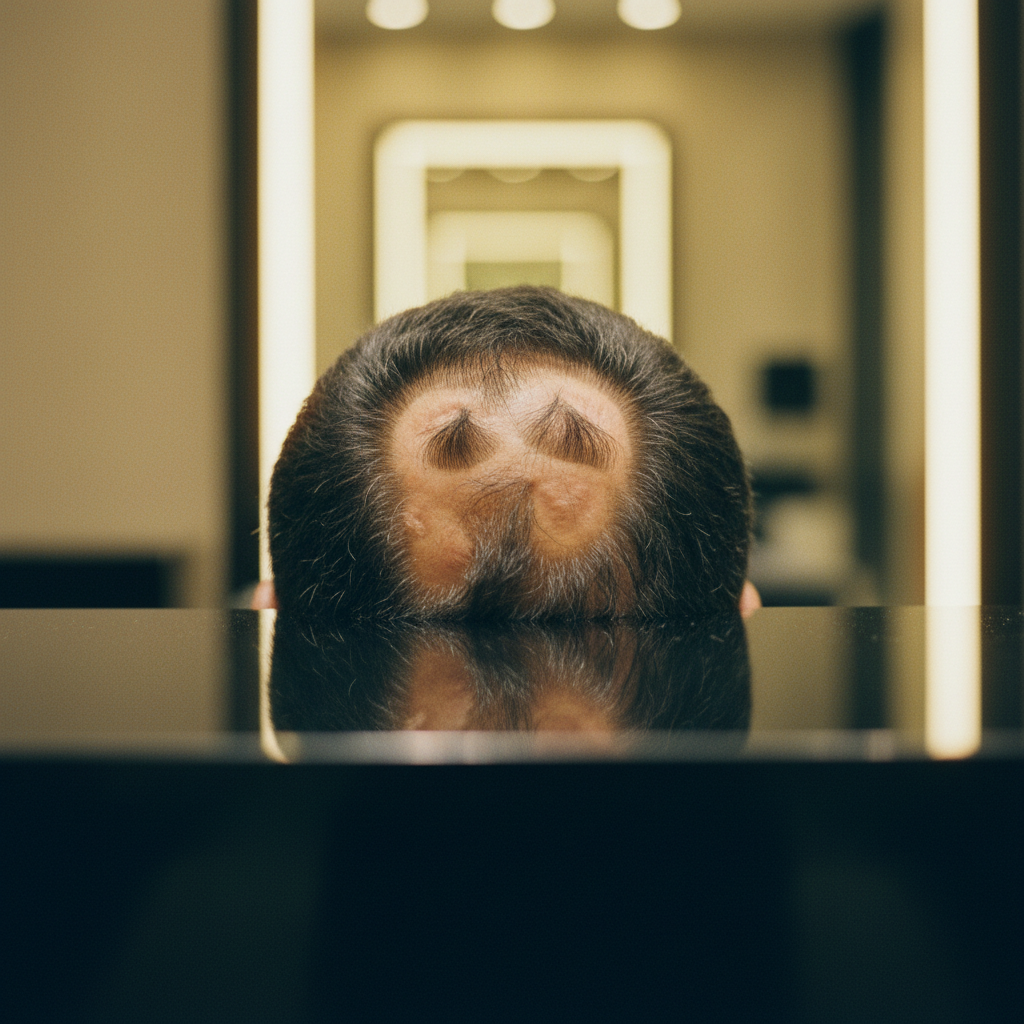
Quick answer: Understanding Folliculitis Decalvans begins with recognising it as a rare, chronic inflammatory disorder of the scalp that leads to permanent, cicatricial (scarring) hair loss. Characterised by painful pustules, crusting, and tufted hairs resembling "doll's hair", it primarily involves abnormal immune reactions linked with Staphylococcus aureus colonisation. The main limitation is that medical management can arrest active inflammation and prevent progression, but it cannot restore hair once follicular stem cells are destroyed and replaced by scar tissue.
Key takeaways
- Folliculitis decalvans is a primary neutrophilic cicatricial alopecia that destroys hair follicles permanently.
- The condition frequently presents with follicular pustules, erosions, crusting, and polytrichia (multiple hairs emerging from a single dilated follicular opening).
- While Staphylococcus aureus is routinely isolated from active lesions, the disease is an inflammatory reaction pattern rather than a simple contagious infection.
- Early diagnosis and aggressive medical treatment are essential to prevent progressive, irreversible scarring.
- Cosmetic products and shampoos cannot cure the underlying condition, but gentle scalp hygiene plays a supportive role alongside prescribed dermatological therapy.
Understanding Folliculitis Decalvans: what the evidence shows
Understanding Folliculitis Decalvans requires an appreciation of primary cicatricial alopecias, a group of disorders where inflammation targets and obliterates the hair follicle. First described by Charles-Eugène Quinquaud in 1888 and later named by Henri-Alexandre Brocq in 1905, folliculitis decalvans accounts for roughly 10 percent of all scarring alopecia cases evaluated in specialist hair clinics.
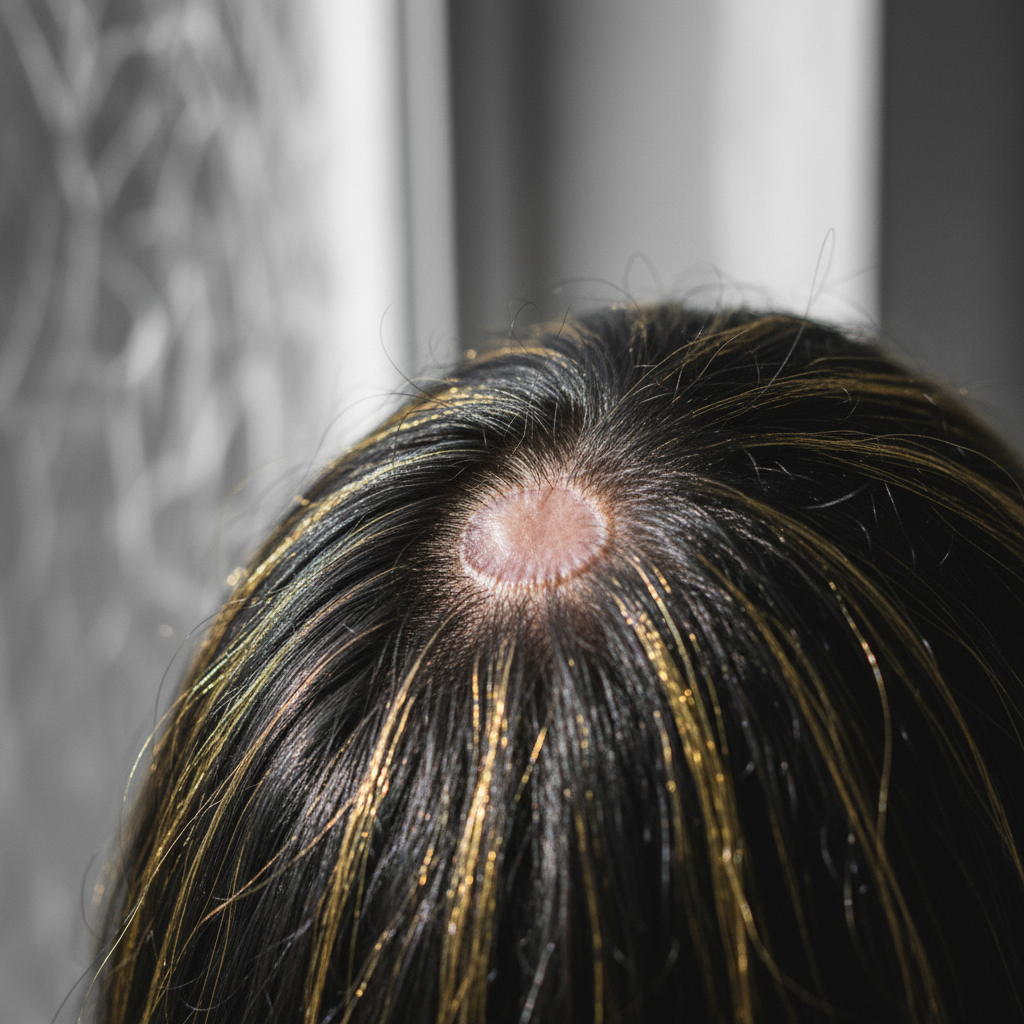
The condition primarily affects young to middle-aged adults, showing a slight predominance in men. It typically targets the vertex and crown of the scalp. Unlike non-scarring conditions such as androgenetic alopecia or telogen effluvium, where follicles remain dormant or miniaturised, folliculitis decalvans triggers complete follicular destruction.
Microbiological swabs from active pustules regularly culture Staphylococcus aureus. However, clinical trials and observational studies show that it does not behave like a standard bacterial folliculitis. The bacterium acts as a trigger or persistent antigenic stimulus in genetically or immunologically susceptible individuals. The immune response becomes dysregulated, mobilising dense cascades of neutrophils that indiscriminately damage the follicle, the sebaceous gland, and crucially, the follicular stem cells located in the hair bulge region.
The biological mechanism of follicular destruction
The hair follicle relies on epithelial stem cells located in the outer root sheath at the level of the arrector pili muscle attachment (the bulge). If inflammation remains confined to the lower bulb, hair can often regrow. In folliculitis decalvans, the inflammatory infiltrate specifically assaults the upper and mid-follicle.
- Antigenic trigger: Staphylococcus aureus colonises the follicular infundibulum. Bacterial superantigens and cell-wall components stimulate toll-like receptors on resident keratinocytes and dendritic cells.
- Neutrophilic recruitment: Massive amounts of interleukin-8 (IL-8) and other chemokines recruit neutrophils into the follicular lumen and surrounding dermis.
- Follicular rupture: As the follicular wall degrades under enzymatic attack from elastase and reactive oxygen species, follicular contents spill into the dermis.
- Foreign-body reaction and fibrosis: The exposed hair shaft acts as a foreign body, drawing a secondary granulomatous and lymphocytic infiltrate. Collagen synthesis replaces healthy follicular architecture with dense fibrous tissue.
- Polytrichia formation: Surviving adjacent follicles are pulled together by contracting scar tissue, or multiple hair shafts become trapped within a single fibrotic infundibular channel, creating the classic "tufted" appearance.
Clinical signs and diagnostic features
Folliculitis decalvans displays distinct clinical and trichoscopic markers. The course is characteristically chronic and relapsing, with flare-ups alternating with periods of low-grade smouldering activity.
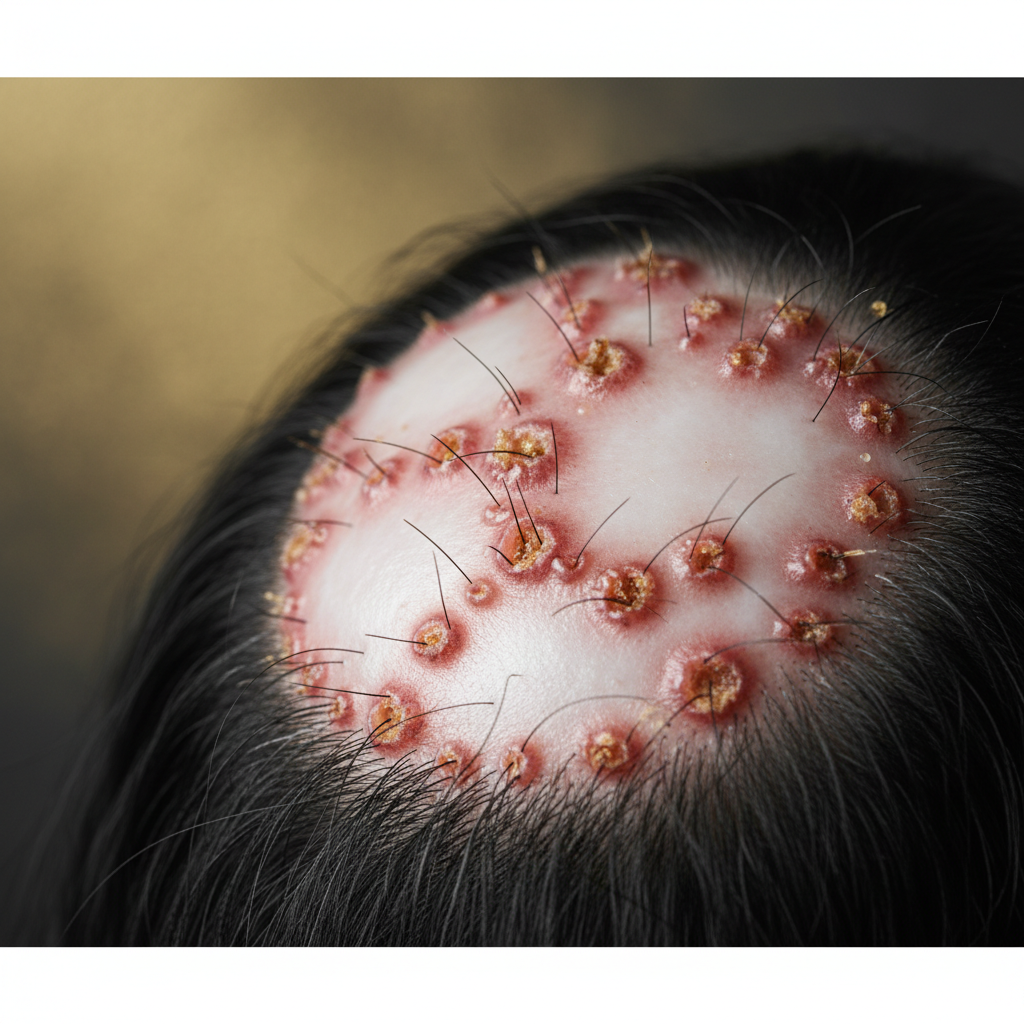
- Follicular pustules: Small, yellow-white pustules pierced by a central hair shaft, primarily at the expanding margins of an alopecic patch.
- Tufted folliculitis (polytrichia): Bundles of 5 to 20 hair shafts emerging from a single, dilated, often inflamed follicular orifice.
- Crusting and bleeding: Yellow-to-brown adherent crusts covering erosions, frequently discharging seropurulent fluid when disturbed.
- Scarring plaques: Central areas of smooth, shiny, ivory-white skin devoid of visible follicular openings (ostia).
- Sensory symptoms: Marked trichodynia (scalp pain), burning, and intense pruritus (itching) that often herald a new inflammatory flare.
Dermatologists confirm the diagnosis using a combination of dermoscopy (trichoscopy), bacterial cultures to test for antibiotic sensitivities, and a 4 mm punch biopsy taken from the active, inflamed border rather than the central scarred zone. Histopathology reveals a dense, predominantly neutrophilic infiltrate in early lesions, transitioning to mixed granulomatous inflammation with plasma cells and perifollicular fibrosis in late stages.
Distinguishing Folliculitis Decalvans from lookalike conditions
Because several conditions cause scalp pustules or hair loss, accurate differentiation is vital. Treating folliculitis decalvans as ordinary acne or dandruff leads to progressive, permanent hair loss.
| Feature | Folliculitis Decalvans | Dissecting Cellulitis | Lichen Planopilaris | Bacterial Folliculitis |
|---|---|---|---|---|
| Primary Infiltrate | Neutrophilic | Neutrophilic / Mixed | Lymphocytic | Neutrophilic |
| Lesion Type | Pustules, crusts, tufting | Fluctuant nodules, sinuses | Perifollicular erythema, scale | Superficial pustules |
| Tufting (Polytrichia) | Very common | Occasional | Rare | Absent |
| Scarring Nature | Permanent cicatricial | Permanent cicatricial | Permanent cicatricial | Non-scarring |
| Primary Driver | Immune response to S. Aureus | Follicular occlusion tetrad | Autoimmune attack on bulge | Direct acute bacterial infection |
| Typical Course | Chronic, relapsing | Chronic, destructive | Chronic, insidious | Acute, self-limiting |
Medical management and evidence-based interventions
There is no single universally curative treatment for folliculitis decalvans. The therapeutic goal is rapid suppression of active inflammation, eradication or reduction of S. Aureus loads, and long-term maintenance to stop scar tissue expanding.
First-line systemic therapies
The most extensively supported regimen in dermatological literature combines oral clindamycin (300 mg twice daily) with oral rifampicin (300 mg twice daily) for a course of 10 to 12 weeks. Clinical studies demonstrate that this combination achieves complete remission in a substantial proportion of patients, though relapses remain common after cessation. Rifampicin penetrates biofilms and intracellular bacteria effectively, while clindamycin contributes both antimicrobial and potent anti-inflammatory effects.
Oral tetracyclines (such as doxycycline 100 mg daily or minocycline 100 mg daily) are commonly used for milder cases or as prolonged maintenance therapy due to their anti-inflammatory, anti-collagenase mechanisms.
Second-line and refractory therapies
When standard oral regimens fail, dermatologists explore:
- Oral retinoids: Isotretinoin has shown utility in some cohorts by altering the follicular microenvironment and reducing sebum production, though results can be variable.
- Biologics: Emerging case series report success with TNF-alpha inhibitors (such as adalimumab or infliximab) in highly resistant cases.
- Corticosteroids: Intralesional triamcinolone acetonide injections directly into active borders can swiftly calm localised, painful flares.
Supportive care and everyday scalp hygiene
Medical prescriptions form the backbone of treatment, but daily scalp care supports barrier integrity and symptom management.
- Antiseptic and antibacterial washes: Topical washes containing chlorhexidine, povidone-iodine, or diluted hypochlorous acid help decrease surface bacterial burdens between flares.
- Gentle cleansing: Avoid abrasive physical scrubs. Mechanical trauma can rupture fragile follicular walls, accelerating dermal inflammation (the Koebner phenomenon).
- Temperature control: Wash hair with lukewarm water rather than hot water, which exacerbates erythema and triggers neurogenic itching.
- Clean contact surfaces: Change pillowcases frequently, wash hats in hot water, and avoid sharing hairbrushes to minimise re-inoculation of opportunistic pathogens.
Supporting the surrounding hair with Watermans
When managing a chronic scalp issue like folliculitis decalvans, medical therapy takes total priority for active disease. However, caring for the unaffected follicles across the rest of the scalp remains important.
Watermans GrowMe Shampoo provides a sulphate-free, non-stripping cleanse that helps keep the general scalp environment clean without causing surface irritation. Formulated with biotin, rosemary extract, niacinamide, and allantoin, it supports hair fibre condition and nourishes unaffected follicles.
Cosmetic products never treat, reverse, or prevent cicatricial conditions like folliculitis decalvans. Instead, a balanced routine helps you preserve the appearance, density, and vitality of healthy hair across uninvolved areas while your medical team controls active inflammation.
When to see a dermatologist
If you notice painful bumps, continuous crusting, or tufts of hair emerging from single openings, seek medical attention immediately. Any sign of scalp scarring demands urgent assessment by a dermatologist or a qualified trichologist working in tandem with medical practitioners. The window to save follicles is strictly during the active, inflammatory phase; once a follicle is replaced by smooth fibrous scar tissue, regeneration is biologically impossible.
Frequently asked questions about Understanding Folliculitis Decalvans
Can hair regrow after Folliculitis Decalvans is treated?
Hair cannot regrow in areas where the condition has already formed smooth scar tissue, as the stem cell niche has been destroyed. However, timely medical intervention can halt the spread of the disease, allowing partially inflamed follicles to recover and preserving the remainder of your hair.
Is Folliculitis Decalvans contagious to family members?
No, folliculitis decalvans is not contagious. While Staphylococcus aureus bacteria are present in active lesions, the disease itself is driven by an abnormal host immune response to the bacteria rather than an infection passed from person to person.
How does understanding Folliculitis Decalvans differ from managing simple scalp acne?
Scalp acne involves superficial follicular blockages that heal without structural damage or permanent bald patches. Understanding Folliculitis Decalvans means recognising that the inflammation attacks the deeper stem cell zone, requiring intensive medical therapy rather than standard over-the-counter acne washes.
What causes the characteristic "tufted" hair appearance?
Tufting, or polytrichia, occurs when chronic inflammation and contracting fibrosis fuse neighbouring follicular openings. As scar tissue tightens, multiple hair shafts are forced to emerge through a single, enlarged channel, creating a clustered pattern resembling the hair on a manufactured doll.
Can diet alone resolve Folliculitis Decalvans?
There is no clinical evidence that dietary changes alone can cure folliculitis decalvans. While an anti-inflammatory diet supports overall health, this condition is an aggressive, destructive disease that demands prescription-strength antimicrobial and anti-inflammatory protocols supervised by a medical specialist.
Summary
Understanding Folliculitis Decalvans is critical for catching this destructive condition before irreversible hair loss occurs. By combining early dermatological intervention, targeted systemic medications, and gentle ongoing scalp hygiene, you can extinguish active inflammation and protect your remaining hair follicles for the long term.
Sources and references
- British Association of Dermatologists. Clinical Guidelines for the Management of Alopecia. 2021.
- Powell JJ, Dawber RP, Gatter K. Folliculitis decalvans including tufted folliculitis: a study of 51 patients. British Journal of Dermatology, 1999.
- Otberg N, Kang H, Alzolibani AA, Shapiro J. Folliculitis decalvans. Dermatologic Therapy, 2008.
- Rambhia KD, Kharkar VD, Mahajan SA. Folliculitis decalvans: A clinical, dermoscopic, and histopathological review. International Journal of Trichology, 2019.
- Vañó-Galván S, Molina-Ruiz AM, Serrano-Falcón C, et al. Folliculitis decalvans: a multicentre review of 82 patients. Journal of the European Academy of Dermatology and Venereology, 2015.
Find these ingredients in Watermans products
- Niacinamide: you will find this ingredient in our Hair Mask.