Traction Alopecia and Scalp Care: Symptoms, Science, and Solutions
9 min read ·
Learn the science behind Traction Alopecia and Scalp Care, including early signs, biological mechanisms, recovery strategies, and how to protect your hairline.
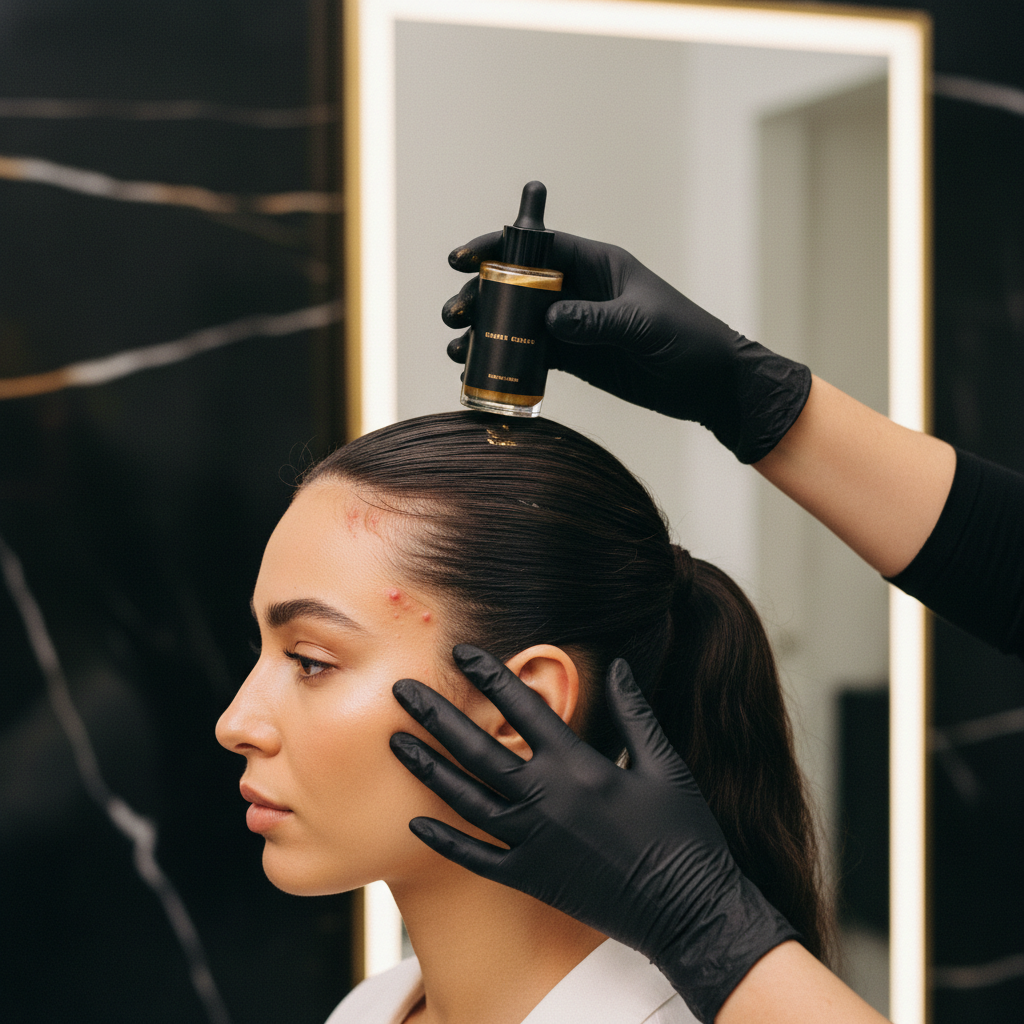
Quick answer: Understanding Traction Alopecia and Scalp Care is vital for anyone experiencing hairline recession, soreness, or thinning from mechanical tension. Traction alopecia is hair loss caused by continuous, repetitive pulling on the root from tight hairstyles, heavy extensions, or dreadlocks. The golden rule of Traction Alopecia and Scalp Care is early intervention: in its early stages, the condition is completely reversible by relieving physical strain, but untreated, persistent follicular inflammation leads to permanent scarring and irreversible hair loss.
Key takeaways
- Mechanical pulling forces inflame the hair follicle, progressing from reversible peritrichial erythema to permanent scarring.
- Scalp symptoms such as stinging, tenderness, bumps, and redness serve as immediate warning signs to loosen or change your hairstyle.
- Relieving physical tension is the primary clinical intervention; topical scalp care serves as supportive therapy to calm inflammation and maintain barrier health.
- Differentiating between hair breakage along the shaft and true follicular hair loss is critical for selecting the correct management plan.
- Permanent follicle loss occurs once fibrous tissue replaces the dermal papilla, making early detection essential.
Traction Alopecia and Scalp Care: what the evidence shows
Clinical dermatological research confirms that traction alopecia begins as a mechanical assault on the dermal papilla. Repetitive strain generates chronic inflammation around the upper follicle (infundibulum), manifesting initially as perifollicular erythema (redness) and follicular papules or pustules. If the mechanical strain continues unabated over months or years, the follicle undergoes apoptosis, fibrous tract formation, and eventual cicatricial (scarring) destruction.
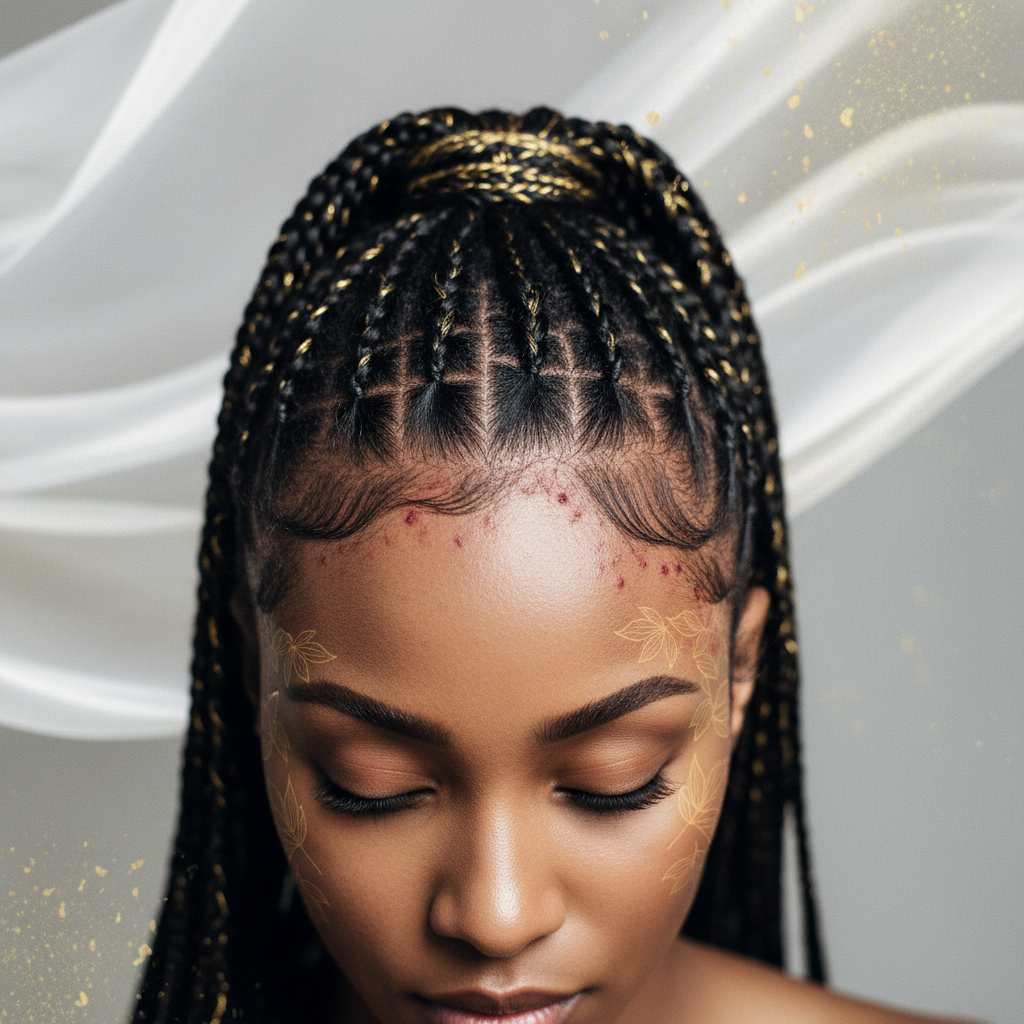
Medical literature distinguishes between two main phases: marginal (typically affecting the frontal, temporal, and preauricular hairlines) and non-marginal (often seen in distinct sections corresponding to parting patterns, hairpins, or heavy wefts). In early non-scarring phases, removing the offending style permits full recovery within 3 to 12 months. However, once follicular orifices vanish under dermoscopic evaluation, no cosmetic or topical treatment can regenerate the lost follicles. This biological reality underpins why Traction Alopecia and Scalp Care protocols must prioritise the immediate cessation of tension above all else.
The mechanical biological process behind traction damage
Hair fibres withstand considerable axial tension, but the root anchoring systems within the skin do not. When tension pulls consistently on the hair shaft, mechanical stress transmits down to the follicular sheath and dermal papilla.
This sustained traction triggers micro-trauma in the internal and external root sheaths. The body mounts an inflammatory response, dispatching cytokines and mast cells to the site. This causes the characteristic tenderness, itching, and tiny bumps (traction folliculitis) seen after installing tight braids, weaves, or slicked-back buns.
Prolonged inflammation causes the follicle to shift prematurely from anagen (the active growing phase) into catagen (regression) and telogen (resting/shedding). Over time, repeated strain destroys the stem cell reservoir in the follicular bulge. Without these stem cells, the follicle miniaturises, atrophies, and is ultimately replaced by non-functional collagen tissue, sealing the pore permanently.
What the evidence does not show
Cosmetic treatments and scalp serums are widely misunderstood in the context of mechanical hair loss. Clinical evidence does not show that any shampoo, oil, or topical solution can physically prevent traction damage if hair remains under mechanical stress.
Similarly, scientific research does not support the idea that applying thick grease, heavy pomades, or castor oil to pulled roots prevents follicle detachment. In fact, heavy occlusive agents can sometimes worsen folliculitis by trapping sebum, dead skin cells, and bacteria around already inflamed follicular openings. Scalp products can moisturise the stratum corneum, soothe peripheral irritation, and reduce friction, but they do not negate basic physics: if a hairstyle pulls hair from its base with sufficient force, the follicle will suffer damage regardless of what is applied on top.
How to recognise the signs of traction damage
Traction alopecia presents distinctive physical cues that separate it from other forms of thinning. Monitoring your hairline and scalp sensations allows you to intervene long before scarring develops.
- Early warning symptoms: Localised scalp tenderness, burning, headache, or a stinging sensation immediately following styling.
- Traction folliculitis: Tiny red or flesh-coloured bumps, sometimes with small pustules, forming along the hairline or around parting lines within 24 to 72 hours of styling.
- The "fringe sign": Retention of very short, fine, soft hairs along the outermost edge of the anterior hairline, while thicker terminal hairs immediately behind them are pulled out.
- Reduction in hair density: Gradual widening of partings or symmetrical recession at the temples, particularly where ponytails, braids, or extensions anchor.
- Hair cast formation: Small, white, cylindrical keratin rings that slide along the hair shaft, created when inner root sheath fragments detach under persistent pulling forces.
Distinguishing mechanical loss from other conditions
Because several scalp disorders affect the hairline, accurate identification prevents delayed medical treatment.
| Condition | Primary Cause | Clinical Presentation | Reversibility |
|---|---|---|---|
| Traction Alopecia | Sustained physical pulling | Frontal/temporal margins, "fringe sign", history of tight styles | Reversible in early non-scarring stage; irreversible once scarred |
| Frontal Fibrosing Alopecia (FFA) | Autoimmune / cicatricial | Band-like hairline recession, loss of eyebrows, lonely hairs | Permanent; requires prescription immunosuppressive management |
| Alopecia Areata | Autoimmune | Smooth, discrete circular patches; exclamation mark hairs | Variable; spontaneous regrowth common |
| Telogen Effluvium | Systemic trigger (stress, illness) | Diffuse shedding across the entire scalp without scarring | Usually fully reversible within 6 to 9 months |
| Hair Shaft Breakage | Chemical or physical wear | Snapped ends, uneven lengths, intact follicular density | Normal root density; fibre regrows from unaffected scalp |
Evidence-based scalp care and recovery strategies
Recovering from early traction damage requires a two-step framework: immediate tension relief followed by gentle scalp rehabilitation.
1. Eliminate mechanical strain immediately
The first intervention is completely non-negotiable. Remove or loosen any style causing pain or skin displacement. Avoid styles that pull the hair taut for at least six months. If you wear protective styles, keep individual sections larger, minimise the weight of added synthetic hair, and ensure braiders do not grip fragile baby hairs along the perimeter. Switch to loose buns secured with silk scrunchies, or wear your hair down.
2. Manage acute follicular inflammation
If traction folliculitis develops (bumps and soreness), soothe the skin barrier. A gentle, pH-balanced (5.0 to 5.5) clarifying shampoo removes sweat and bacteria without stripping moisture. Avoid scratching or picking at pustules, which introduces secondary bacterial infection and hastens scarring. Cold compresses applied for 10 minutes can reduce acute throbbing and local swelling.
3. Maintain the moisture-protein balance
While the roots recover, protect the remaining lengths from cosmetic breakage. Use lightweight leave-in conditioners to keep the hair shaft flexible and reduce brushing friction. Avoid high heat from straighteners and blow-dryers, which weakens keratin and places unnecessary handling stress on compromised follicles.
4. Support follicle microcirculation
Gentle fingertip massage for 4 to 5 minutes daily can encourage microvascular perfusion around recovering follicles, provided you do not tug or pull the hair during the process.
Where Watermans fits into a supportive routine
When transitioning away from tight styles, your routine should focus on supporting existing growth and maintaining a clean, nourished scalp environment. The Watermans Grow Me range offers cosmetic support designed to optimise the feeling of hair density and revitalise the appearance of tired scalps.
Formulated with ingredients including biotin, rosemary extract, caffeine, and niacinamide, Watermans Grow Me shampoo cleanses away daily grime and styling residue while maintaining an ideal scalp environment. Because mechanical strain leaves follicles vulnerable, using a gentle, revitalising wash helps hair look fuller, thicker, and stronger without relying on harsh sulphates. It represents a practical cosmetic companion to proper tension-free hair practices.
When to seek clinical evaluation
If you notice that your hairline looks shiny and smooth, or if tiny follicular openings are no longer visible, scar tissue may have formed. Consult an NHS GP, a consultant dermatologist, or an accredited trichologist (registered with the Institute of Trichologists) promptly.
Clinical practitioners use dermatoscopes to assess whether follicular ostia remain viable. Where active inflammation persists despite removing tight styles, a dermatologist may prescribe topical corticosteroids, intralesional steroid injections, or topical antibiotics to arrest further follicular destruction.
Frequently asked questions about Traction Alopecia and Scalp Care
Can hair regrow if traction alopecia has formed smooth, shiny skin?
No. Once the scalp appears smooth, shiny, and devoid of visible pores, fibrous scar tissue has permanently replaced the hair follicles. In this cicatricial stage, no topical regime or lifestyle adjustment can trigger natural regrowth. At this point, the primary cosmetic solution for restoring density is surgical hair transplantation, provided the donor area is stable and mechanical pulling has permanently ceased.
What is the most effective approach to Traction Alopecia and Scalp Care at home?
The most effective approach to Traction Alopecia and Scalp Care is removing mechanical tension the moment you feel tenderness or see bumps. Loosen or undo tight braids, remove heavy extensions, and wear hair in loose, natural styles. Pair this with a gentle, non-irritating cleansing routine to keep follicular pores free of debris while avoiding harsh chemical treatments and high heat.
How do I tell the difference between hair breakage and traction loss?
Hair breakage occurs along the shaft: you will notice short, uneven pieces snapping off, but the follicular root remains firmly anchored in your scalp, leaving normal pore density. Traction alopecia is true follicular loss where the entire hair is pulled or sheds from the follicle, resulting in reduced coverage, visible scalp widening, and receding margins.
How long does it take to see recovery from early traction alopecia?
If caught during the early, non-scarring stage, noticeable regrowth generally appears within 3 to 6 months after completely removing tension. Full recovery of hairline density can take up to 12 months, matching the natural human hair cycle where resting telogen follicles re-enter the anagen growth phase.
Practical steps for long-term hairline protection
Protecting your hairline demands a realistic balance between individual style preferences and follicular health. A successful strategy for Traction Alopecia and Scalp Care relies on recognising that pain never equates to beauty: a tight hairstyle should never throb, burn, or generate bumps. By rotating hairstyles, minimising extension weight, resting your hair between installations, and keeping your scalp clean and balanced, you can safeguard your follicles against irreversible damage and support healthy hair longevity.
Sources and references
- British Association of Dermatologists. Traction Alopecia Patient Information Leaflet. 2020.
- Billero, V. & Miteva, M. "Traction alopecia: the root of the problem." Clinical, Cosmetic and Investigational Dermatology, 2018. DOI: 10.2147/CCID.S137296.
- American Academy of Dermatology. Hairstyles that pull can lead to hair loss. 2021.
- Pulickal, J. K. & Rayinda, T. "The 'fringe sign' in traction alopecia: a systematic review and diagnostic utility." International Journal of Dermatology, 2020. DOI: 10.1111/ijd.15012.
- NHS. Hair loss (alopecia). 2021.
Find these ingredients in Watermans products
- Castor Oil: you will find this ingredient in our Camellia & Black Castor Hair & Body Oil.
- Niacinamide: you will find this ingredient in our Hair Mask.