Folliculitis Scalp Care Guide: Managing Bumps, Irritation, and Follicle Health
8 min read ·
Learn how to identify, soothe, and manage scalp flare-ups with our complete Folliculitis Scalp Care Guide, covering triggers, hygienic routines, and evidence-backed solutions.
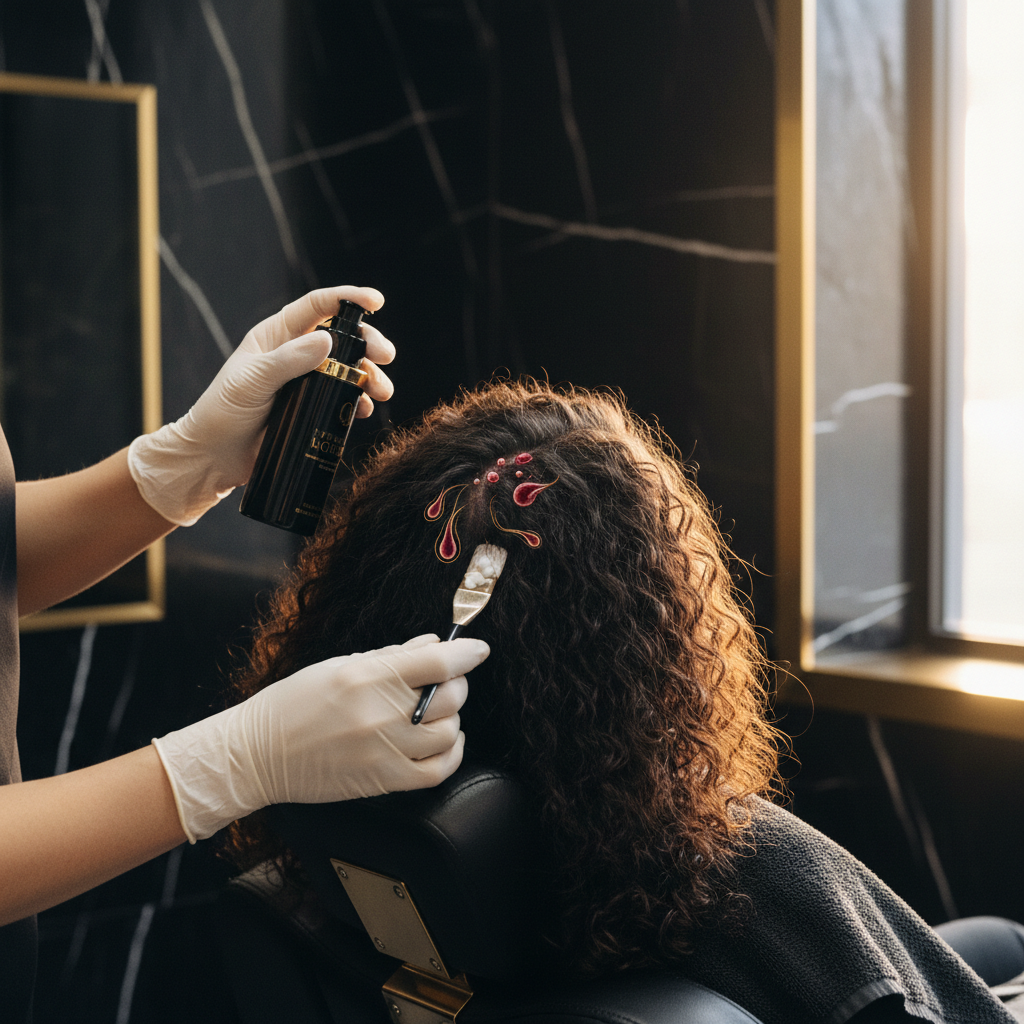
Quick answer: A Folliculitis Scalp Care Guide provides structured routines to soothe inflammation, manage microbial overgrowth, and protect hair follicles from recurrent infection. Scalp folliculitis occurs when hair follicles become inflamed due to bacterial, fungal, or mechanical triggers, presenting as tender, itchy, pimple-like bumps. While cosmetic hygiene adjustments, gentle cleansing, and antimicrobial washes can control mild surface flare-ups, they cannot replace prescription medical therapies for deep, severe, or persistent infections that risk scarring.
Key takeaways
- Scalp folliculitis is an inflammatory condition of the hair follicles, primarily driven by Staphylococcus aureus bacteria or Malassezia yeasts.
- Mild superficial cases often respond to over-the-counter antimicrobial cleansers, warm compresses, and avoiding heavy styling pomades.
- Deep or scarring forms, such as folliculitis decalvans, require immediate dermatological assessment to prevent permanent follicular destruction.
- Distinguishing between bacterial infection, fungal overgrowth, and non-infectious inflammatory disorders is vital for selecting the correct routine.
- Consistent preventative habits, including regular washing, sanitising styling tools, and avoiding scalp friction, significantly reduce flare-up frequency.
Folliculitis Scalp Care Guide: what the evidence shows
Clinical literature categorises scalp folliculitis as an inflammation of one or more hair follicles, generally classified as either superficial or deep. In this Folliculitis Scalp Care Guide, the primary focus rests on managing the physiological environment of the scalp to minimise flare-ups and support natural barrier function.
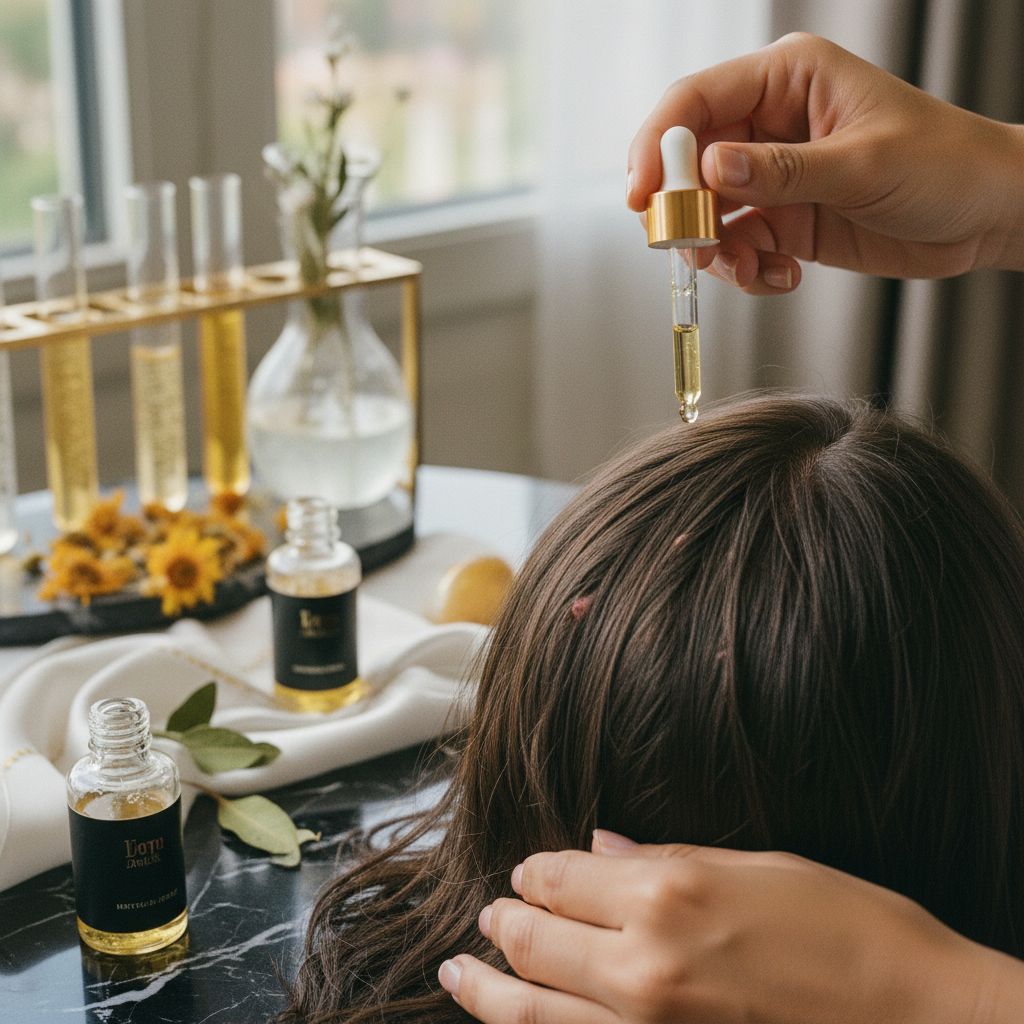
Most superficial presentations stem from bacterial colonisation, most commonly Staphylococcus aureus, or an overgrowth of lipophilic Malassezia species (often termed Pityrosporum folliculitis). Observational studies and dermatological guidance show that warm, occlusive environments significantly accelerate microbial proliferation. When sebum, dead corneocytes, and external cosmetic residues accumulate around the follicular infundibulum, the follicle ostium becomes blocked. This blockage traps sebum, creating an anaerobic or lipid-rich niche where microbes thrive, eliciting an inflammatory immune response.
Evidence confirms that mild cases frequently resolve when physical occlusion is removed and targeted antiseptic washes are introduced. Active ingredients such as chlorhexidine, zinc pyrithione, piroctone olamine, and diluted tea tree oil demonstrate measurable antimicrobial efficacy in vitro and in small clinical cohorts. However, the evidence also makes clear that persistent pustules rarely clear through washing routines alone if an underlying systemic predisposition, colonisation in the nares, or a resistant pathogen exists.
What the evidence does not show
There is no clinical evidence showing that cosmetic shampoos or botanical oils can cure chronic, deep-seated bacterial or fungal folliculitis. While popular home remedies praise pure coconut oil, olive oil, or concentrated essential oils, empirical research warns against them. Heavy vegetable oils supply free fatty acids that feed Malassezia yeasts, often exacerbating fungal variants. Furthermore, undiluted essential oils frequently cause allergic contact dermatitis, complicating the clinical picture with secondary inflammation.
Crucially, scientific literature does not support the idea that scalp folliculitis is merely poor hygiene. It frequently affects individuals with impeccable grooming habits due to minor mechanical microtrauma, tight headwear, hyperhidrosis, or naturally high sebum excretion rates.
The biological mechanism of scalp folliculitis
Scalp folliculitis begins at the follicular infundibulum, the upper portion of the hair follicle opening onto the scalp surface. Human scalp skin maintains an acidic mantle with a normal pH range between 4.5 and 5.5. This acidity controls resident microflora and maintains the integrity of the stratum corneum.
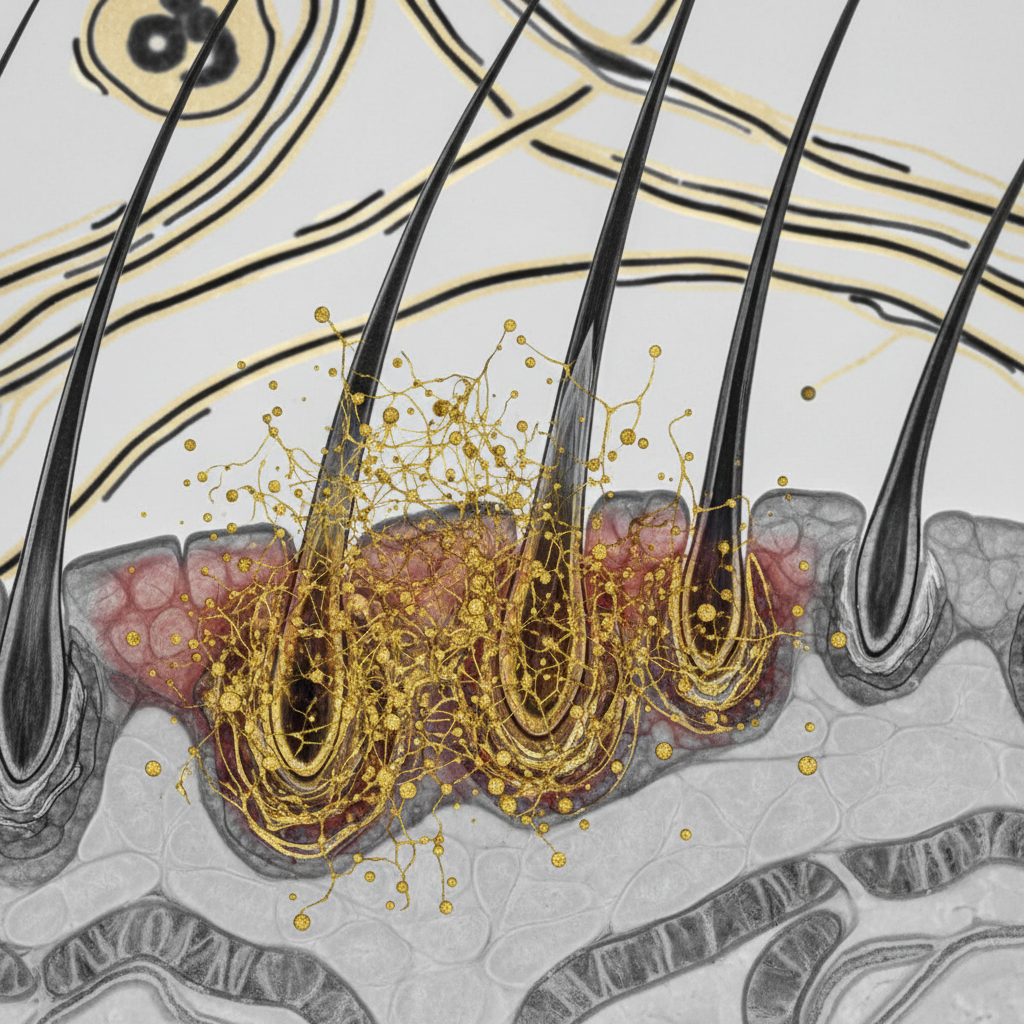
When this barrier is compromised by friction, scratching, close shaving, or harsh alkaline products, the natural lipid envelope weakens. Opportunistic microbes penetrate the follicular channel.
- Colonisation: Staphylococcus aureus or Malassezia multiply within the sebum-rich canal.
- Chemotaxis: The immune system detects microbial antigens and cell wall components, releasing pro-inflammatory cytokines (such as IL-1, IL-6, and TNF-alpha).
- Neutrophil Infiltration: Neutrophils rush to the follicle, accumulating within the lumen to form a pustule.
- Follicular Rupture: If inflammation intensifies, the follicular wall may rupture into the surrounding dermis, escalating from superficial folliculitis into a furuncle, carbuncle, or deep destructive lesion.
Signs and symptoms: identifying the condition
Recognising early signs prevents superficial inflammation from progressing into deeper complications. Symptoms can vary based on whether the primary driver is bacterial or fungal.
- Small erythematous papules: Tiny red bumps clustered around individual hair shafts, often appearing along the hairline or crown.
- Follicular pustules: Small, yellow- or white-tipped pimples containing sterile or infected pus, frequently pierced by a central hair.
- Pruritus and soreness: Intense itching, burning, or tender, throbbing pain upon touch or brushing.
- Crusting and scaling: Exudate that dries into yellowish crusts around the base of the hair fibre.
- Localised shedding: Temporary hair shedding around inflamed follicles, distinct from permanent scarring patches unless the condition is deep and left untreated.
| Feature | Bacterial Folliculitis | Fungal (Malassezia) Folliculitis | Folliculitis Decalvans |
|---|---|---|---|
| Primary Cause | Staphylococcus aureus | Malassezia yeast overgrowth | Chronic neutrophil-driven, suspected staph trigger |
| Pustule Appearance | Discrete yellow pustules with red halo | Monomorphic, small itchy papulopustules | Grouped crusting pustules, tufted hairs ("doll's hairs") |
| Primary Sensation | Tender, painful to the touch | Intensely itchy, worse with heat and sweat | Severe burning, throbbing pain |
| Scarring Potential | Extremely low if superficial | Negligible | High risk of permanent cicatricial alopecia |
| First-Line Care | Antiseptic wash, topical antibiotics | Ketoconazole, selenium sulfide washes | Oral antibiotics, specialist clinical intervention |
What you can do: daily care routines
Managing scalp folliculitis requires reducing follicular occlusion while calming active inflammation. Implementing a consistent care protocol supports recovery:
- Cleanse systematically: Wash the scalp every 24 to 48 hours with a clarifying, pH-balanced cleanser (pH 5.0 to 5.5). Look for ingredients like piroctone olamine, salicylic acid (0.5 to 2 percent to clear infundibular plugging), or zinc pyrithione.
- Apply warm compresses: Soak a clean flannel in warm water and hold it against tender areas for 10 to 15 minutes, three times daily, to promote drainage of superficial pustules.
- Eliminate heavy occlusives: Avoid hair waxes, mineral oils, pomades, and thick butters that coat the scalp surface and occlude follicular openings.
- Maintain tool hygiene: Wash combs, brushes, and hair clips after every use using warm water and antibacterial soap. Avoid sharing these items.
- Minimise mechanical irritation: Wear loose-fitting hats made from breathable fabrics (like cotton). Do not shave the scalp down to skin level during an active breakout; keep trimmers set to a guard level that prevents micro-abrasions.
- Launder textiles frequently: Change pillowcases every two days, washing them at 60 degrees Celsius to eradicate persistent bacterial reservoirs.
When the cause may be something else
Not all scalp bumps represent straightforward infectious folliculitis. Several distinct dermatological conditions mimic its symptoms:
- Seborrhoeic dermatitis: Typically presents with greasy, yellowish flakes and diffuse redness across the crown and hairline rather than isolated follicular pustules, though the two conditions can coexist.
- Scalp acne: Comedones (blackheads and whiteheads) intermingled with inflammatory lesions, driven by hormonal fluctuations and sebaceous gland hyperactivity rather than pure follicular infection.
- Cicatricial (scarring) alopecias: Conditions such as Lichen Planopilaris (LPP) or Folliculitis Decalvans destroy the follicle permanently. If you notice follicular tufting (several hairs emerging from one dilated pore), significant smooth patches devoid of follicle openings, or severe scarring, the condition extends beyond common folliculitis.
- Contact dermatitis: An allergic reaction to hair dyes (such as PPD), fragrances, or preservatives can mimic follicular inflammation with intense swelling, itching, and weeping.
When to get professional advice
Consult a GP, dermatologist, or qualified trichologist if:
- Bumps spread rapidly, enlarge into painful boils (furuncles), or develop spreading redness.
- Over-the-counter antimicrobial routines yield no improvement within 10 to 14 days.
- You develop a systemic fever or swollen lymph nodes around the neck or behind the ears.
- You observe patches of permanent hair loss, scalp scarring, or bleeding crusts.
- Pain interferes with sleep or daily activities.
A medical provider can perform a bacterial or fungal culture to pinpoint the exact pathogen and prescribe targeted topical or systemic antibiotics (such as flucloxacillin or clindamycin) or oral antifungals.
Supportive cosmetic scalp care: Watermans
When dealing with an irritated, breakout-prone scalp, selecting a mild, non-occlusive cosmetic routine is crucial once medical issues are ruled out or addressed. Watermans approaches scalp care by focusing on overall scalp balance, cleanliness, and hair vitality. Watermans products are formulated to wash away excess surface sebum, sweat, and environmental residue without stripping the skin's moisture barrier. By providing a clean, revitalised follicular foundation, a balanced cosmetic wash helps hair feel stronger and look fuller, supporting healthy daily grooming without weighing down the roots with heavy oils.
Frequently asked questions about Folliculitis Scalp Care Guide
Can I continue to dye my hair with an active breakout?
No. Chemical processing agents like hydrogen peroxide, ammonia, and paraphenylenediamine (PPD) cause significant chemical stress to the epidermis. Applying hair colour over inflamed, open, or crusting pustules risks severe chemical irritation, secondary infection, and contact dermatitis. Wait until the scalp has completely healed before applying any chemical treatments.
Will following a Folliculitis Scalp Care Guide regrow lost hair?
A Folliculitis Scalp Care Guide helps resolve temporary shedding by eliminating acute inflammation around the follicular canal. Most superficial cases cause non-scarring shedding, meaning hair regrows once the infection clears. However, if chronic inflammation has progressed into a cicatricial (scarring) condition, destroyed follicles cannot regenerate hair, underscoring the need for early clinical care.
How often should I wash my hair if I have scalp folliculitis?
Most dermatological protocols suggest washing your hair daily or every other day during an active flare-up. Frequent washing clears excess sebum, removes pathogenic bacteria, and clears crusted exudate. Use lukewarm water rather than hot water, as high temperatures strip protective lipids and exacerbate itching.
Can sweat from the gym trigger a folliculitis flare-up?
Yes. Sweating creates a warm, humid microclimate that encourages bacterial and fungal growth. Friction from sweatbands or helmets further irritates follicles. To counter this, remove headwear immediately after exercising and wash your scalp promptly to prevent sweat and surface bacteria from lingering in the follicular openings.
Managing your scalp health
Implementing a structured Folliculitis Scalp Care Guide gives you the practical knowledge needed to identify symptoms early, eliminate occlusive styling habits, and restore scalp comfort. Because follicular health directly underpins hair quality, addressing redness, itching, and pustules early protects your scalp barrier and keeps your hair looking resilient. When persistent inflammation arises, pairing thoughtful cosmetic hygiene with professional dermatological diagnosis remains the gold standard for long-term scalp health.
Sources and references
- British Association of Dermatologists. Folliculitis: Patient Information Leaflet. 2020.
- National Health Service (NHS). Folliculitis Overview and Management. 2022.
- American Academy of Dermatology. Acne-like breakouts could be folliculitis. 2021.
- Luelmo-Aguilar, J., & Santandreu, M. Z. Extensive and unusual forms of folliculitis. American Journal of Clinical Dermatology, 2004. DOI: 10.2165/00128071-200405050-00003.
- Chiller, K., Selkin, B. A., & Murakawa, G. J. Skin microflora and bacterial infections of the skin. Journal of Investigative Dermatology Symposium Proceedings, 2001. DOI: 10.1046/j.0022-202x.2001.00043.x.
Find these ingredients in Watermans products
- Zinc: you will find this ingredient in our Hair Vitamins.